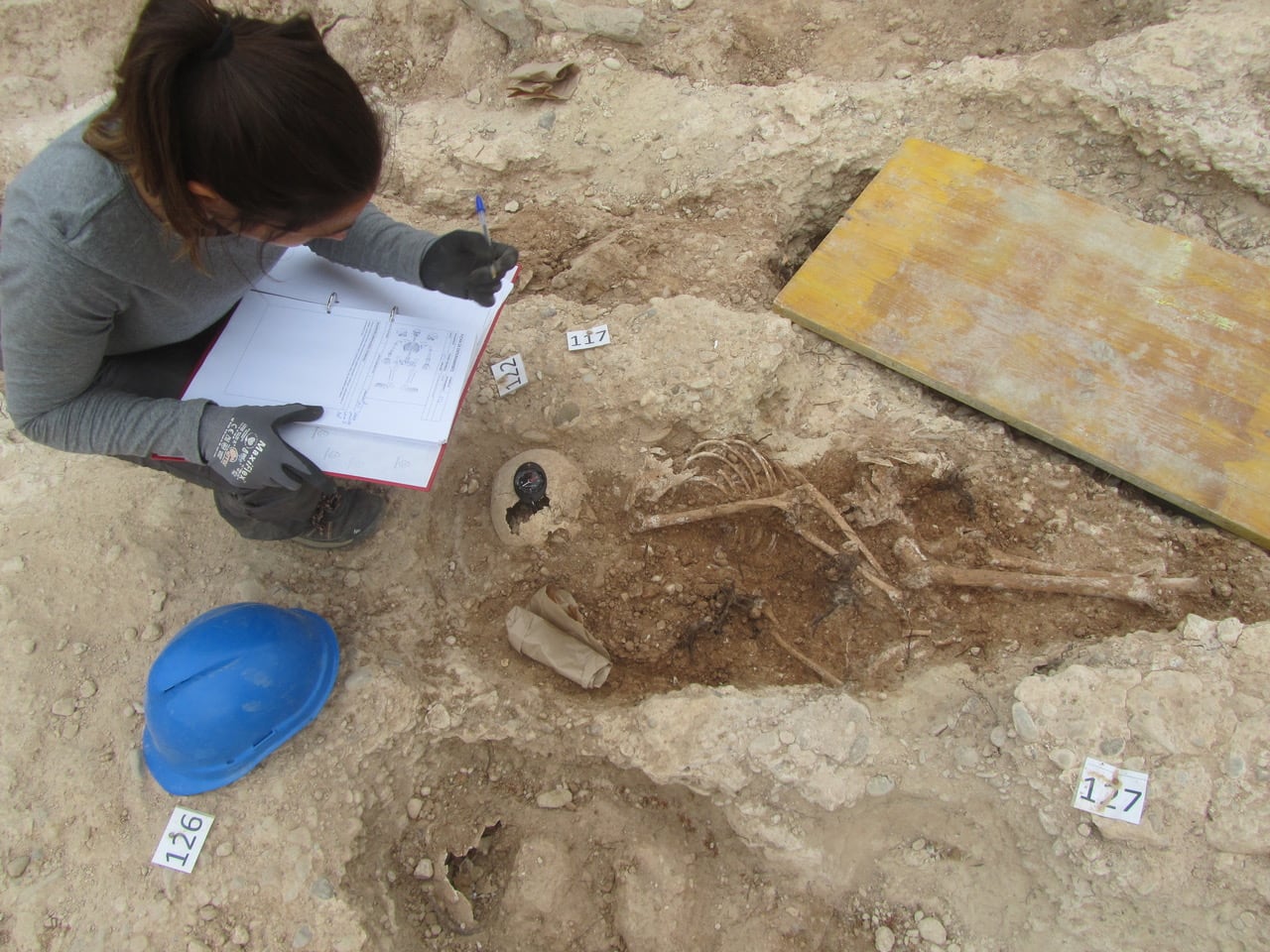
Skeletons reveal diet of medieval Muslims in Spain
Researchers analyzed the bones of 120 individuals, making this the largest isotopic study of a historical minority population in Spain.
english.elpais.com · 22 Oct
Archaeology, rediscovered knowledge, historical context surfacing. The past opening up. How does this lens work? →
Article headlines and summaries on this page are written by AI. How we work
Researchers analyzed the bones of 120 individuals, making this the largest isotopic study of a historical minority population in Spain.
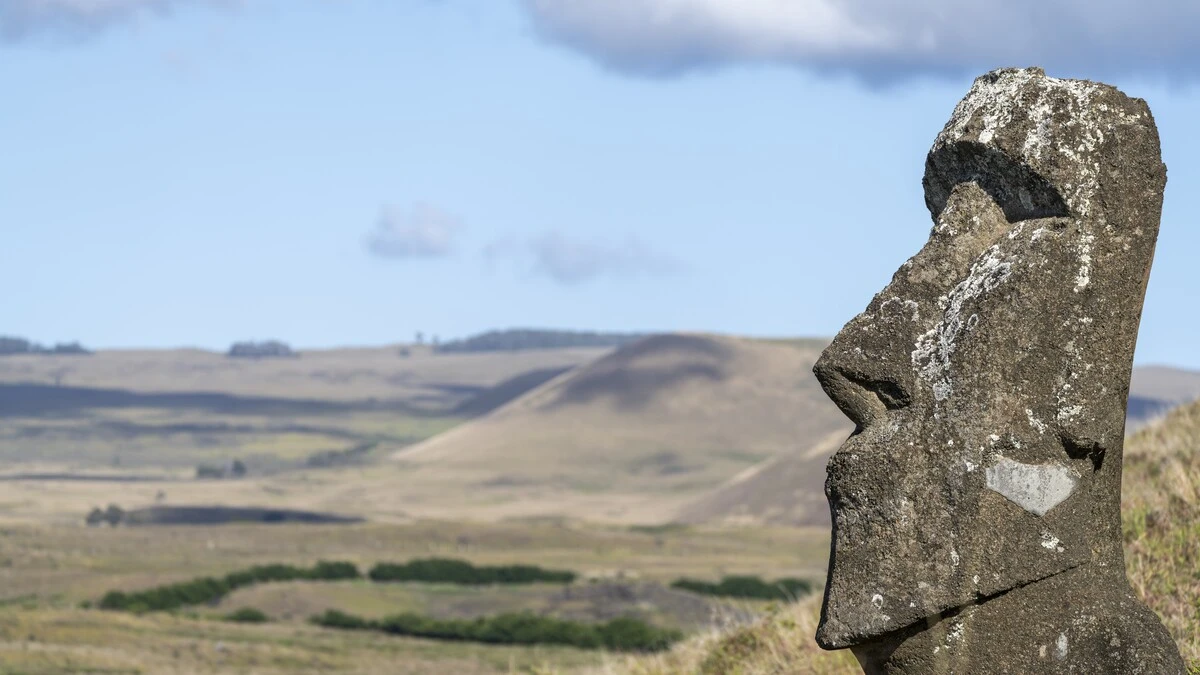
Researchers found that Hawaiians share the closest genetic links to people from Easter Island, and those from Mangareva are the second closest, based on DNA analysis of over 1,000 Polynesians.

The Tassili n'Ajjer massif contains more than 15,000 prehistoric paintings and engravings.

The researchers focused on a period of 12 years, from 1949 to 1961, to understand the scientific exchange between China and the Soviet Union.

The team identified fingerprints from children under 15 on 22.3% of the terracotta warriors examined.
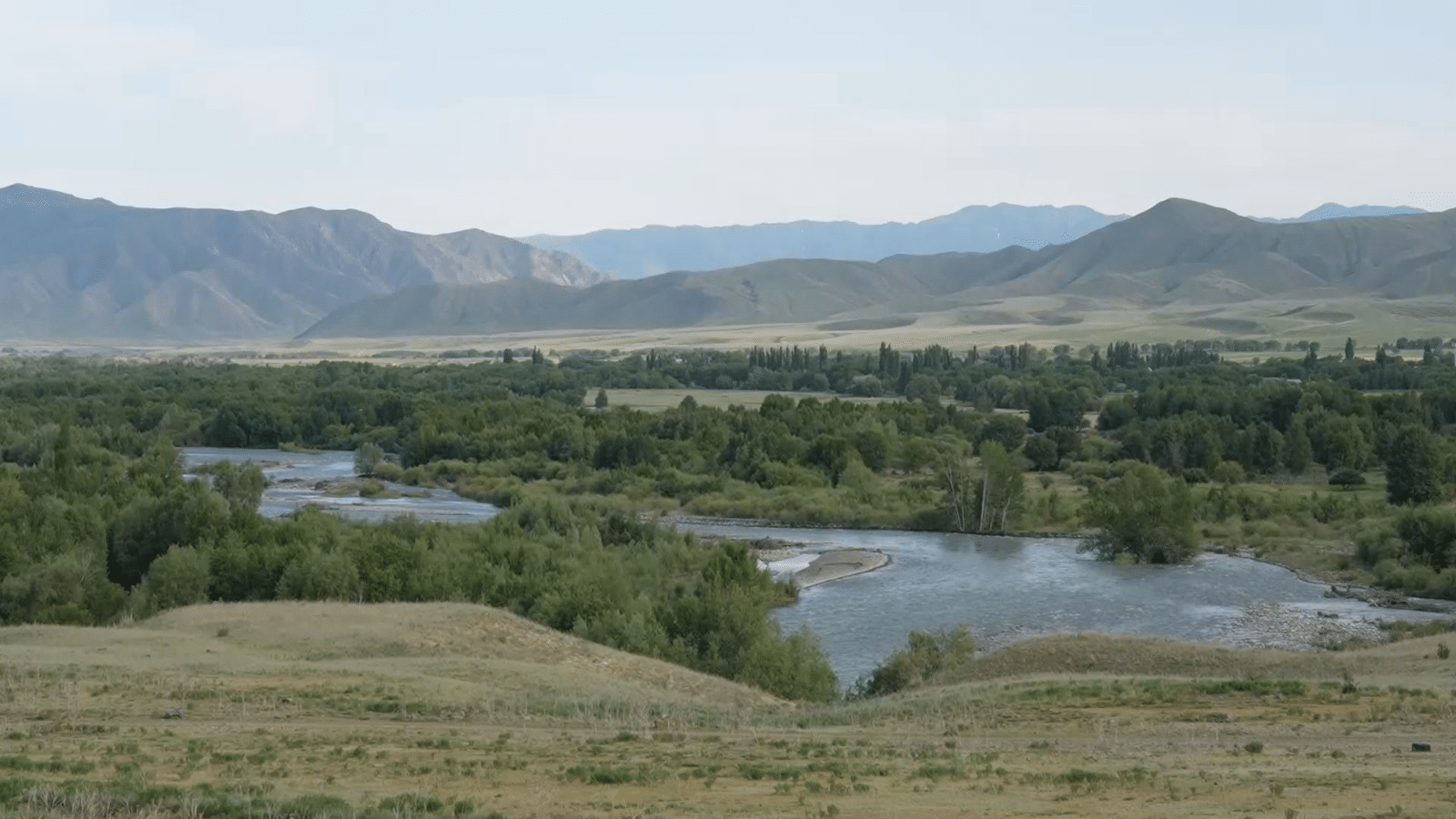
Pyotr Semyonov-Tyan-Shansky made the sketches of the petroglyphs during a journey in 1856, 170 years before their rediscovery.

The discovered church dates to between 1100 and 1300, indicating a later period of construction than other previously found churches in Greenland.
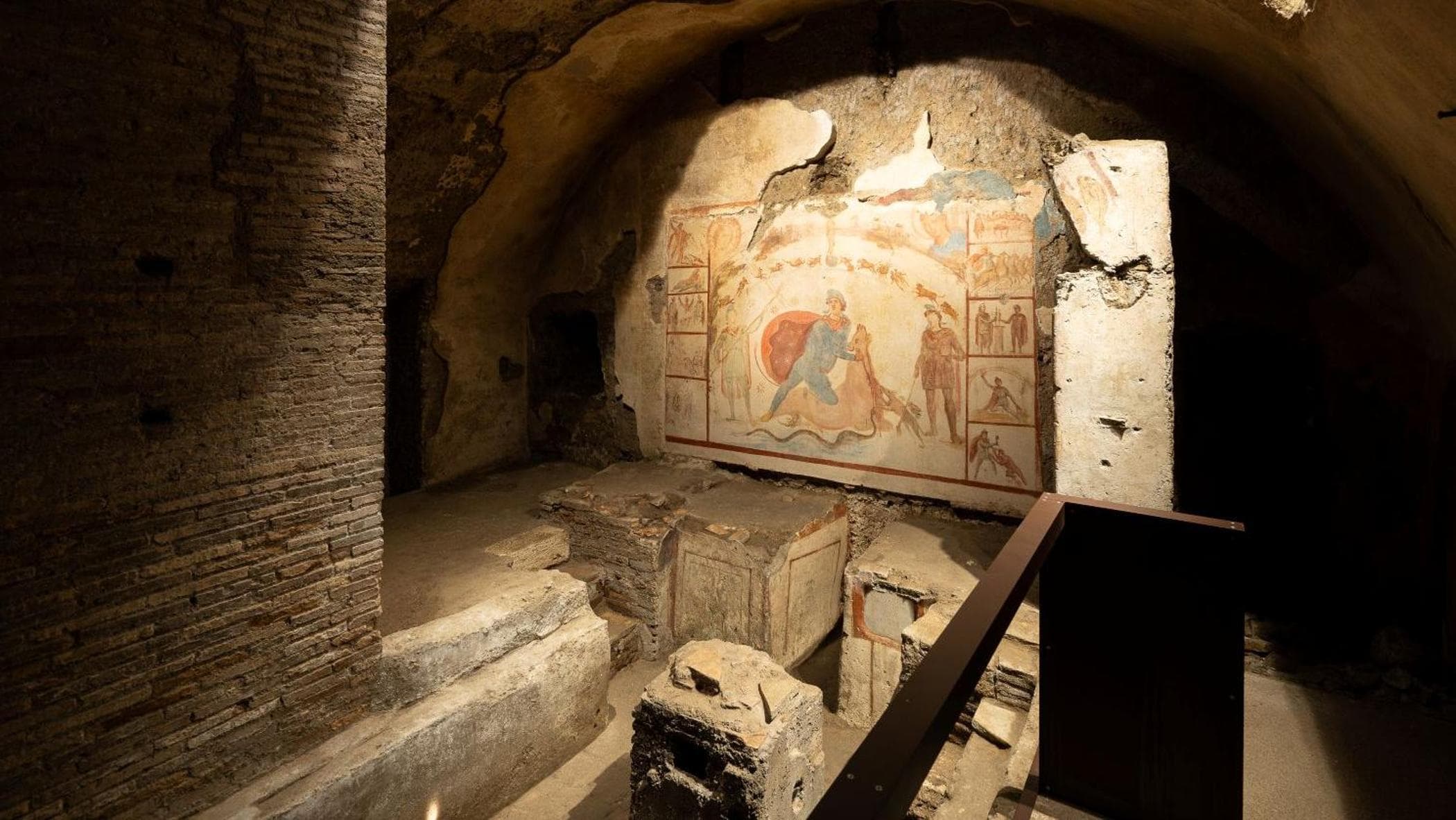
The Barberini Mithraeum is almost 12 meters long and just over six meters wide, and features an exceptionally well-preserved late-antique fresco.

Archaeologists discovered several thousand fragments of school offerings at one temple of Nabû in Babylon.

Researchers analysed DNA from 317 native Hawaiians, 12 Rapa Nui, and eight Mangarevans as part of the study.

The label’s Chinese characters represented the name of Smith, Archer & Co., a US firm importing tea during the 1860s and 1870s.
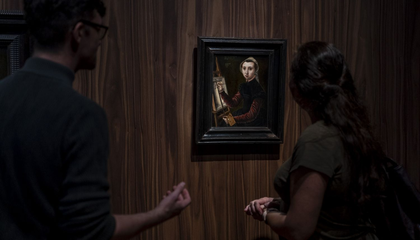
Catharina van Hemessen signed 14 of her 19 confirmed paintings, a practice uncommon for artists, especially women, in the 16th century.
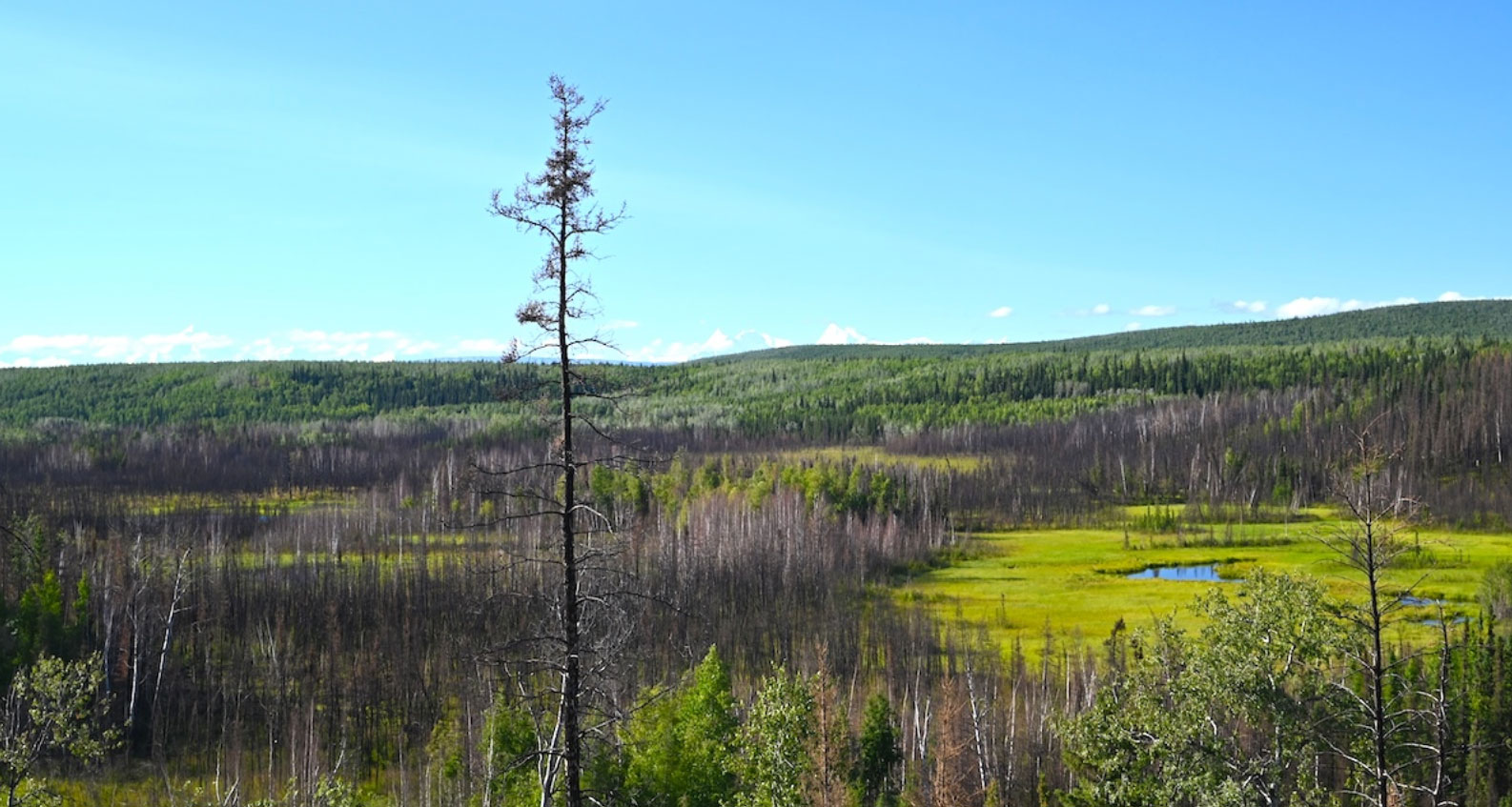
Researchers at Shég’ Xdaltth’i’ discovered projectile points matching those found only at two sites in Russia from the same 13,800-year-old period.

The project processed approximately 100,000 pages of handwritten records using AI, a task that would have taken years to complete manually.
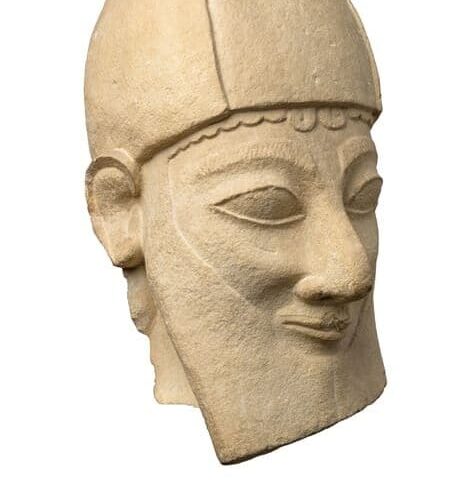
The Ringling Museum’s Cypriot collection includes over 3,300 artifacts acquired from the Metropolitan Museum of Art in 1928.

The southern wall of the fortress stretches nearly 350 feet in length and is eight feet thick.

Community members recognized 73% of the bird species recorded by the nature sanctuary, demonstrating extensive local knowledge of biodiversity.

The exhibition features loans from museums in Italy, France, Spain, and the United Kingdom, augmenting the Gemäldegalerie Alte Meister’s permanent collection of Correggio’s work.

Carbon dating of the skeleton established a death date between A.D. 987 and 1052, confirming the reuse of the Roman sarcophagus in the late Saxon period.
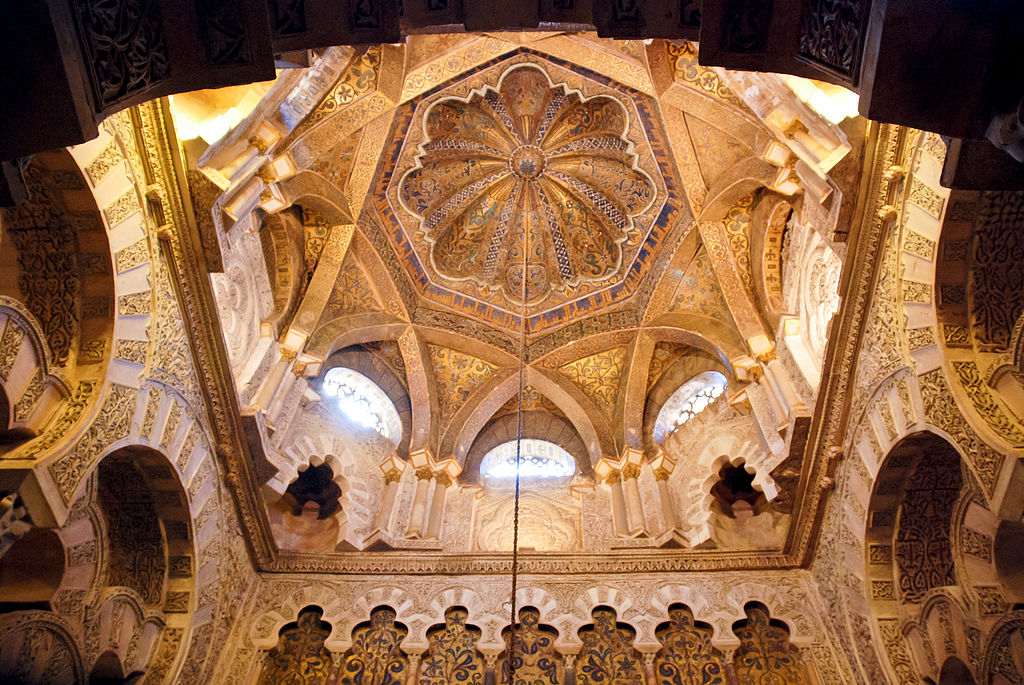
The Ibn Tulun Mosque in Cairo, completed in the ninth century, featured pointed arches that later appeared in European cathedrals like Notre-Dame and Canterbury.
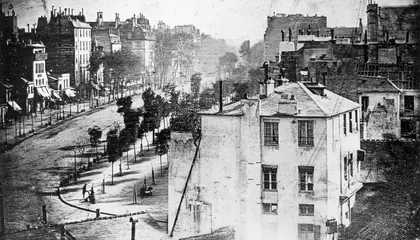
The filmmakers used nail polish to temporarily mark the exact location before the installation of the commemorative plaque.

The Hawaiʻi State Foundation on Culture and the Arts had previously acquired only one work by a Micronesian artist before purchasing five pieces following the exhibition’s debut on Maui.
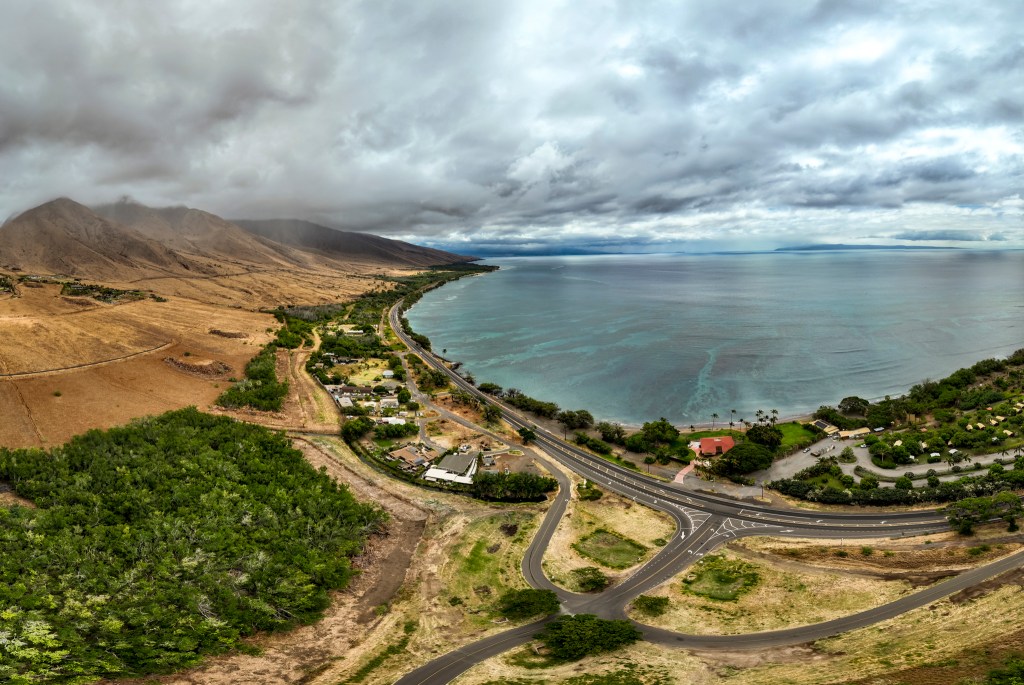
The coral core dates back to the 1700s, providing scientists with a 253-year record of environmental changes impacting the reef.
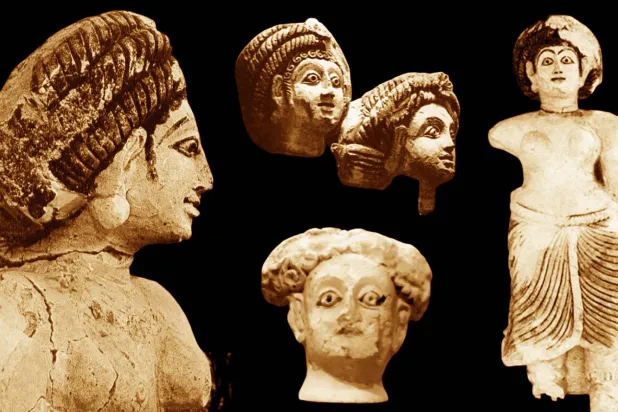
Archaeologists discovered a collection of over fifteen female sculptures at Qasr Hisham, a palace built by the Umayyad caliph Hisham ibn Abd al-Malik.
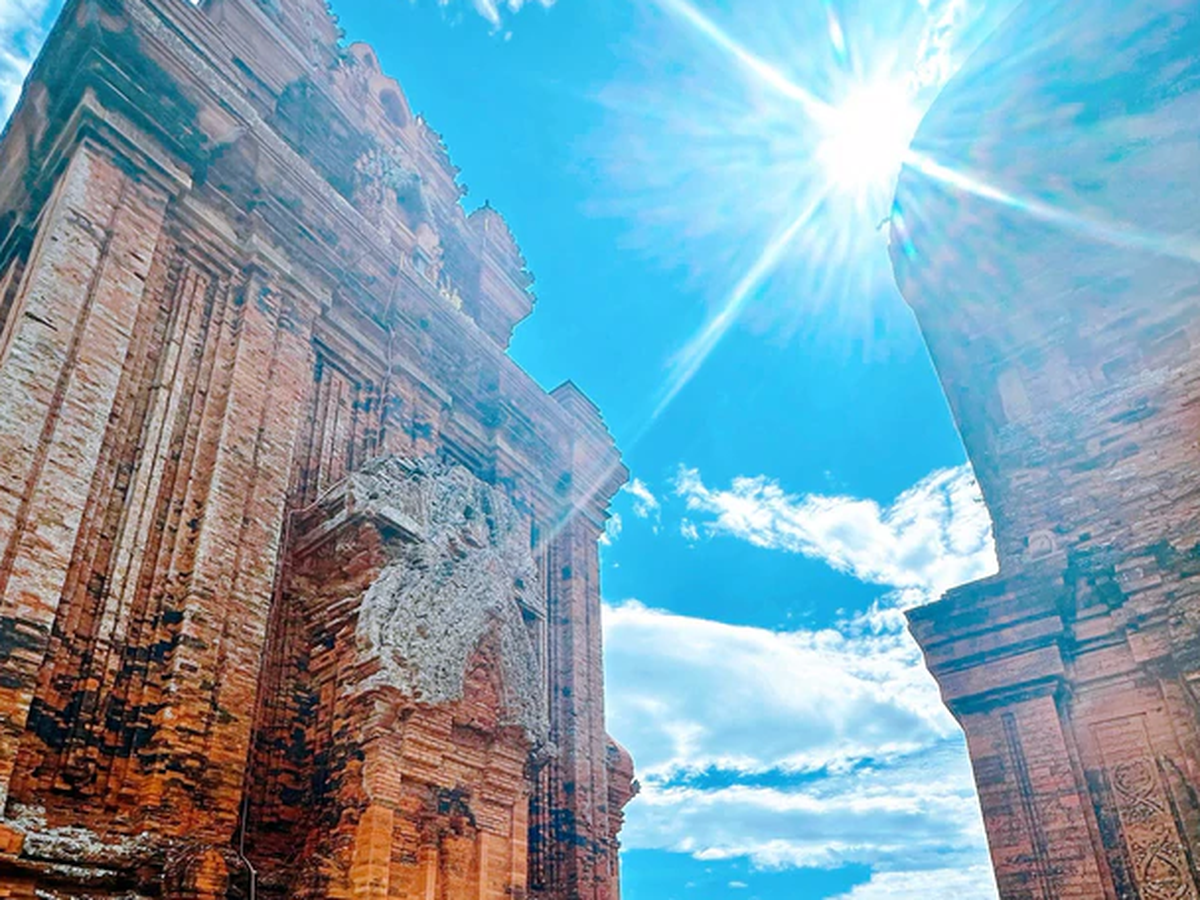
The Main Tower at Banh It Towers reaches a height of nearly 30 meters, showcasing the builders’ skills nearly a thousand years ago.
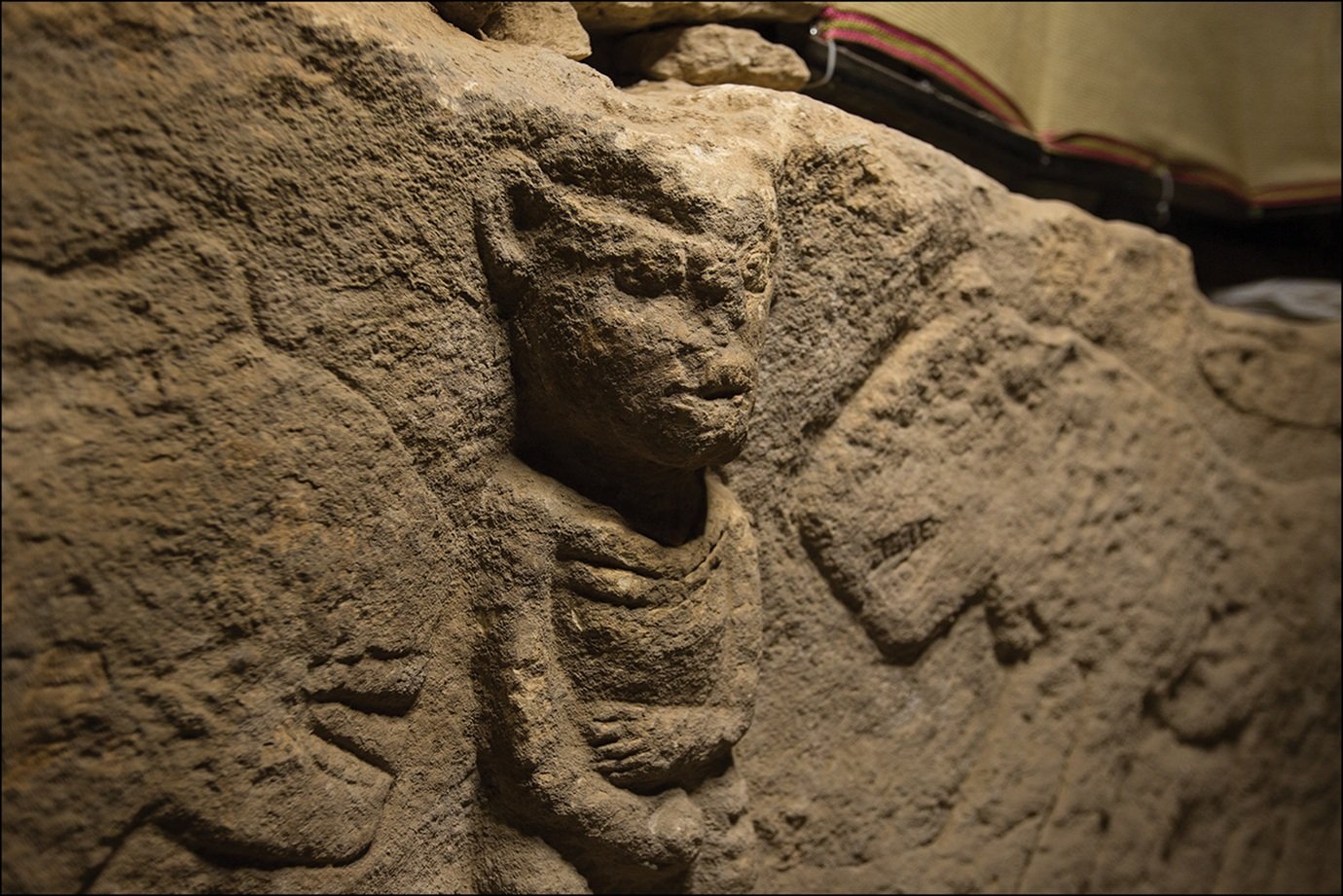
The Sayburç relief is approximately 3.7 meters long and features five distinct figures carved into stone.
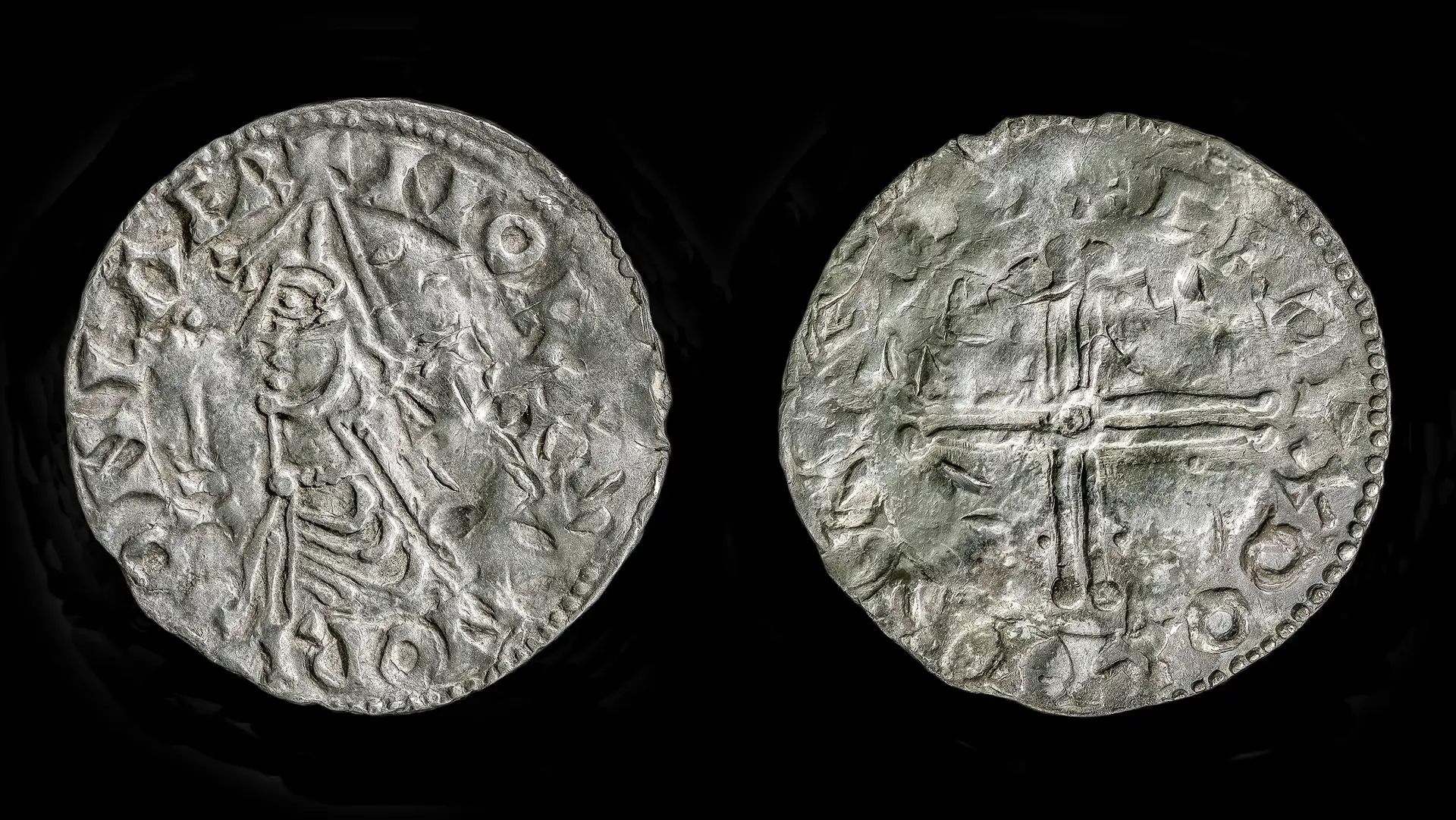
The Mørstad Hoard, discovered in April, now contains between 5,500 and 6,000 silver coins.
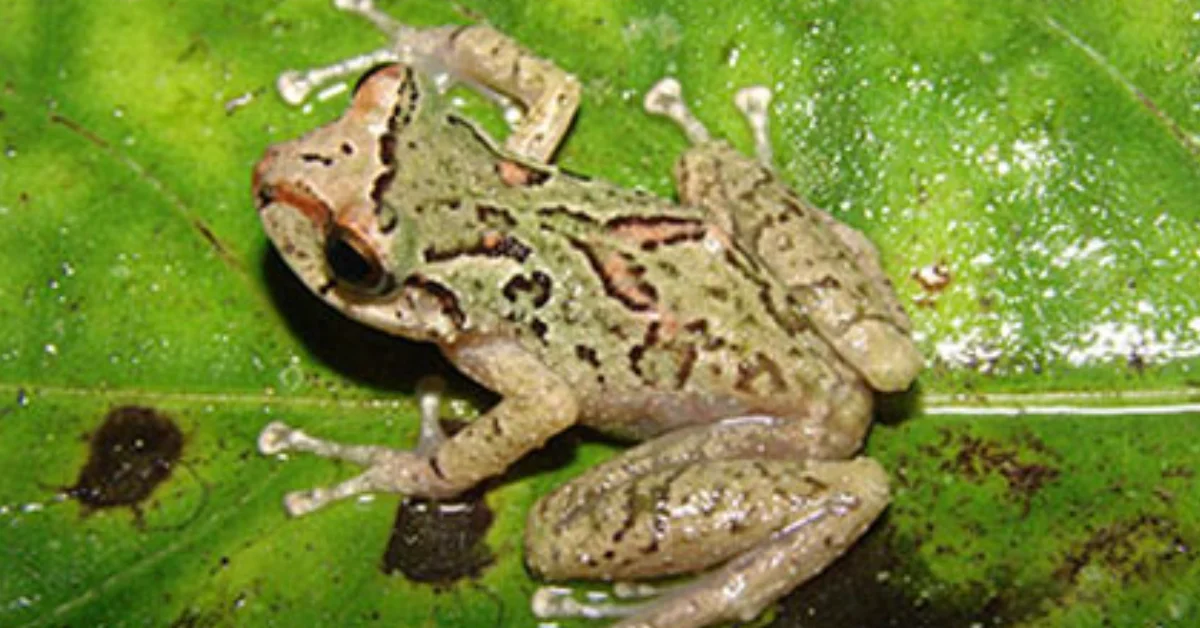
Researchers identified five new frog species based on traits including snout shape, skin texture, size, and coloration pattern.
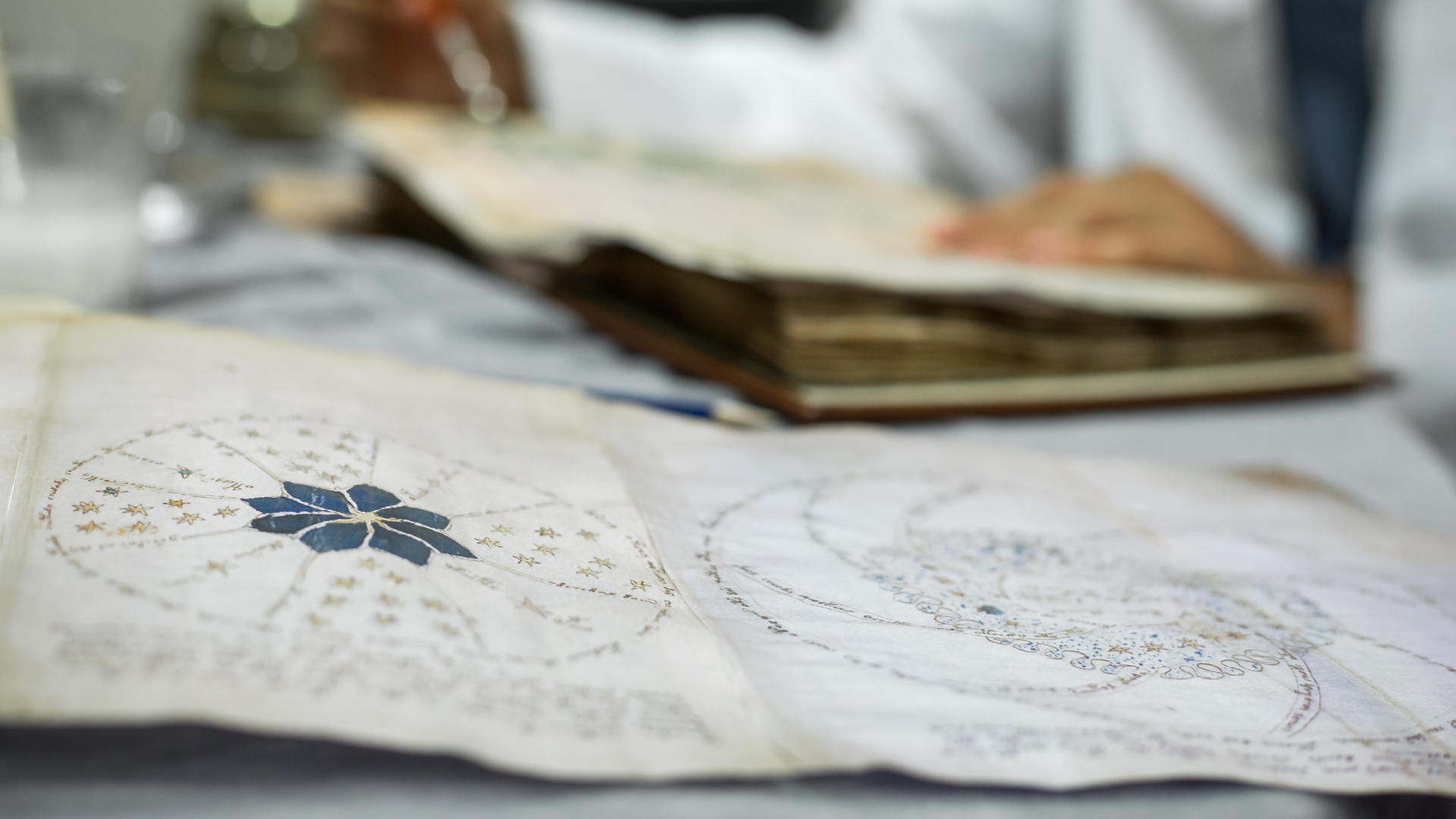
The Voynich manuscript contains approximately 38,000 words written in an unknown script called “Voynichese.”

The study tracked changes in social networks over three years, demonstrating the lasting impact of the health program on village connections.

Scientists determined summer temperatures at Camp Century were 4.7 degrees Celsius warmer than today approximately 416,000 years ago.
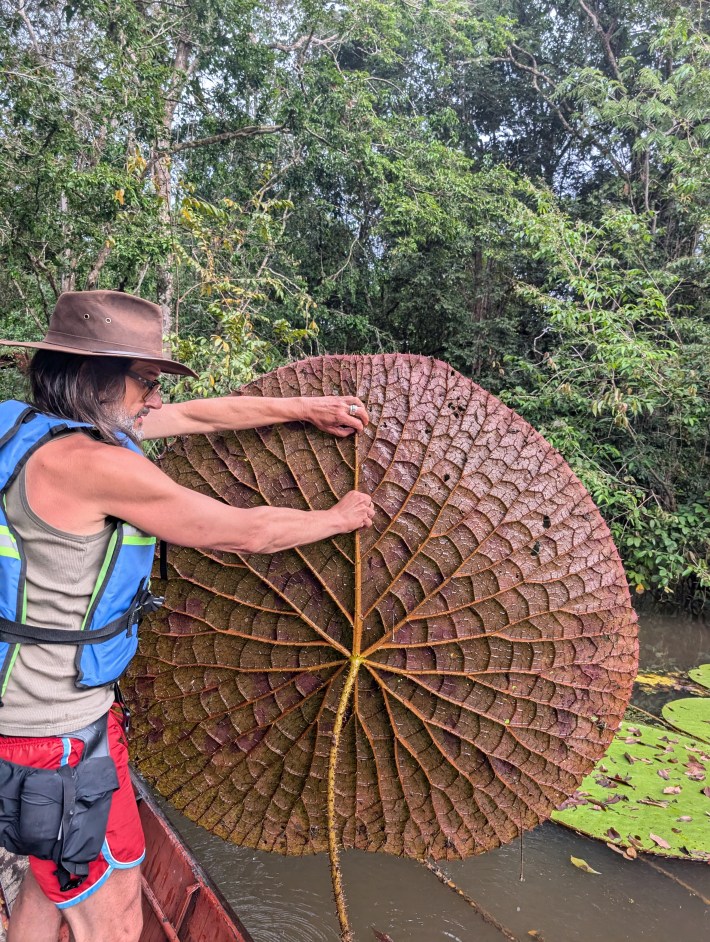
Researchers found between 30 and 50 Victoria colombiana plants in the wild, classifying the species as at high risk of extinction.
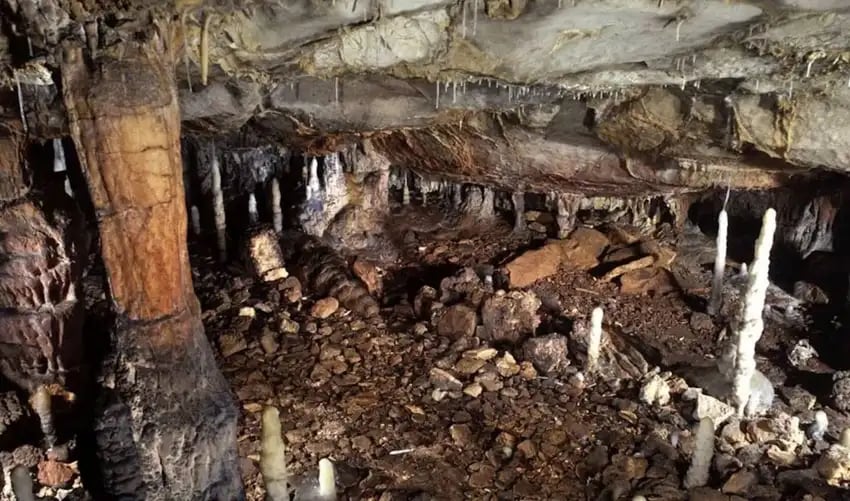
Archaeologists recovered 4,614 items from the sealed cave dwelling, preserving them in their original positions.
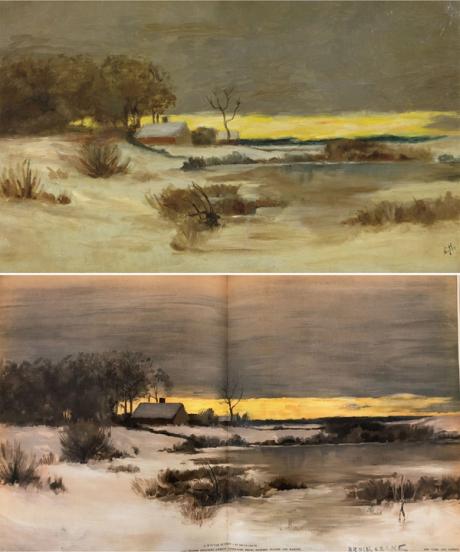
Hopper’s painting Old Ice Pond at Nyack was revealed to be a copy of Bruce Crane’s A Winter Sunset, published in 1890.
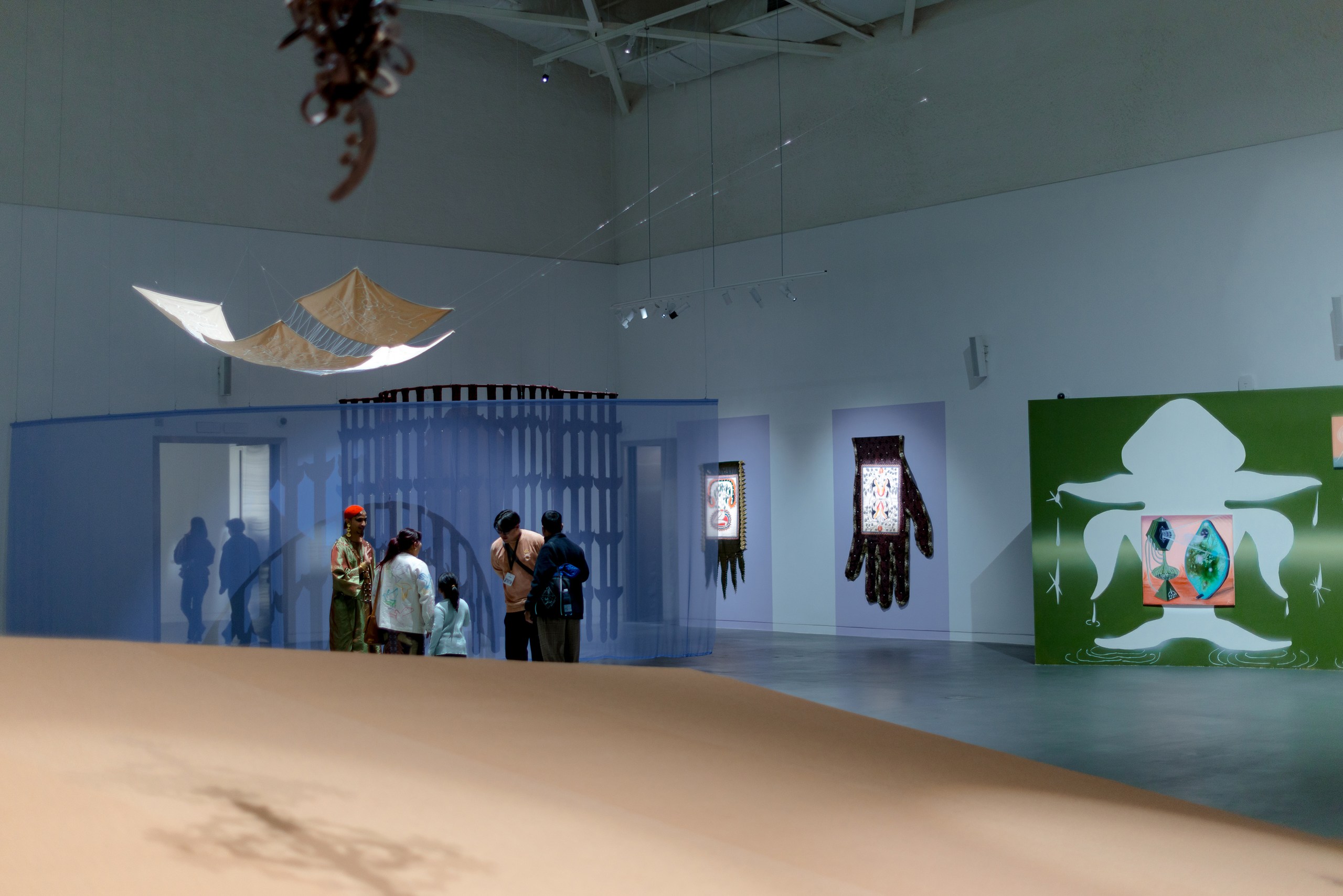
The exhibition features artists from 21 different countries, bringing together diverse perspectives on women’s heritage and ancestral knowledge.

The artifact contains 7.41 percent nickel, a proportion that indicates it likely originated as a meteorite rather than being forged with terrestrial methods.

By age 80, over half of all Americans either have cataracts or have undergone surgery to remove them.
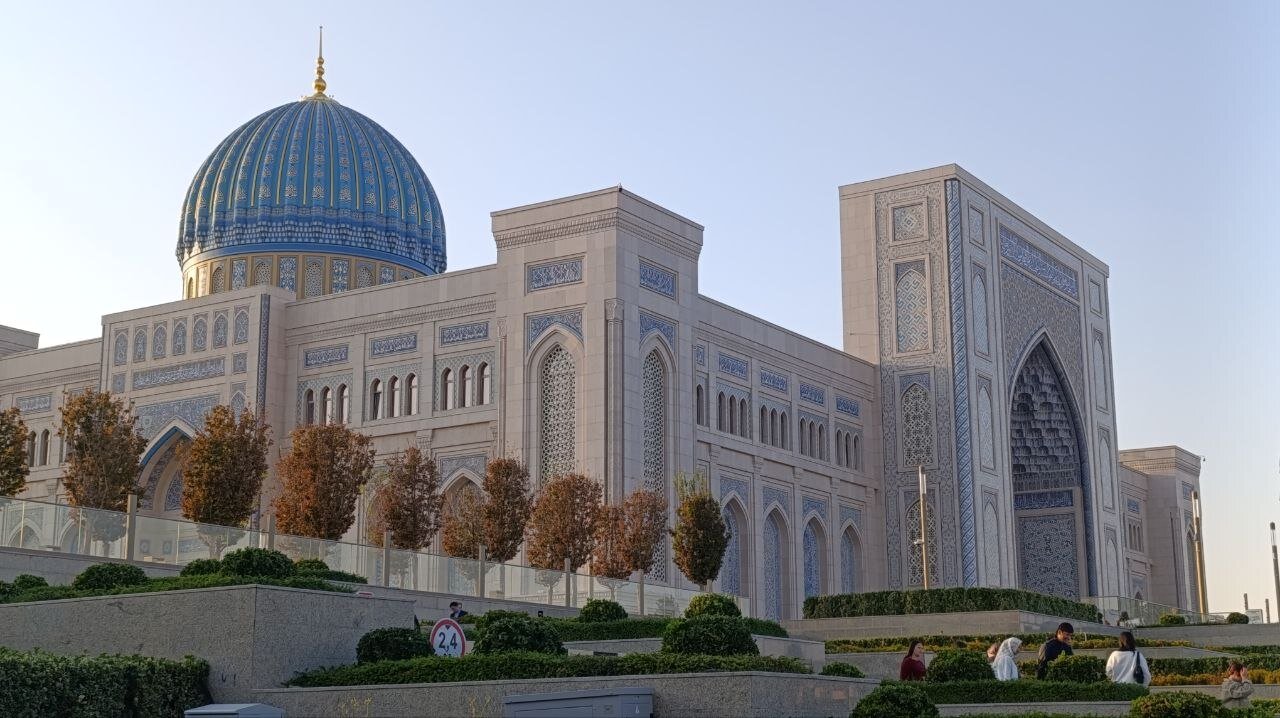
The Islamic Civilization Center features four entrance portals each approximately 34 meters high, drawing on architectural traditions from different Uzbek regions.

The exhibition features works from over forty prestigious museums and collections worldwide, ranging from the Vatican Museums to Palazzo Madama in Turin.
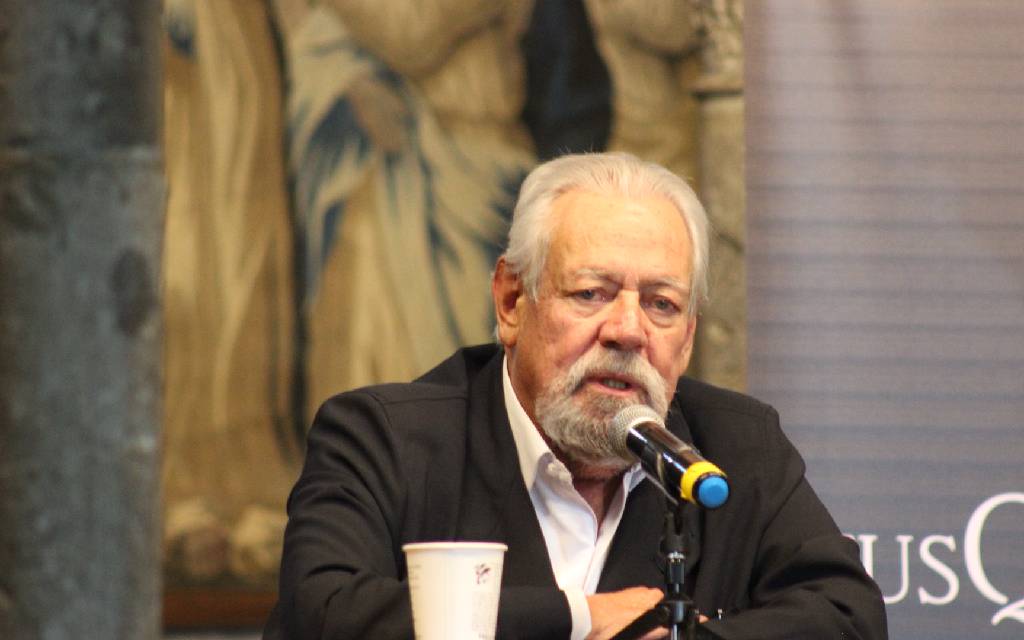
Gonzalo Celorio is a 2025 recipient of the Premio Cervantes de Literatura, a prestigious Spanish literary award.
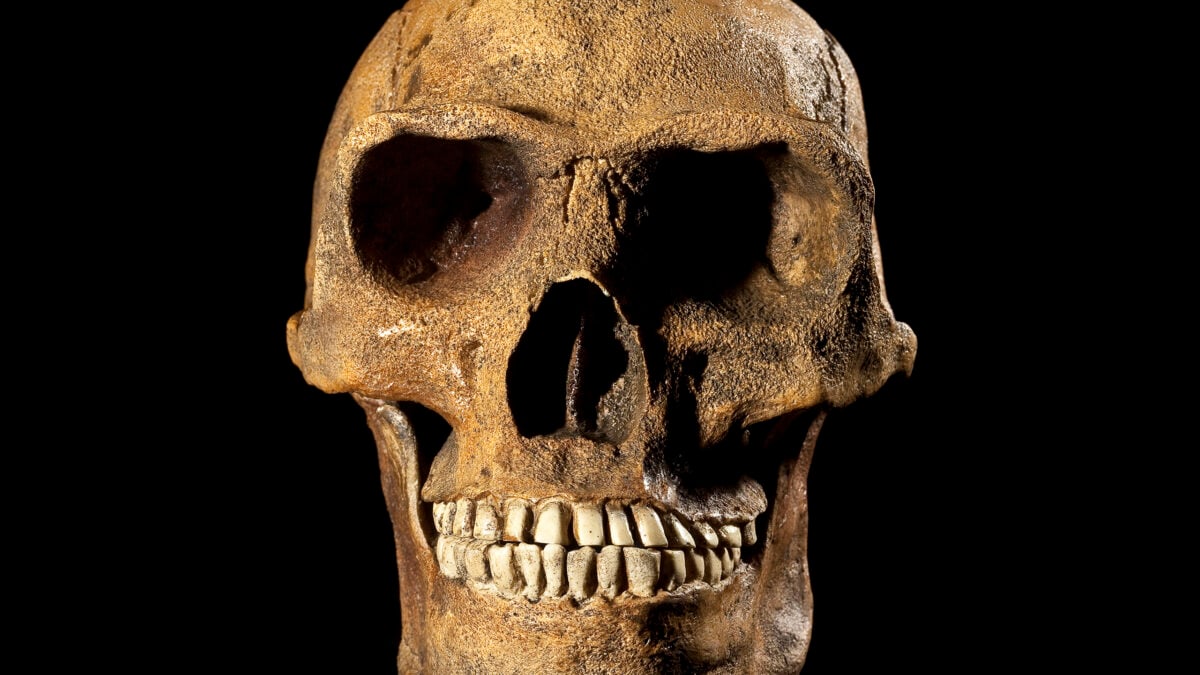
Researchers analyzed 18 fossils from the Drimolen Main Quarry, including a new adult Homo erectus fossil, to revise the species’ first appearance to approximately 2 million years ago.
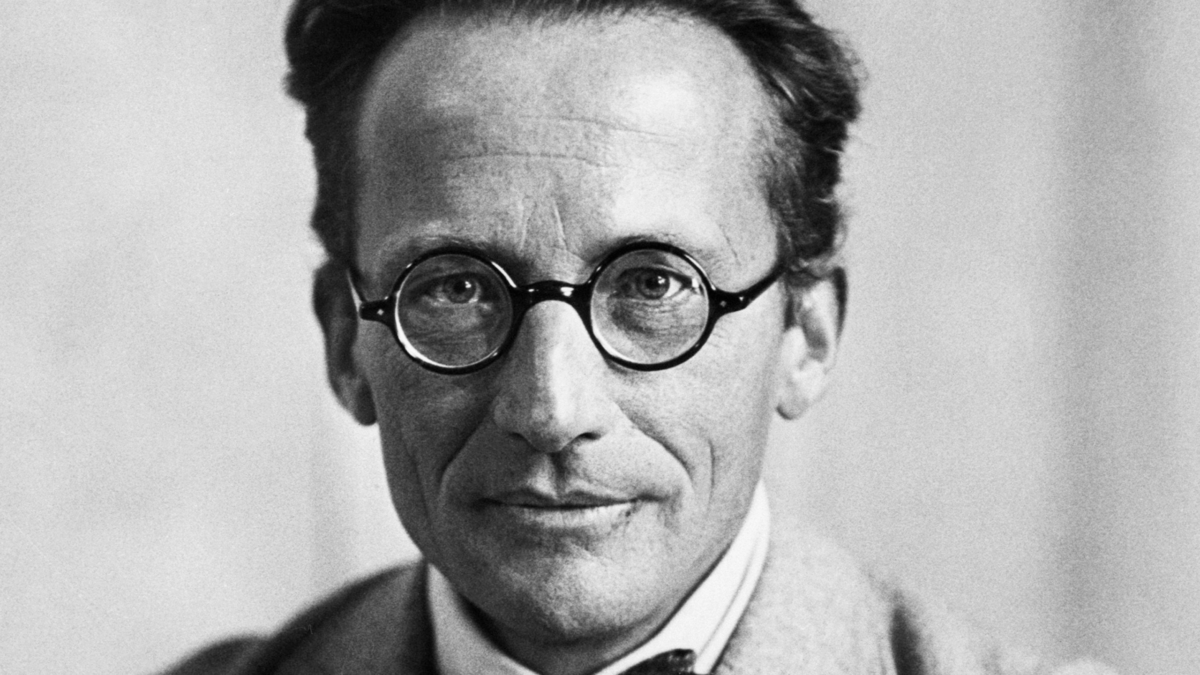
Schrödinger developed a strong commitment to indeterminism, the belief that events are not predetermined, even before quantum mechanics emerged, maintaining this view throughout his career.

Researchers identified a unique amino acid substitution in collagen peptides that definitively linked the Xujiayao fossils to Denisovans.
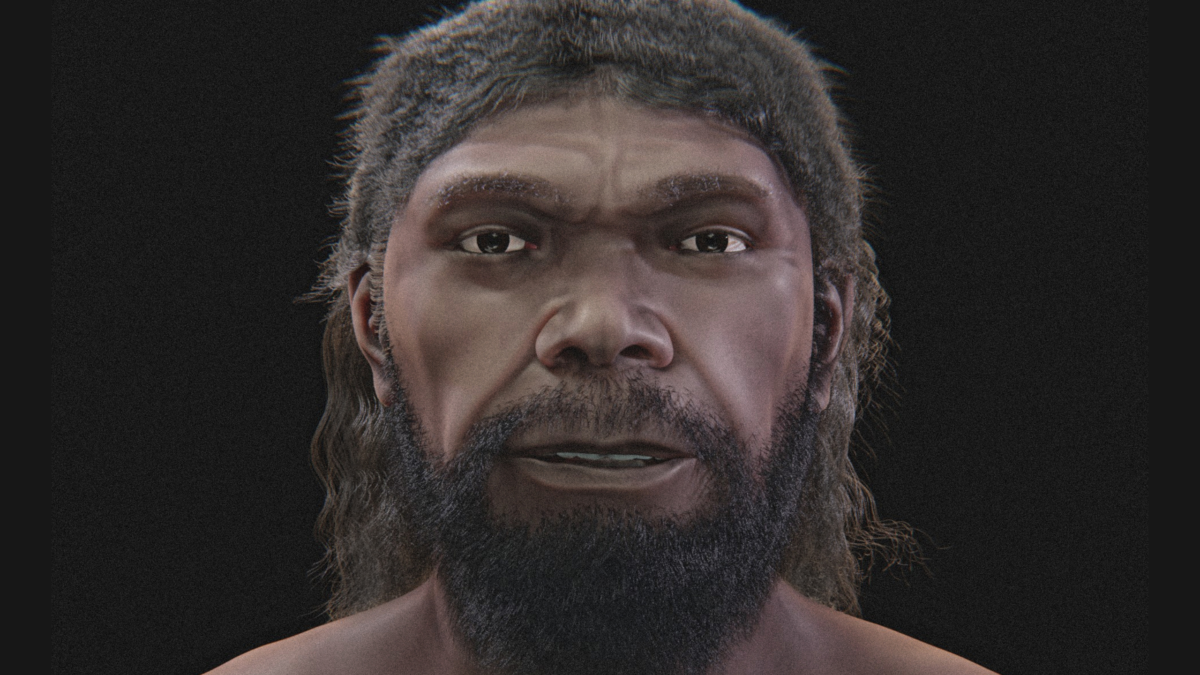
The reconstructed skull has a cranial capacity of 1,364 milliliters, closely matching an earlier estimate of 1,375 milliliters.
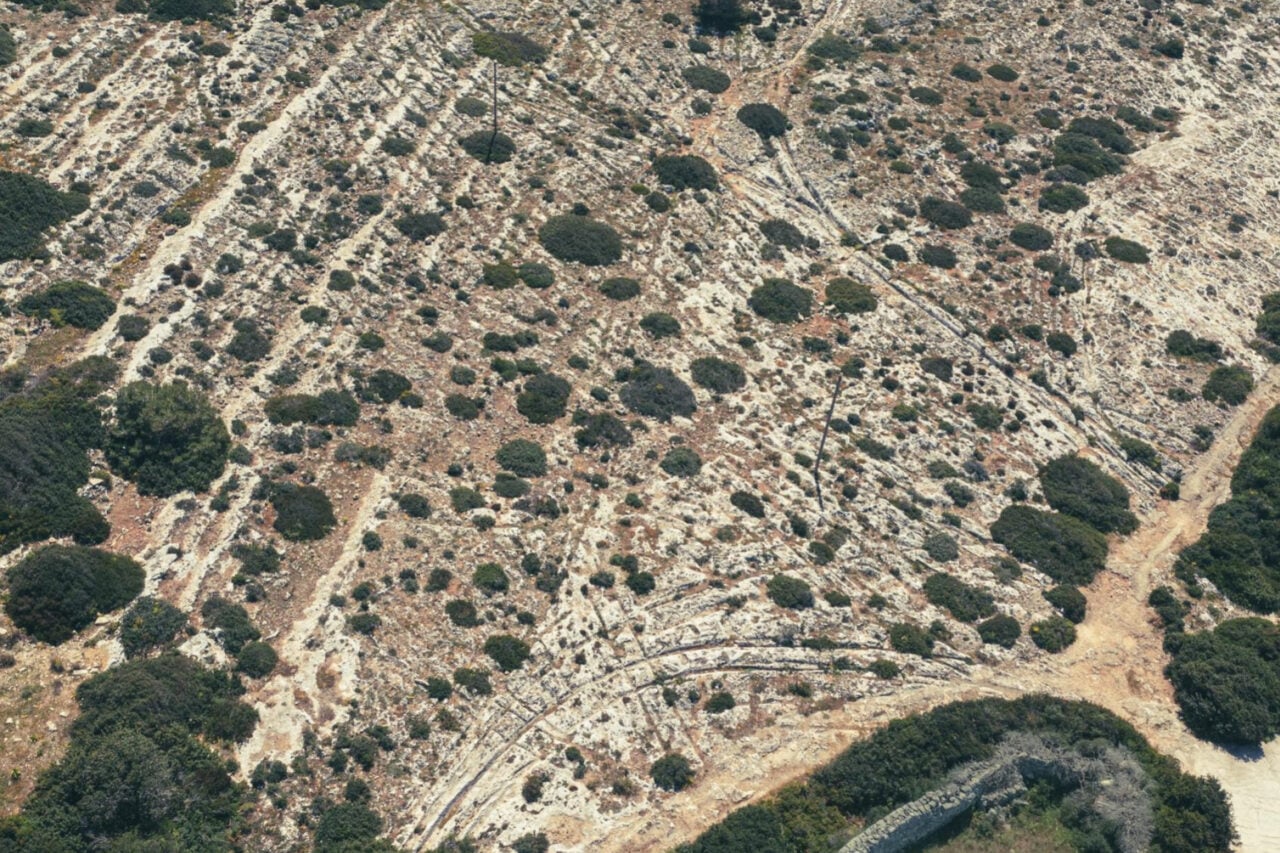
The study documented 2,628 distinct cart rut tracks across the Maltese archipelago, totaling approximately 31 miles (50 kilometers) in length.
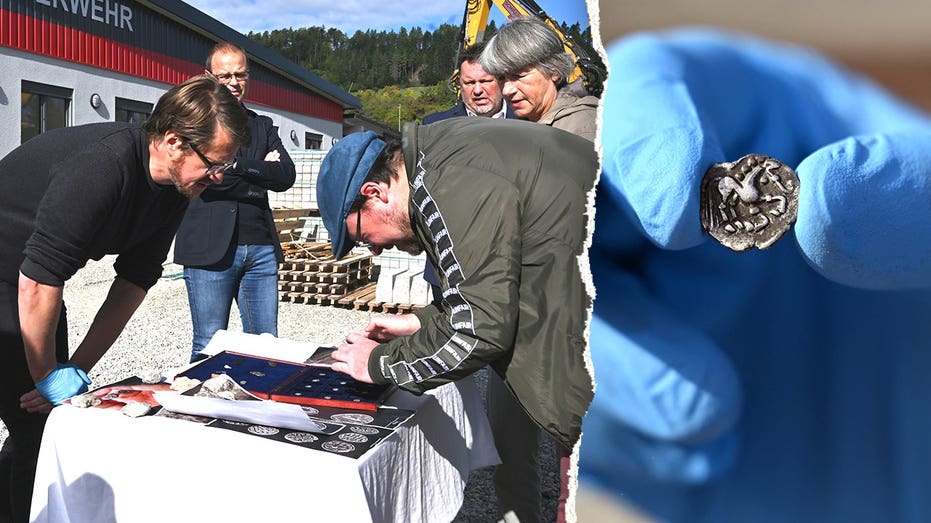
The hoard consists of eleven coins, which is the largest Celtic coin find from that period ever recorded in Thuringia.
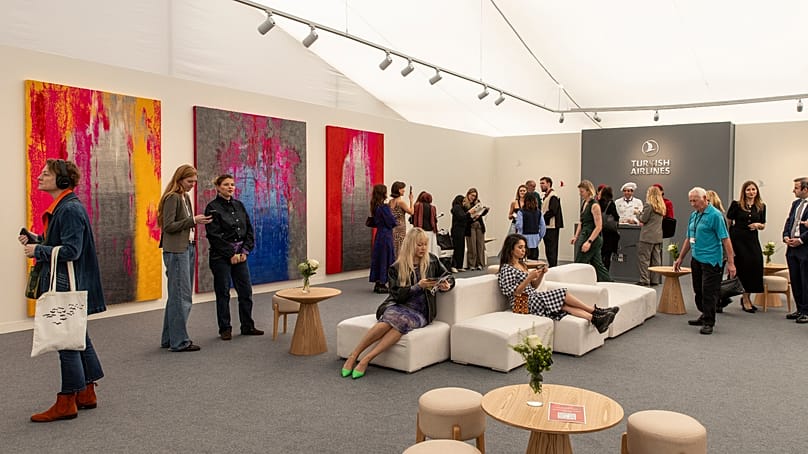
Mukazhanova began her ongoing Bosağa textile series in 2021, and presented a triptych at Frieze London 2026.
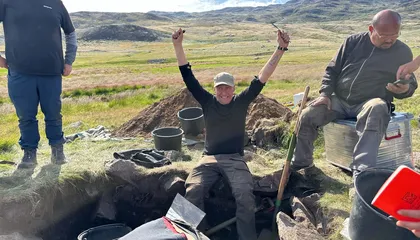
Researchers discovered a complete human skeleton buried with its head pointing east, confirming a Norse Christian burial dating to the Middle Ages.

The discovered statue features a 1.60-meter-tall head, adorned with the double crown symbolizing the pharaoh’s power.

The exhibition included a clay statue from Takht-i Sangin weighing 20 kilograms and standing 87 centimeters tall.

The song ‘Muévete’ included contributions from over 50 musicians and producers across three countries. India, Venezuela, and Chile.

Records of Chinese astronomical observations were “pretty exact” even as far back as the third or fourth century B.C.E.
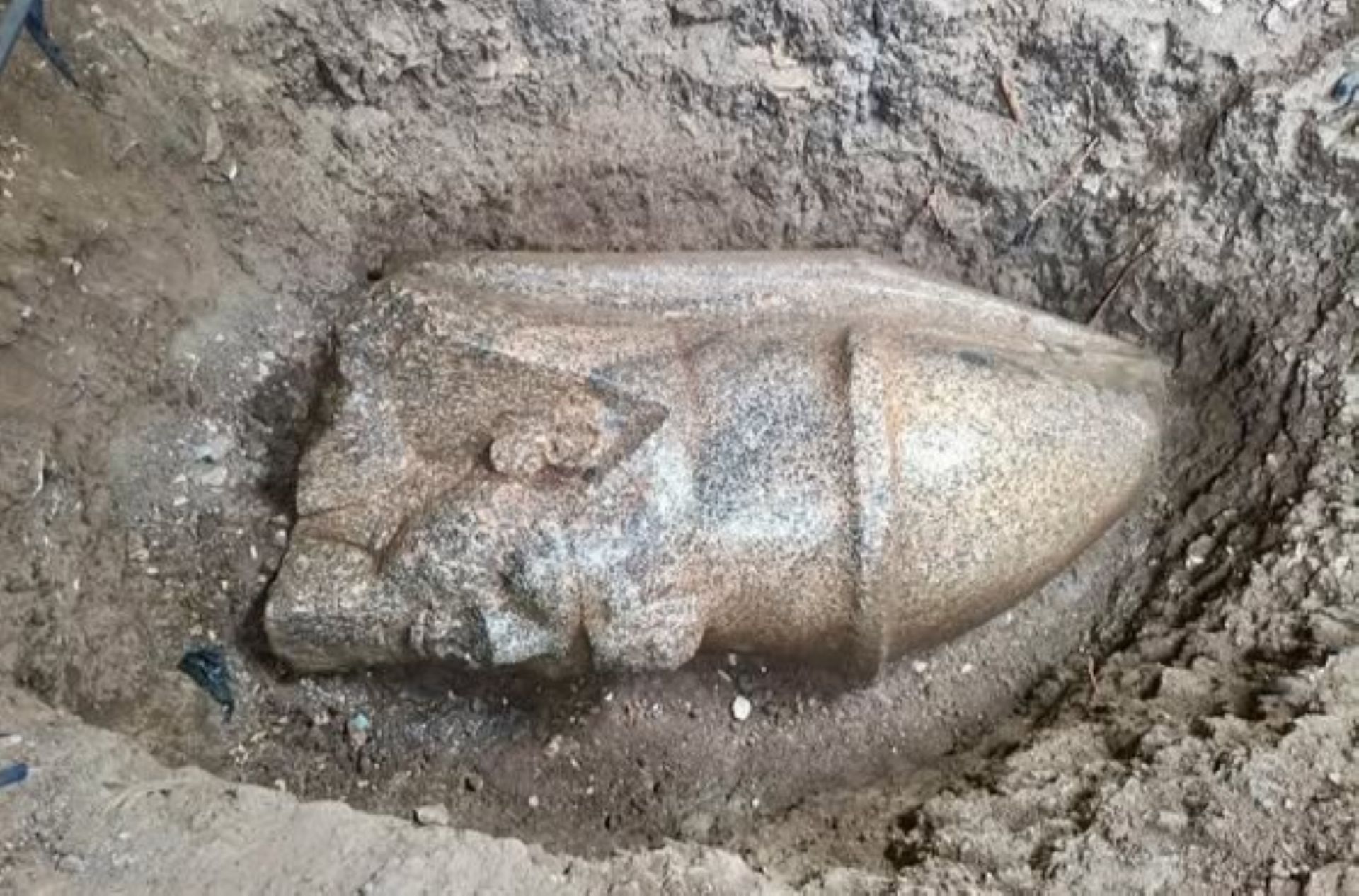
Archaeologists estimate one of the statues of Ramses II may have stood approximately 28 feet tall when complete.
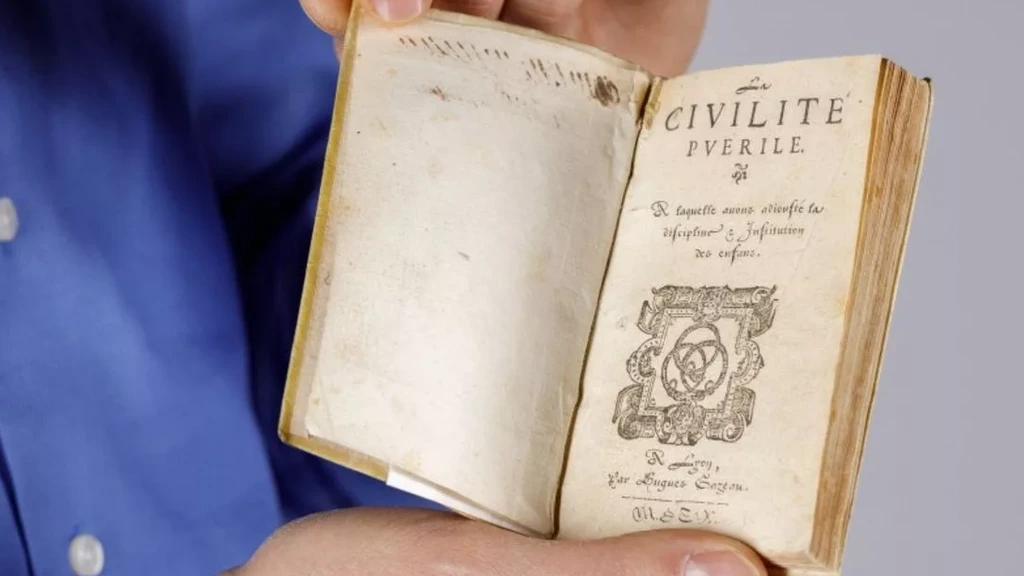
The rediscovered book, La civilité puerile, advises children to say "let daar goed op", pay attention, when someone sneezes.

Itiner-e’s digital atlas identified roughly 186,000 miles of Roman roads, a 59% increase over the 117,100 miles cataloged in the previous reference map.

Researchers found the remains dated to between 975 and 1025 AD, eliminating the Roman identified on the sarcophagus' inscription.
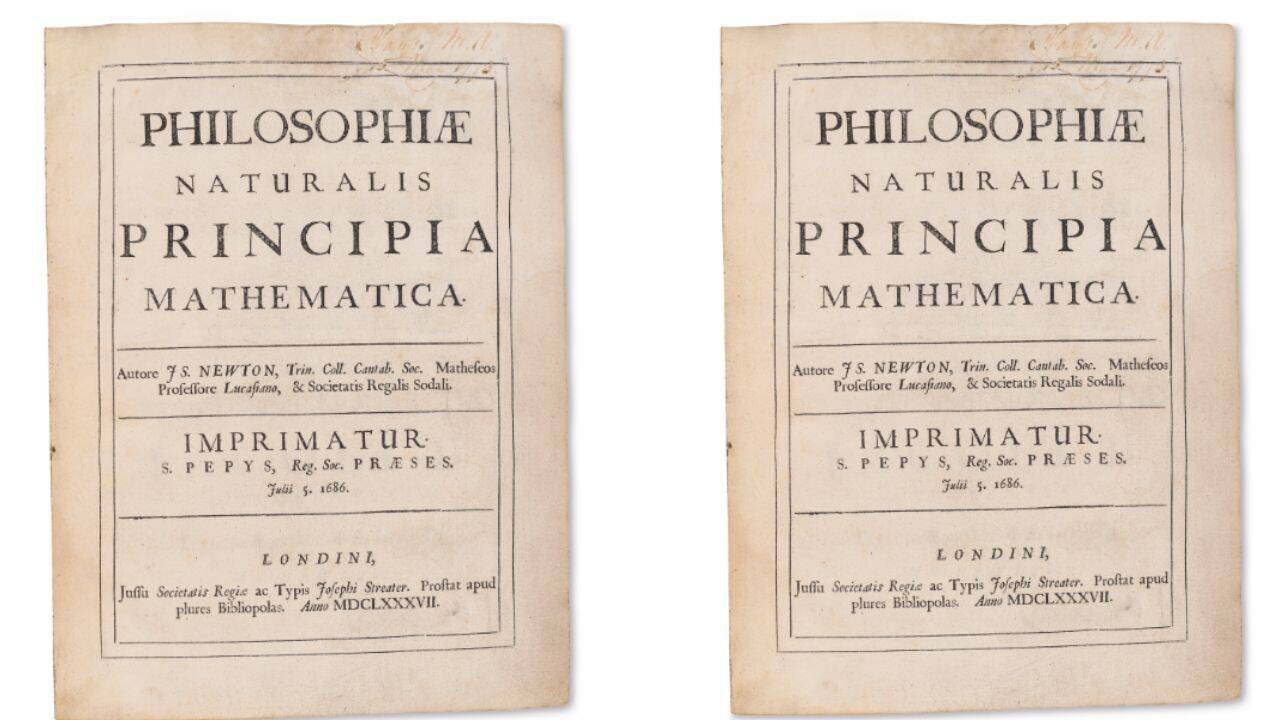
A first edition of Isaac Newton’s Principia sold for US$576,000 in 2026, equivalent to approximately Rs 5.49 crore.
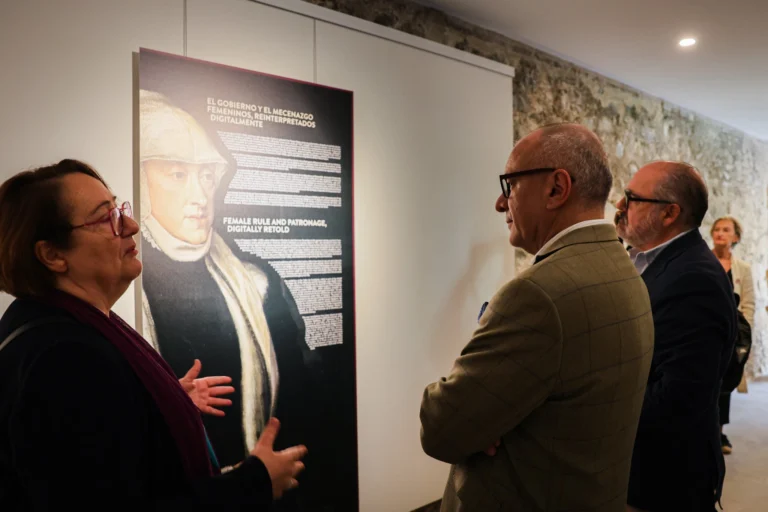
The digital exhibition recreates the now-vanished Palace of Binche, which Mary of Hungary developed into a center for art and culture.

Forgotten Island is the first American animated film to be set in the Philippines.

Wilfrid Scawen Blunt lived from 1840 to 1922 and served in the British diplomatic corps between 1858 and 1869.
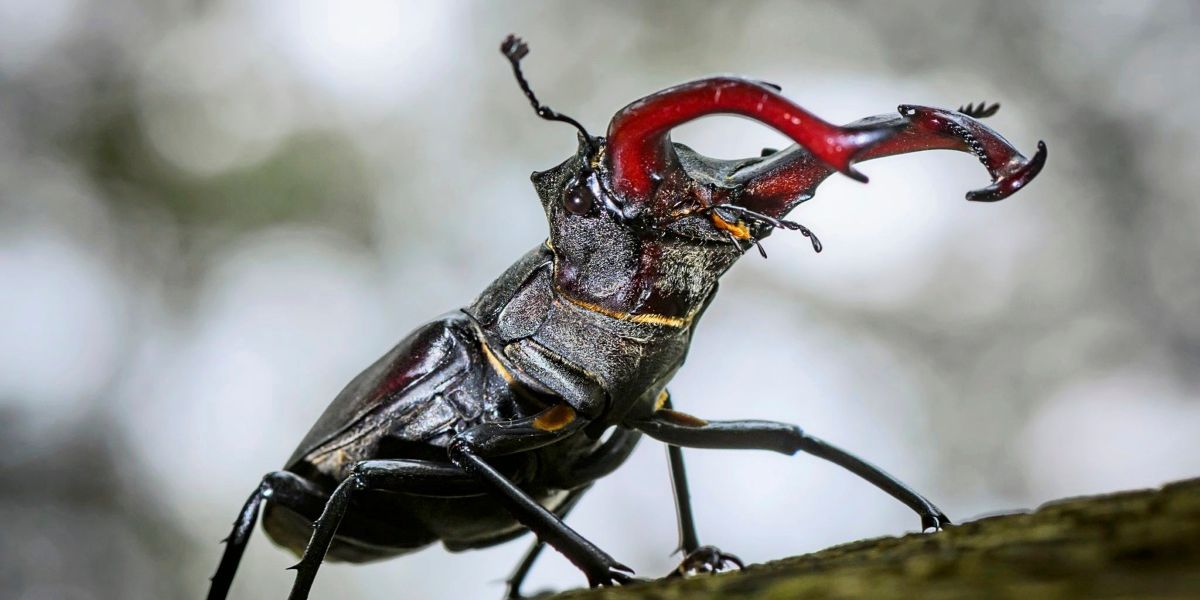
The newly discovered Lucanus apollon stag beetle measures almost five centimeters in length.

Approximately 400,000 people in the United Kingdom currently live with alopecia areata.

Researchers analyzed 79 fingerprints from terracotta warriors, estimating that 22.3% likely belonged to children under 15 years old.
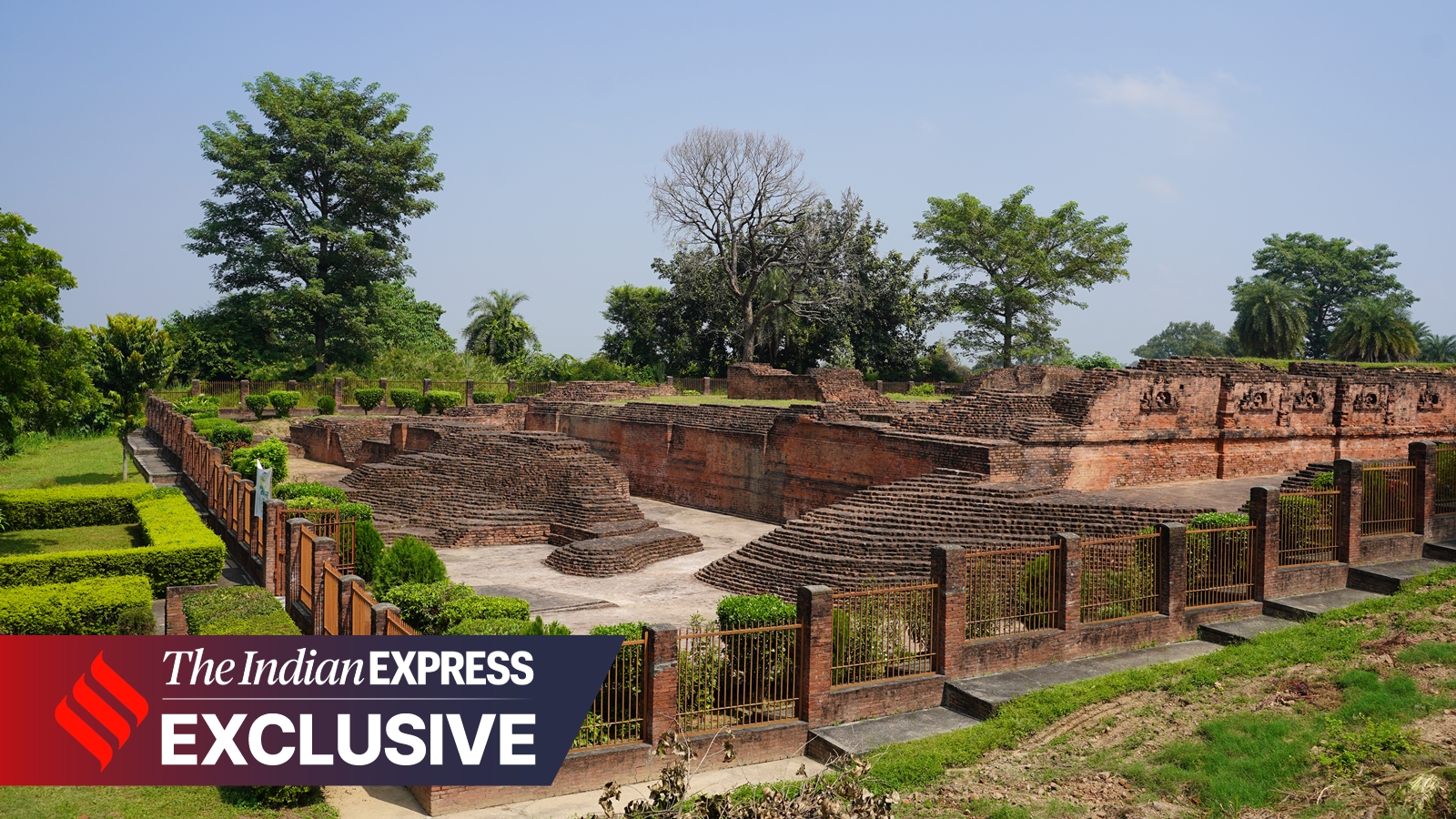
Excavations at Kashipur have uncovered artifacts dating back to the Painted Grey Ware period, associated with civilizations of northern India and the Mahabharata era.
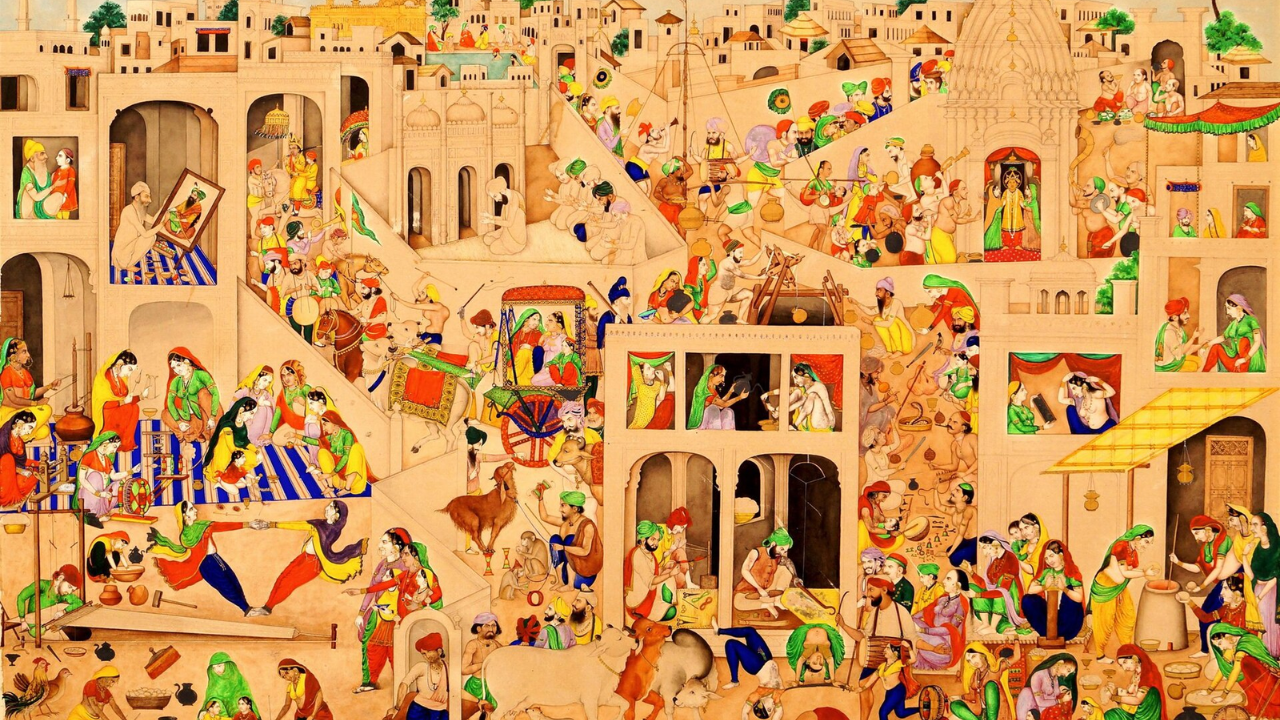
The painting, initially valued at £500 to £1,000, ultimately sold for £75,000 at auction, excluding the buyer's premium.
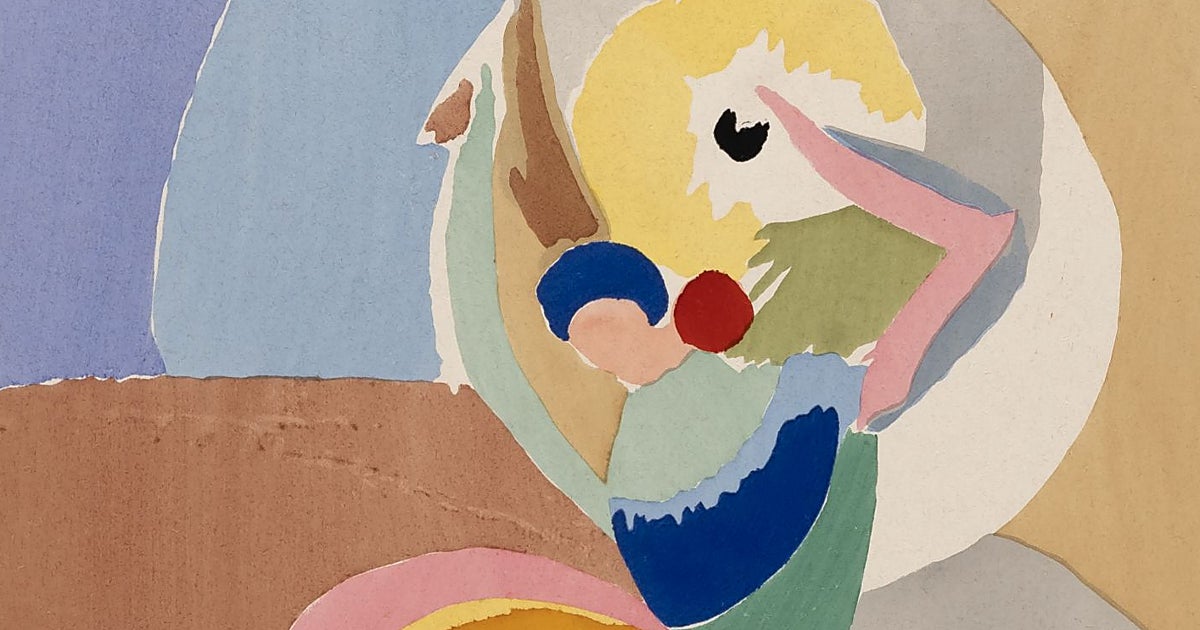
The exhibition featured over seventy artworks, but fewer than ten percent offered a critical perspective on Spanish stereotypes.

Researchers analyzed 67 individual cobras using nine genetic markers to map the species’ evolutionary history.
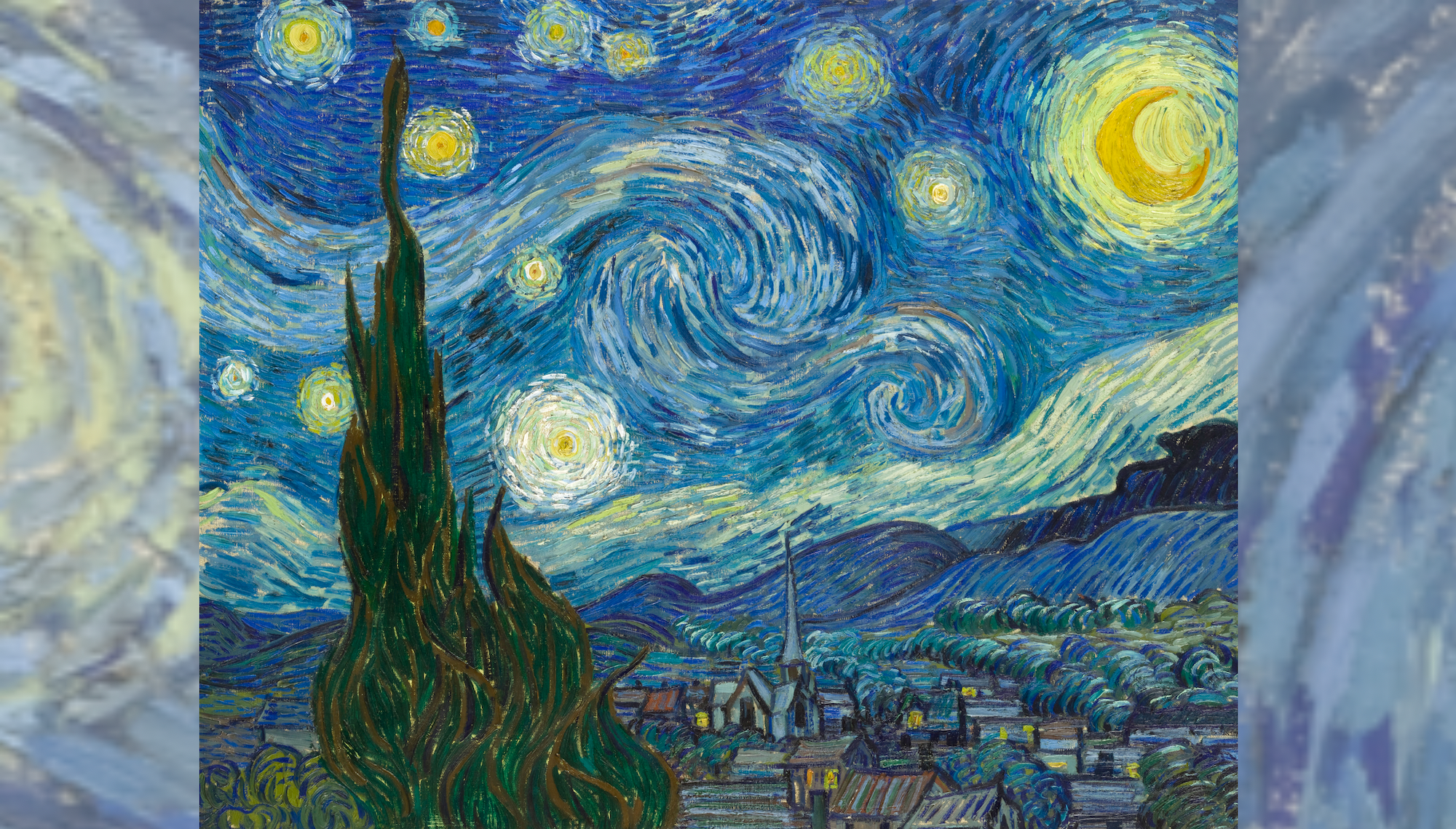
The Hyades star cluster, Venus, and a waning crescent moon would have been visible in the sky around dawn on July 22, 1889, matching the configuration in the painting.

The archaeological complex where the mechanism was found spans over 30 hectares and includes structures dating back to the 9th century BCE.

The tomb contained 32 ceramic objects, including vessels depicting scenes of sacrifice, battles, and deities.
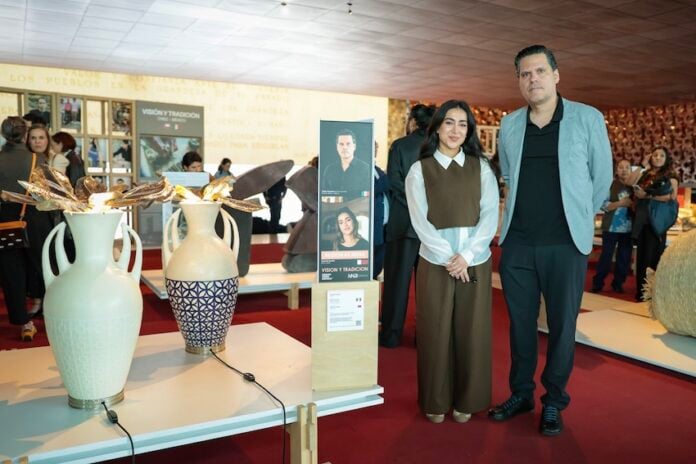
The exhibition features a vessel inspired by Nasrid pottery, a style that influenced Mexican pottery after the Spanish conquest.

Archaeologists have uncovered four successive Hellenistic period cultural layers at Kültepe-Kanesh, providing new insights into a historically understudied era of the settlement.
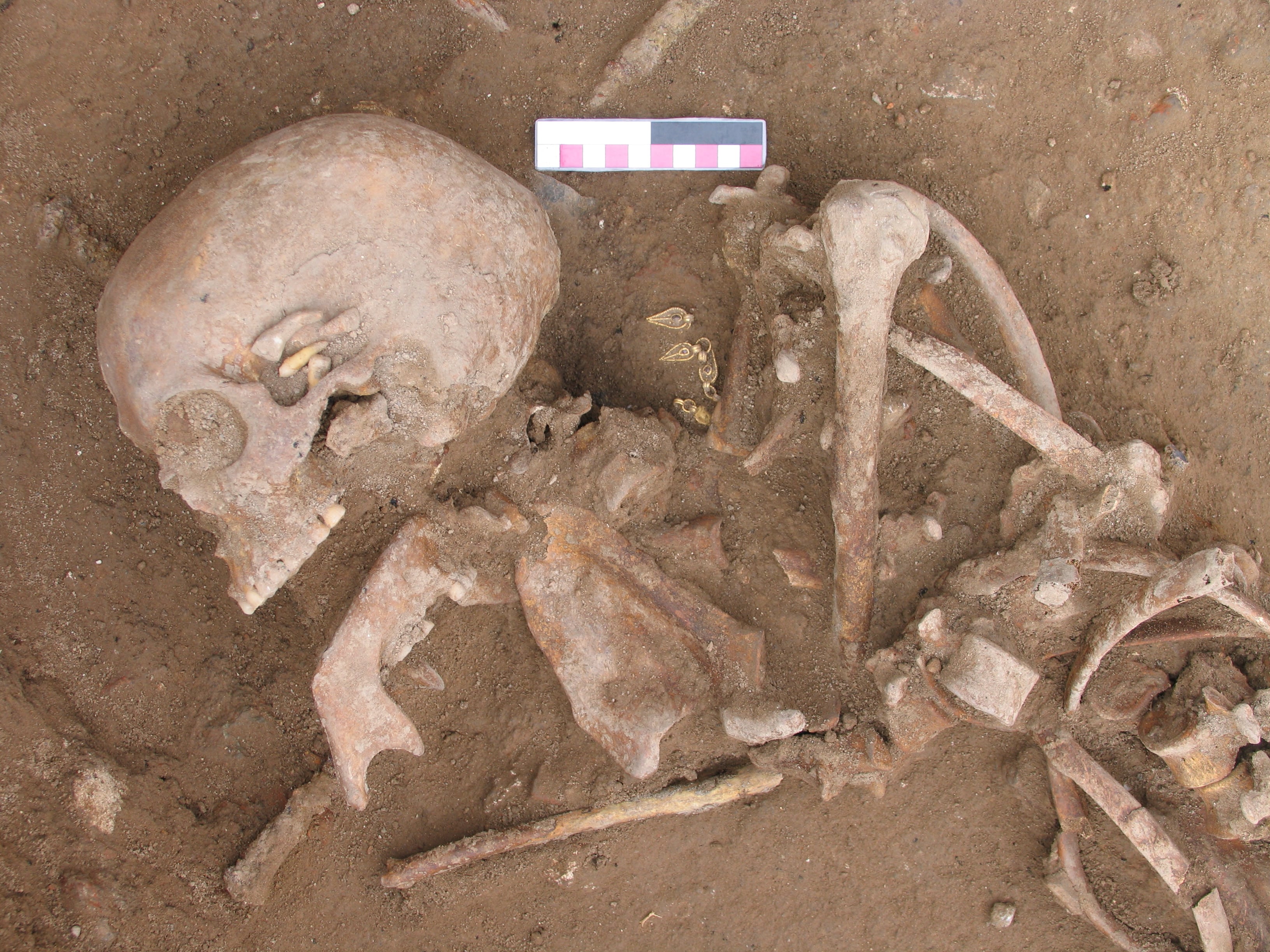
Scientists identified siblings buried 725 kilometers apart, the largest distance ever recorded between closely related people in a study of this kind.

Analyses of human remains at Machu Picchu indicate the complex was occupied as early as 1420, at least 20 years before traditional accounts place its establishment.
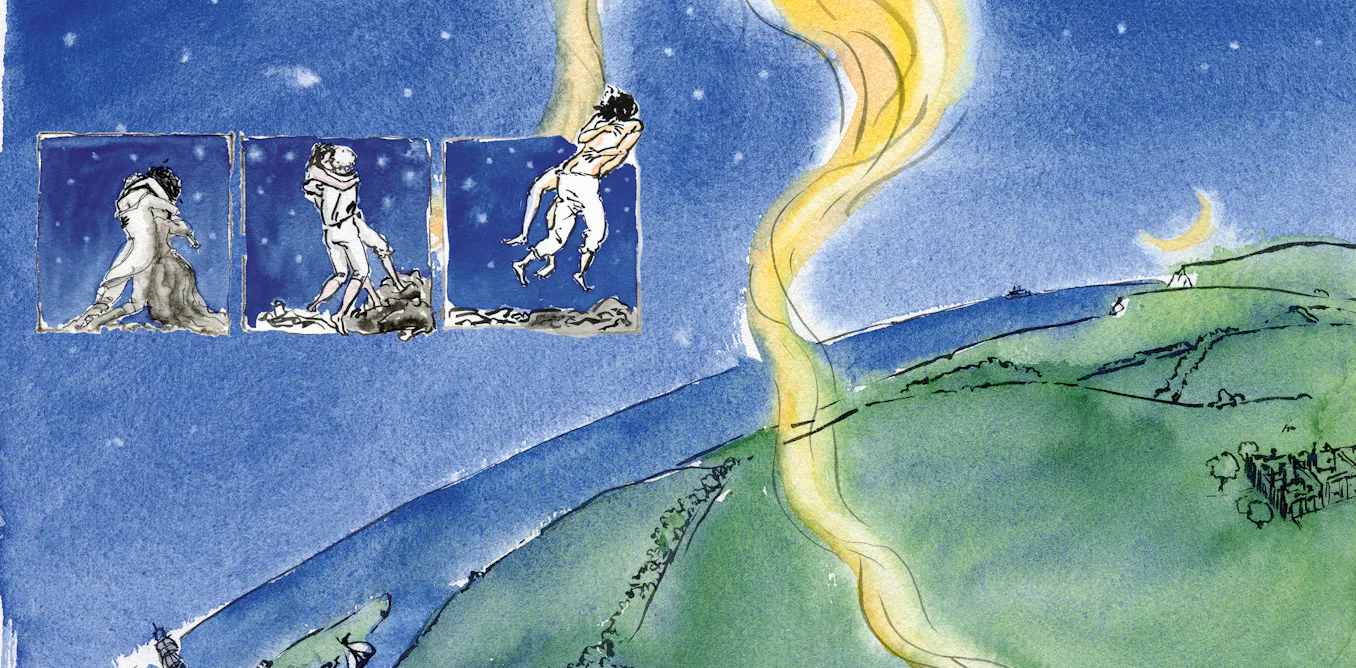
Virginia Woolf described Orlando as “the longest and most charming love letter in literature.”
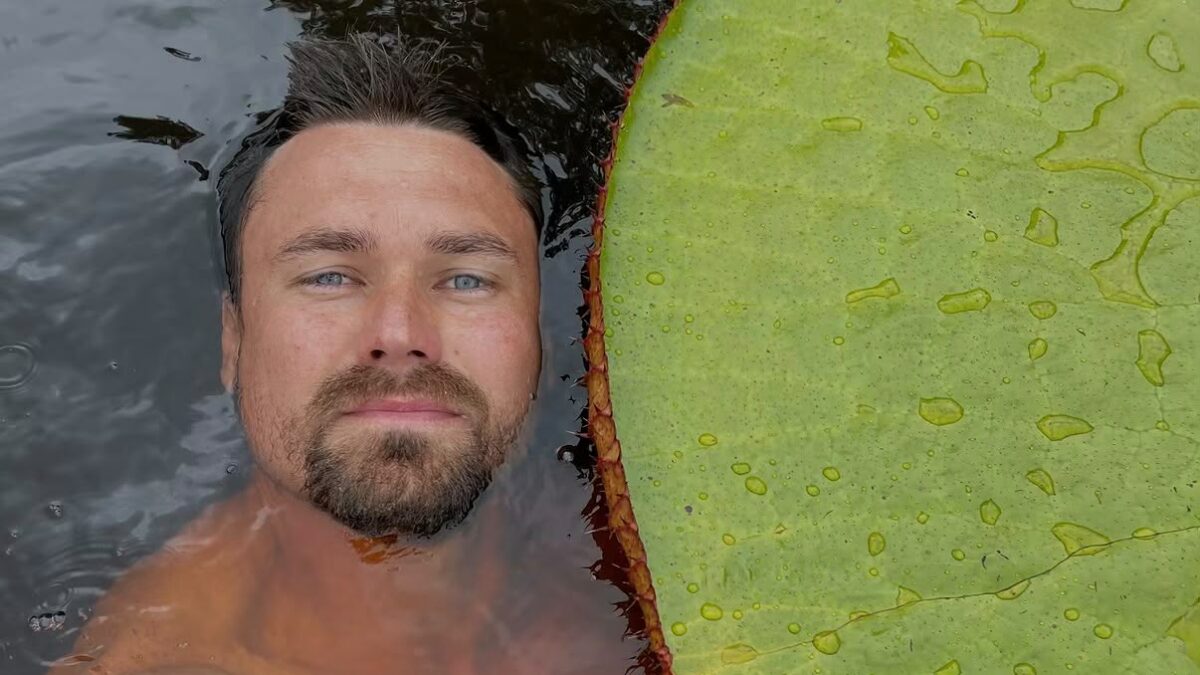
The team discovered only two initial specimens of the new water lily, but a local Indigenous person helped them find five more, including one in bloom.
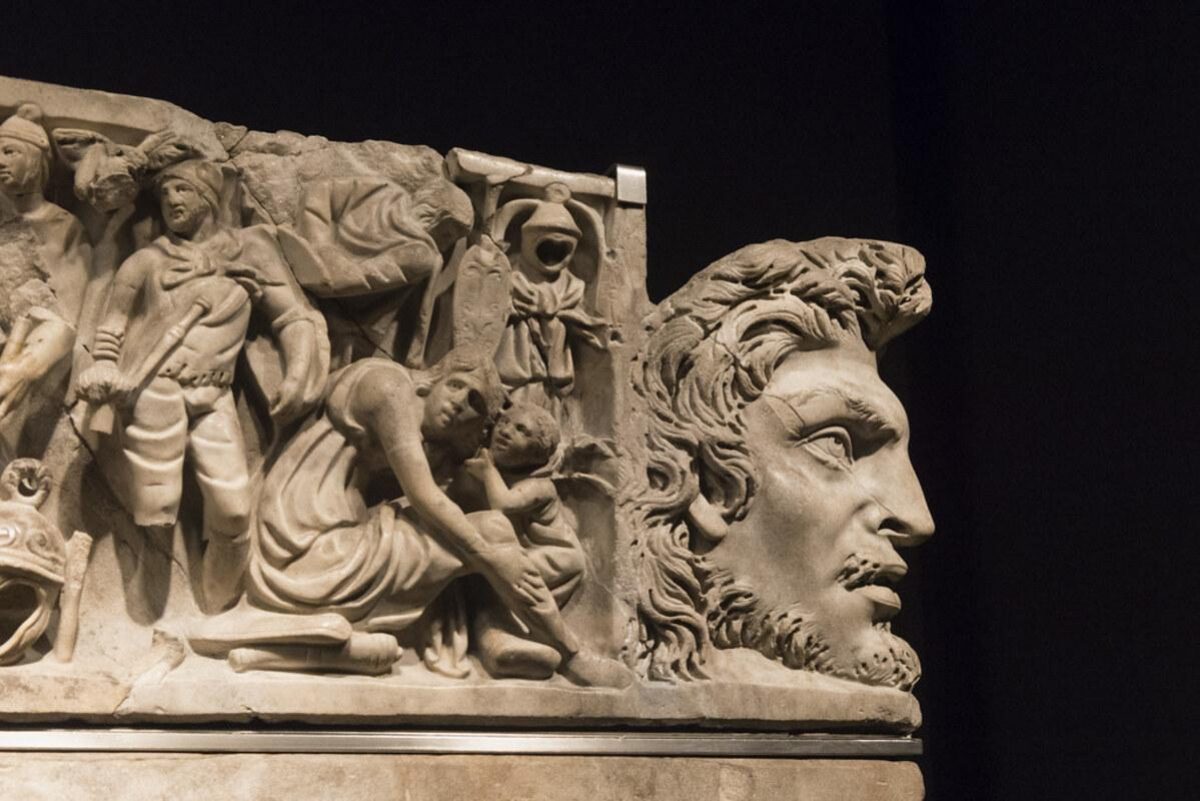
Radiocarbon dating showed the skeleton inside the Roman sarcophagus dated to the end of the 10th or the beginning of the 11th century.
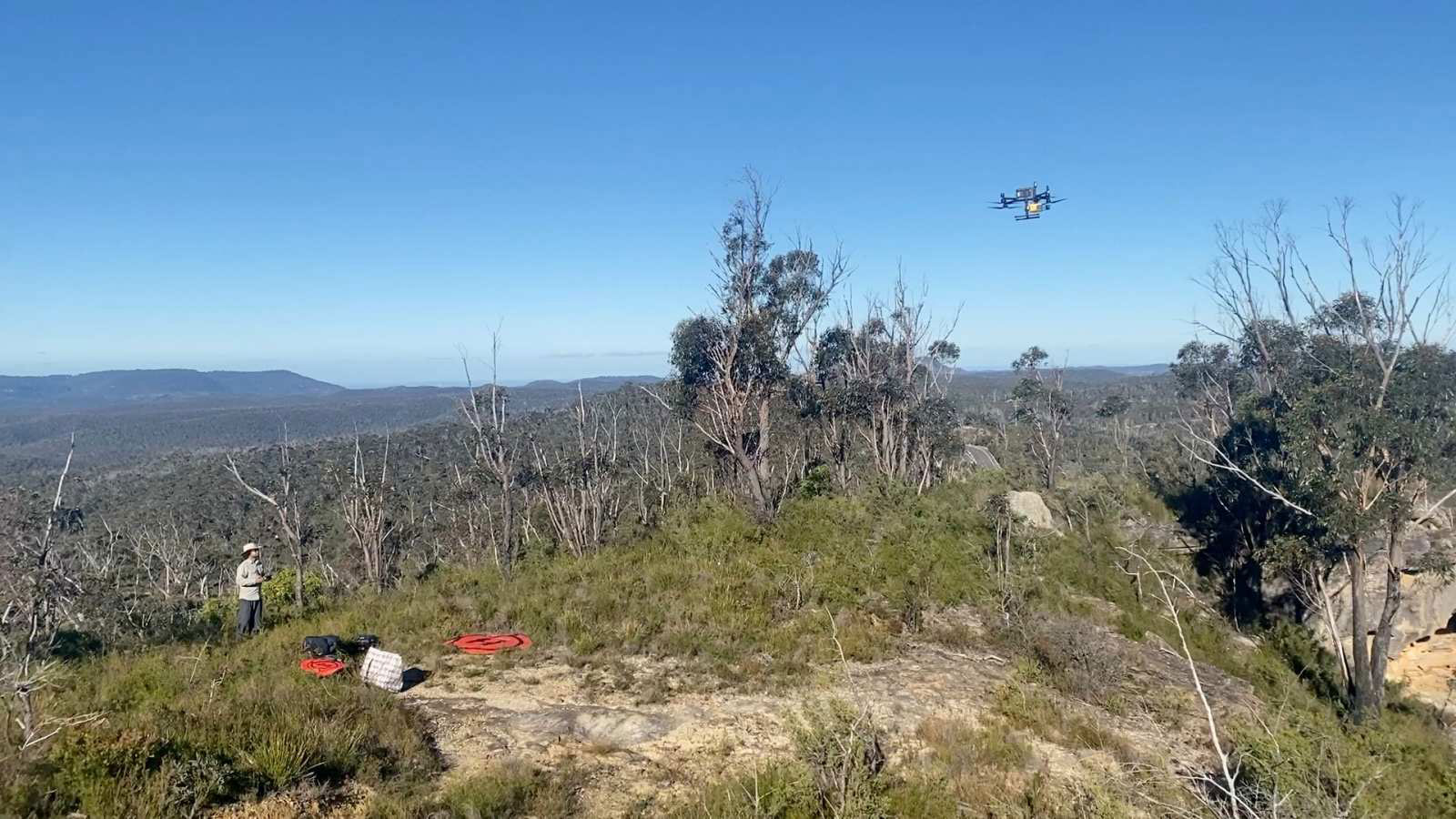
The drone survey located three new rock art shelters in addition to confirming the locations of six already registered sites.
The study integrated four environmental variables and a three-dimensional index to measure ICH recessiveness across 312 villages in Guizhou, China.

Alexandru Ioan Cuza University of Iași in Romania has over 2,000 registered Qwan Ki Do practitioners across more than 40 clubs.

Switzerland lost 5.5% of its total glacier volume this year, the second-biggest decline on record.
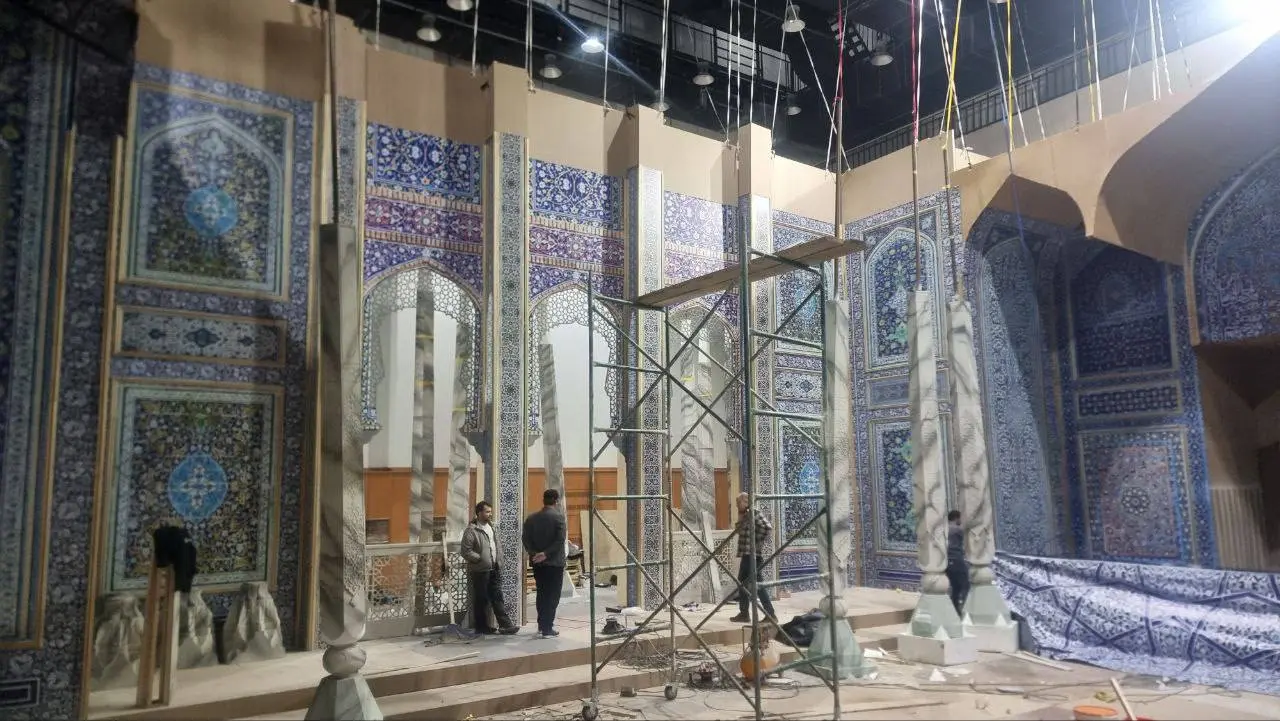
Filmmakers completed approximately 70% of the filming for Shining Stars: Jami and Navoi in Uzbekistan and the remaining 30% in Tajikistan.

The Minh Tơ - Thanh Tòng family has performed Câu thơ yên ngựa in France twice, 40 years apart.

Generative AI allows people to produce sophisticated works of art without undergoing the cognitive and emotional development previously required to realize them.

Researchers extracted complete genetic sequences from as little as 20 bone fragments, some of which were only small splinters.

Chironomids, tiny insects whose remains accumulate in lake sediments, allowed researchers to estimate past July temperatures with a resolution reaching back 16,000 years.

Rudder drew from ancient rhetorician Quintilian and Virgil’s poetic meter to understand Latin pronunciation.

Researchers identified 23 segments of “Edward III” written by Shakespeare and 9 segments by Christopher Marlowe through computational linguistic analysis.

The head of one statue measures approximately 1.6 meters in height.
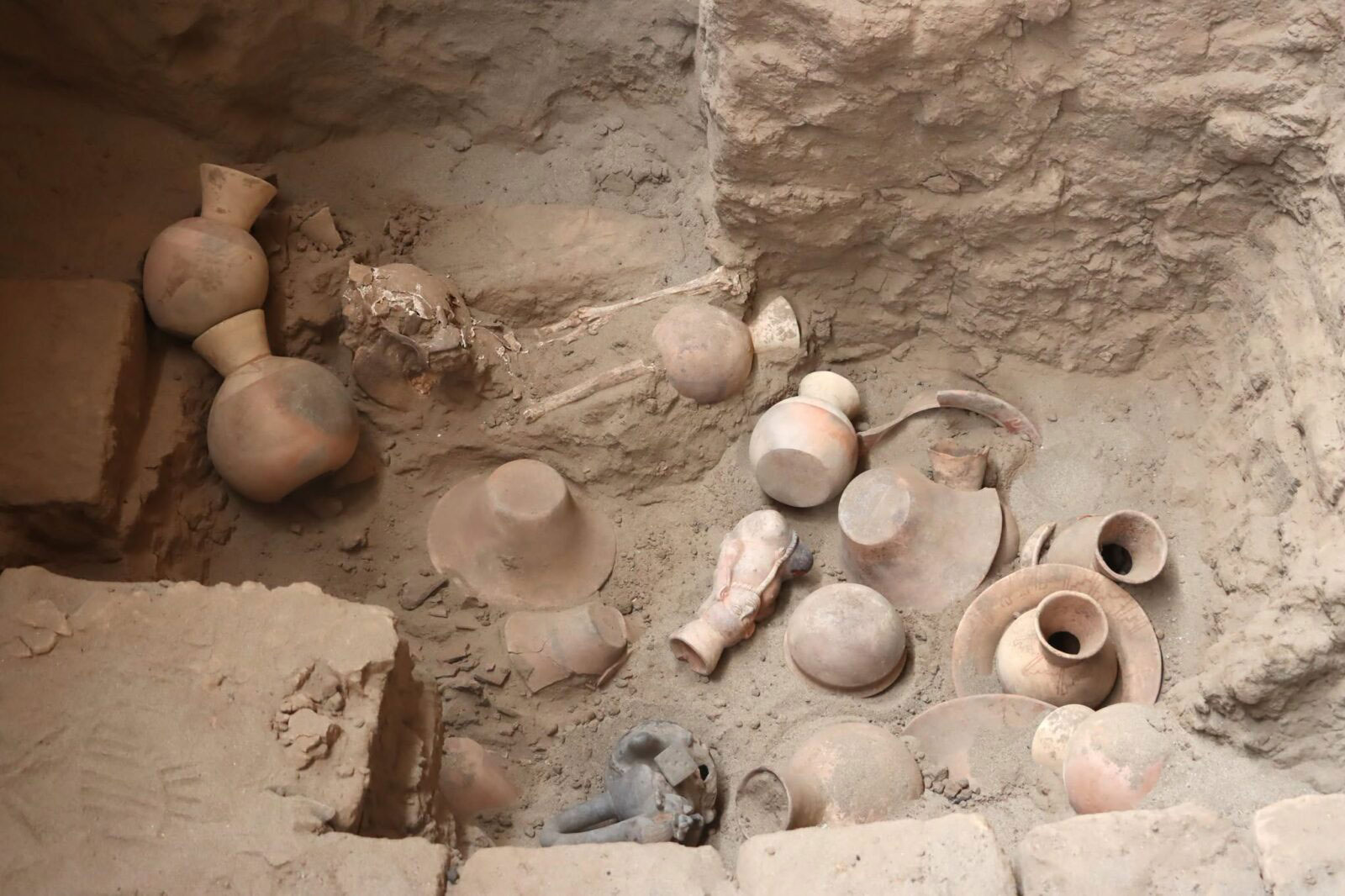
The burial included more than 30 ceramic objects depicting scenes of Moche life and beliefs.

The Norellraptor barsboldi fossil shows the dinosaur had feathers preserved well enough to reveal it was approximately three years old at the time of its death.

Between the 12th and 15th centuries, Portugal saw a clear difference from much of Europe in its delayed implementation of persecution against Jewish people.

Researchers identified an average of 3 to 4 microplastics per liter of water in the Mekong River during their 2022 sampling.

The collection currently contains over 2000 samples representing approximately 300 fish species from the Madre de Dios region.

Jane Austen received 150 pounds for the publication of Sense and Sensibility, which would be approximately 18,000 euros today.

Filmmaker Bharatbala Ganapathy’s documentary “Ram-Nami” received the Best Documentary award at the 72nd National Film Awards.

Sir Edmund Hillary’s jet boat expedition up the Ganges River in 1977 drew crowds estimated to exceed New Zealand’s entire population of three million people.
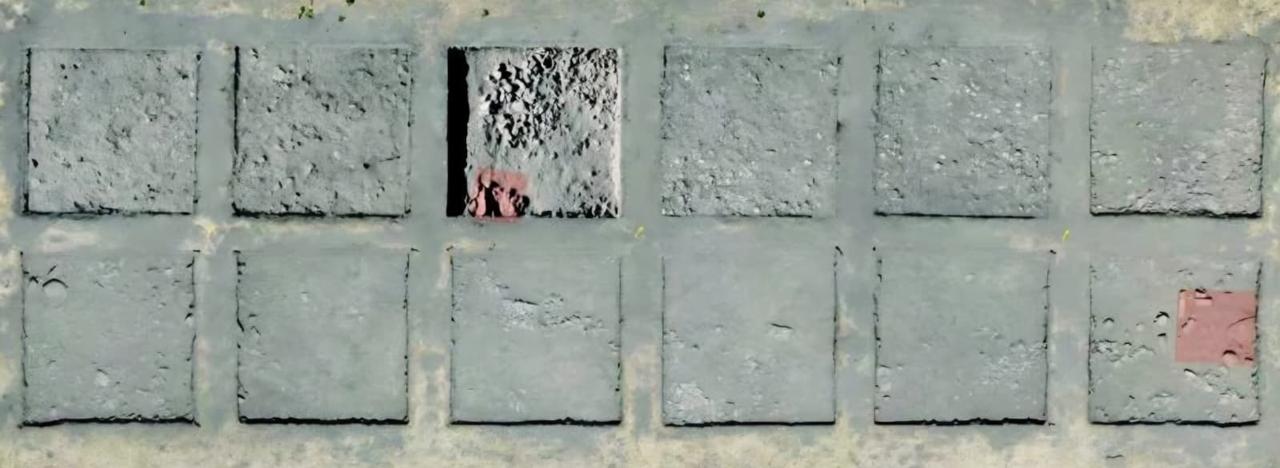
The largest surviving section of the mosaic floor at Kültepe-Kanesh measures around five feet square.

Mahama constructed three art centers in his hometown of Tamale, Ghana, including the Savannah Centre for Contemporary Art, the Red Clay Studio, and Nkrumah Volini.
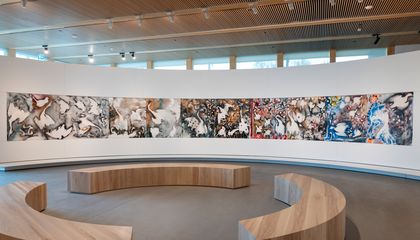
The Espace Riopelle-Michael Audain Pavilion spans nearly 54,000 square-feet and overlooks both the Plains of Abraham and the St. Lawrence River.

The exhibition showcased approximately 25 mixed-media works created by artists from South Korea and India.

Researchers identified DNA from 121 native plant species and nine animal taxa in Greenlandic lake sediments.

Seven notebooks filled with Isao Takahata’s creative notes for Grave of the Fireflies were found in his garage after his death in 2019.

Morichales can capture up to 590.8 metric tons of carbon per hectare, making them among the most effective ecosystems for carbon sequestration.

Imayam’s novel Noiputtru meticulously documents the lives of patients with leprosy in a 1960s Tamil Nadu leprosarium, including detailed descriptions of their physical disfigurement.

The art discovered in South India dates back to a period before the veena became a standard element in depictions of Saraswati.
The discovered grooves may be linked to Neolithic-period activities dating back approximately 7,000 years.

The researchers found the angle between the moon and Venus, the moon’s shape, and the position of the Hyades star cluster at 3 AM on July 22nd most closely matched the restored field of view in the painting.

Researchers identified differences in the length of sponge birotules, internal skeletal structures, between the two cenotes, with those in Sabak-Ha measuring 44.65 to 72.96 micrometers, compared to 32.66 to 43.15 micrometers in Suhem.

In the 16th-century Mughal Empire in India, the majority of the population was Hindu and the rulers often married people of that faith.
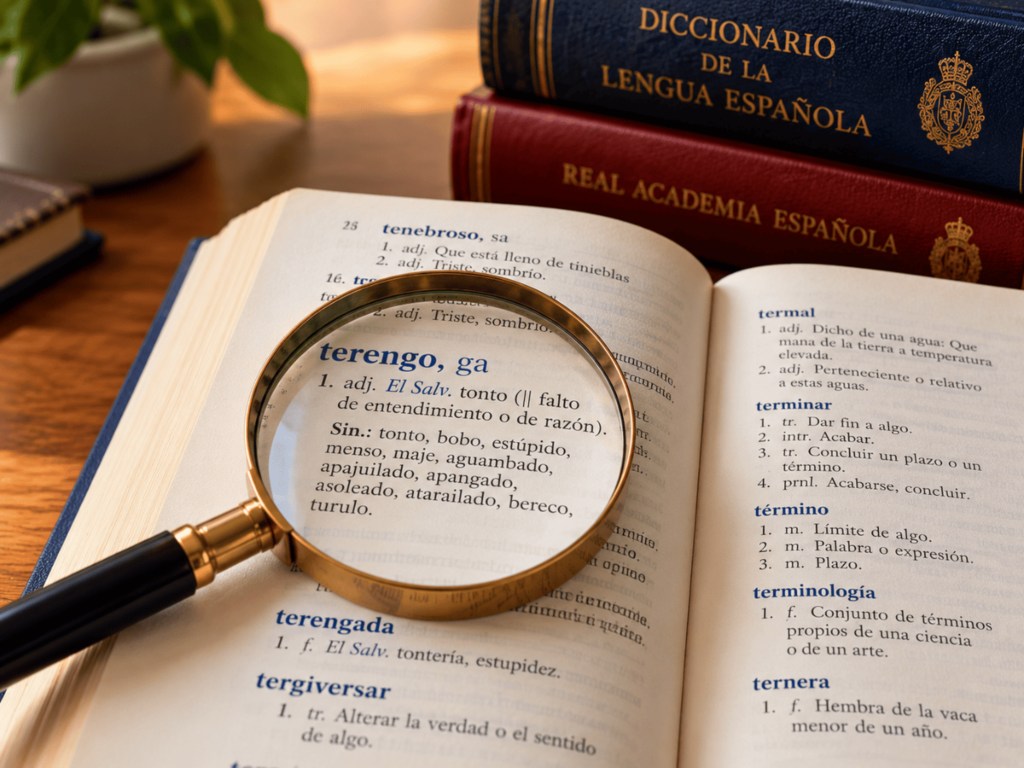
The Dictionary of Americanisms contains around 70,000 words and 120,000 definitions of terms used throughout the Americas.

Martha Graham’s dance company first performed in Greece 62 years ago, and her work has inspired generations of dancers since the 1970s.

The exhibit features the Gemma Augustea, a carved onyx cameo created between 9 and 12 AD that entered Habsburg possession in the 16th century.

The painting sold for £63,500, exceeding the auction house’s upper estimate by £13,500.

The Black Death caused plant diversity in Europe to fall for 150 years, with biodiversity only beginning to rise again as human populations recovered.

The system analyzes texts by embedding them into a shared digital space, revealing how semantic structures align with documented historical relationships between cultures.
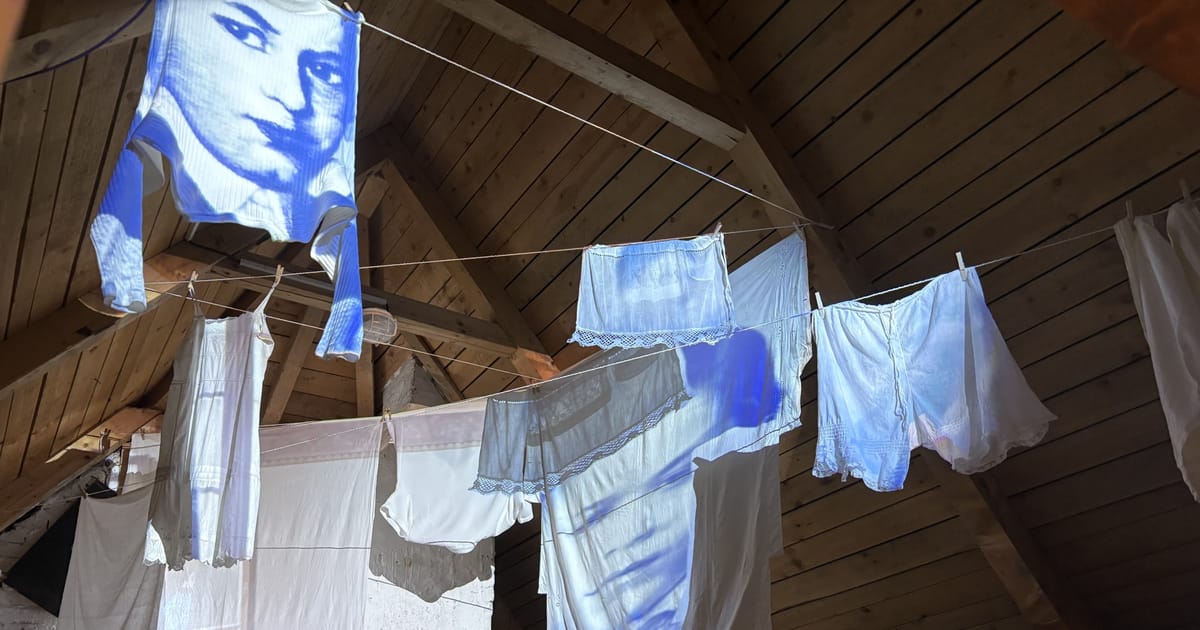
The exhibition features a book Freud received as a school prize at age 12, donated by his great-grandson, making it the only object in the exhibition Freud is known to have held.

The fingerprints found on the Terracotta Army warriors are over 2,200 years old.

Experts in Germany excavated more than 900 silver coins, the largest collection of its kind discovered in the country.
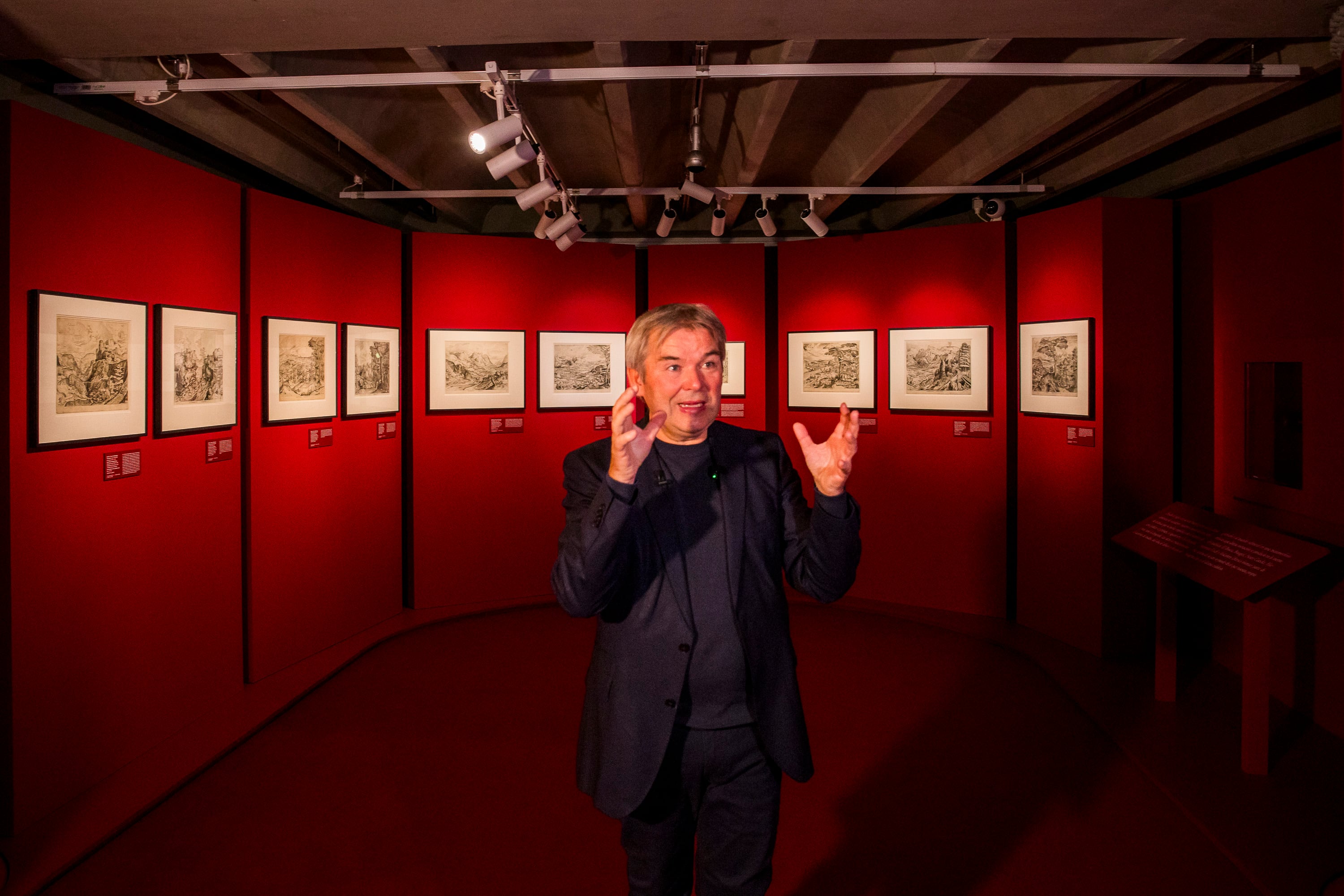
The Garden of Earthly Delights is the most visited work at the Museo del Prado museum.
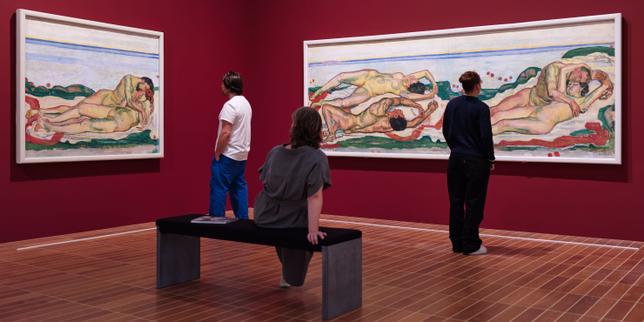
Gertrud Dübi-Müller started building her art collection at 18 or 19 years old, acquiring a Van Gogh portrait in 1907 or 1908.

The dataset includes 147 Black women who have earned doctoral degrees in mathematics and related fields in the United States.

The ENDOW project gathered data from 50 communities spanning 29 countries, creating a uniquely diverse dataset for studying social networks.

The study pinpointed a specific date, July 22, 1889, when the night sky matched the depiction in “The Starry Night,” based on the positions of stars, Venus, and the moon.
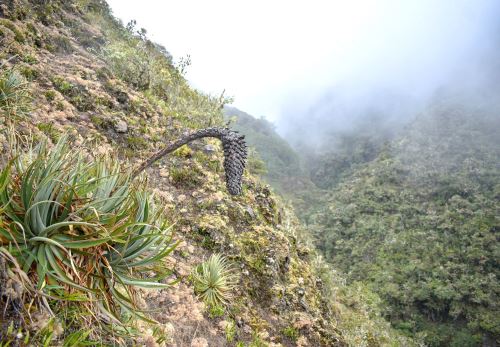
The newly discovered plant, Puya ukumari, can grow up to two meters in height and features petals so dark blue they appear nearly black.

The upcoming exhibit will feature approximately 100 objects loaned from museums in six countries, including the United States, the United Kingdom, and France.
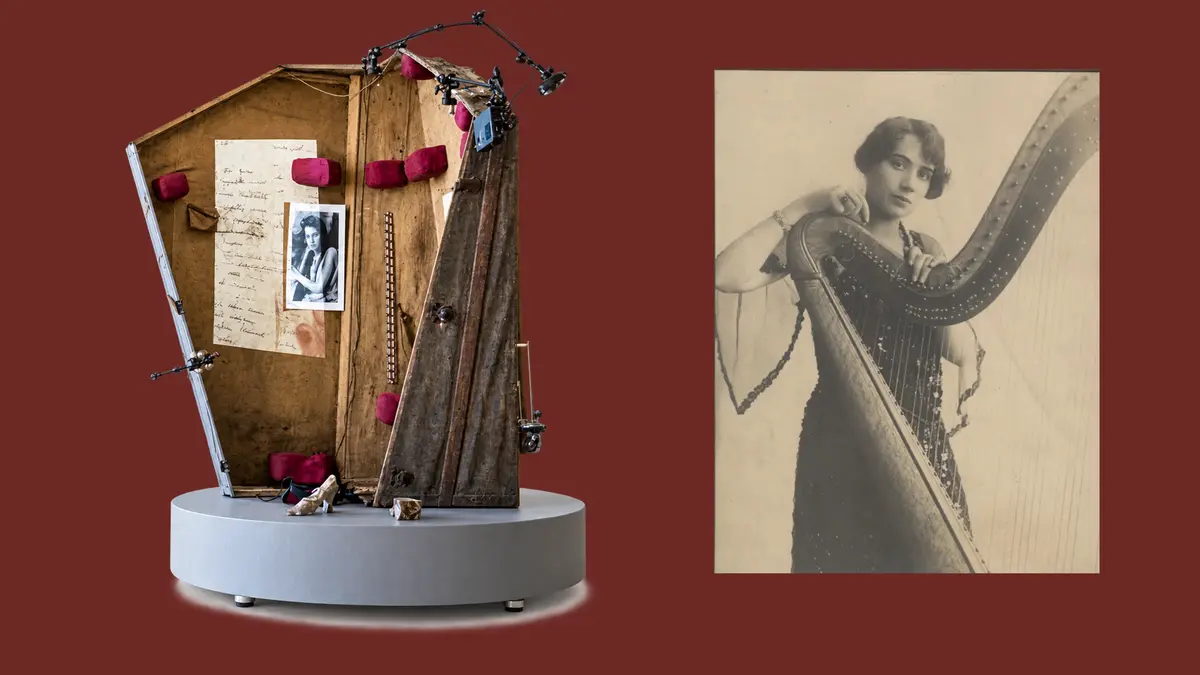
Steffy Goldner played harp with the New York Philharmonic for ten years before the orchestra hired another woman, 34 years after she left.

India ranks lowest in vegetable productivity (tonnes/hectare) among the top five vegetable-producing countries, despite being the second-highest producer globally.
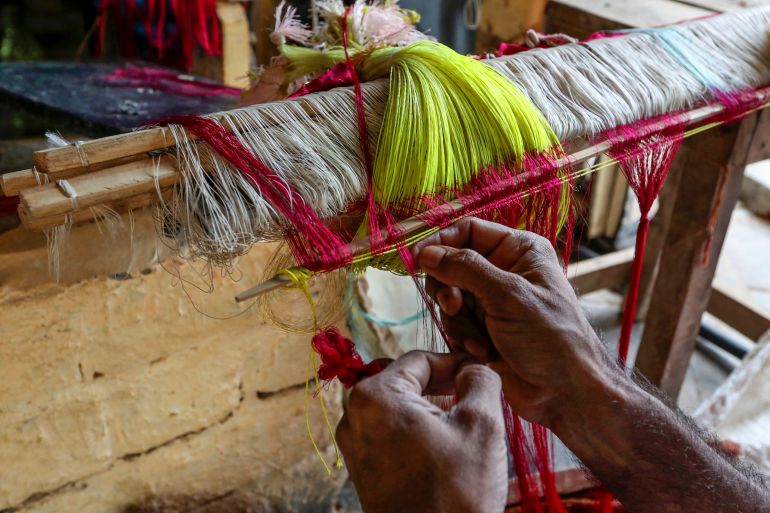
Tata Consultancy Services showcased Bridgital Loom, an AI system that can convert textile designs into loom-ready instructions, claiming a new weaver typically takes 15 years to master the art.

Peru contributed 46 varieties of kiwicha to the Svalbard Global Seed Vault, along with 20 varieties of quinoa.

The restored statues’ inscriptions identified the sculptor Shunkei and his son, Shunjo, as creators during the Muromachi period.
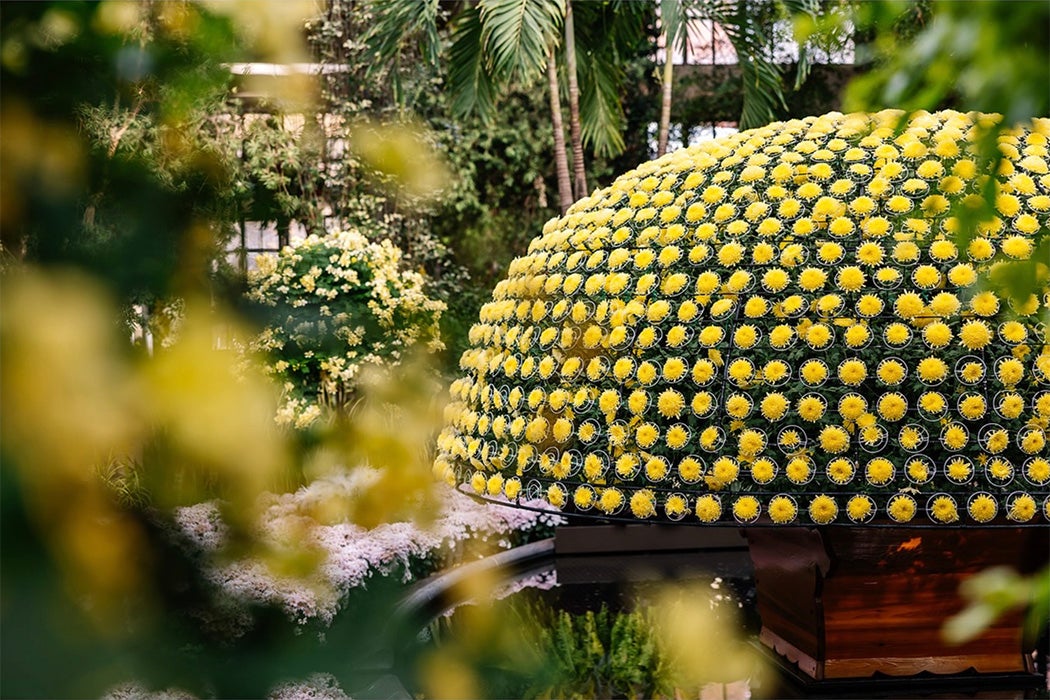
Longwood Gardens grew a single chrysanthemum plant with 1,542 blooms, the largest ever produced outside of Japan.
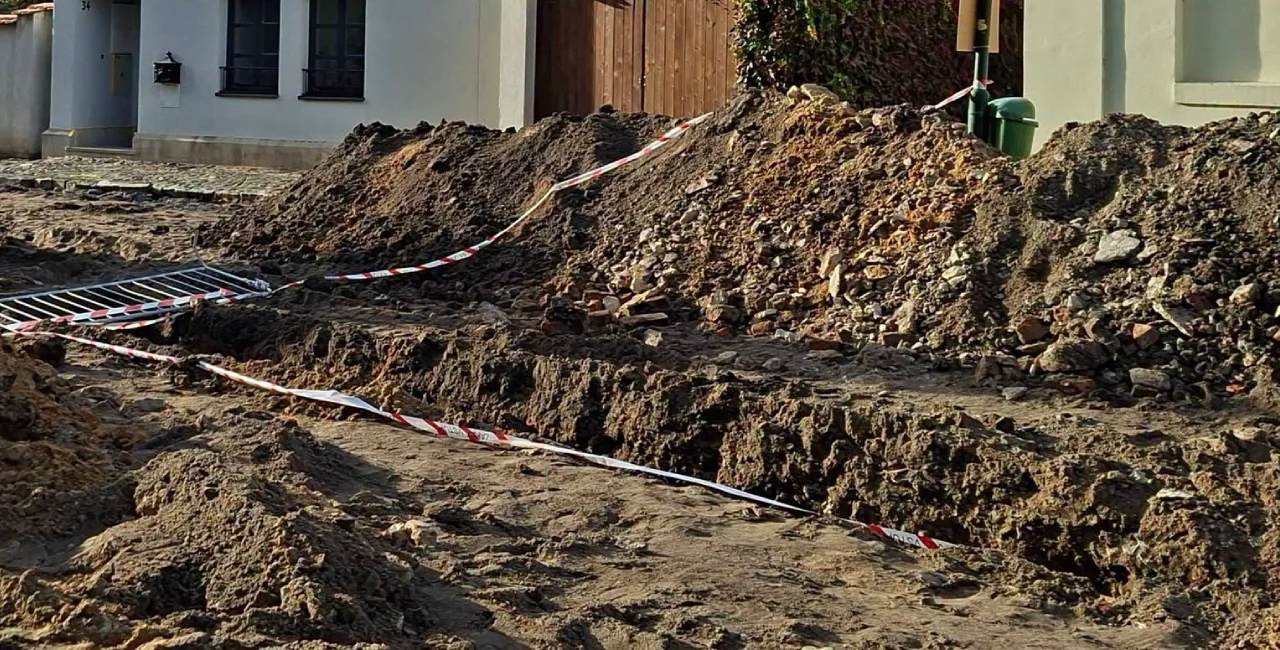
Excavations revealed a roughly 10-centimeter layer of burned human bones alongside scattered remains and cemetery wall sections.

Both Gibbs and Einstein independently defined temperature as the quantity that equalises when systems exchange energy, characterizing equilibrium without kinetic theory.

Scientists are creating a 3D database of ancient Turkic sculptures with collaborators from Kyrgyzstan and Russia.
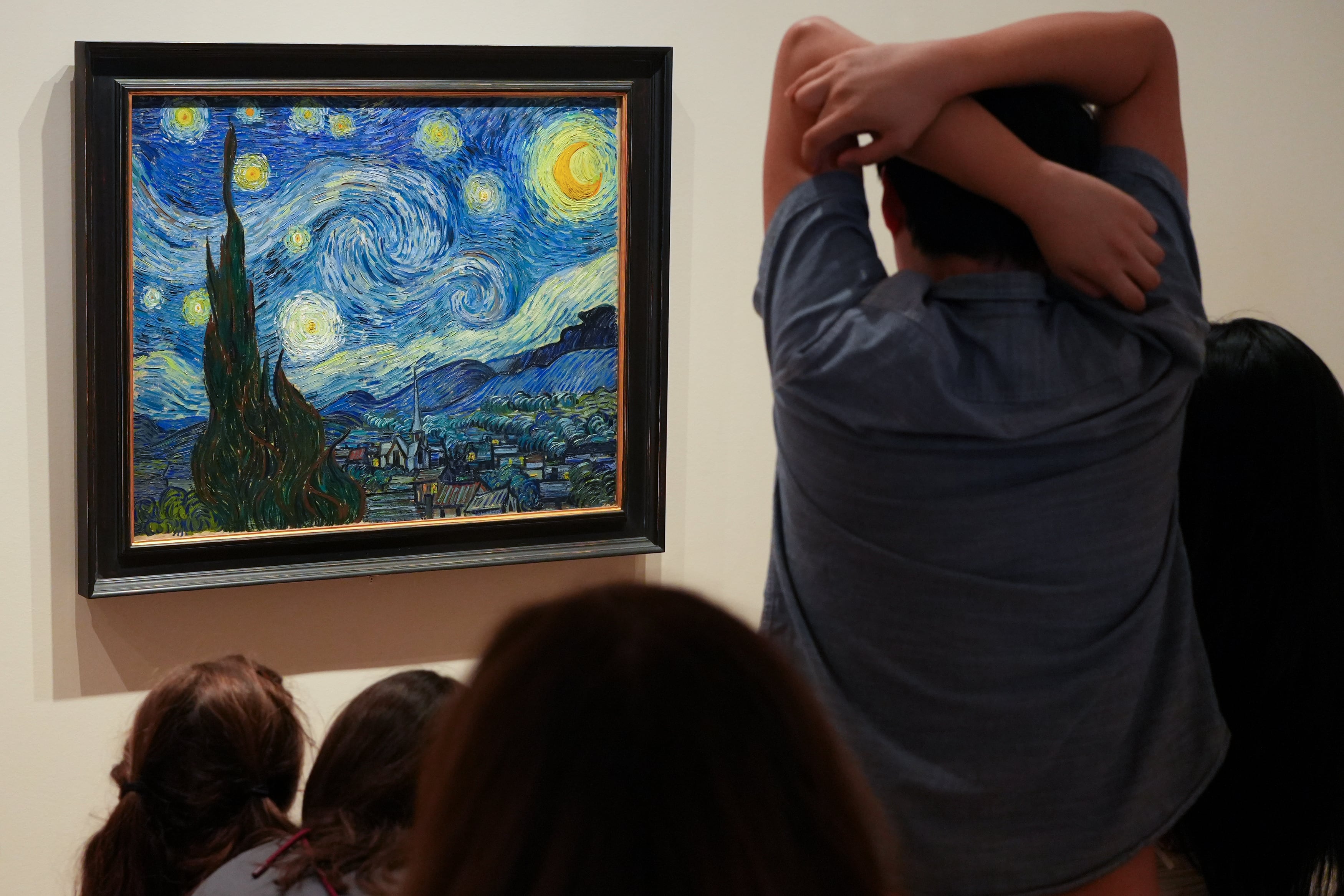
Researchers pinpointed the date of Van Gogh's observation to the early morning hours of July 22, 1889, by matching celestial bodies in the painting to astronomical positions.

The monument contains a capsule holding 100 unopened letters detailing children’s experiences with racism and discrimination.
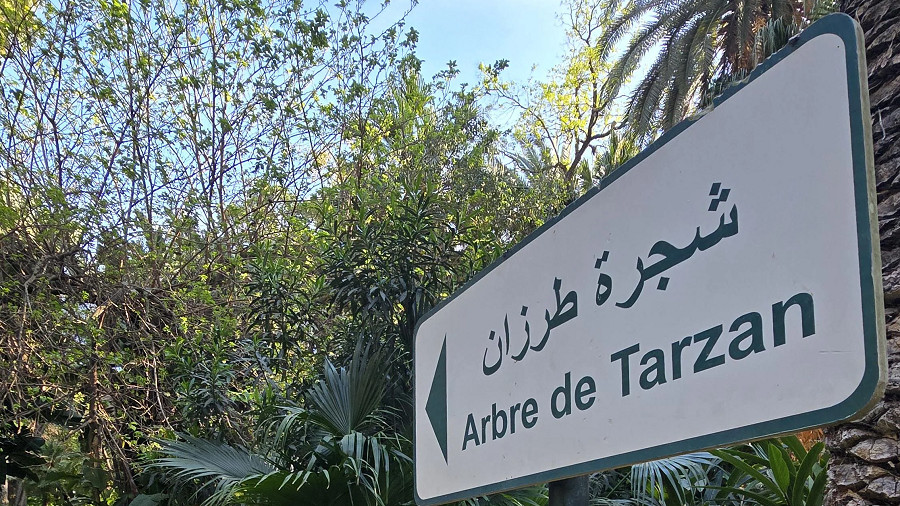
The 1932 film Tarzan the Ape Man cost $652,675 to produce, a significant sum during the Great Depression.
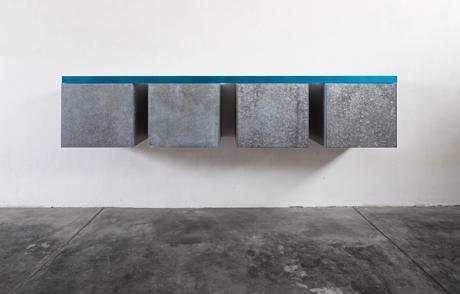
Neil Levine’s book features a sculpture called To Susan Buckwalter on its cover, a piece that initially “scared” the author in 1965.
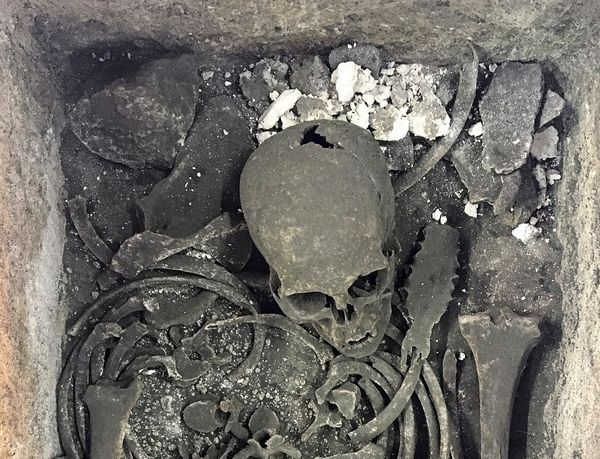
Researchers identified the later burial as occurring during the early Anglo-Saxon period, between 600 and 800 AD.

Jos Murer’s 1576 map of Zurich depicted each house with such precision that it remains virtually aligned with modern city plans today.

Batima Zaurbekova spent fifteen hours each day working on tapestries in the late 1960s, despite teachers suggesting she could paint three paintings in the same time.
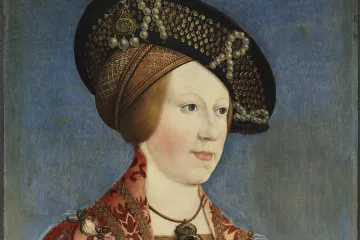
Fifteen children were born to Anna Jagellonská and Ferdinand I, and the exhibition features portraits of them by Jakob Seisenegger.

The Archaeological Survey of Egypt, founded in 1889, aimed to document Egypt’s monuments and employed notable figures like Howard Carter and Percy Newberry.

The study generated 157 new mitochondrial cytochrome c oxidase subunit I (COI) sequences, representing 48 recognized mammal species across seven orders.

Gonzalo Peralta’s book examines eight historical accounts and features images sourced from archives including the Museo de la Memoria y los Derechos Humanos.

Fine-tuning the NLLB 200 1.3B model with the new dataset yielded a BLEU score of 27.47 on a balanced legal test set.

The system analyzed historical maps of Paris covering a period of 69 years, from 1868 to 1937, to quantify urban changes.
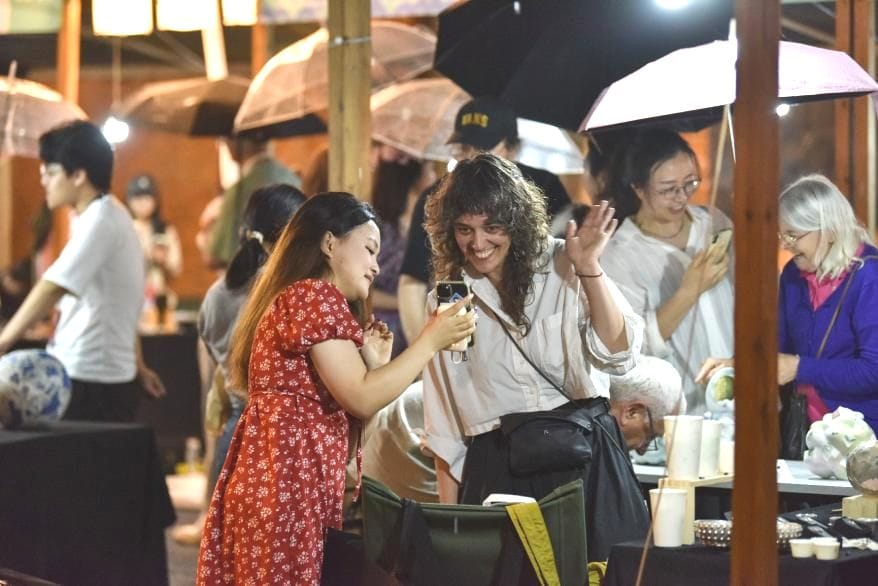
By August 2025, the “Yang Jingpiao” volunteer team had assisted over 500 foreign residents in Jingdezhen, China.

The terracotta head of Heracles, on loan from the Museum of Huelva, measures only 7.2 centimeters in height.

Leonhard Adam, a former German judge, published an article in a German law journal documenting the laws and customs of First Nations people after conducting fieldwork during World War I.
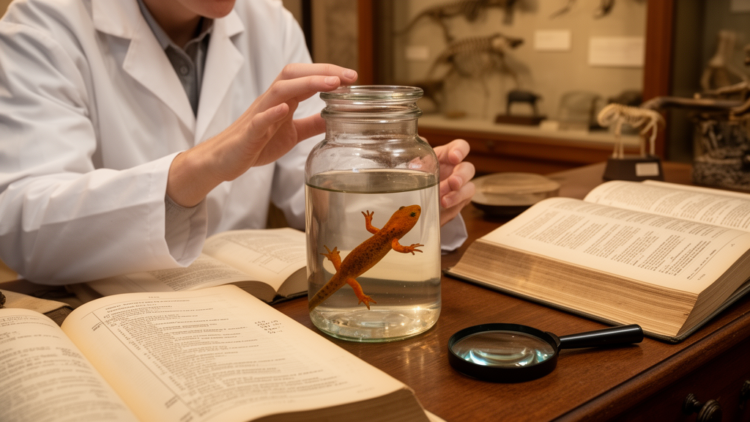
Laurenti’s 1768 description placed the creature in a lake, and researchers found Austrian temperature records suggest it was improbable for fire salamanders to occupy that cold environment at the time.

ISESCO launched a program to train 10,000 leaders in the applications of artificial intelligence during 2026.
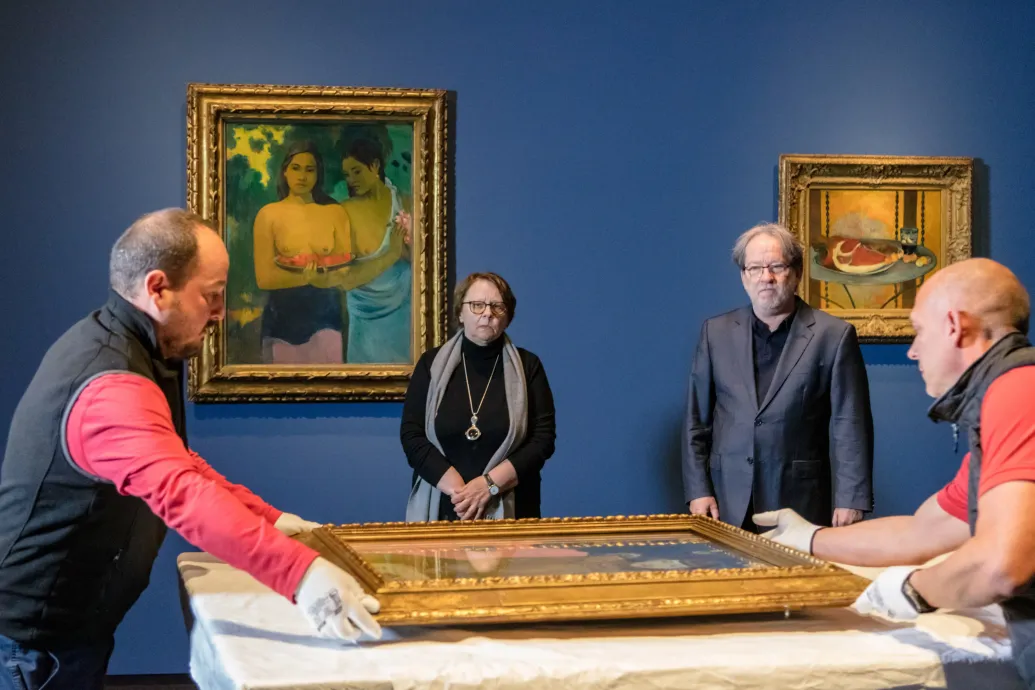
The oil painting, Portrait of a Young Girl. Vaïte (Jeanne) Goupil, measures 75 by 65 centimeters.

The CulturalRiddles benchmark includes over 1,700 riddles representing 62 distinct cultures.

Henry Louis Gates Jr. was assigned Harold Cruse’s The Crisis of the Negro Intellectual in three different classes at Yale.
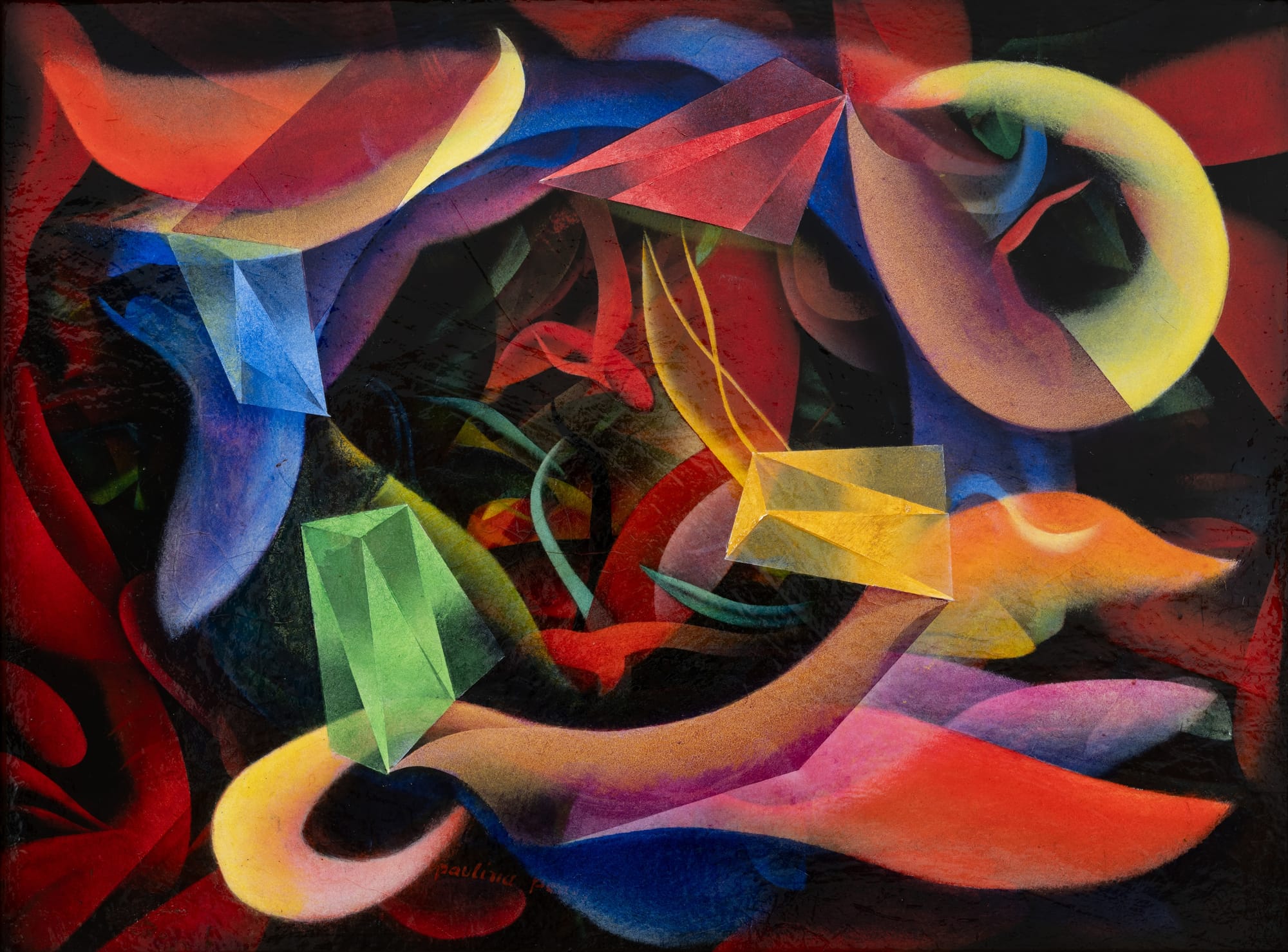
Lacamo, the spirit guiding Paulina Peavey, envisioned a future where humanity evolves toward “one-gender perfection” starting in the 1930s.
Researchers found that antagonistic coupling, where biodiversity and cultural diversity occur in separate areas, accounted for 98.90% of the Huizhou-Hangzhou Ancient Trail study area.
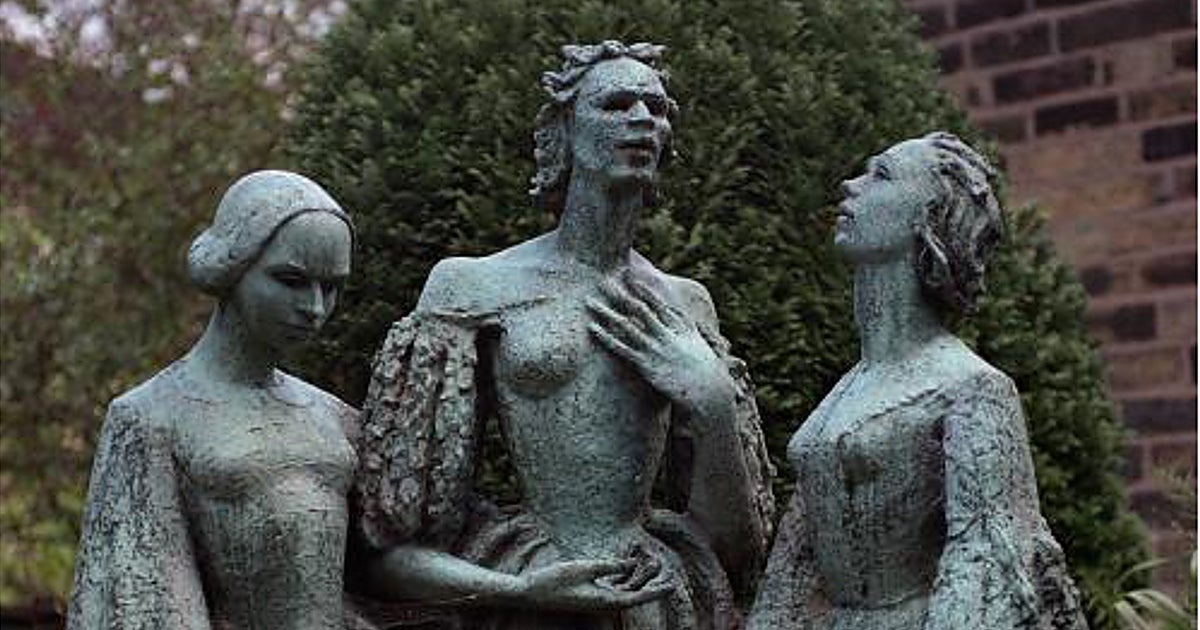
Charlotte Brönte discouraged the publication of her sister Anne’s novel, believing it was too harsh for Victorian readers.
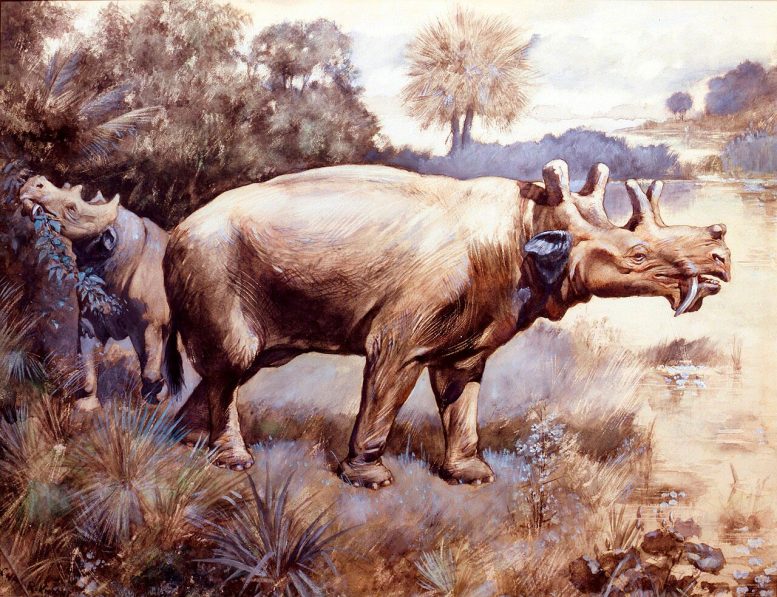
Researchers measured approximately 30 Uintatherium anceps skulls and found no clear statistical separation suggesting drastically different sizes between males and females.

Researchers documented four instances of crosses between ducks from different genera, entirely different groupings, during the study period.

The KENGLEX Project has created an online dictionary, kenglex.com, that defines and translates words used in Kenyan English into standard English.

Jorge Volpi’s Homo Pictus spans over 1,300 pages, traversing vast periods of time and blending science, history, philosophy, and literature.
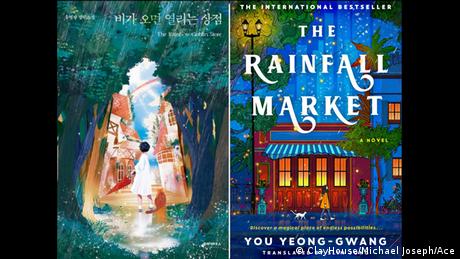
The Rain Magic Market sold over 30,000 copies across all formats in its first month of release.

The Tang Dynasty lasted for nearly three centuries, spanning from 618 to 907.

Ram Prasad ‘Bismil’ recited the poem while walking to the gallows in Gorakhpur Jail in 1927.

Shinja Koo translated a book containing 58 Tunisian recipes into Korean for a South Korean audience.

Nicholas McLeod believed Shintoism, a religion central to Japanese culture, was a far-off version of Judaism.
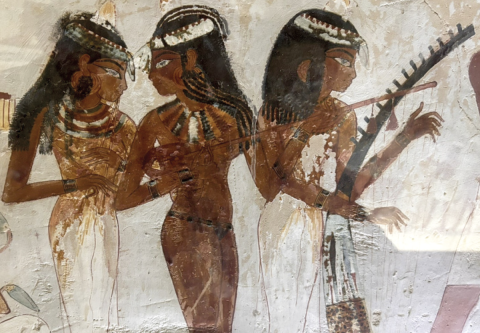
Ricardo A Caminos dedicated much of his career to recording inscriptions located high on rock faces, often while working from precarious ladders.
Chaïm Soutine created “Hanging Turkey” around 1925, transforming a commonplace subject into a depiction of suffering inspired by El Greco.

Researchers identified the new parasite species by analyzing a 1,731 base pair sequence of its ribosomal DNA, depositing the data in GenBank under accession number PV785691.
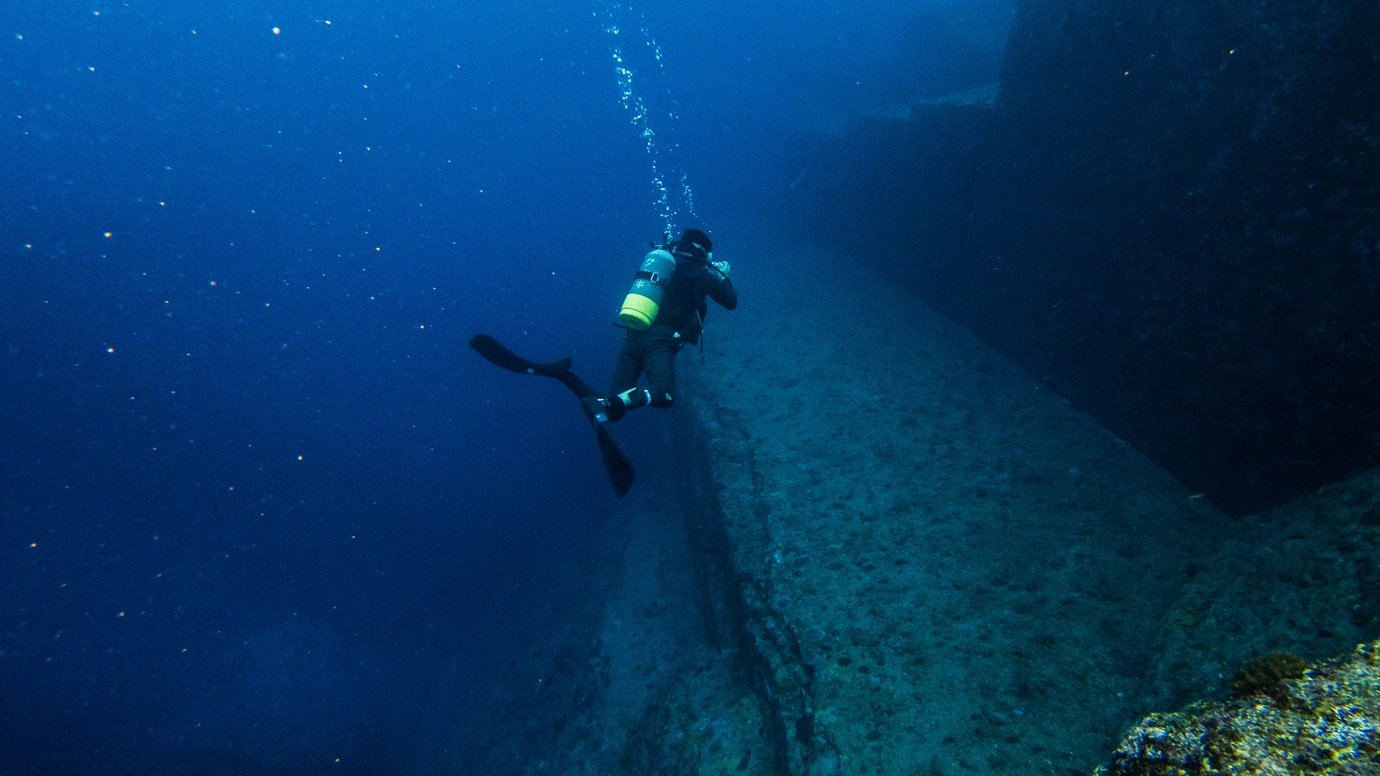
The Yonaguni Monument measures approximately 100 meters in length and reaches a height of 25 meters.
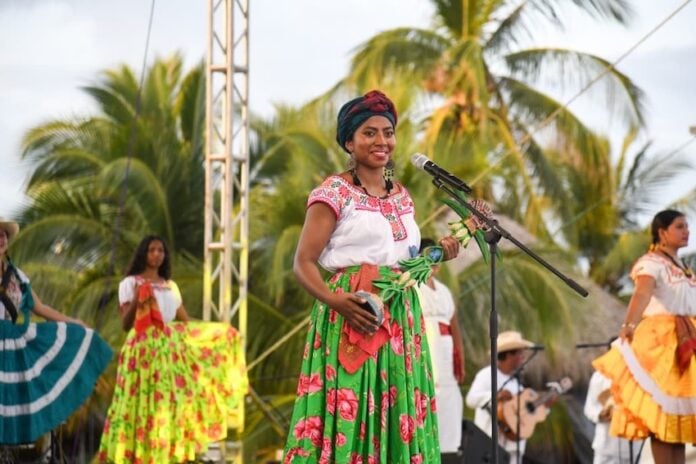
Almost 9% of residents in Guerrero, a state bordering Oaxaca, identified as Afro-Mexican or Afro-descendant in Mexico’s 2020 census.

After a campaign in what is now Italy’s Aosta Valley, Roman forces sold 36,000 Salassi people, including 8,000 fighting-age men, into slavery.
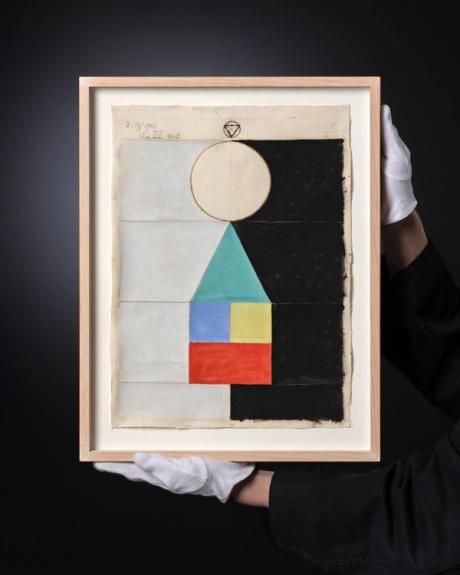
The painting Ser III No. 5 measures 38.5cm by 29cm.
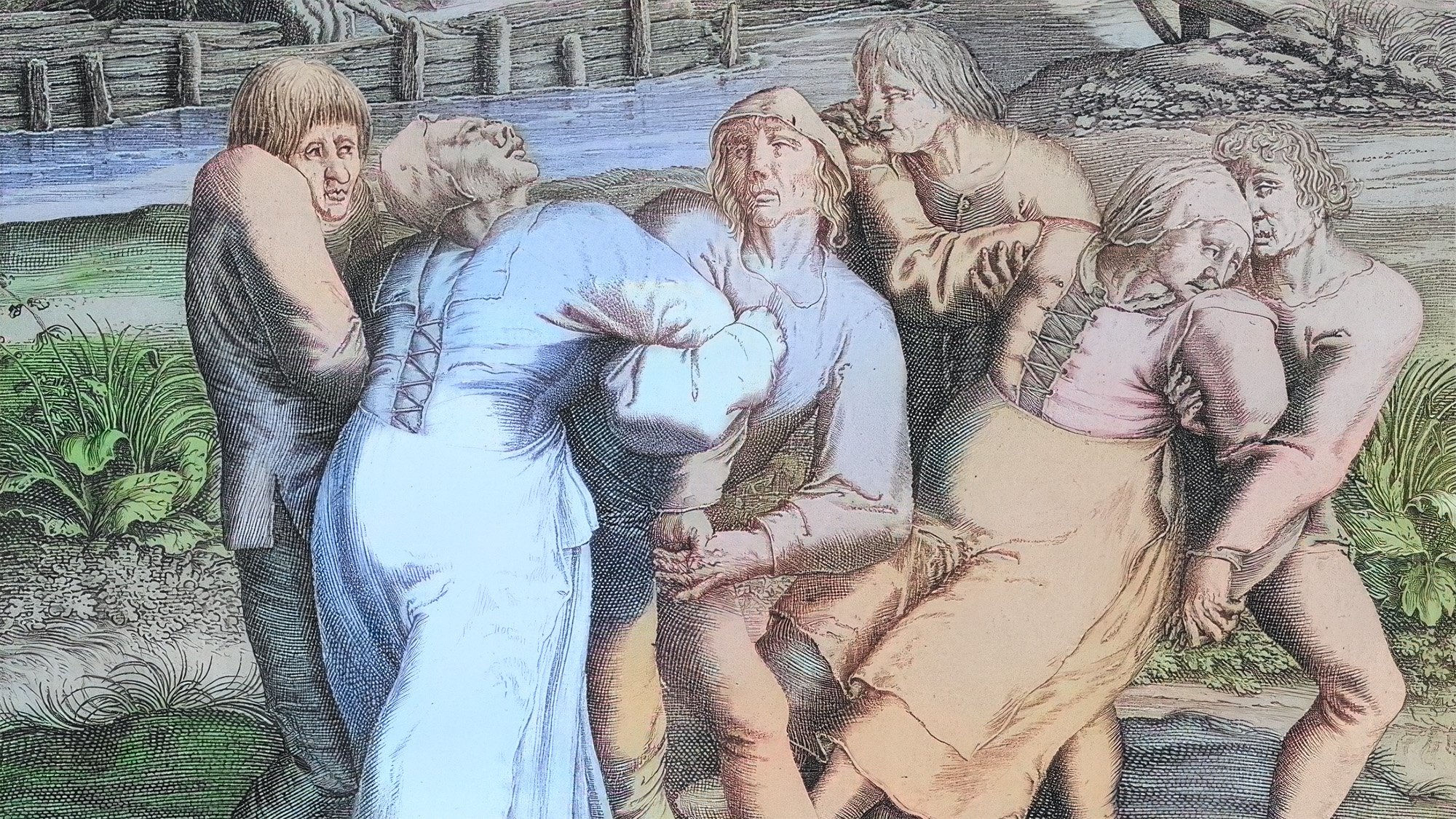
Around 400 people in Strasbourg were dancing uncontrollably by late August, succumbing to the mysterious urge to hop, jerk, and sway.

Researchers linked details in “The Starry Night” to the position of the Hyades star cluster and the planet Venus as they would have appeared on the morning of July 22, 1889.

GBoy’s song “Kyakweera” generated more than 10,000 TikTok dance challenges.

The acoustic monitoring devices used in the pilot project cost approximately $60 each and were powered by solar energy.
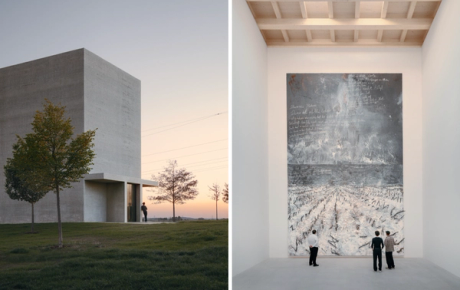
The new pavilion for Black Flakes covers 140 square meters and was designed in close collaboration with the artist, Anselm Kiefer.
Researchers can now reconstruct complete genomes of unculturable organisms from permafrost cores using bioinformaticians and advanced genomic tools.

Karolinska Institutet returned human remains to Finland in August 2024 after collecting them from Finnish graves starting in 1873.

Researchers documented at least 67 arrests of protesting activists in Afghanistan, gathered through interviews and information from the protest movements themselves.

Participants reported average repentance scores of 2.52 out of 4 on the first day after wrongdoing, while feelings of absolution started lower at 1.90 out of 4.

Van Gogh created “The Starry Night” after a period of personal crisis in the winter of 1888.
The Karolinska Institutet returned a total of 82 human skulls to Finland in August 2024 after they were taken for research in the 1800s.

Lyn Harris’s hand-blown perfume bottles cost £650 each.

The library digitizes approximately 120 hours of sound recordings annually to preserve Chile’s cultural heritage.

The confirmed dinosaur footprints each measure approximately 29 centimetres long and 26 centimetres wide.
Hershman Leeson received her first solo museum show in New York only in 2021, when she was 80 years old.

The name YHWH is linked to the Hebrew verb meaning “to be,” and scholars commonly translate it as “He brings into existence all that exists.”

The Gemini North telescope captured the image of PA 30 after observing it for six nights between July 26 and August 5, 2025, and the resulting picture is among the most detailed ever taken of this supernova remnant, which is 7,500 light-years from Earth.

The exhibition features over 100 of Im Jik-soon’s works, including approximately 80 oil paintings.
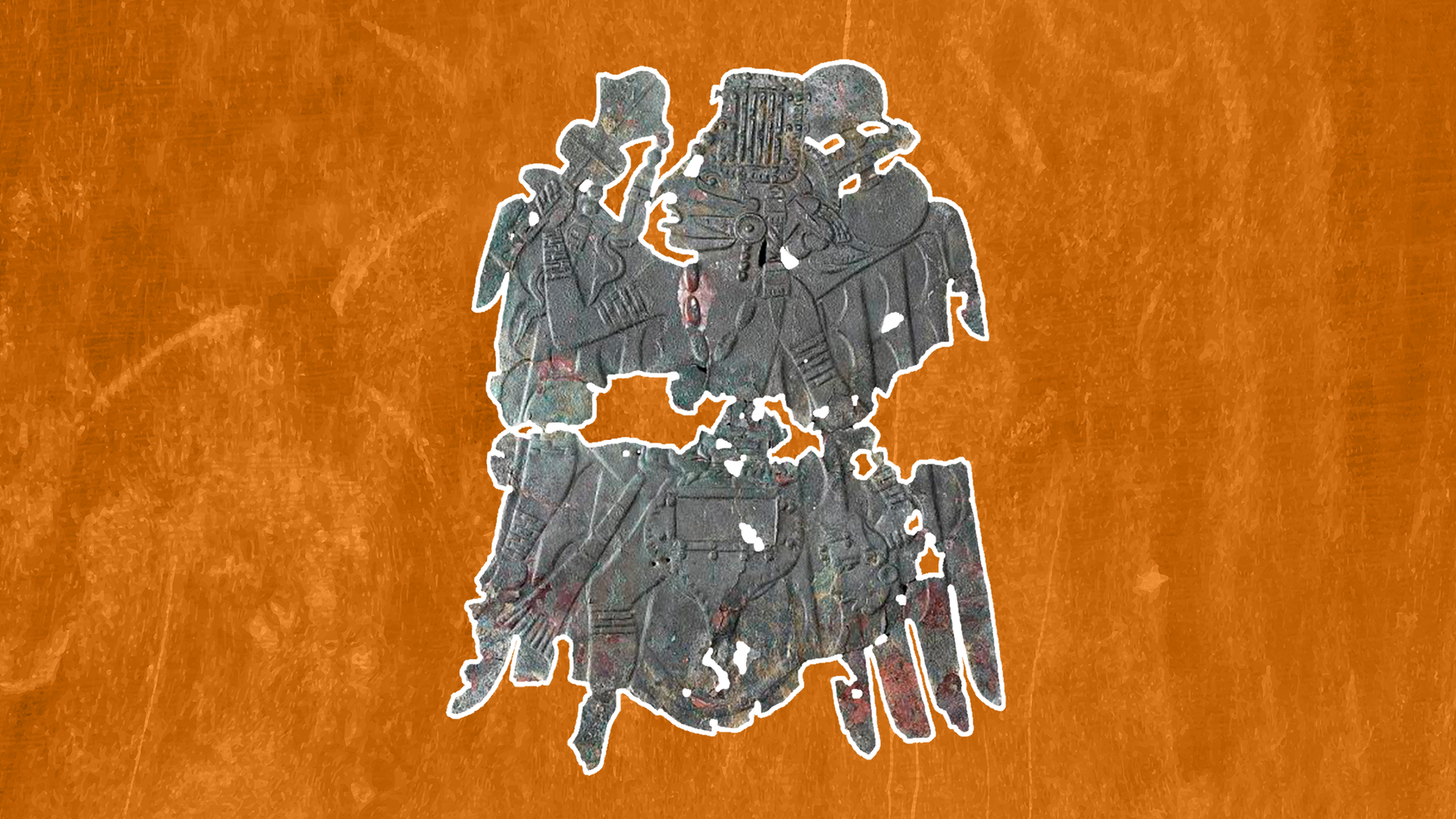
The copper plate measures approximately 11 inches (28 centimeters) tall and was buried with a person who likely died around 1350.
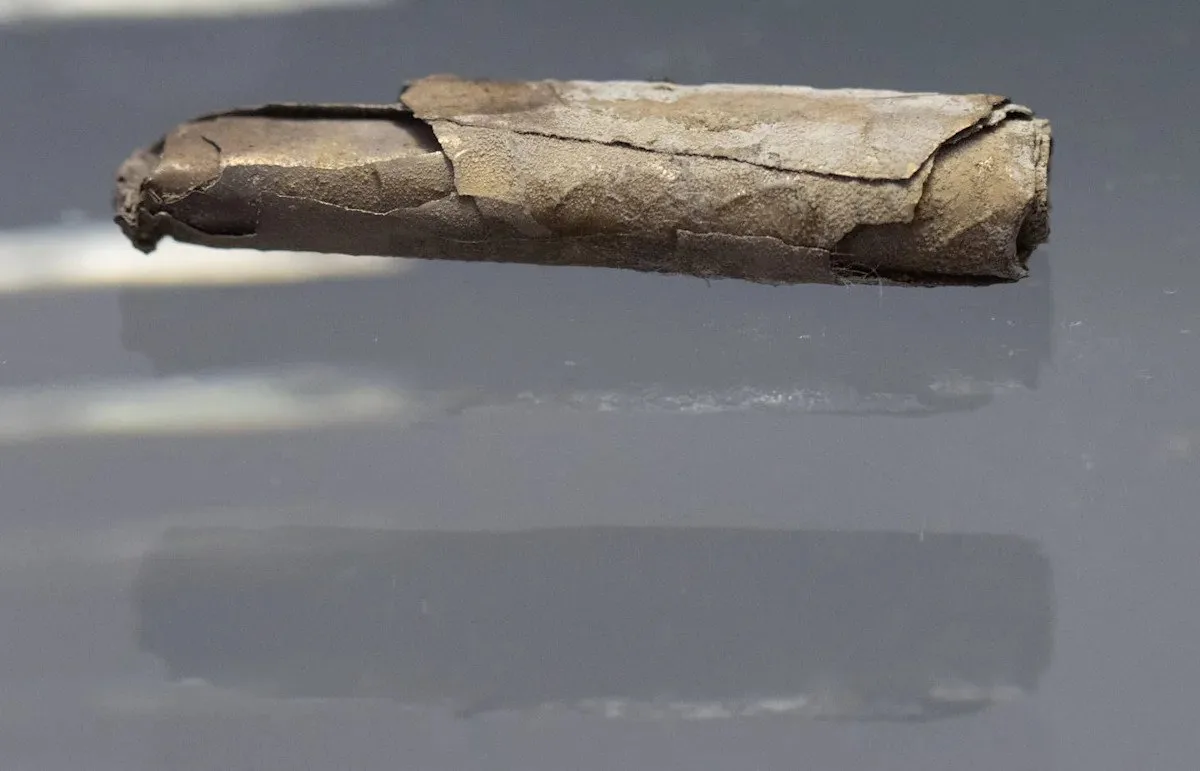
The amulet preserves verses from the Apostle Paul’s Epistle to the Philippians in Latin, a first for archaeological finds.

The Luh Luwih troupe consists of thirty members, most of whom are middle-aged women.

Zhang Jian’s team discovered the Buddha’s head in the Met’s mural was off-kilter by 2 centimeters due to a past mounting error.

Enheduanna explicitly stated that she created something “that no one has created before,” marking one of the earliest known claims of authorship.
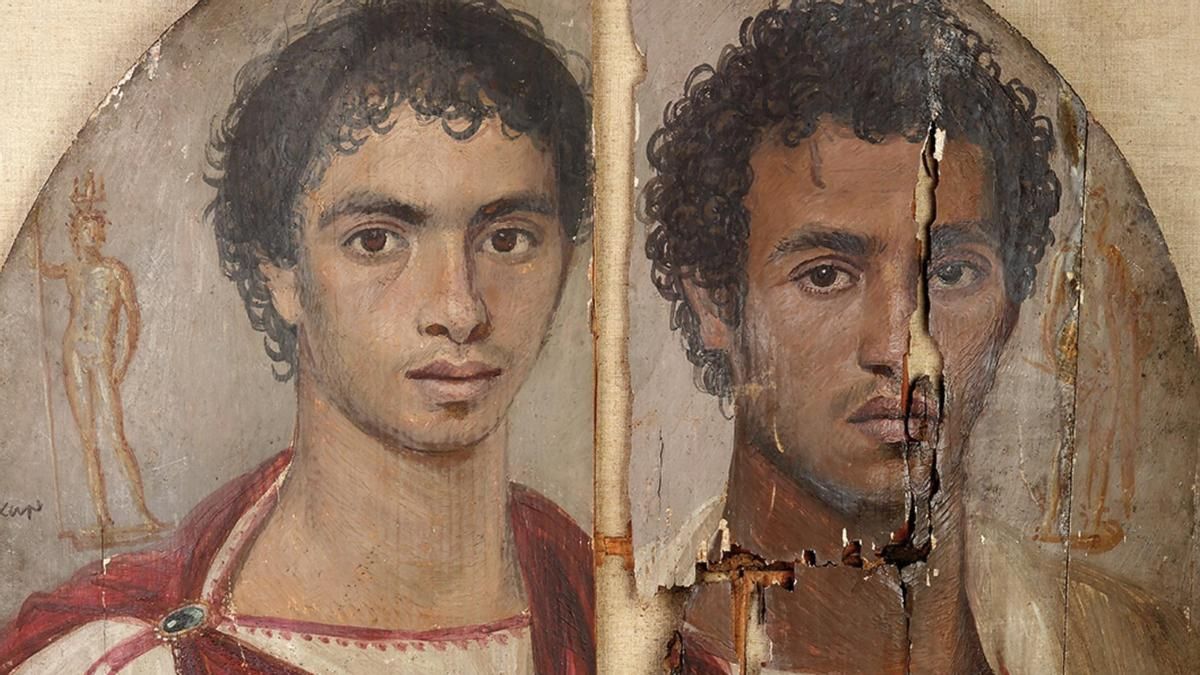
The Tondo of the Two Brothers measures approximately 62 centimeters in diameter and is less than one centimeter thick.

The 1928 Soviet-German expedition to the Pamirs involved a caravan carrying over eight tons of food, equipment, and supplies.

Muriuki’s 1974 book, A History of the Kikuyu, 1500 to 1900, covered six centuries of Kikuyu history before British colonization.
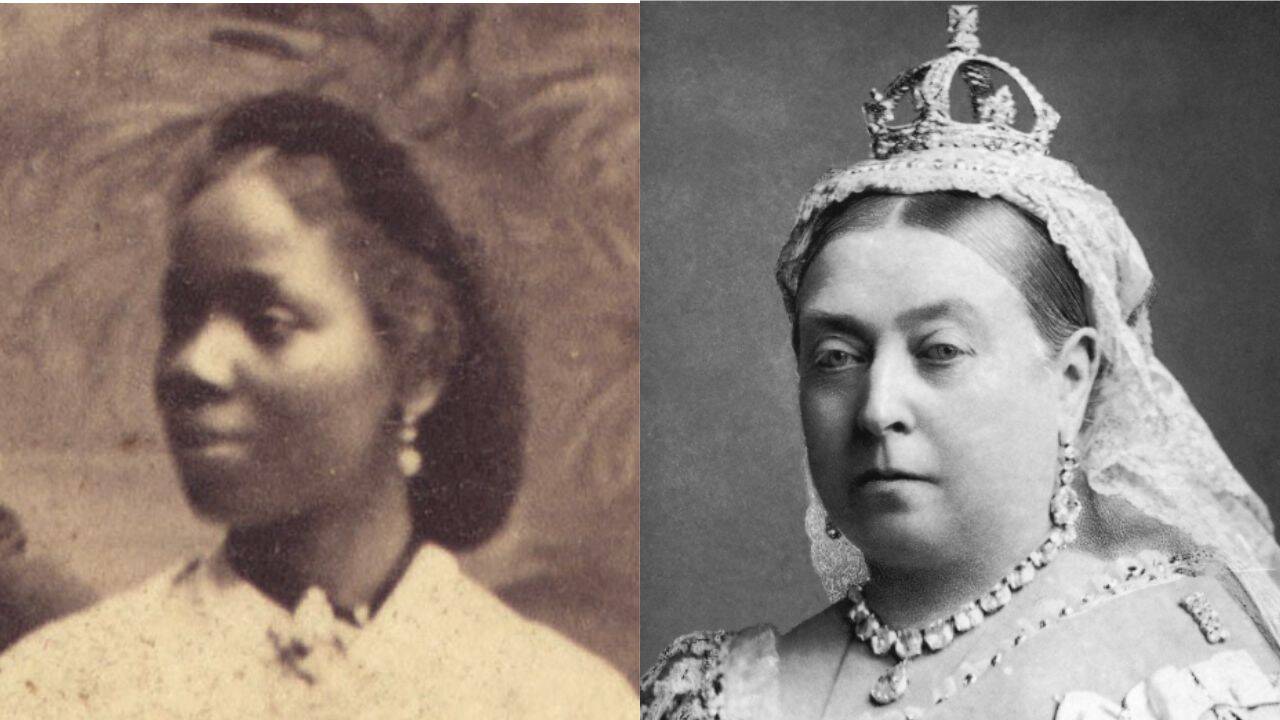
Professor Lovejoy discovered a plaster bust of Bonetta created in 1851 for use in phrenology, a discredited practice attempting to link skull shape to personality traits.
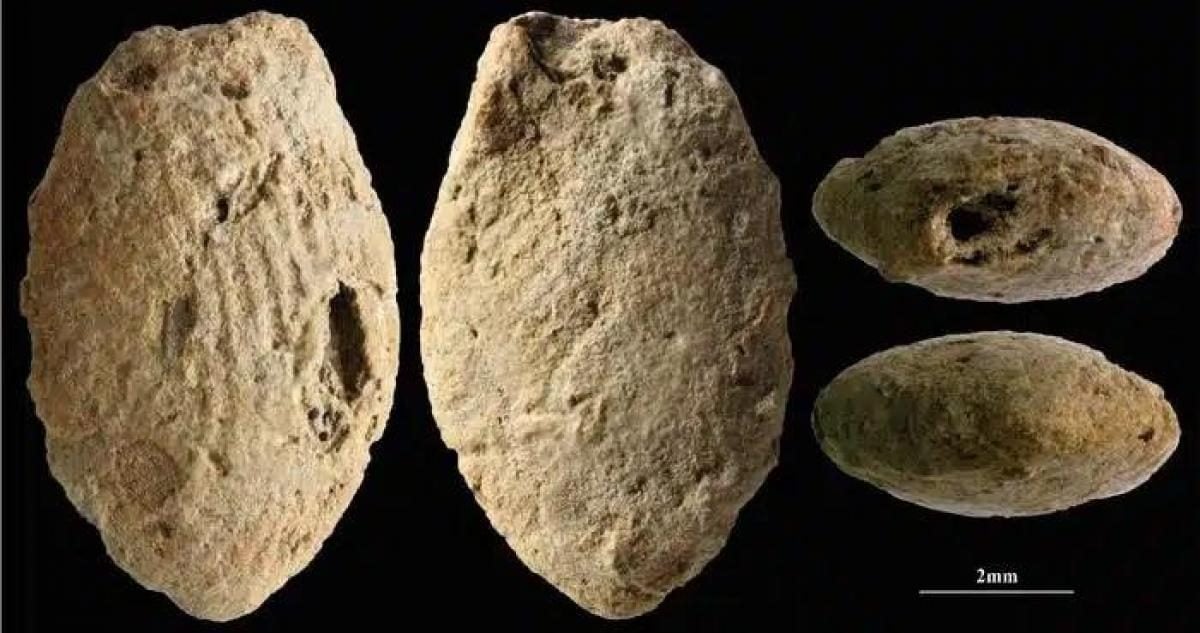
The researchers identified nineteen different types of beads among the collection of 142 items.
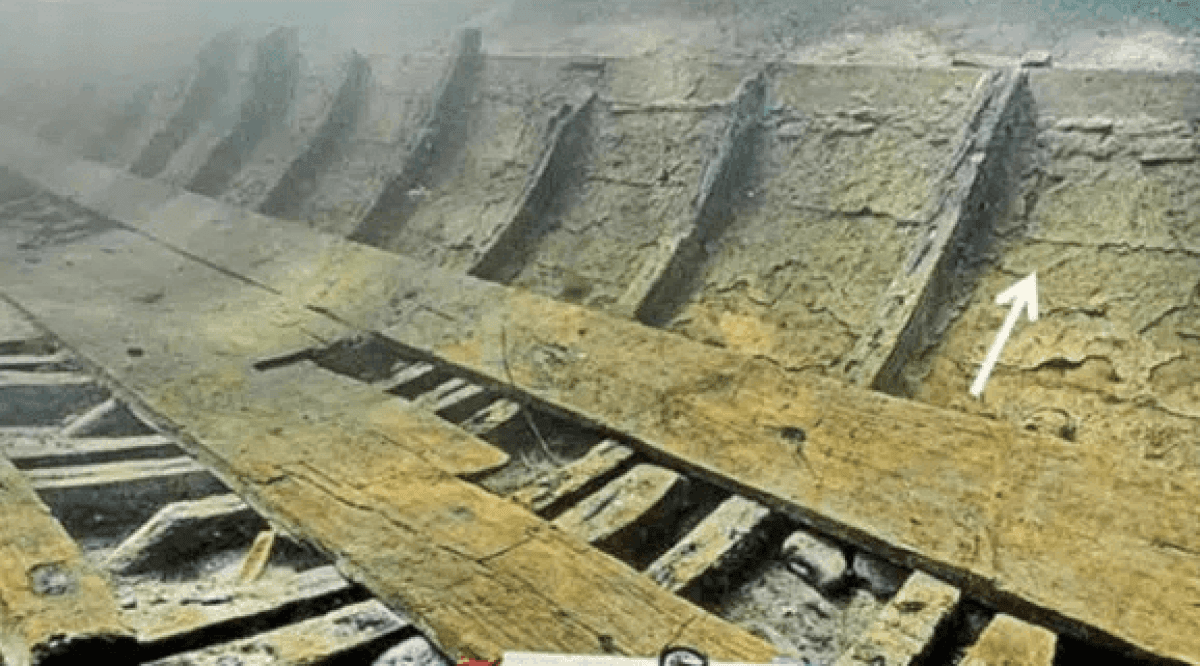
Researchers found a crane feather inside the ship, suggesting it sank during fighting in 63 BCE.

Artisans traditionally viewed their trade as a devotional practice, crafting details like geometric khatamband designs on ceilings and carved marble lattice work known as jalis.

Researchers analysed hundreds of markings across Teotihuacan’s artwork, suggesting a potential writing system.

Scientists created three-dimensional models of the stele using photogrammetry, a technique for making measurements from photographs.

The author deliberately varied a character’s name, addressing him as both “Serioza” and “Serge”, to emphasize his resistance to fixed identities.

The discovered stone tools date back 26,000 years, making them the oldest artifacts found directly adjacent to the Côa valley’s rock art panels.
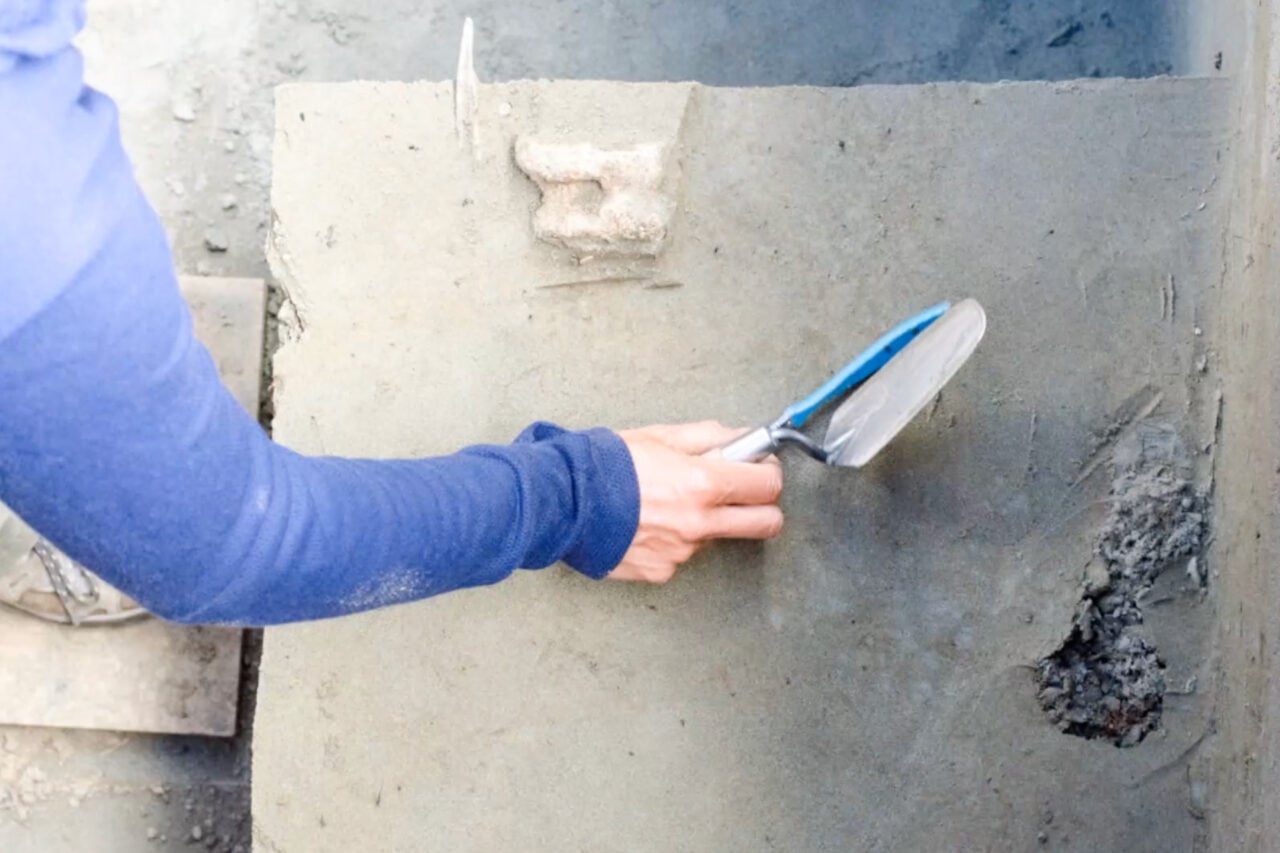
The team unearthed over a thousand artifacts from less than 11 square feet at the Shég’ Xdaltth’í’ site.

An AI assistant helped two researchers discover stories and traditions on a Japanese pilgrimage that they would have otherwise missed by leaving behind information panels.

The exhibition features work by over 80 artists from across Europe, the Americas, Asia, and Australia, bringing together approximately 200 rare vintage prints.

Conservators discovered over 5,000 Iron Age and Roman coins alongside the Hallaton Helmet, suggesting the site was used for ceremonial feasts.

Parur Sundaram Iyer urged Gandhi to establish a music university, believing it would help spread Hindu-Muslim unity and hasten India’s independence.
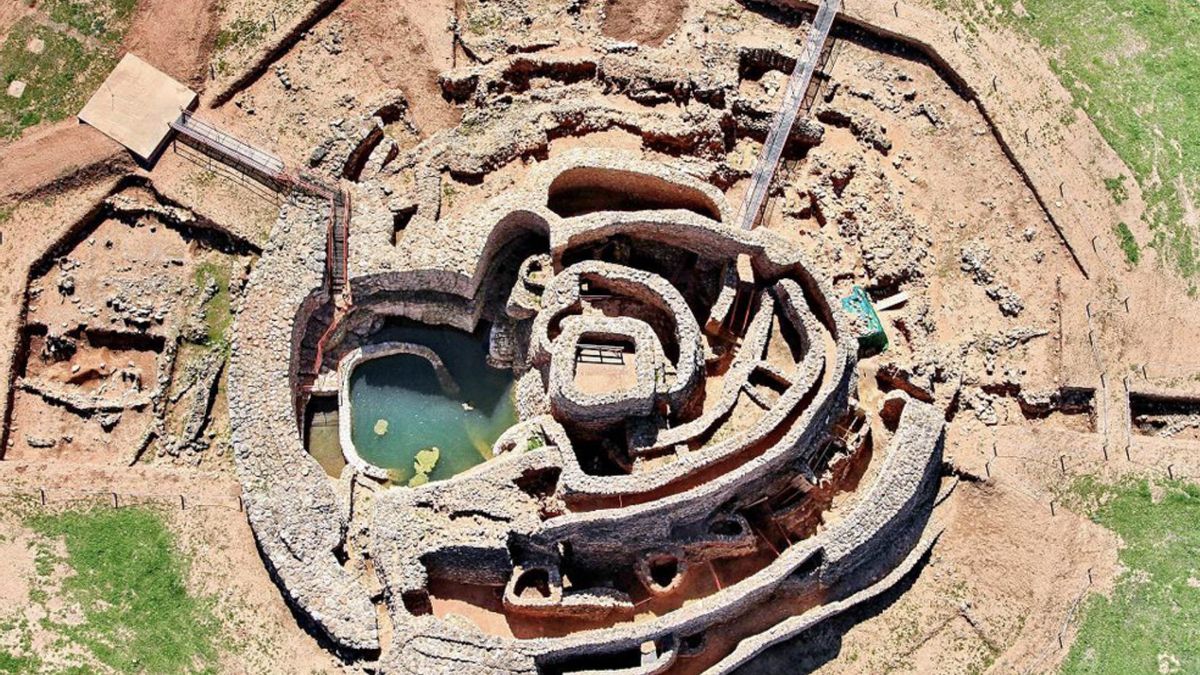
Researchers analyzed 1,517 Bronze Age settlements, finding that 87% were newly founded during a period of significant change.
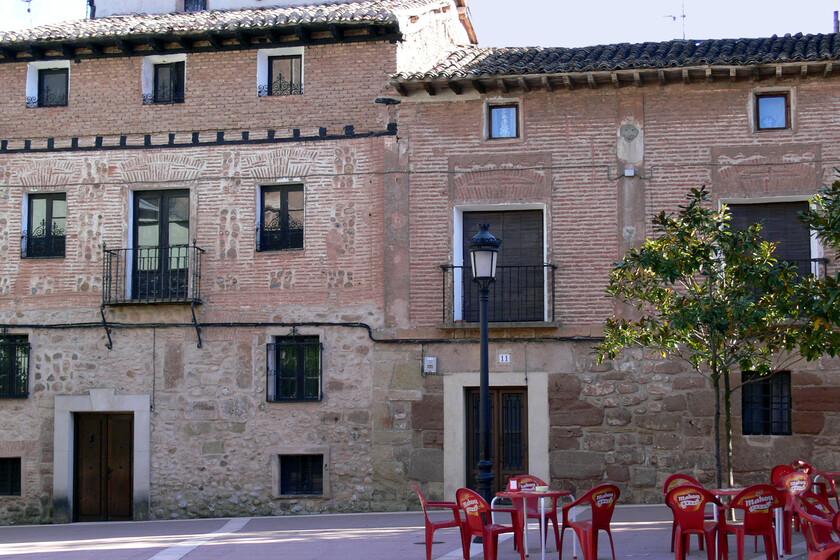
The excavation began on September 14th, revealing a monumental courtyard with sandstone pillars just below the surface of a grain field.

AI broke a 200-year-old Napoleonic cipher in just six hours, a task that could have taken weeks for human experts.
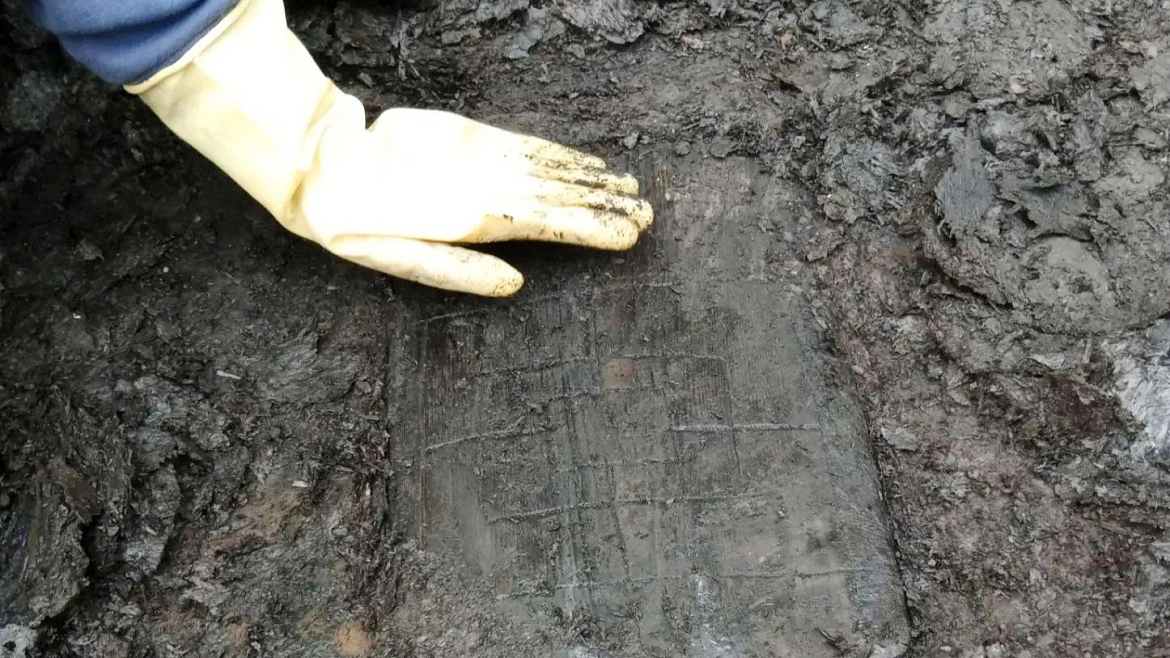
The discovered bread peel measures approximately 30 by 40 centimeters, providing a relatively large and well-preserved example of medieval ingenuity.
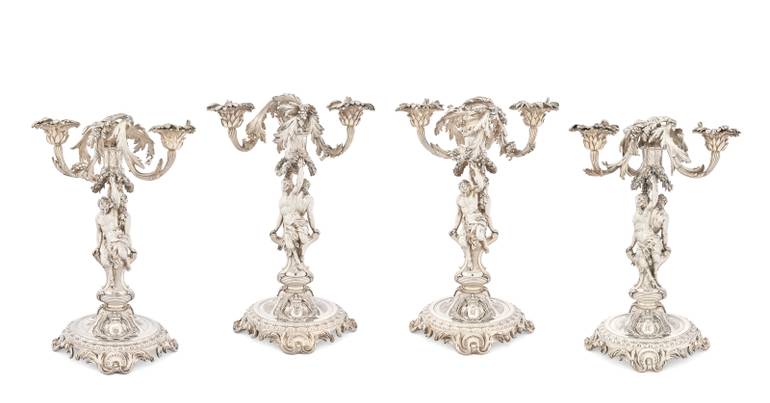
The auction of 59 lots, including paintings, furniture, porcelain, and silverware, from the Graziella Patiño de Ortiz Linares collection raised nearly 40 million euros.
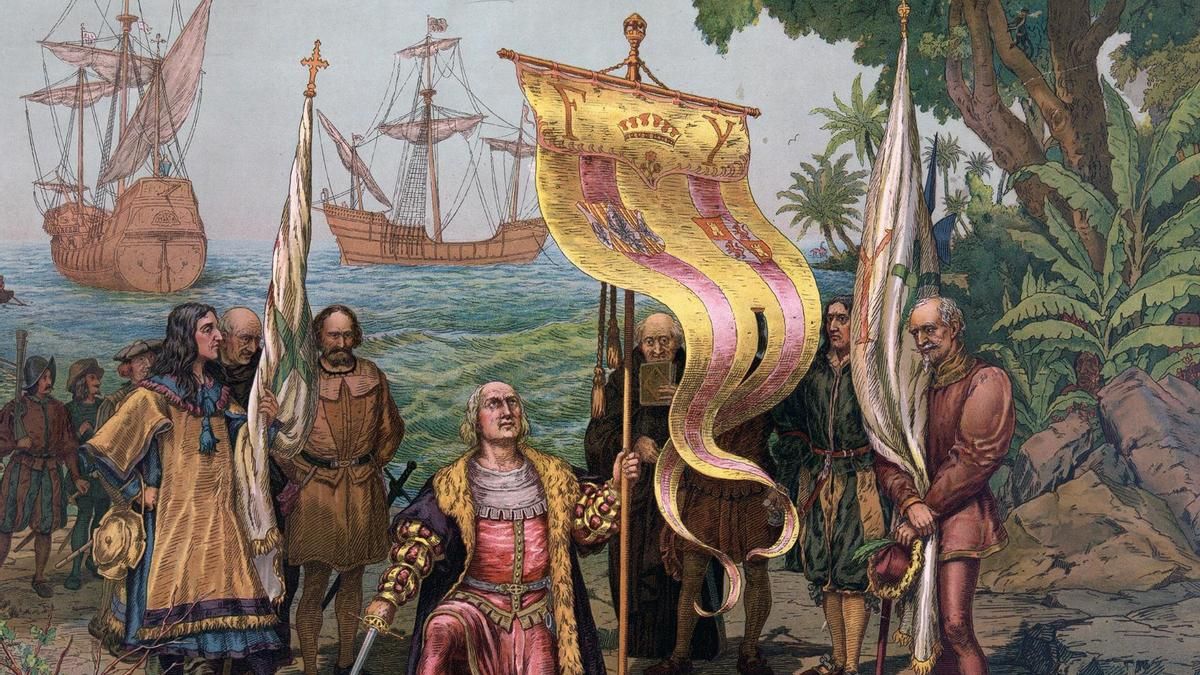
Archaeologists identified over 60,000 Mayan structures in Guatemala using LiDAR technology, revealing the scale of pre-Columbian urban development.
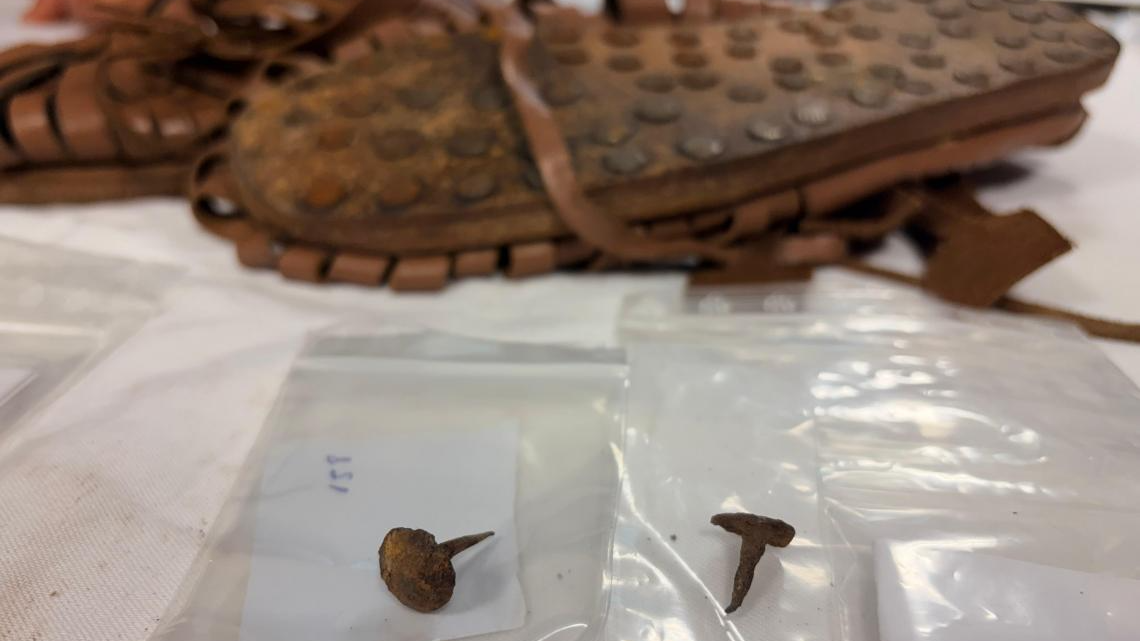
The Roman military camp discovered in Spain had a stone perimeter wall approximately 5 feet (1.5 meters) thick.

An AI model deciphered a 1809 letter from Napoleon in just six hours, a task that could have taken weeks using traditional methods.

Researchers documented only seven Victoria colombiana plants during their expedition, indicating the plant’s extreme rarity.
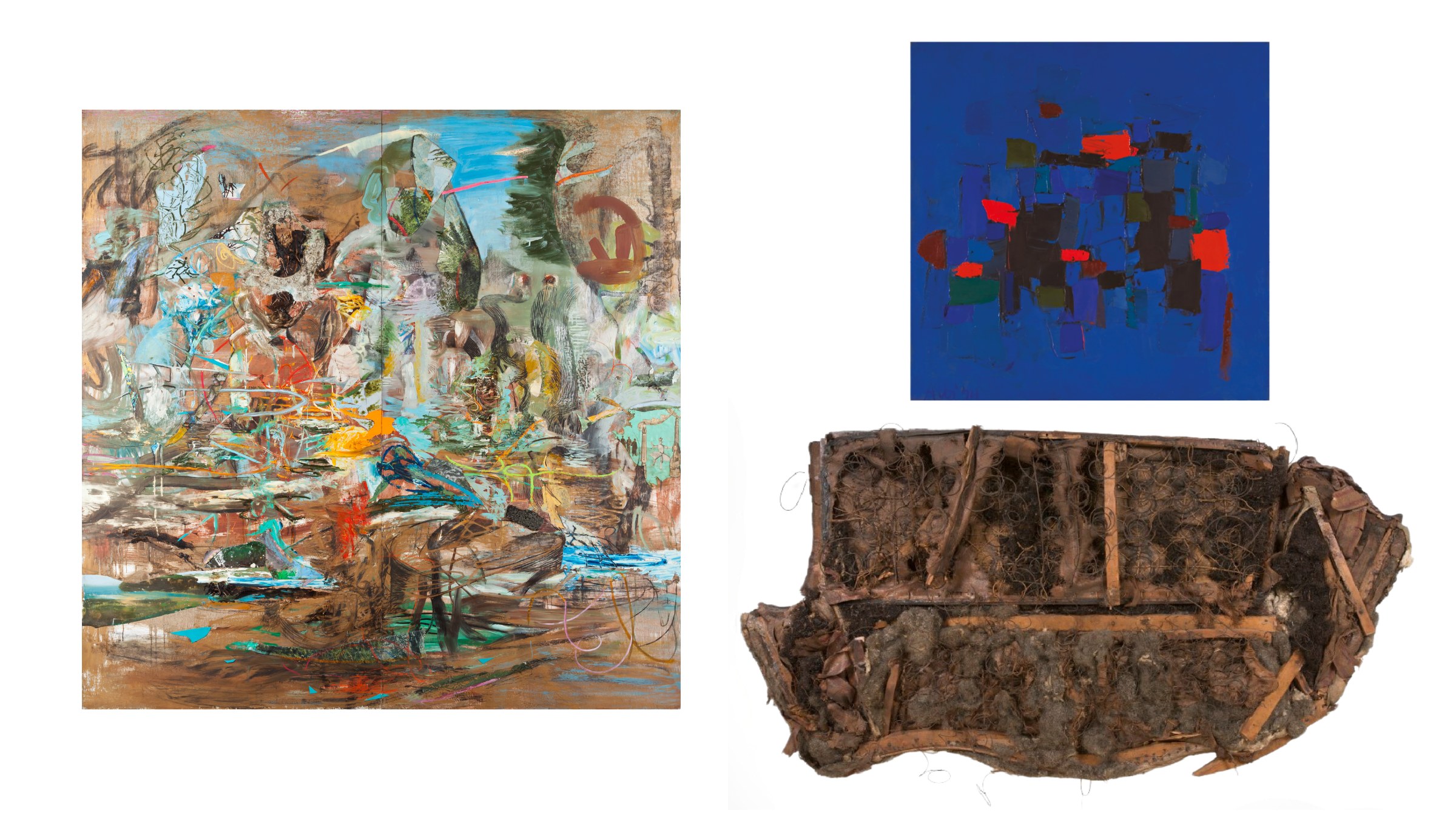
The exhibition features work from more than sixty artists spanning multiple generations and representing countries across North and South America, Europe, and Australia.
Ryu Song-nyong served as a scholar-official during the Joseon dynasty and lived from 1542 to 1607.
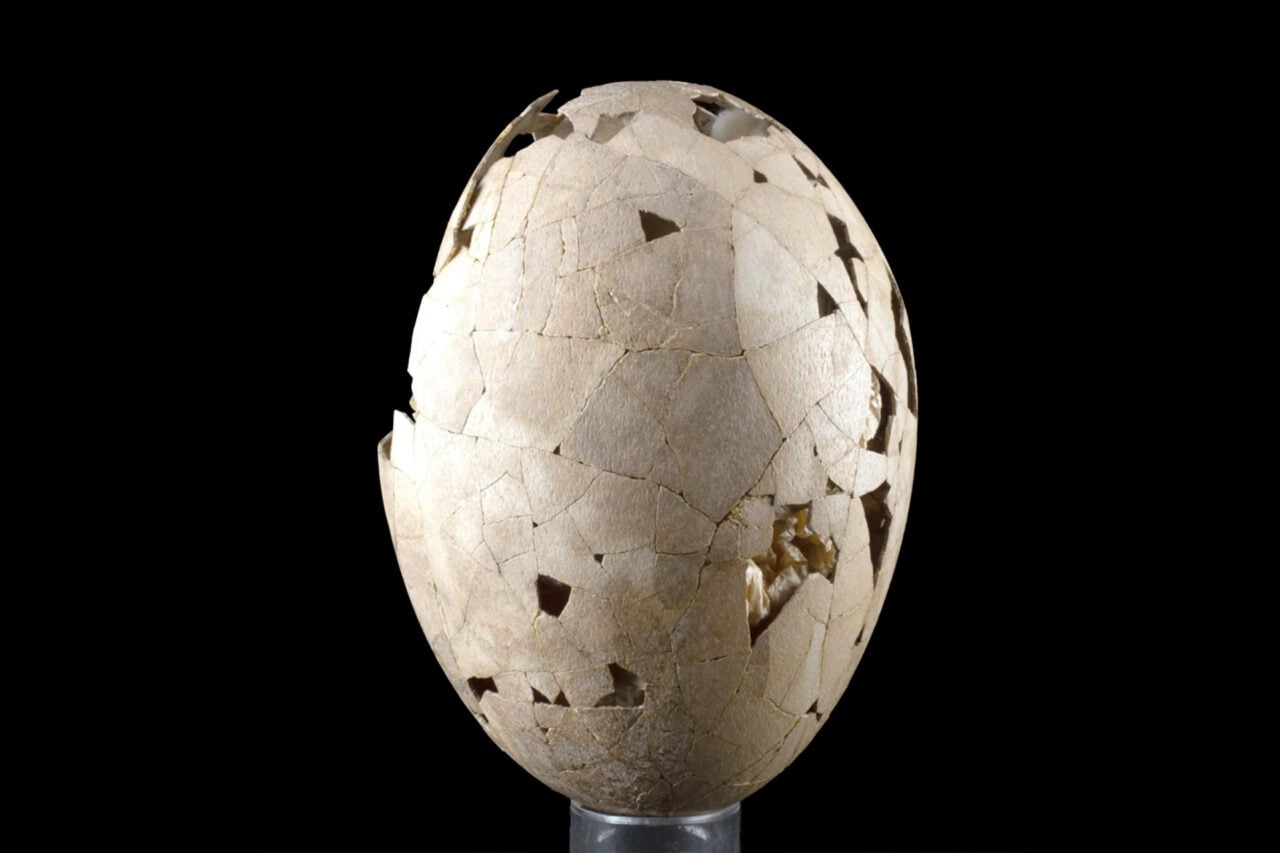
Only around three dozen moa eggs have ever been found, making this a remarkably rare recovery.

Researchers found evidence of betel nut use in teeth dating as far back as 25,000 years ago in Sulawesi, Indonesia.
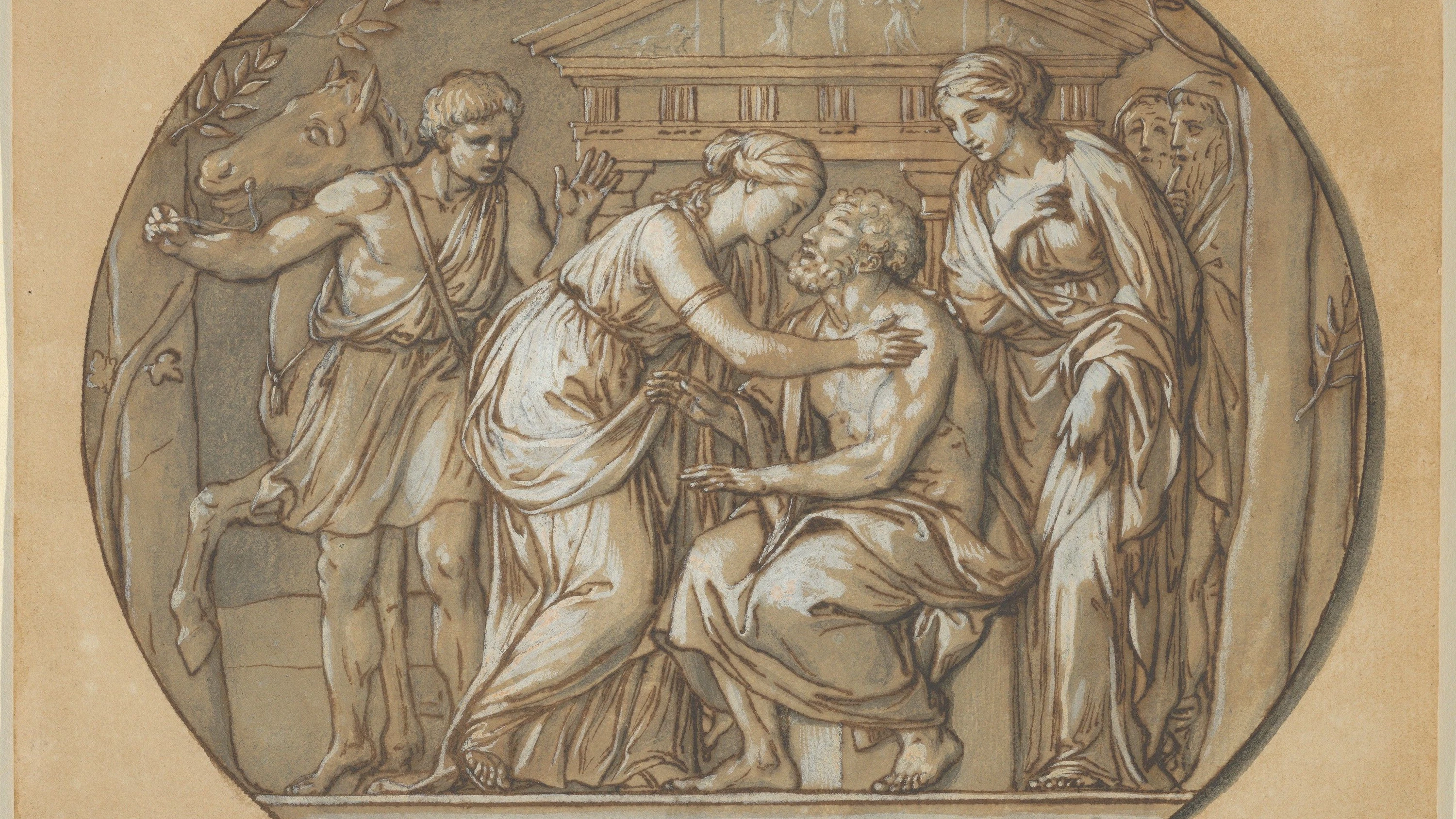
Foucault analyzed texts by authors including Antipater of Tarsus and Hierocles, reconstructing ancient practices of regulating desire that formed the basis for his books Sexuality and Truth (1984).
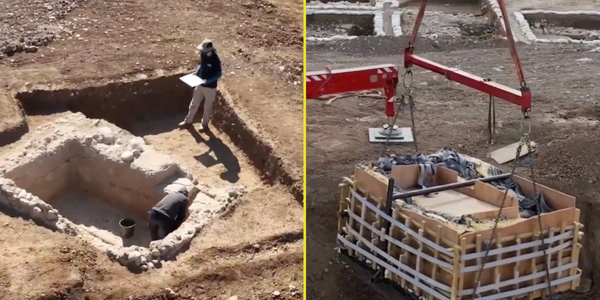
The discovered mikveh dates back 2,000 years to the Second Temple period, coinciding with the time Jesus lived.

Two photographic plates placed at Sandakphu revealed 30 “star-like tracks”, microscopic records of nuclear disintegration.
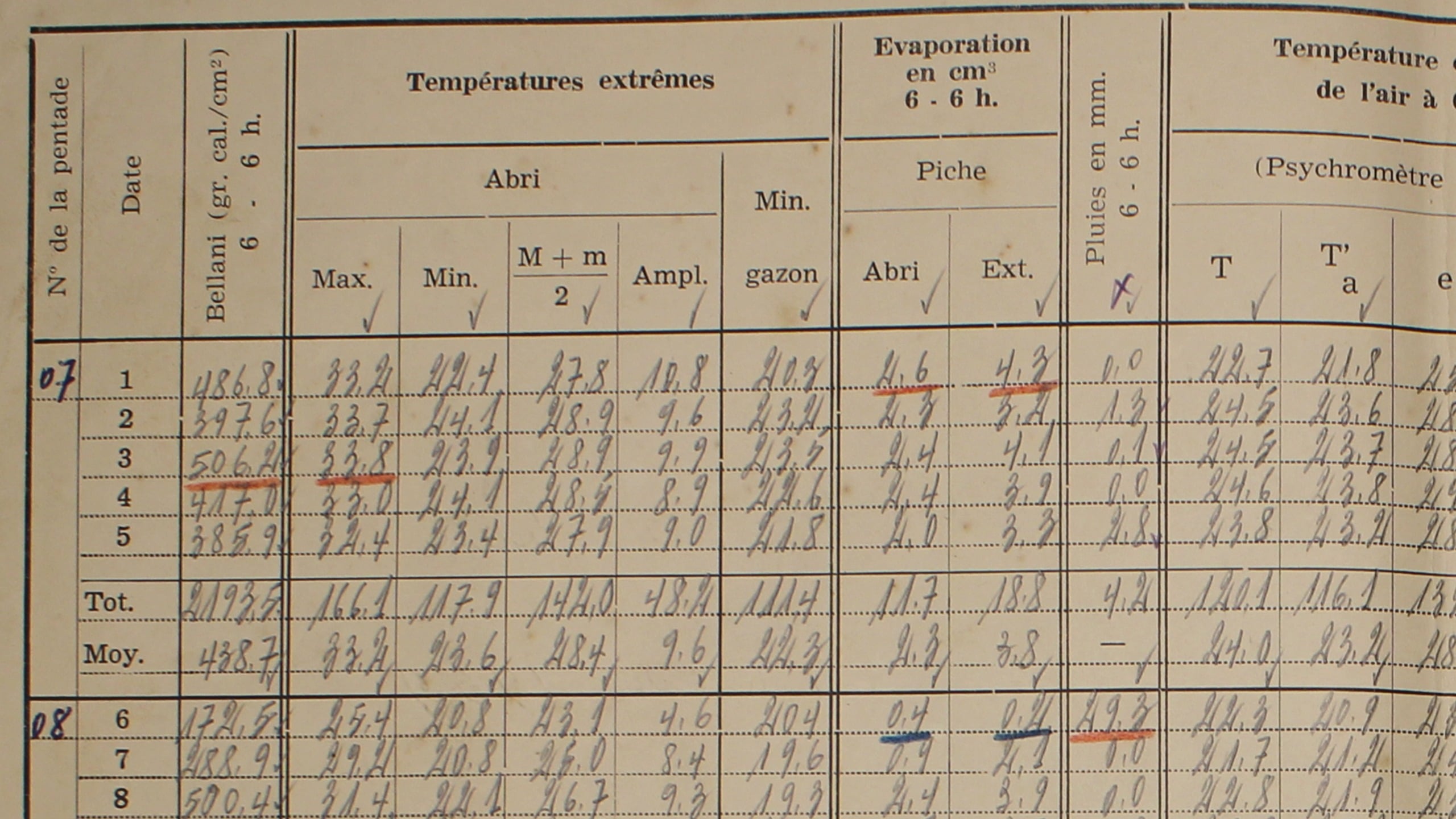
The frequency of extremely hot days in the Congo Basin almost doubled between the 1960s and the 1980s, based on the newly digitised historical records.
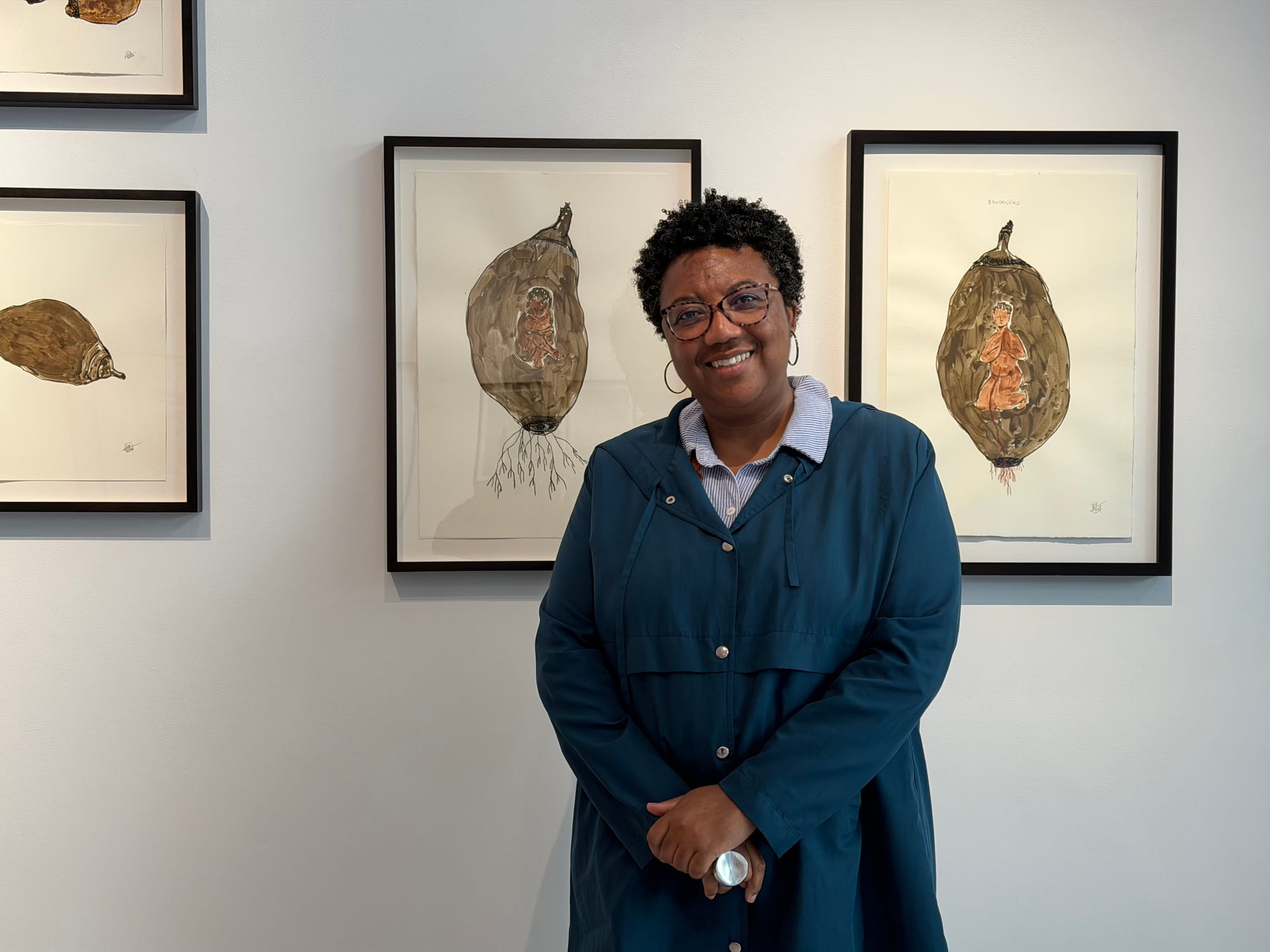
Rosana Paulino received a $25,000 award alongside the 2025 to 27 Jane Lombard Prize for Art and Social Justice.
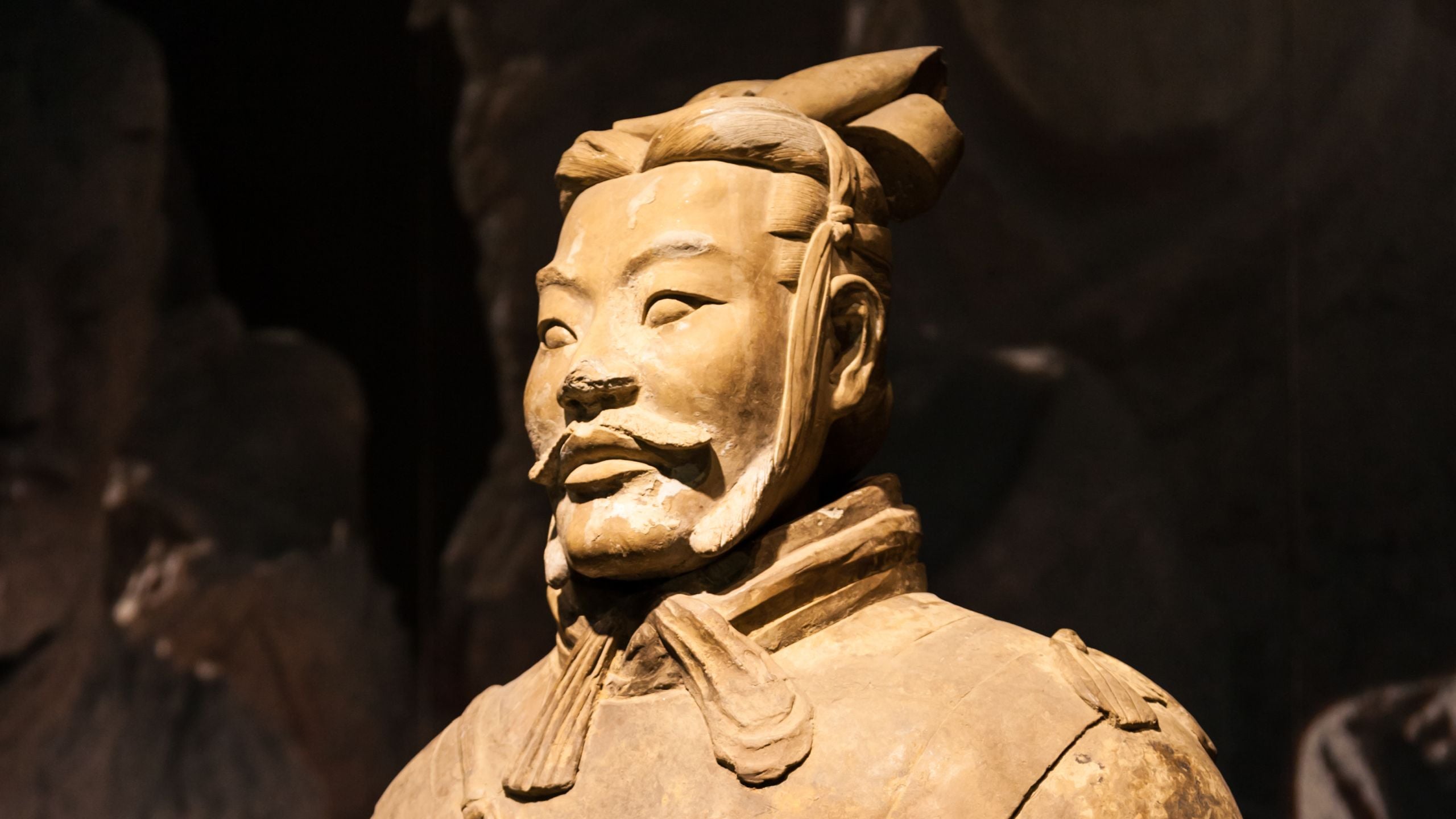
Researchers estimated that 22.3 percent of the fingerprints on the Terracotta Army came from children under the age of 15.
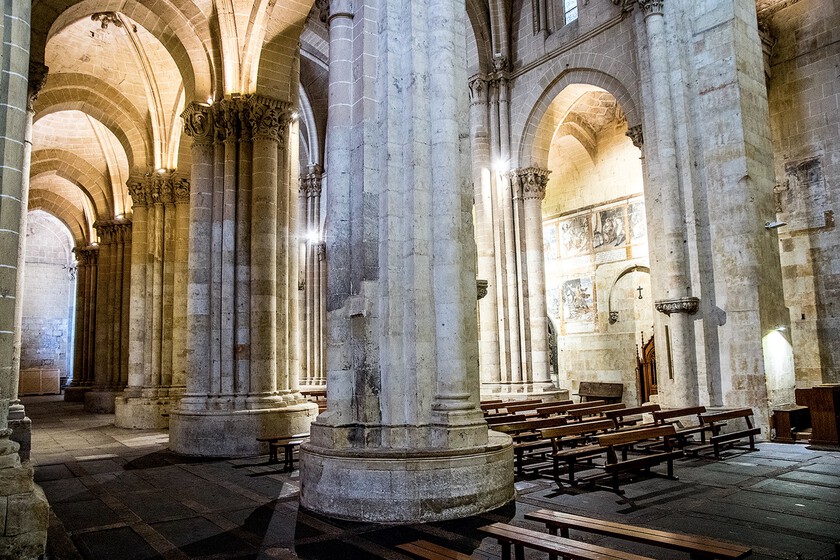
The excavation uncovered a remarkably well-preserved bronze Roman cauldron with a decorated handle and loop.

Archaeologists at Coppergate recovered 40,000 Viking-era objects, the largest collection ever found in Britain.
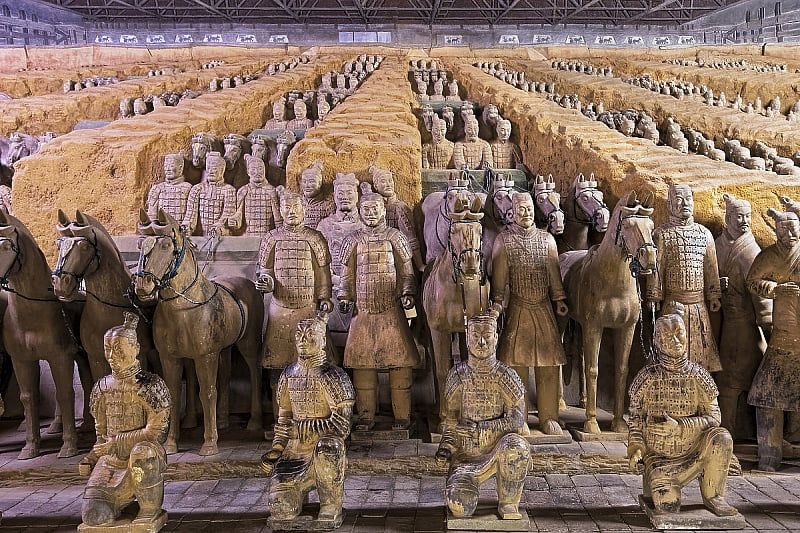
The research team identified fingerprints on 36 terracotta warriors, revealing an estimated 22% were left by children under the age of 15.

Reading fluency accounted for 49 percent of the variation in participants’ performance on a test of reasoning about others’ beliefs.
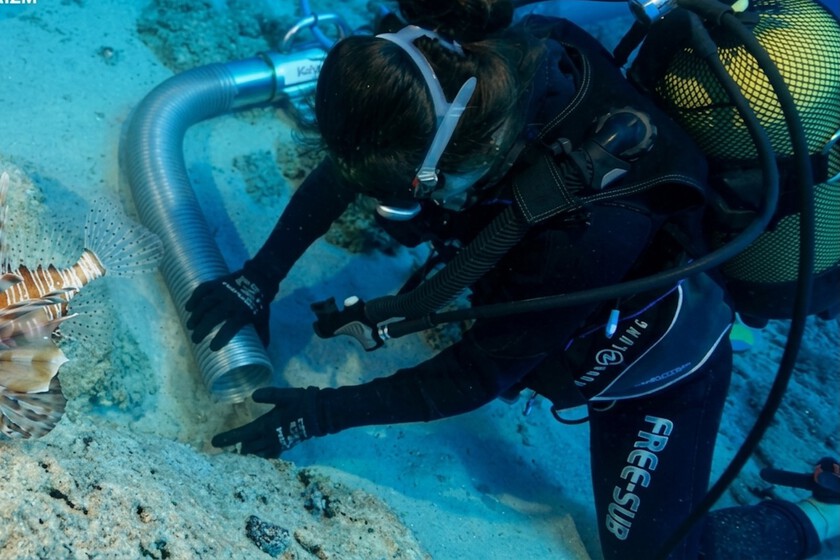
Researchers found an amphora with nine marks and two holes, possibly used as a butter or cheese maker, hinting at the sailors’ self-sufficiency on long voyages.
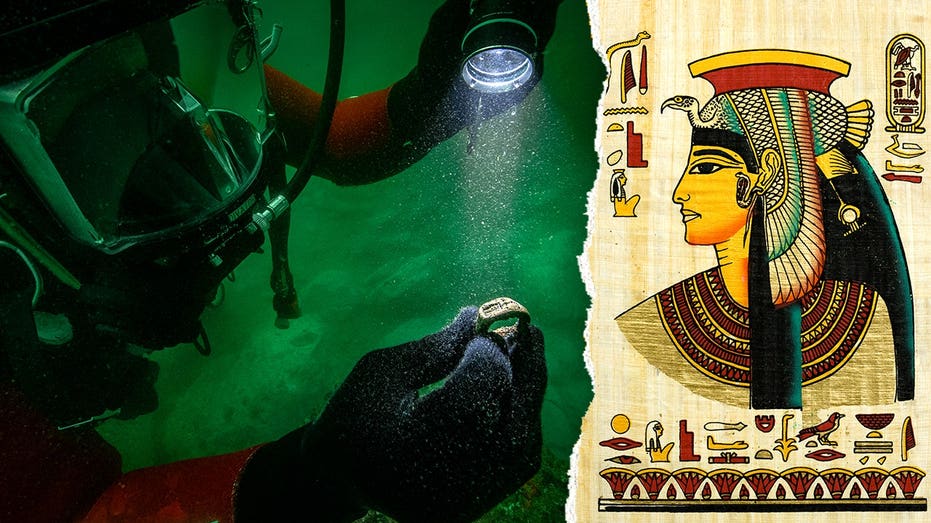
The discovered bronze ring features a depiction of the Lighthouse of Alexandria, one of the Seven Wonders of the Ancient World.
Meziane identifies a 1900-year gap between the philosophies of Aristote and Descartes within the traditional Western canon.
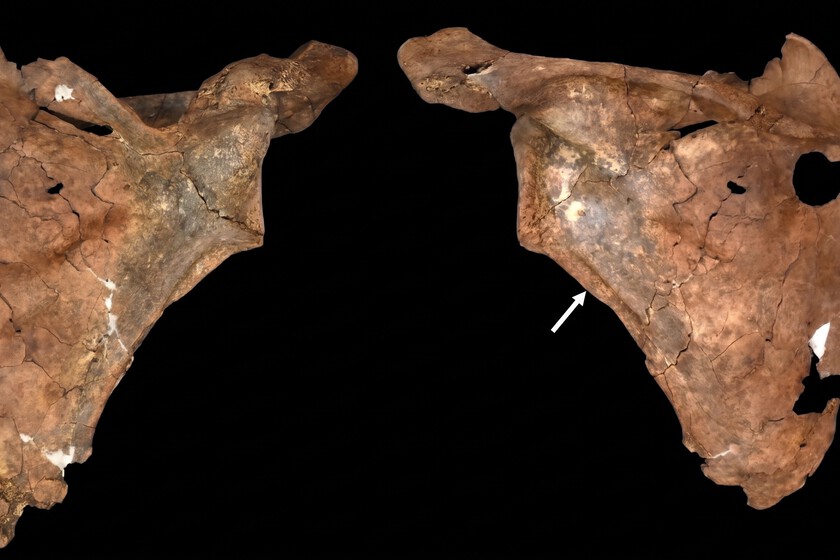
Researchers determined the injured Neanderthal likely survived at least a year, and possibly longer, after receiving a severe blow to the face.

Researchers found records showing a magnetic storm swept over Britain on October 18, 1848, coinciding with the time of the reported train delay.

The newly identified ‘salvia messii’ plant grows at altitudes ranging from 2,000 to 2,400 meters above sea level in the Peruvian Andes.

Claire Riffard analyzed Senghor’s work as part of a CNRS collection that previously featured writers like Baudelaire, Voltaire, and Virginia Woolf.
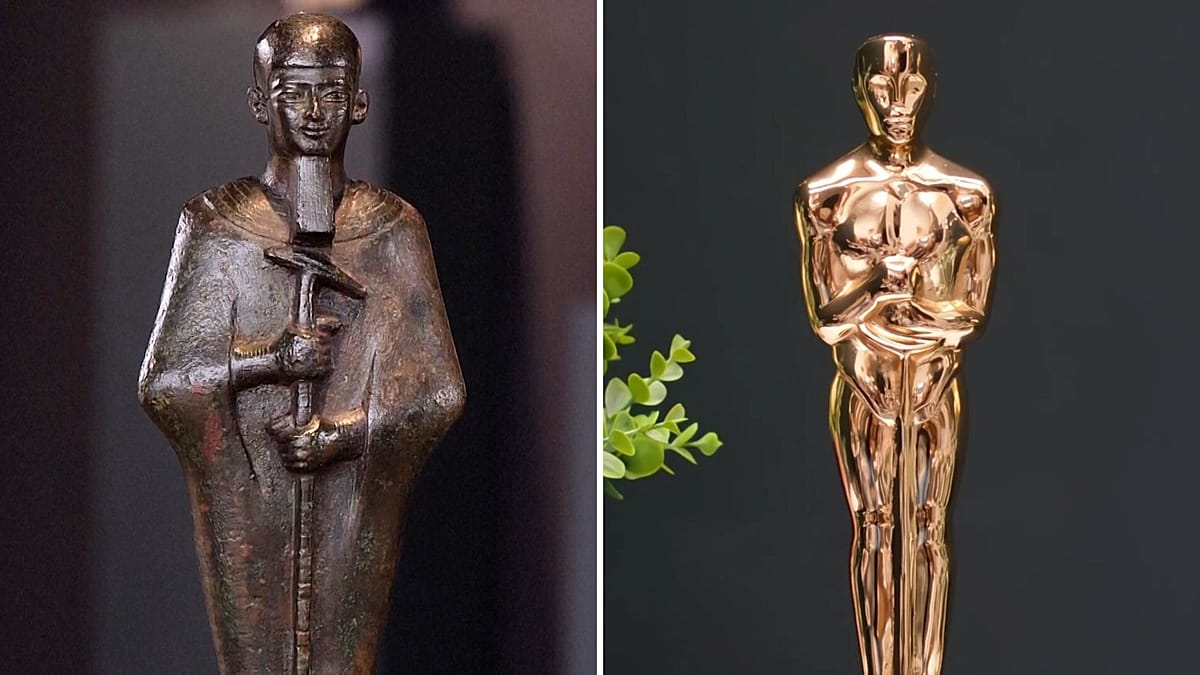
Cedric Gibbons designed the Oscar statuette in 1928, and frequently visited William Randolph Hearst, who owned the Ptah statuette.
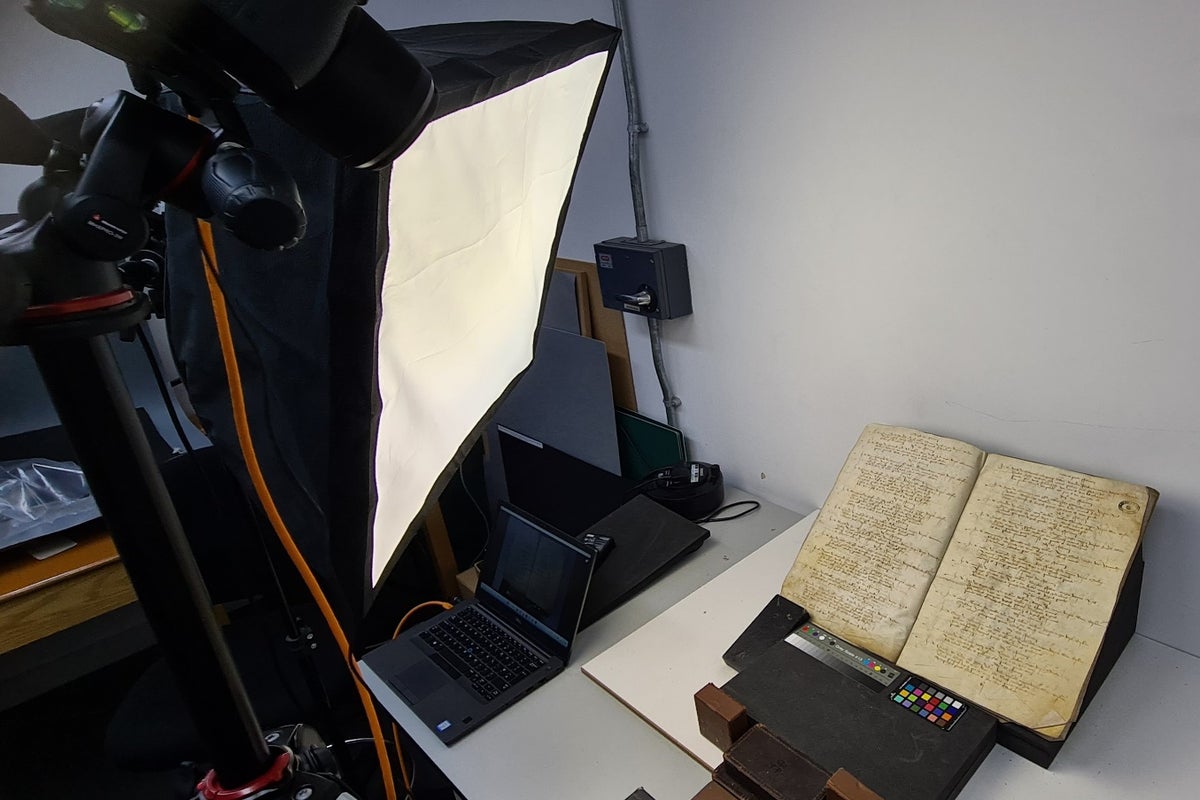
The research team identified over 101,000 cargo entries for coal, the most frequently recorded commodity in the historical customs data.
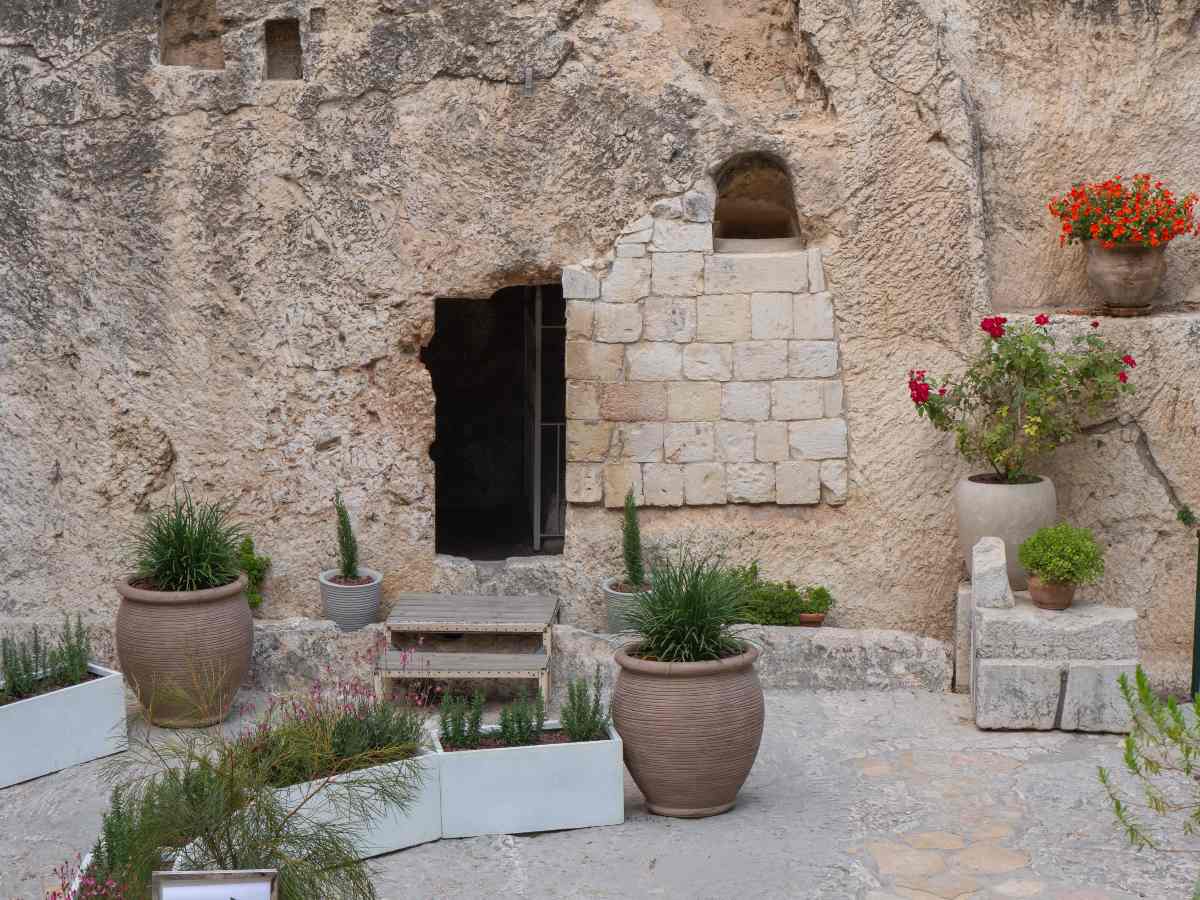
The discovered section of ancient road measures approximately 3 by 3.6 meters and features a wide, shallow step.
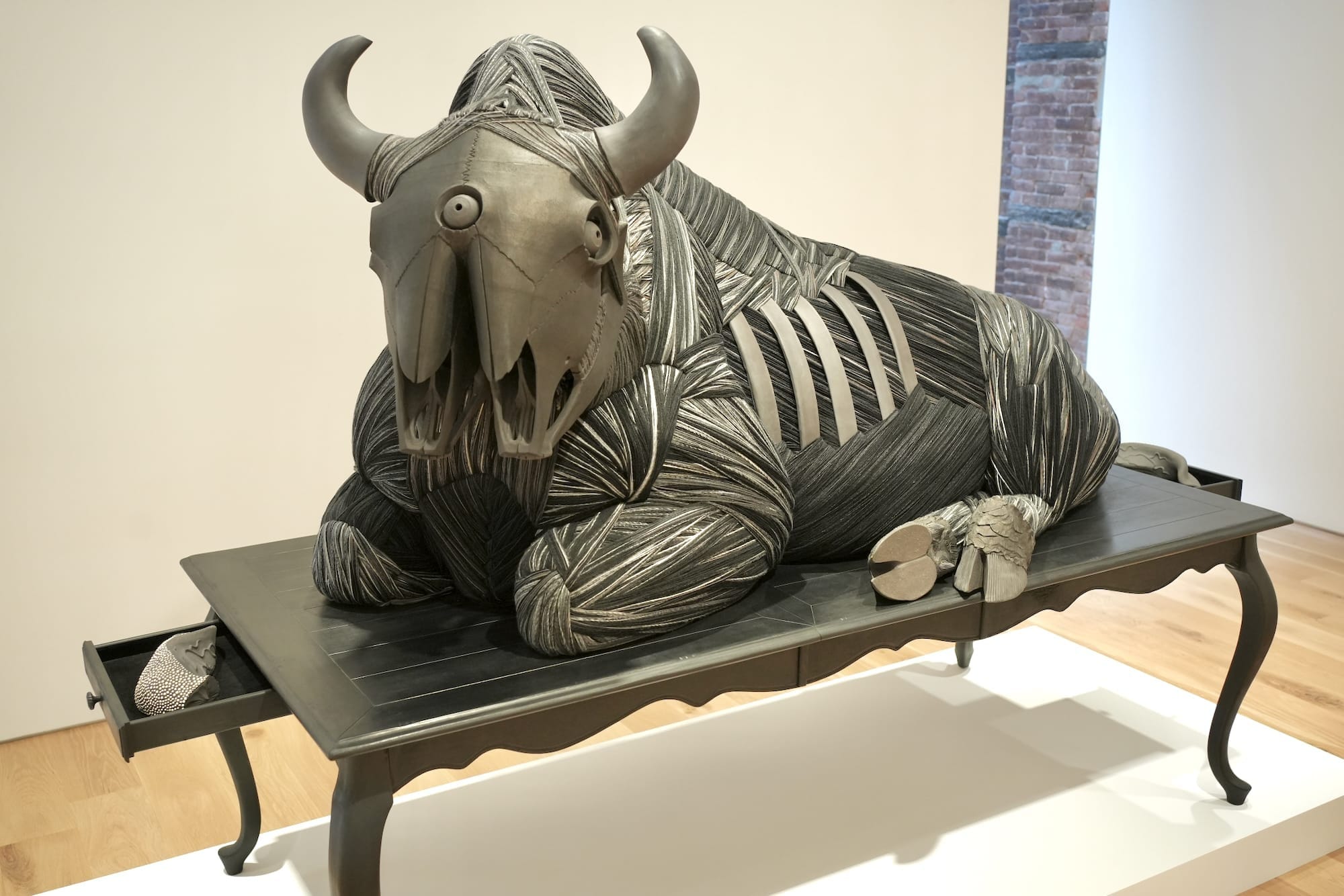
General Philip H. Sheridan once encouraged buffalo hunters to continue their work, believing they had done more to resolve the “Indian question” than the army had in thirty years.

Larpjaroensook’s sculpture Vehasayan uses real-time data from NASA to control its lighting and movement, reflecting the current distance of the Voyager 1 probe from Earth.
Archaeologists found three bronze artifacts, a double button, a dress pin, and part of a pair of tweezers, inside the 3500-year-old grave.

AI decoded a 200-year-old Napoleonic cipher in just six hours, a task that would have taken weeks for humans to complete.

Restorers discovered a velvet canopy hidden behind the walls of The Annunciation depicting the Virgin Mary’s virginity.
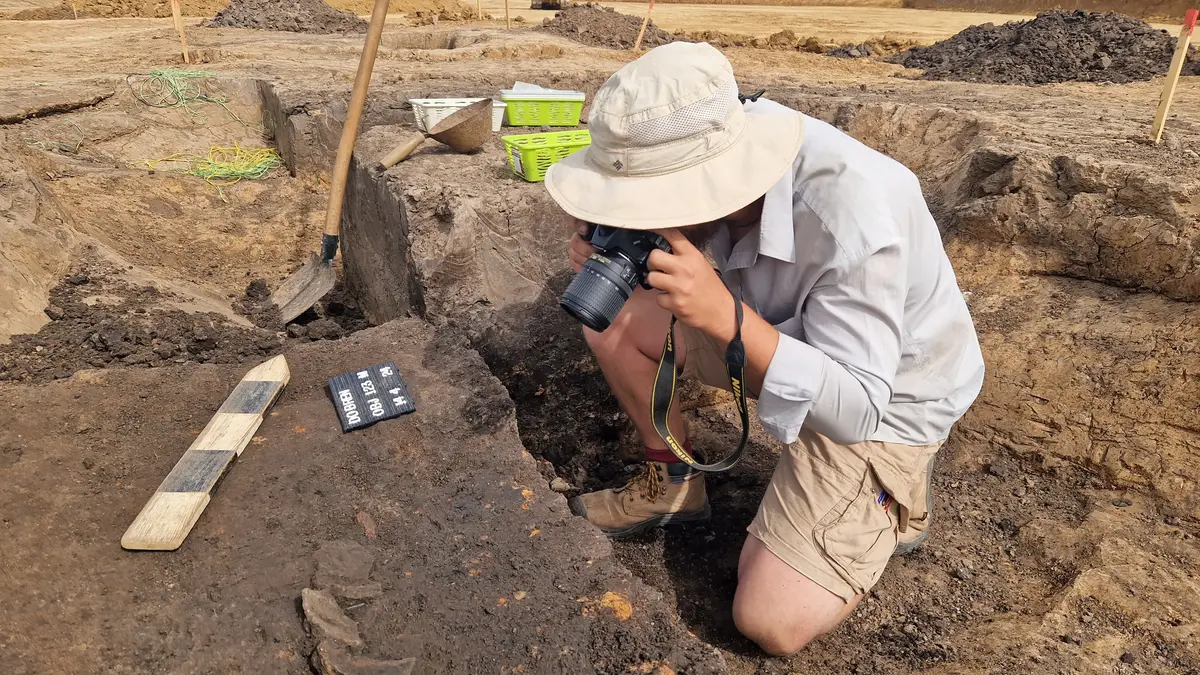
Daniel Pilař’s research covers sites not only in the Czech Republic, but also in Uzbekistan and Turkey.
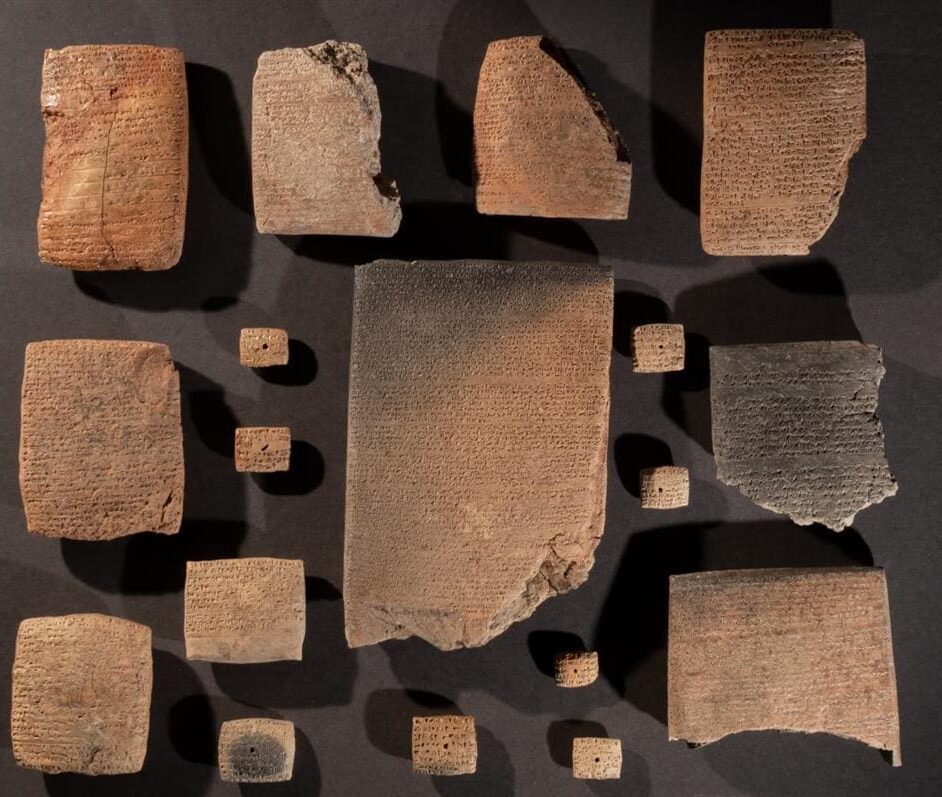
The newly discovered tablets bring the total number of tablets found at Kayalipinar to 184.

The stalagmite studied formed over 18,000 years, preserving a record of climate conditions in the Fertile Crescent.

The wooden spear used in the attack had a sharpened tip measuring approximately 1.5 centimeters wide.
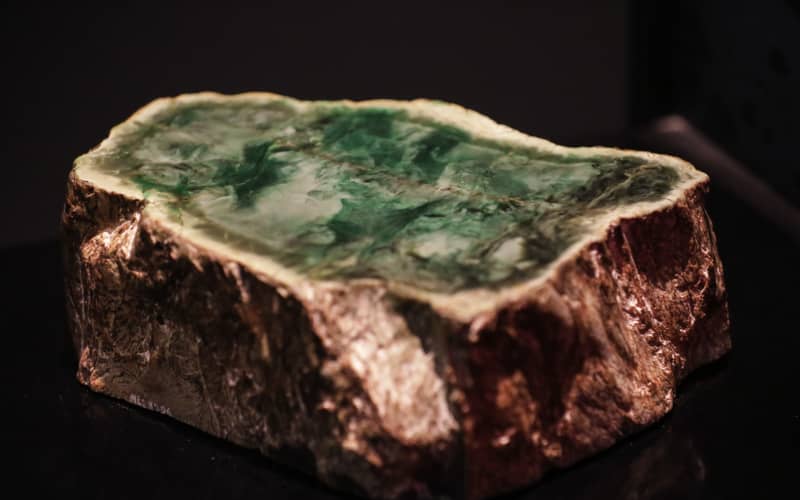
Pounamu is five times tougher than similar stones found in other countries, according to the scientists’ tests.

The rediscovered manuscript contains Vincenzo Monti’s poem, “Sciolti a Sigismondo Chigi,” which influenced the work of poets Ugo Foscolo and Giacomo Leopardi.

The newly discovered Salvia messii grows in a limited area of only 2,000 to 2,400 meters altitude in the Andes Mountains.

Archaeologists confirmed the skeleton in Otto I’s tomb matched contemporary descriptions of the emperor, despite the tomb being disturbed multiple times over the last millennium, including use as a stable by Napoleon’s forces.

The newly identified Herugavialis cairensis fossil skull was missing its snout, mirroring the missing nose of the Great Sphinx.

Edward Guidice has practiced the Baile en Candela ritual for 30 years and has been a devotee of María Lionza for 42 years.

Researchers identified layers of two copper oxides, tenorite and cuprite, beneath the black coating on the statue, indicating a deliberate process may have created the color.

Researchers identified trauma on 18 of 46 skulls, with injuries including linear fractures likely causing rapid loss of consciousness and internal bleeding.

Chinese medical texts document a practice of repeatedly transmitting inoculation material through at least seven people to improve its quality and reduce reactions.

Researchers analyzed genomes from 103 bat species, representing all 21 living bat families, and data from 44 prehistoric fossils to reach their conclusions.

Archaeologists recovered over 30 large clay vessels, called amphorae, from the wreck, many still containing traces of their original contents after millennia underwater.

Agbegnigan Yaovi’s books cover journalism, diplomacy, and cultural identity, all with a focus on how communication impacts contemporary African society.
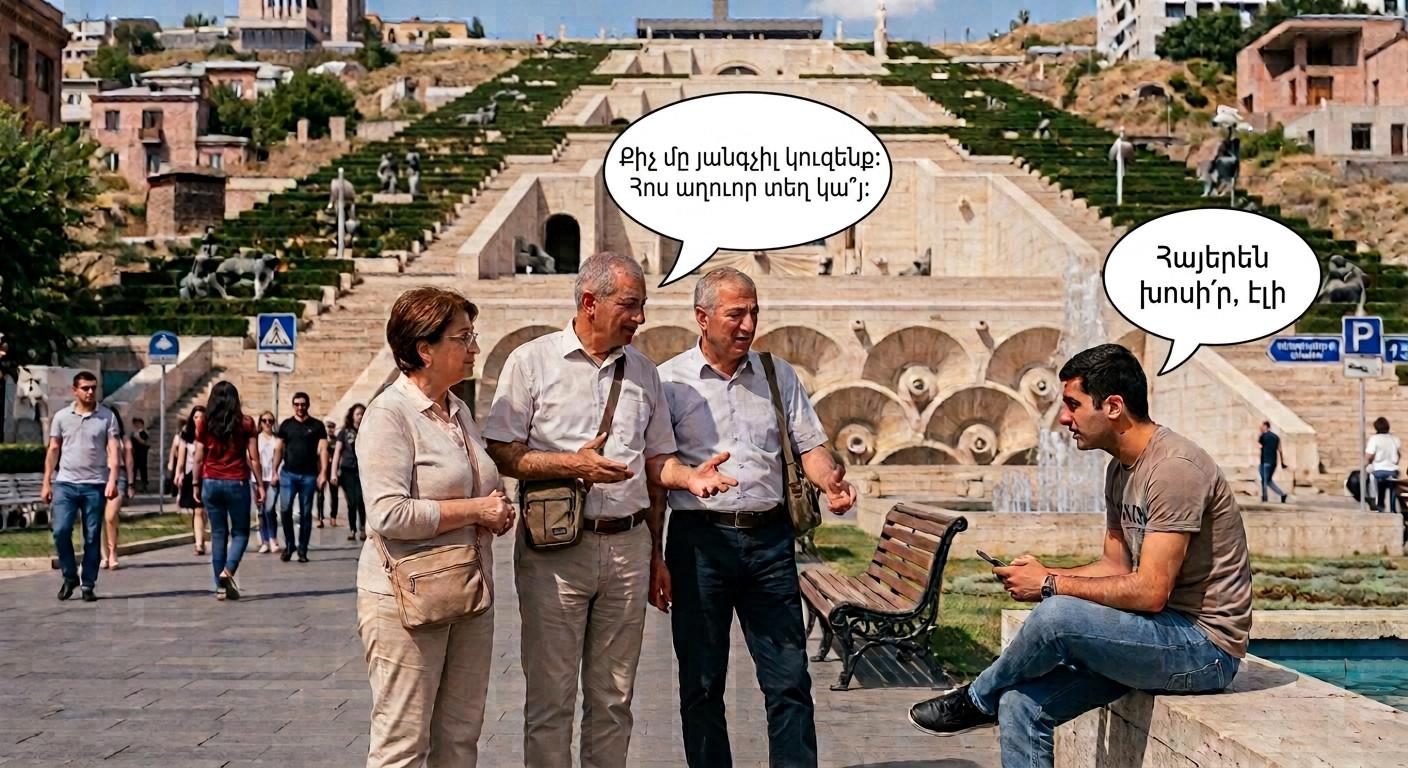
The Calouste Gulbenkian Foundation has injected significant funding into Armenia to support Western Armenian preservation efforts.
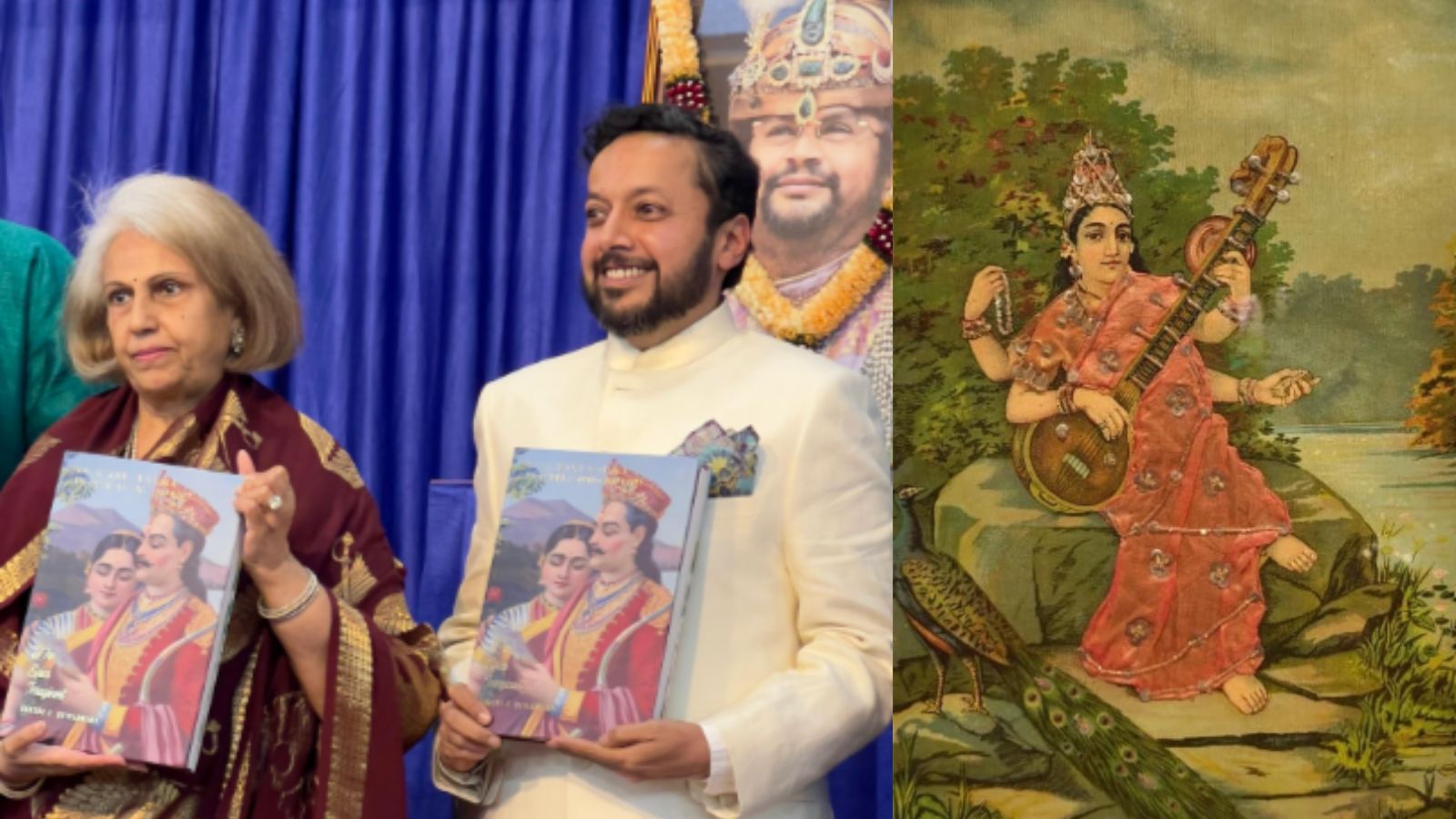
Ganesh Shivaswamy has completed four volumes of his six-volume series on Raja Ravi Varma, after years of research into archives and family collections.
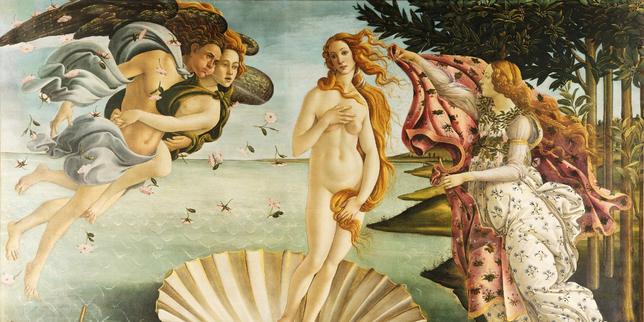
Simonetta Vespucci died at the age of 23, and scientists have now identified a cause of death different from the long-held belief that it was tuberculosis.
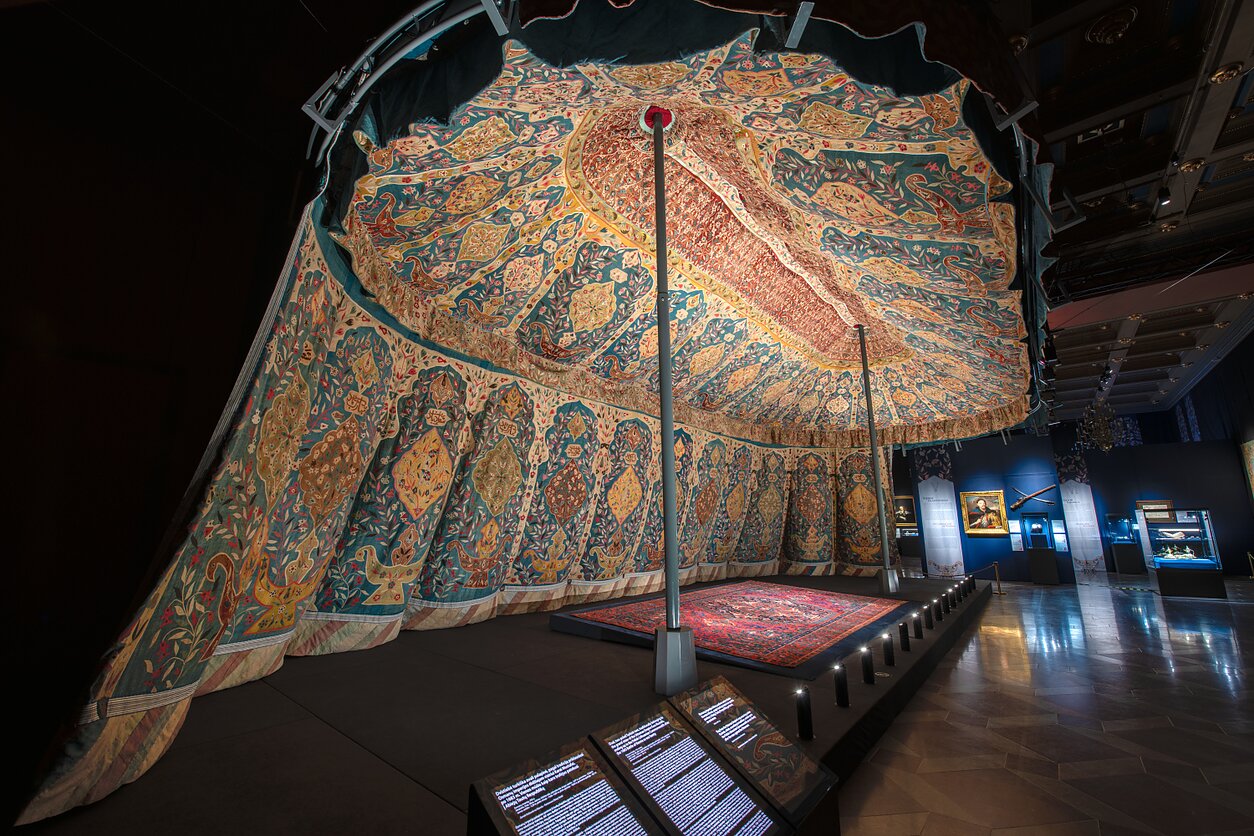
Archaeologists uncovered eight fragments of Iznik pottery at the Lower Castle of Vilnius, a rare find in Lithuanian archaeological materials.

Fontana received a commission to paint more than 12 religious paintings for church altars, challenging the assumption that women could not secure such prestigious work.
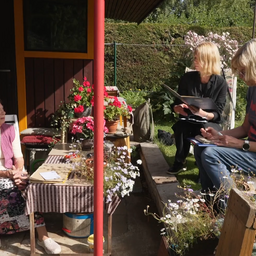
Estonia’s researchers are mapping a heritage of nearly 50,000 summer cottages built between 1950 and 1980.

Margarita Xirgu carried nine dresses from a 1930 Lorca play to Uruguay, where they remained undiscovered for over 80 years.

The newly discovered male grasshopper measured approximately 55.5 millimeters in length.
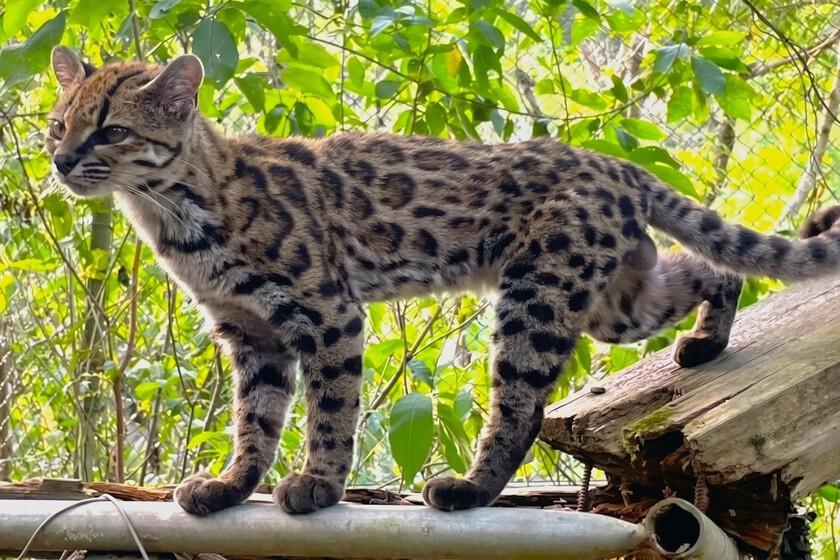
Genetic analysis revealed the new cat species diverged from other tigrina cats approximately 1.4 million years ago.

The new monograph spans almost 400 pages and details 50 years of the Zgraf international design exhibition.

Renate Quastler’s diary, discovered on eBay for $9,500, contains photographs showing her father, Ernst Quastler, standing with Willy Rudolf Foerster at a company event in Tokyo.

The researchers’ model describes awakening as a graded shift along a “dereification gradient,” moving from fixed to relational experience.
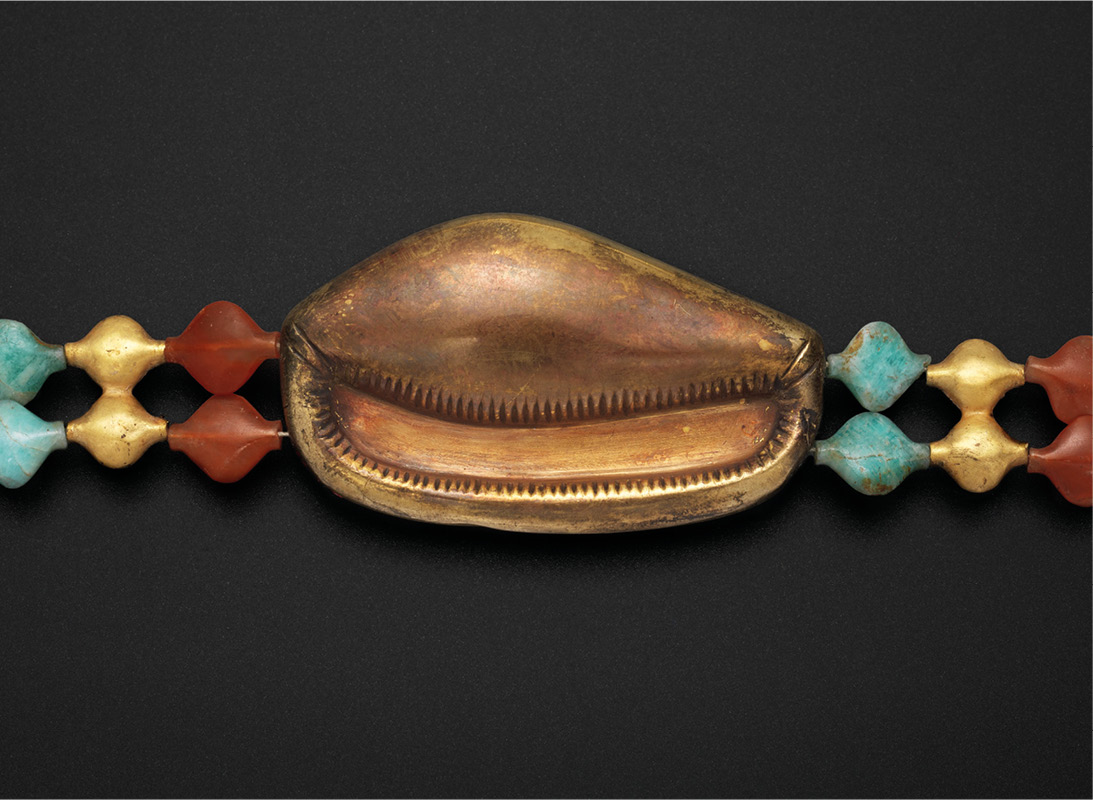
By the Naqada III period (around 3200-3100 BC), Egyptians were incorporating lapis lazuli, sourced from present-day Afghanistan, into their personal adornments.

The first statue’s base and figure together would have stood 8.5 meters tall.
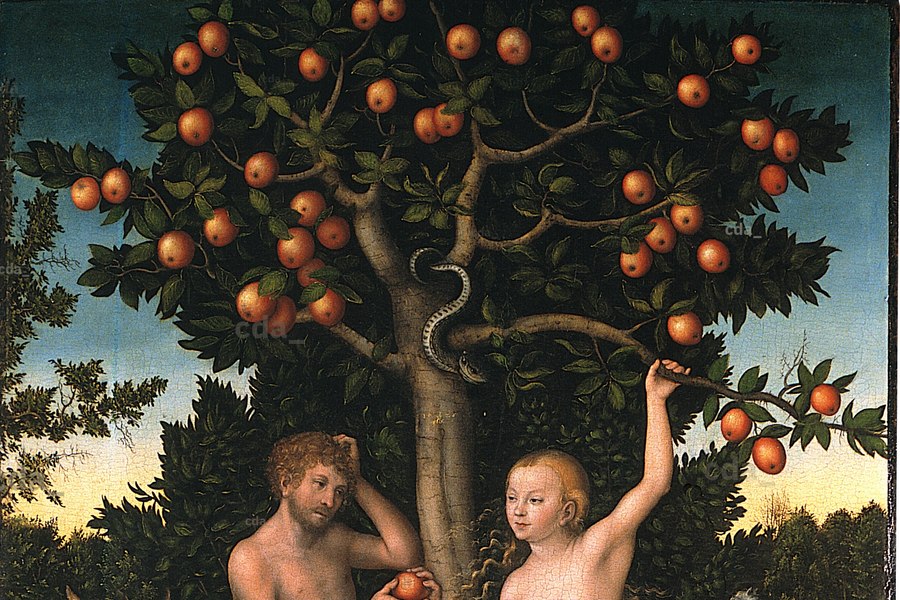
Nikolai Vavilov identified Malus sieversii, a wild apple species from Kazakhstan, as the direct ancestor of the apples people eat today.

Daverio connected the word “moderno” (modern) to the “modus parisiensis,” a faster writing style developed with goose quill pens in 11th-century France.

The excavated head of Ramses II measures 1.60 meters tall, including the crown.
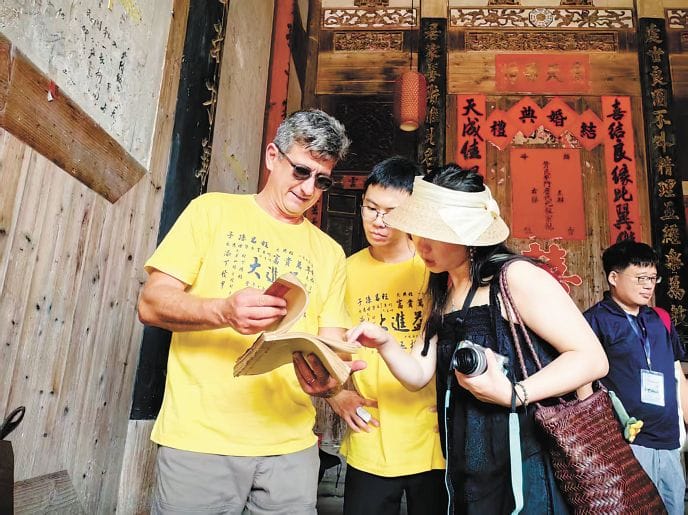
Historians in Yongtai county discovered over 152 well-preserved fortified manors dating back to the Tang Dynasty.

Despite living over 2,000 kilometres from Oromia, Ethiopia, the Orma Oromo community in Kenya has preserved its language and culture for more than 500 years.

The Cheapside Hoard contains nearly 500 jewels and precious objects dating from the Elizabethan and Jacobean eras.

The event at Chunghyodang drew approximately 800 attendees who spoke Korean, Vietnamese, and English.

The newly discovered Vitreorana micaelae measures only 2.2 to 2.6 centimeters in length.
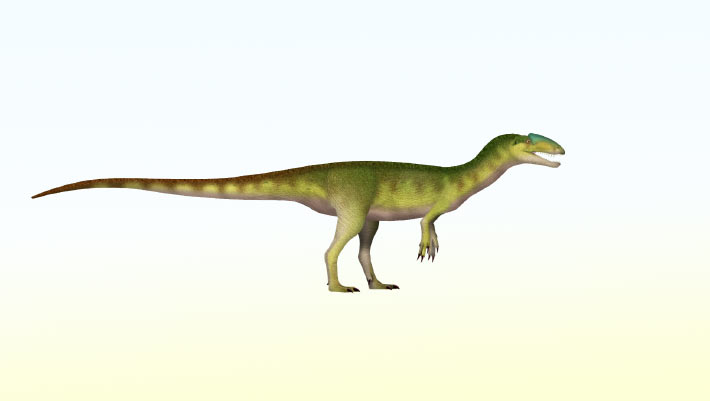
The discovered vertebra dates back more than 220 million years to the Late Triassic epoch, making it the oldest dinosaur remain found on the Iberian Peninsula.

Researchers recovered 185 pairs of DNA base sequences from Plasmodium falciparum and 43 from Plasmodium malariae in Francesco I de’ Medici’s ribs.
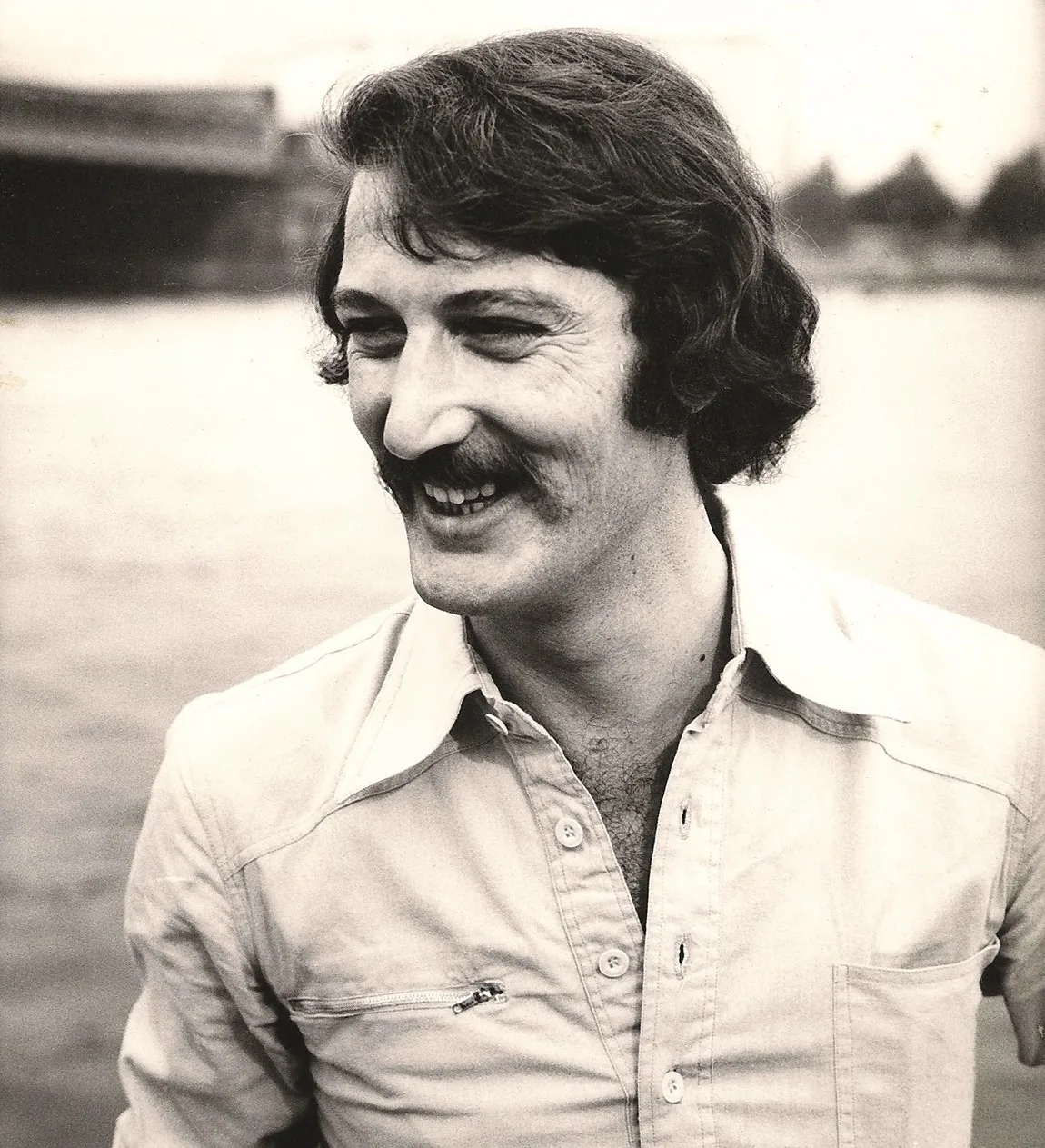
Suleiman Mansour’s painting “Jamal al-mahamel” sold for approximately $257,000 at a Dubai auction in 2015, with proceeds supporting regional artists.
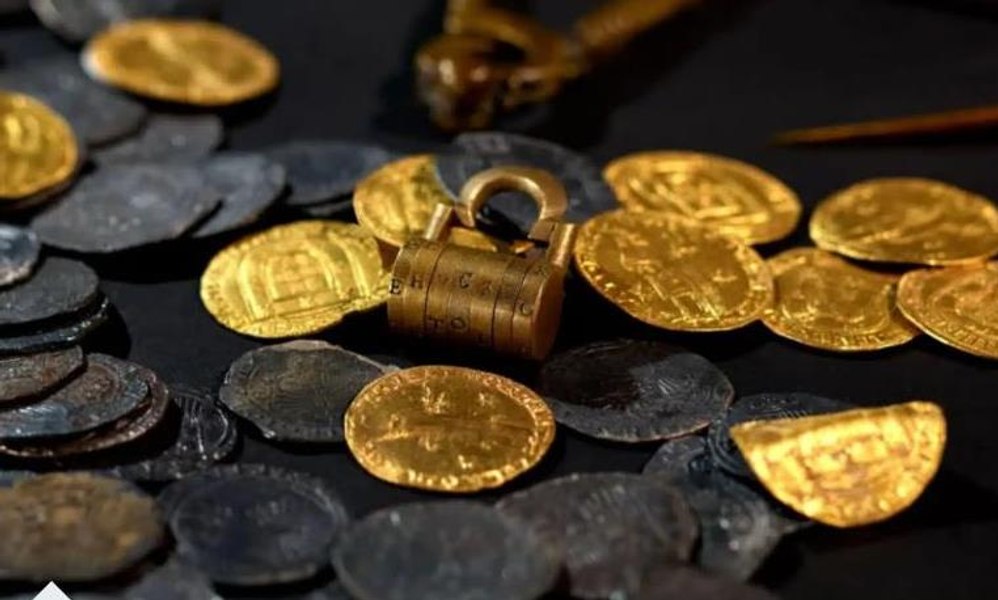
Peter Hughes found approximately 870 gold and silver coins on a beach in Wales after searching for 21 years.
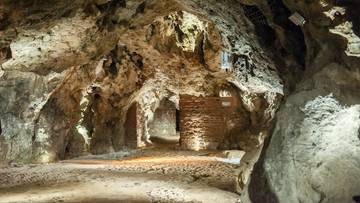
The detector installed in the Dragon’s Den will help scientists create a density map of the hill’s interior, similar to a CT scan but using natural radiation.

The regression model achieved an R-squared value of 0.85, indicating a strong ability to predict gender from Hanzi names.

Ethiopia moved from importing one billion dollars’ worth of wheat annually to producing enough for domestic consumption, with surplus reaching Djibouti and Kenya.
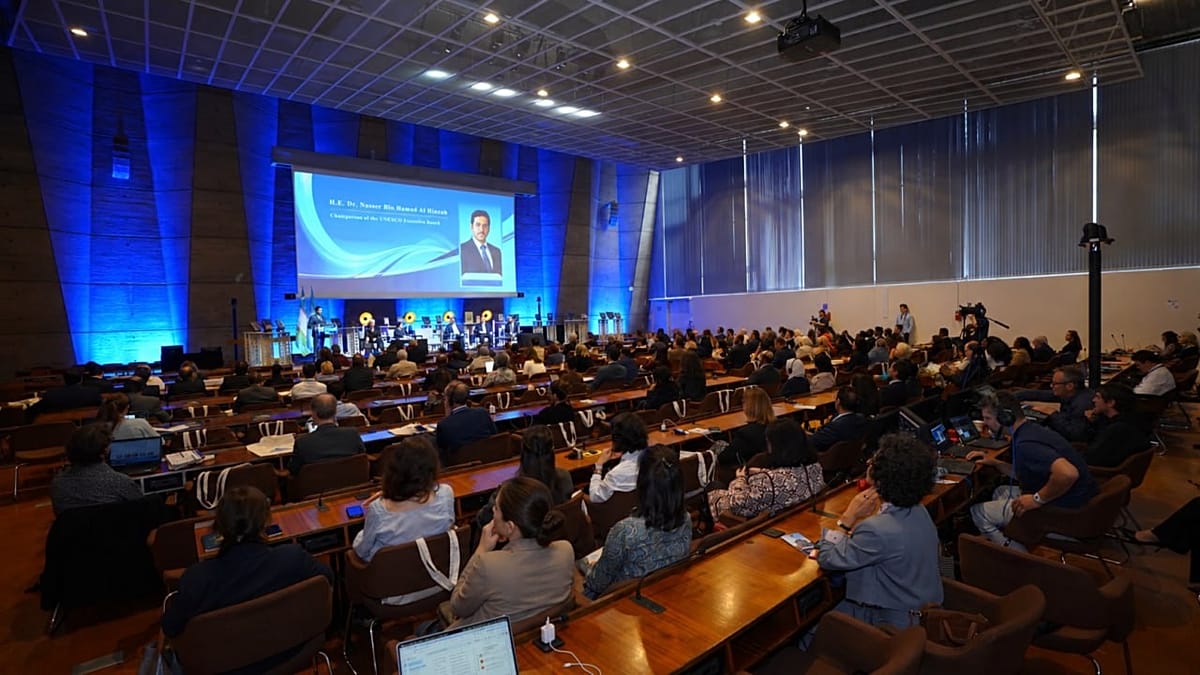
The Islamic Civilization Center in Tashkent displays exhibits tracing more than 3,000 years of history on the territory of present-day Uzbekistan.
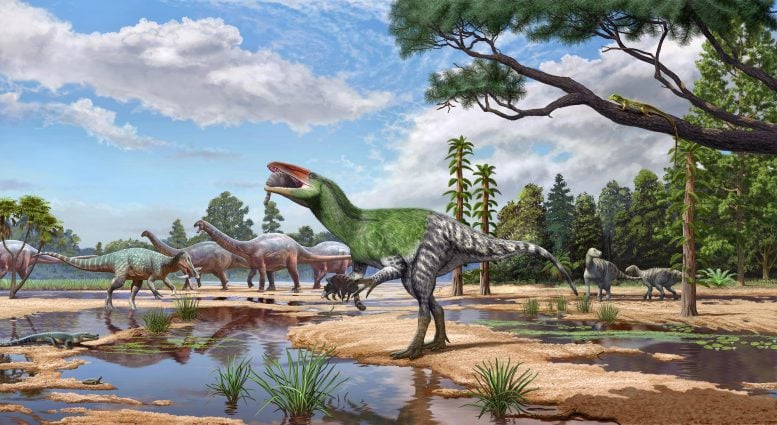
The Invictibellatrix amberina fossil sat in the Natural History Museum’s collection for almost 100 years before researchers recognized it as a new species.

The knots of gas surrounding the star are so large that ten of our solar systems could fit inside each one.
J.C. Bradbury’s book is 440 pages long and examines publicly financed stadium projects.

Inaash, founded in 1969, has provided income and employment to displaced Palestinians through embroidery for over five decades.
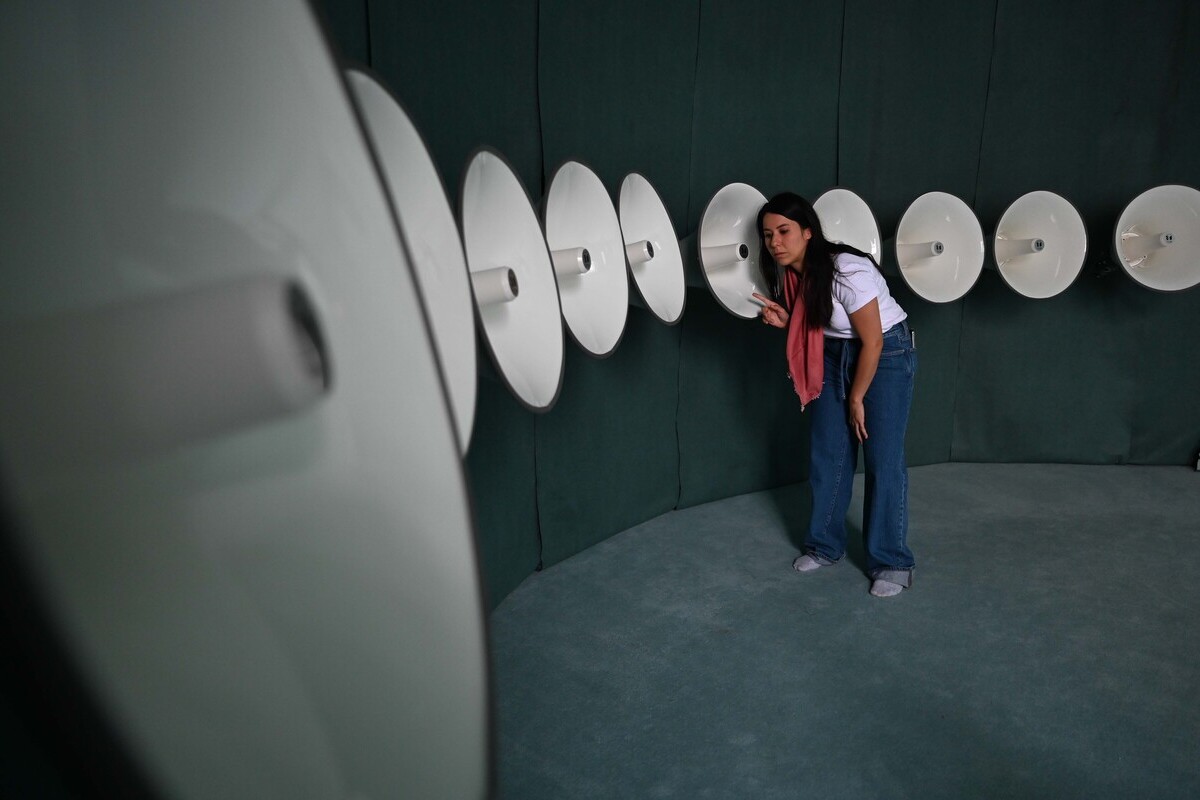
The installation uses recordings of the adhan from different geographies, amplified through horn speakers.
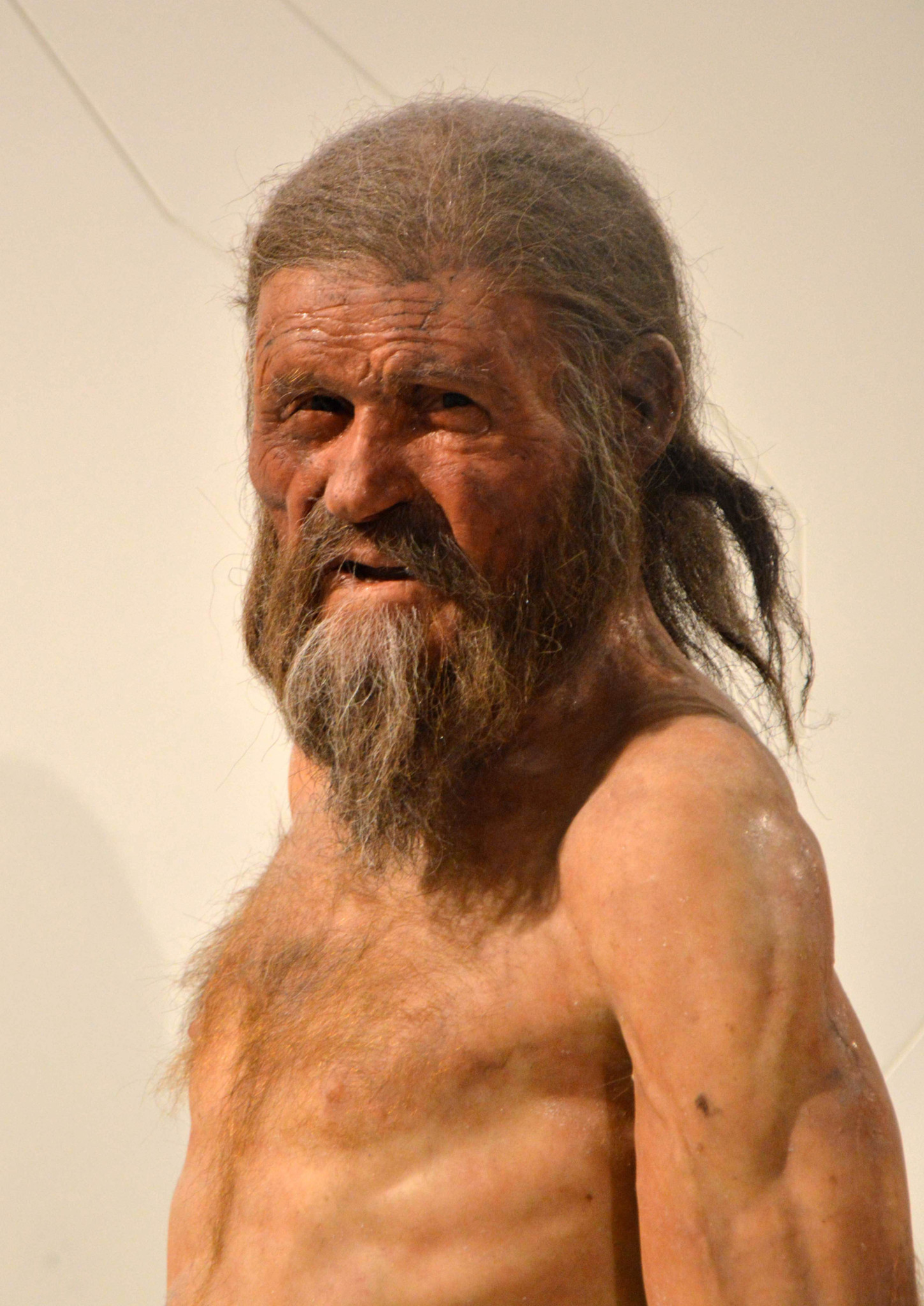
Ötzi lived over 5300 years ago, making him a uniquely studied mummy from the Copper Age.

The MPB Corpus contains symbolic annotations for 500 pieces of Brazilian Popular Music across four key musical parameters.
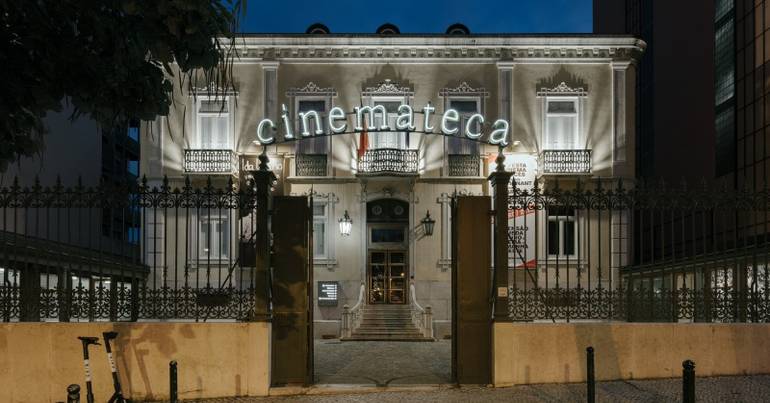
Duarte Veloso purchased the film negative for just 25 euros at the Feira da Ladra flea market in Lisbon.

The book sold for £16,640, which is 20.8 times the auction house’s initial upper estimate of £800.

Tromerosaurus solumons measured 8 meters in length and lived approximately 77 million years ago in Canada.
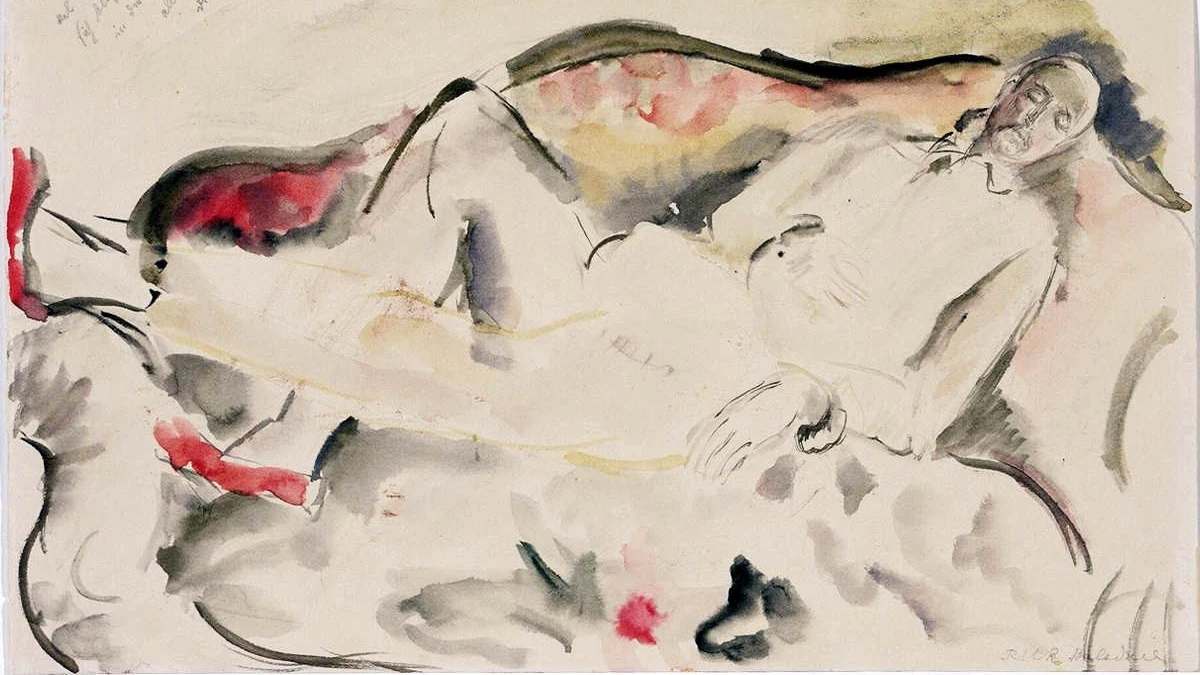
Julia Franck accessed original letters from the Fondation Bodmer archive to reconstruct the relationship between Rilke and Klossowska.

Jan Glazewski’s father sketched the map to the buried treasure nearly 50 years after the family initially hid it in 1939.

Anne Carson’s book Bitter-Sweet Eros draws on the work of Sappho, a Greek poet who lived two thousand years ago.
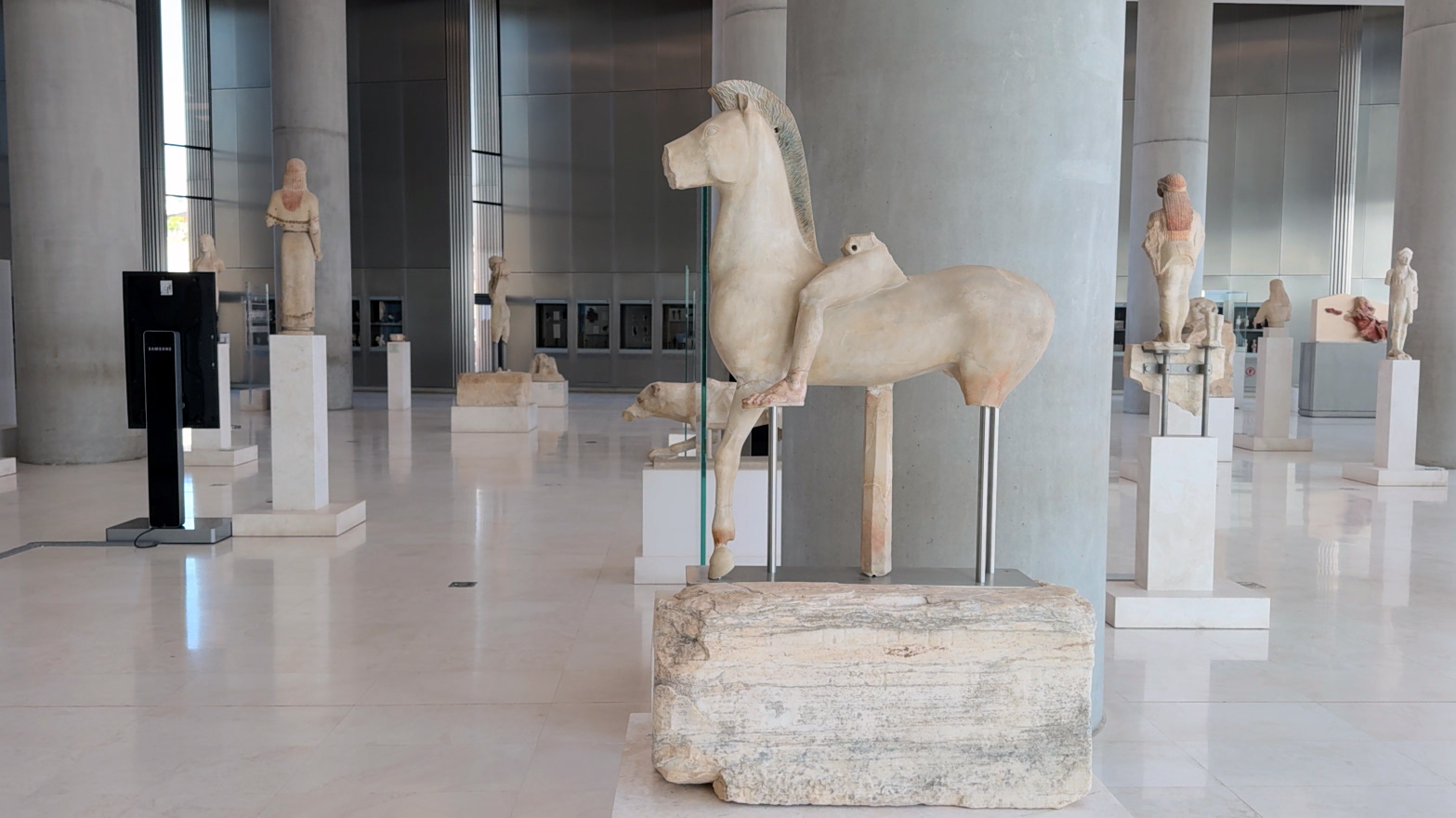
The statue, dating from 510 to 500 BC, was reconnected to its original ancient base after decades of being displayed on a different support constructed in the 1950s and 60s.

Researchers recovered 249 near-complete bacterial genomes from 194 prostate cancer patients, identifying 24 species not previously recorded.
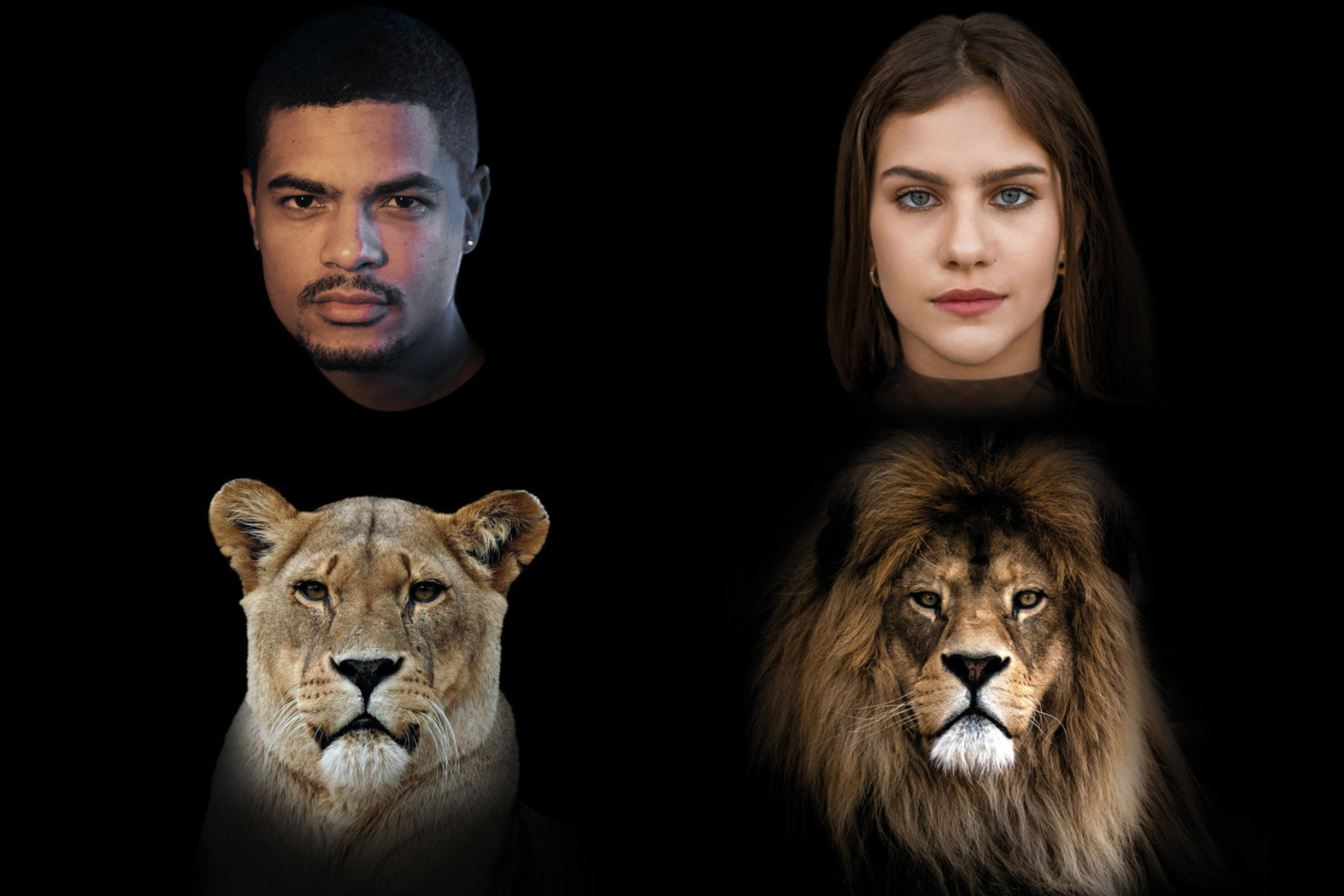
The meta-analysis compiled the largest-ever collection of data on facial attractiveness, with over 1.5 million individual face ratings.

The excavation team uncovered evidence of a brick floor, potentially offering clues about the building’s original purpose.

Annemarie Heinrich’s archive in Argentina contains an estimated 130,000 photographic negatives and related documents.

Menahem son of Yawbanah, a northern scribe, left over a dozen seal impressions in and around Jerusalem.
Computer analysis determined William Shakespeare wrote 63% of the lines in “Edward III”, while Christopher Marlowe contributed 26%.
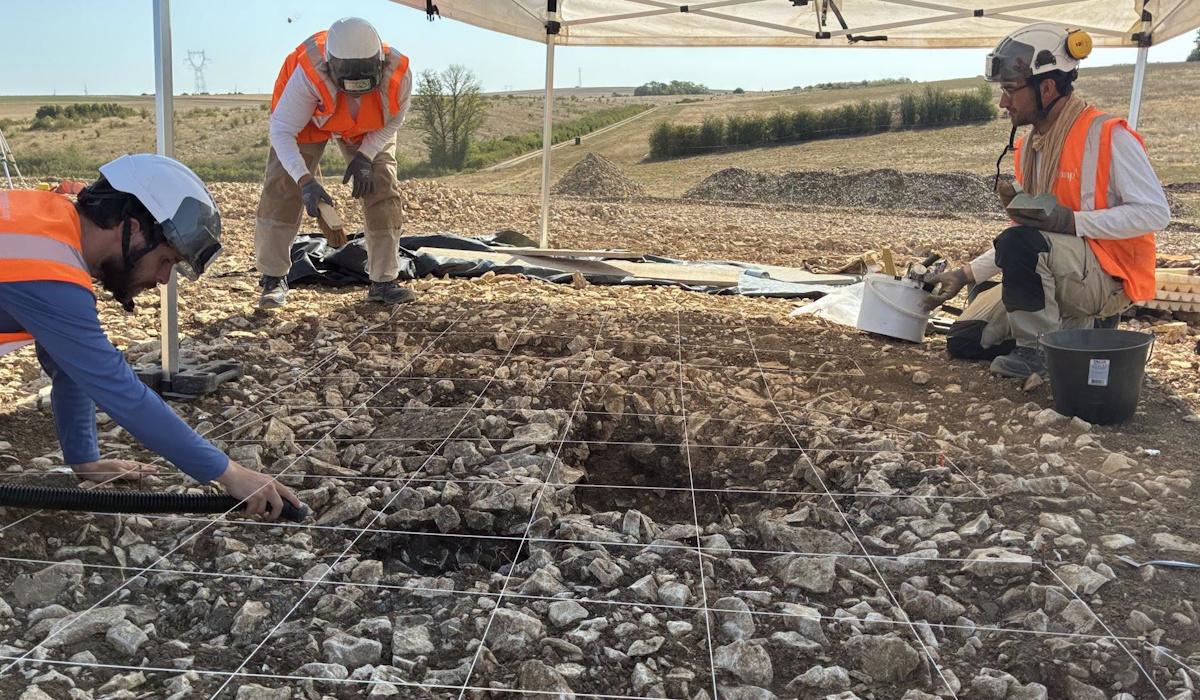
Archaeologists uncovered approximately 300 post-built structures across an area of 1200 square meters, indicating a substantial Roman settlement.
The Australian horror film “Talk to Me” earned $92 million at the box office from a production budget of $4.5 million.

A study published in 2019 listed over 4000 scientific papers that connect “Clever Hans” and “Artificial Intelligence” in the Google Scholar database.

F. Holland Day staged photographic interpretations of the Crucifixion in a series titled The Seven Last Words of Christ, acting as both director and photographer.

Lee I-nam’s digital screen ‘Micro Landscape-Geumgang Inner Mountain’ measures 4.8 meters wide and is composed of magnified patterns created by moving microorganisms.
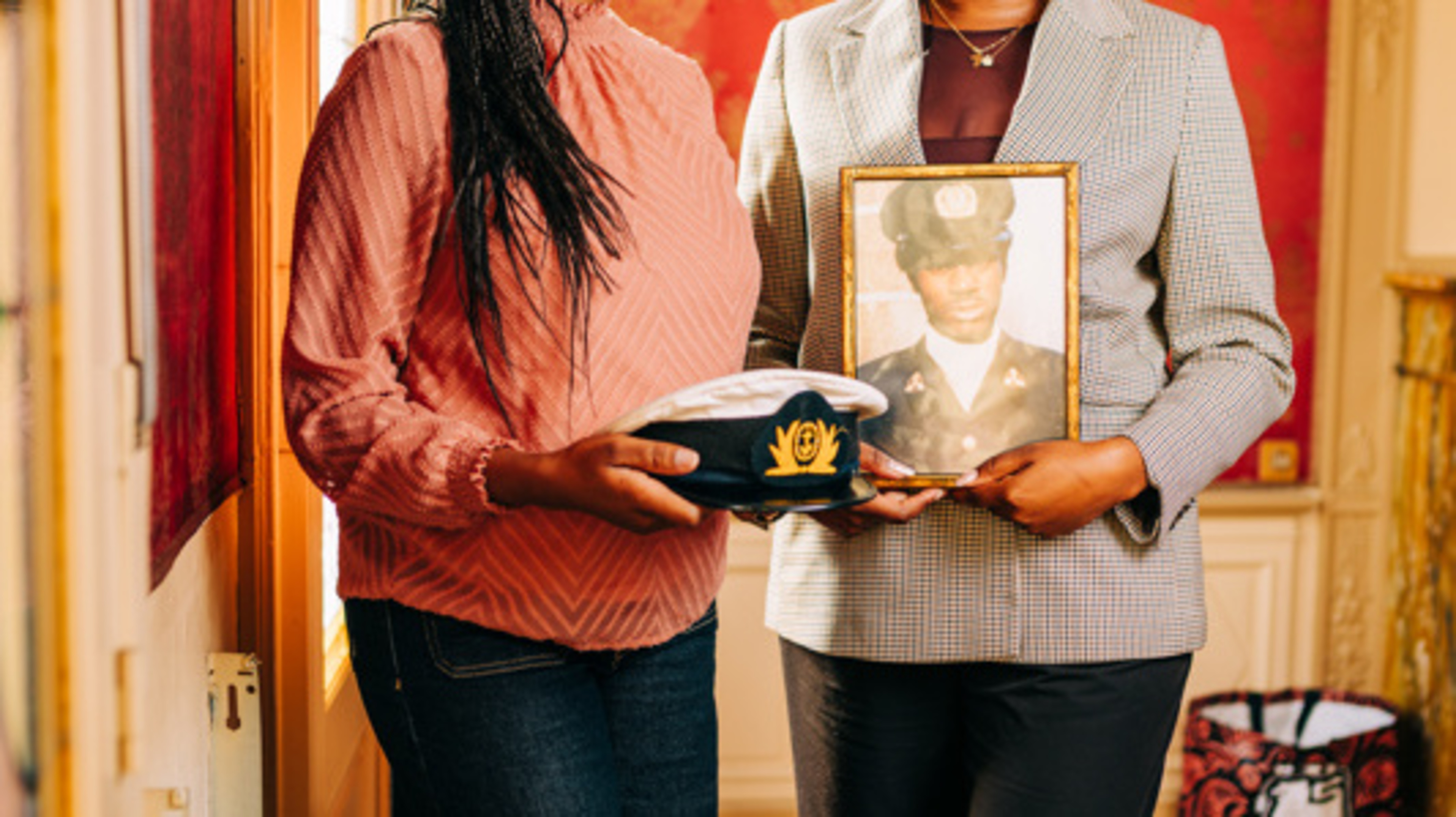
The Mbuyi sisters believe the Congolese sailors who studied in Antwerp were the first members of the Congolese community in the city.
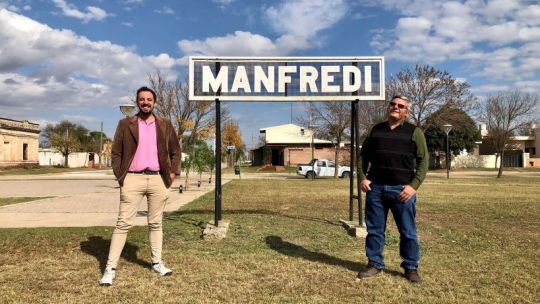
The historians have created 30 digital archives and identified the founding dates for 16 towns in the Córdoba region of Argentina.
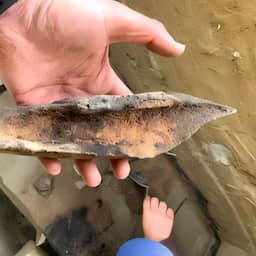
The Alaskan camp is almost 13,800 years old, offering a window into the lives of North America’s first people.

Researchers observed that skilled language learners process unfamiliar speech as acoustic signals, enabling them to overcome patterns from their native language.
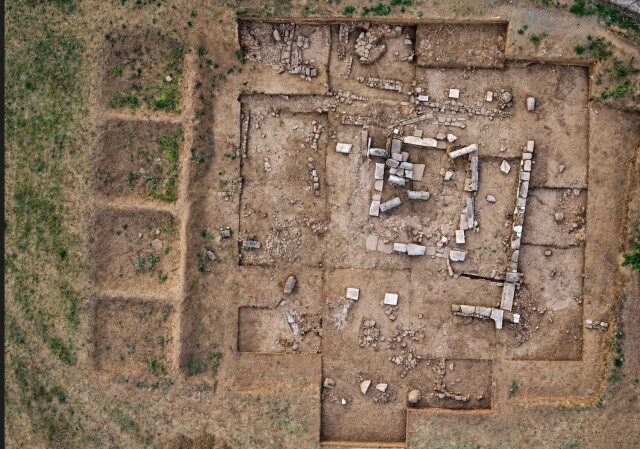
Archaeologists uncovered a square building with a courtyard at Ancient Arsinoe, revealing traces of renovations and multiple phases of use.

The National Heritage Board described the Viking artifact as “extremely unusual” in Scandinavia.

Researchers found lead concentrations as high as 69.1 parts per million in the tooth enamel of medieval people living near lead mines.
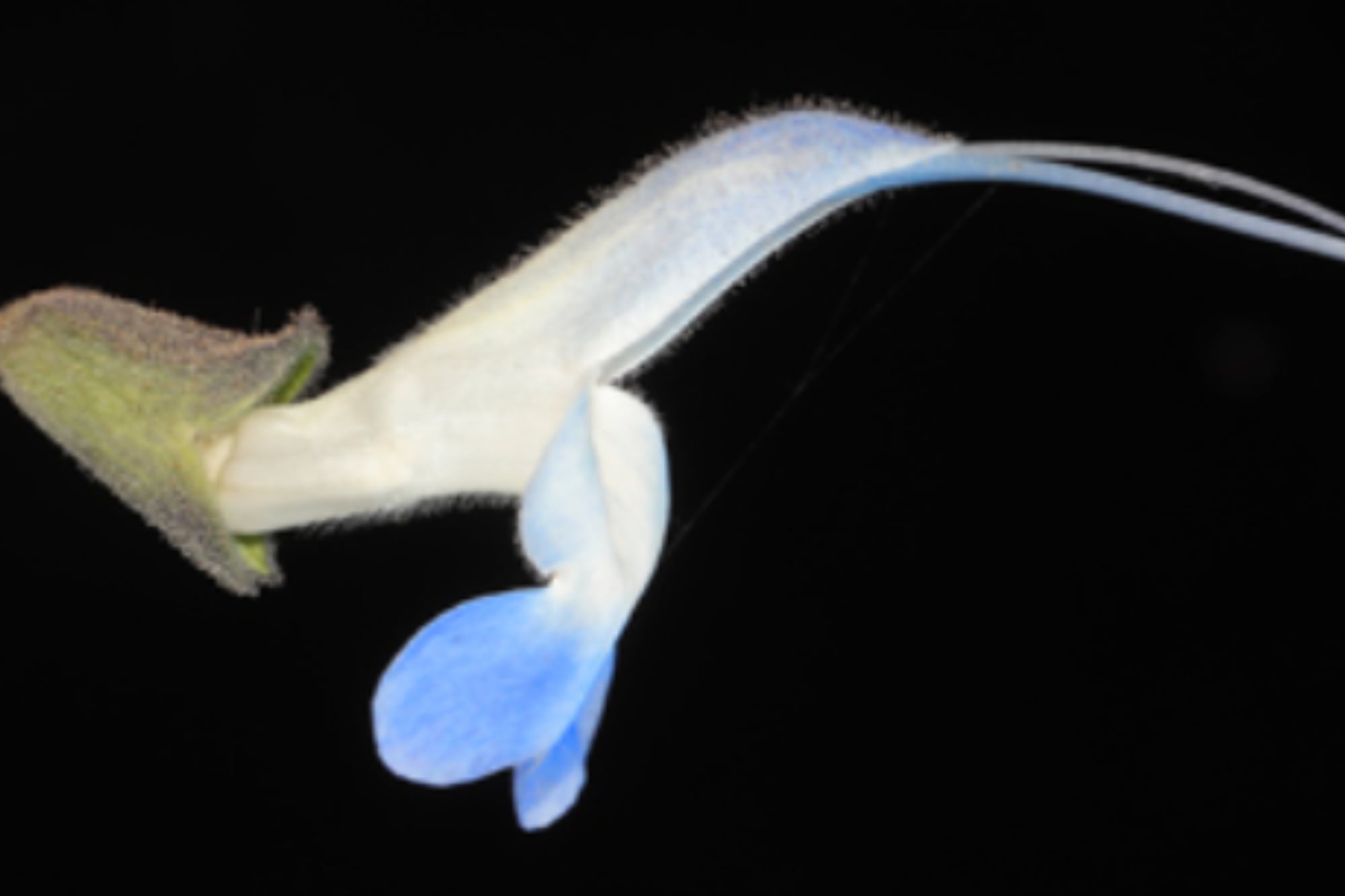
The newly discovered Salvia messii plant grows at elevations between 2,000 and 2,400 meters in the Andes Mountains.

Elif Shafak's new book tells the story of Gustave Flaubert through the eyes of people and animals including his wet nurse, mother, and a camel.
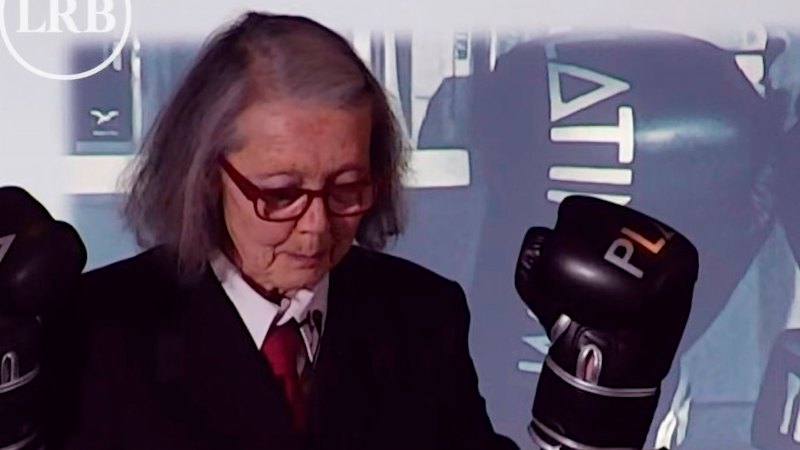
Anne Carson delivered the Robert Fagles Lecture at Princeton University while wearing boxing gloves, a practice she uses to help manage the effects of Parkinson’s disease.
The town of Trebonne once boasted two grocers, two bakers, a sawmill, a post office, a pub, a butcher, and its own petrol pump, all revolving around the Basque handball court.
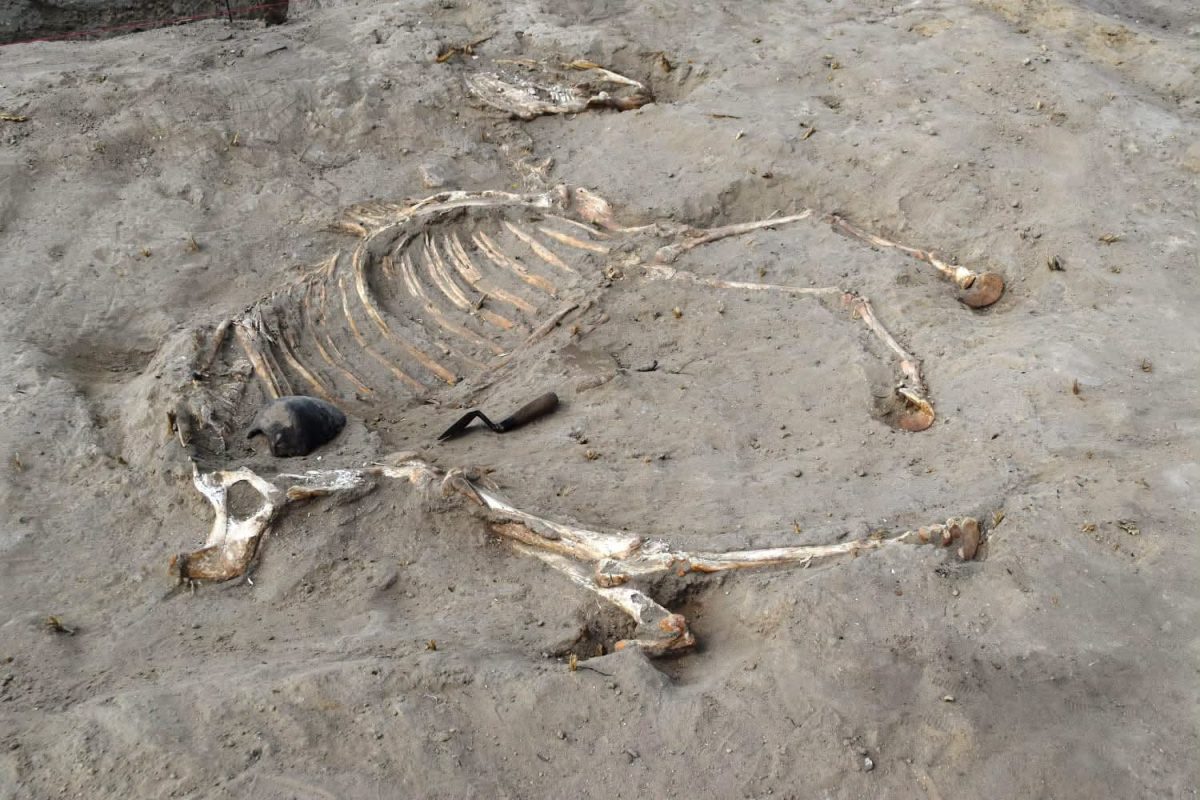
The horse dates to the New Kingdom, a period of ancient Egyptian history lasting from about 1550 to 1070 BC.

Alf Webster created as many as 40 stained-glass windows across Scotland before dying at age 31 while serving with the Gordon Highlanders in Ypres.
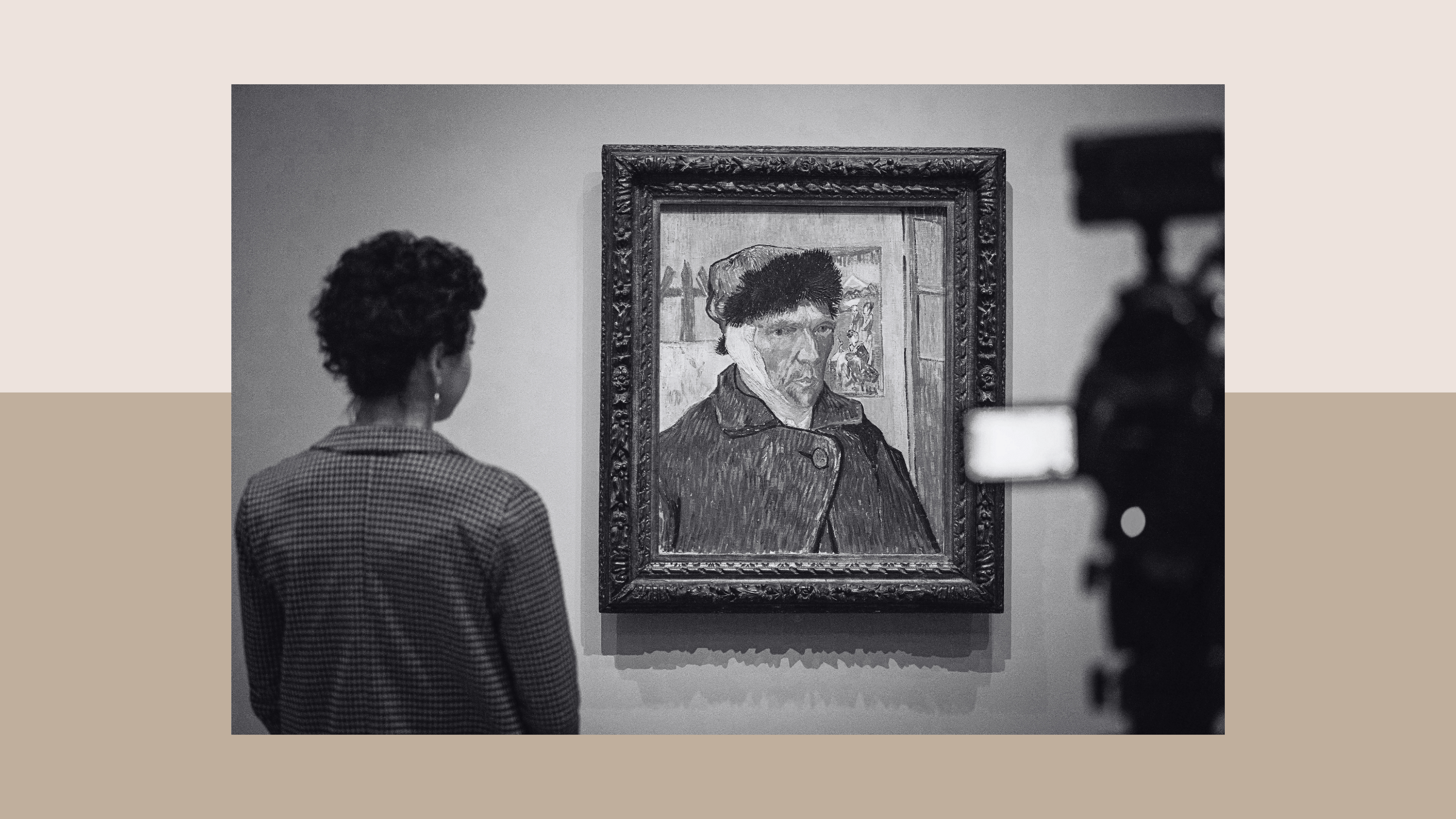
Jo van Gogh-Bonger published a three-volume collection of Vincent van Gogh’s letters, now considered a vital work of art history.

Johanna Bonger’s 1905 exhibition at Amsterdam’s Stedelijk Museum displayed 484 of Vincent van Gogh’s works, making it the largest van Gogh show in history.
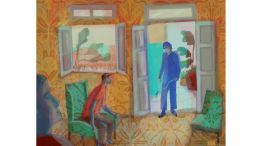
Podlubne’s book covers a period when Rosario was considered the center of intellectual formation in Argentina, according to Josefina Ludmer.
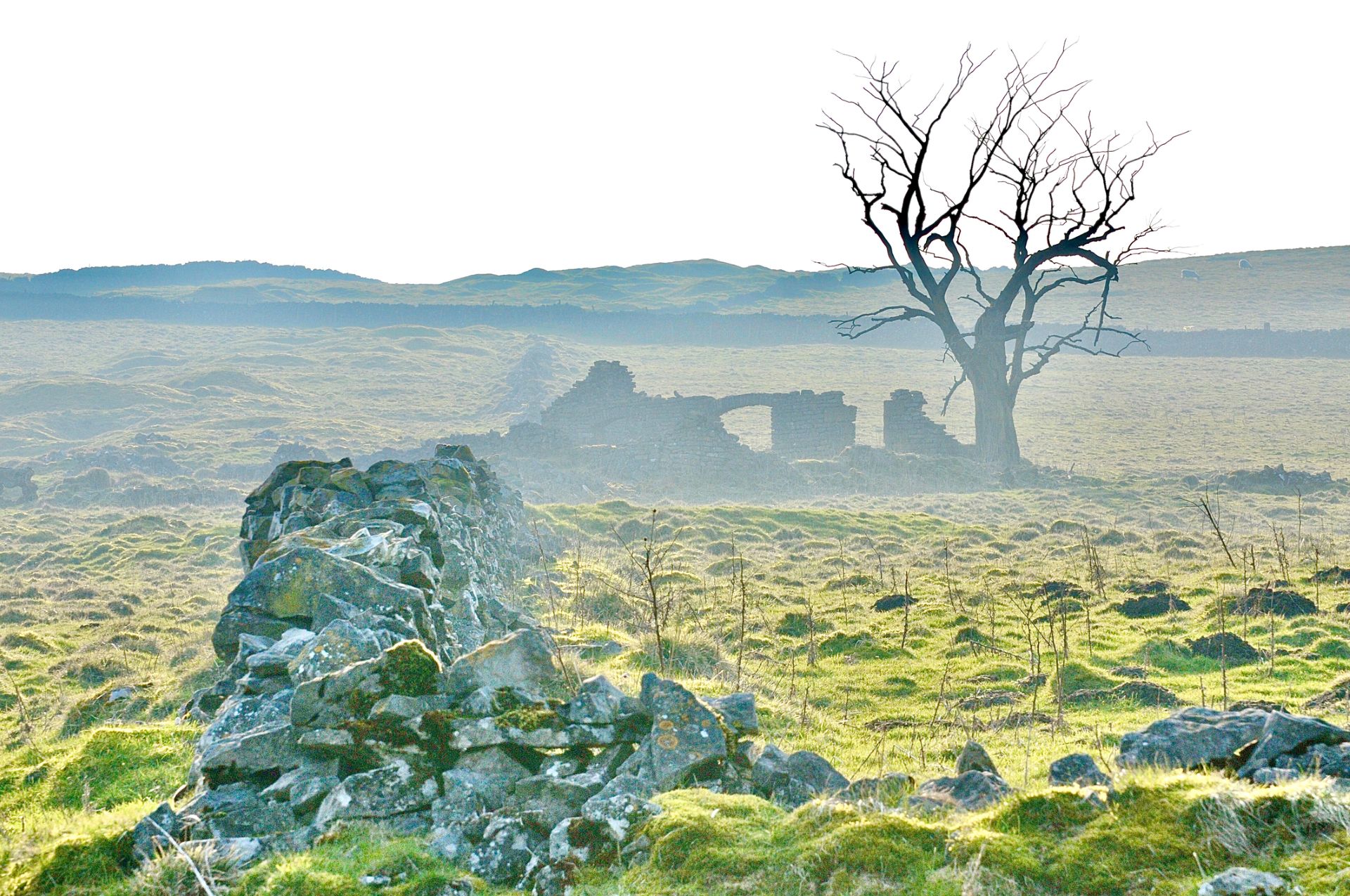
Researchers found consistently high lead uptake in children buried in Castleton between 750 and 850 CE, indicating heavy pollution from mining and smelting.

Lilia Hassaine’s novel JE attempts to fill gaps in Charlotte Brontë’s Jane Eyre by imagining the mechanisms that led to Bertha Mason’s imprisonment.

Five new freshwater mussel species were discovered after 20 years of field research in the southeastern United States.

The object researchers investigated had been visible in photographs dating back to 1938.

Archaeologists found a man buried in a woolen zipun, a garment favored by nobility, with his hair and mustache still visible after 300 years.
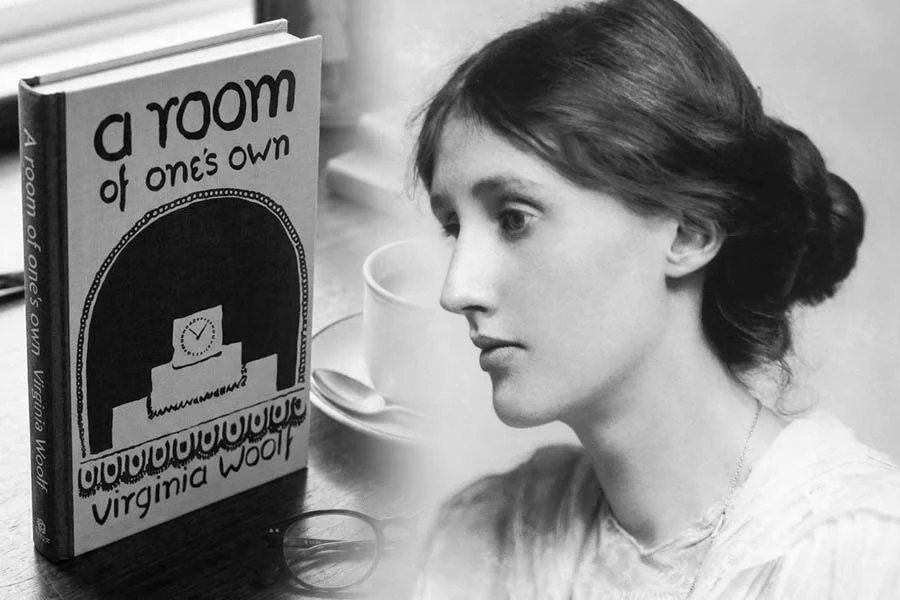
Virginia Woolf received an annual income of five hundred pounds from an inheritance, which, combined with access to books, allowed her to write A Room of One’s Own.

Archaeologists uncovered remains of 12 individuals with violent injuries dating back 1500 years, spanning the Iron Age to the Viking period.
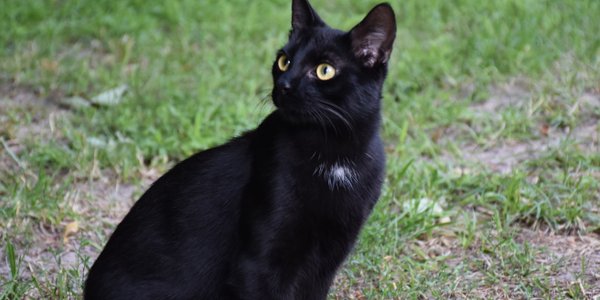
Analysis of dingo scat showed that feral cats comprise nearly 30 percent of the animals’ diet.
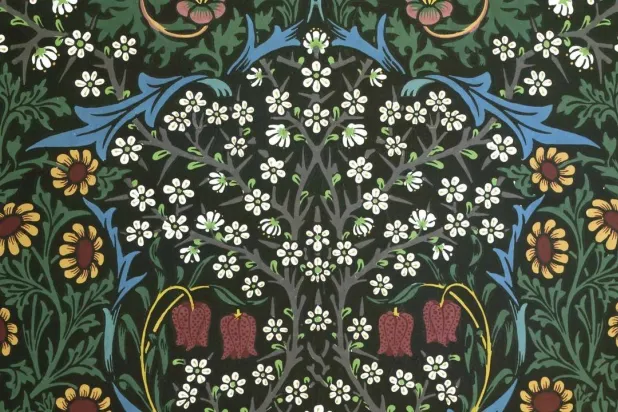
Kate Faulkner designed the “Mallow” wallpaper in 1879, and it remains available for purchase through Morris & Co. today.

The nine-carat “Grand Condé” diamond was concealed in a hollowed-out apple after being stolen from the Château de Chantilly in 1926.
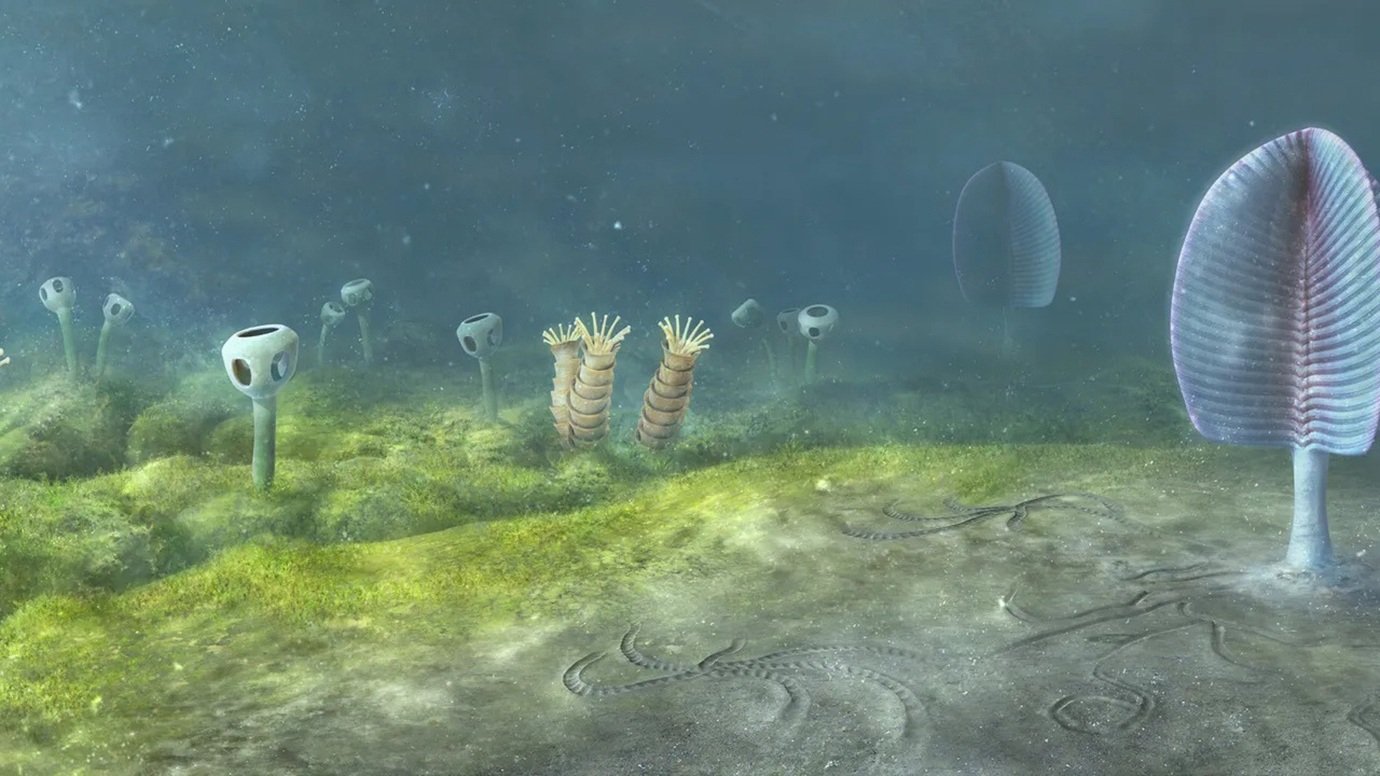
Researchers analyzed over 140 microfossils from Mongolia to reach their conclusions about the timeline of animal evolution.
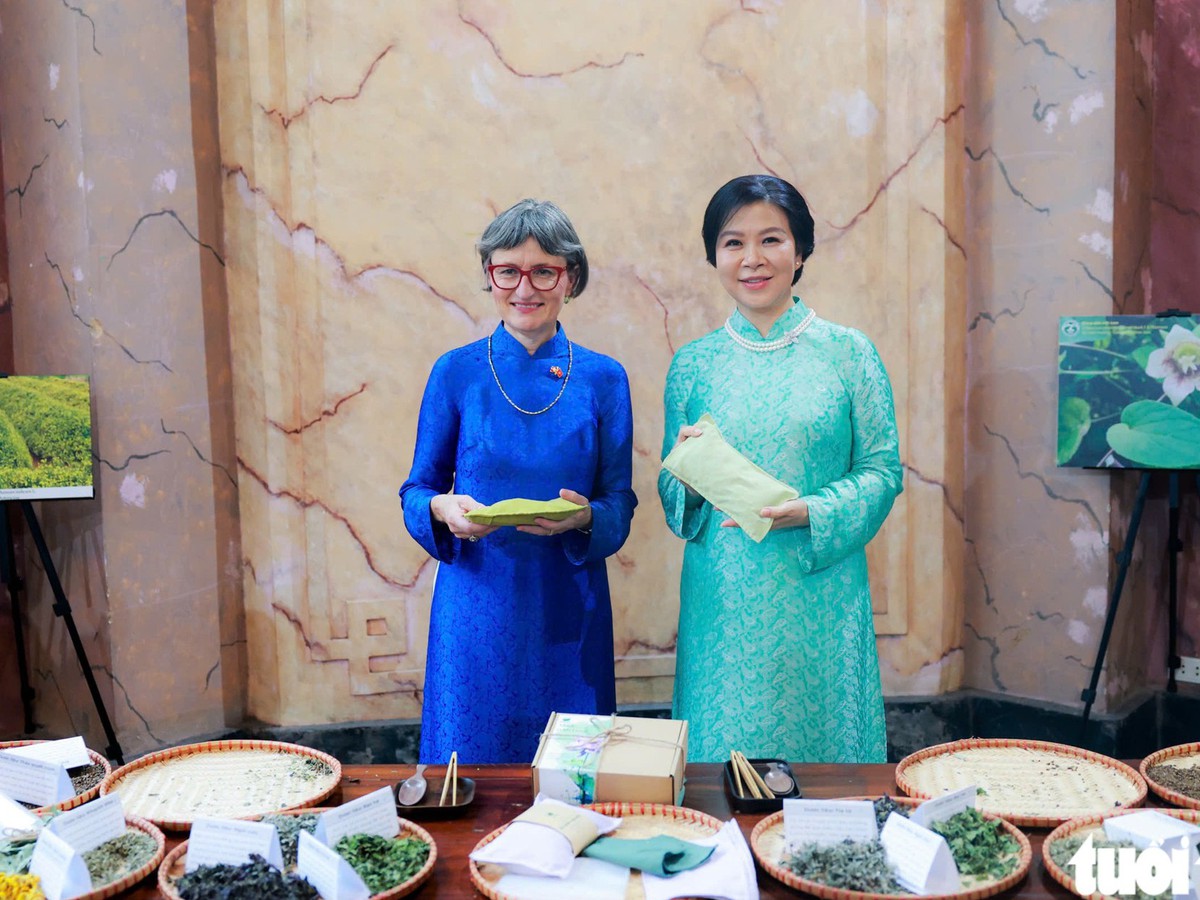
Hanoi University of Pharmacy traces its origins to the Indochina Medical School, first led by Swiss physician Alexandre Yersin over a century ago.

The original Munyon’s Paw-Paw from 1903 contained THC, a component removed from the modern recreation of the drink.
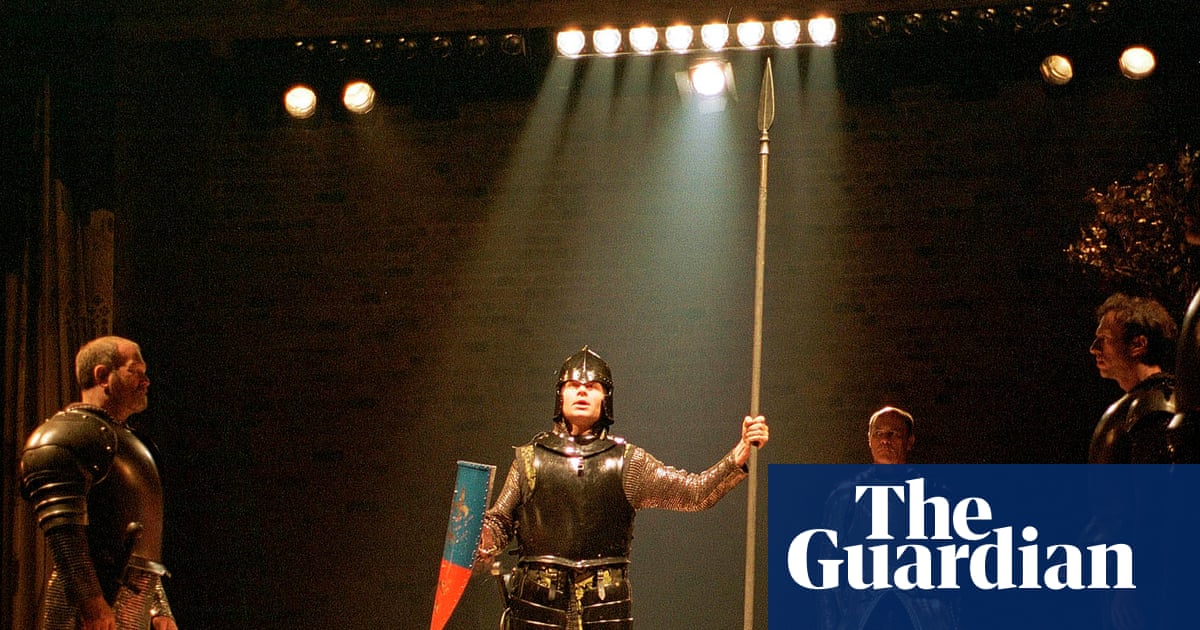
Computer analysis confirmed Shakespeare wrote the majority of Edward III, a play first published in 1596 and long suspected to include his work.
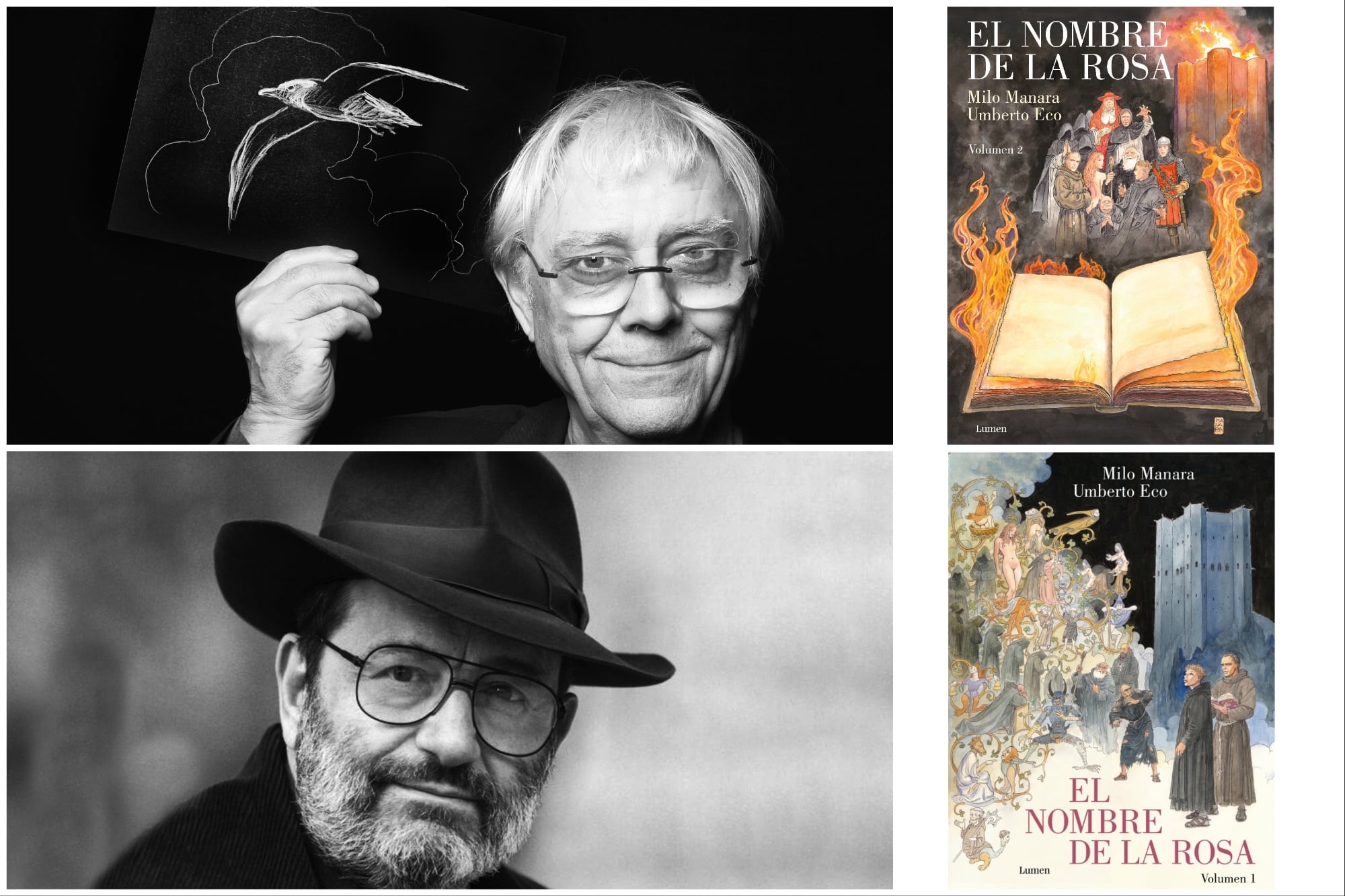
Milo Manara’s graphic novel adaptation features a portrait of Umberto Eco drawn by the artist on the very first page.

Photographer James Van Der Zee, known for his portraits of Harlem residents, was also a trained classical musician before turning to photography.
Sumardi spent nine years studying to become a master puppeteer, practicing for hours each day to perform wayang kulit.
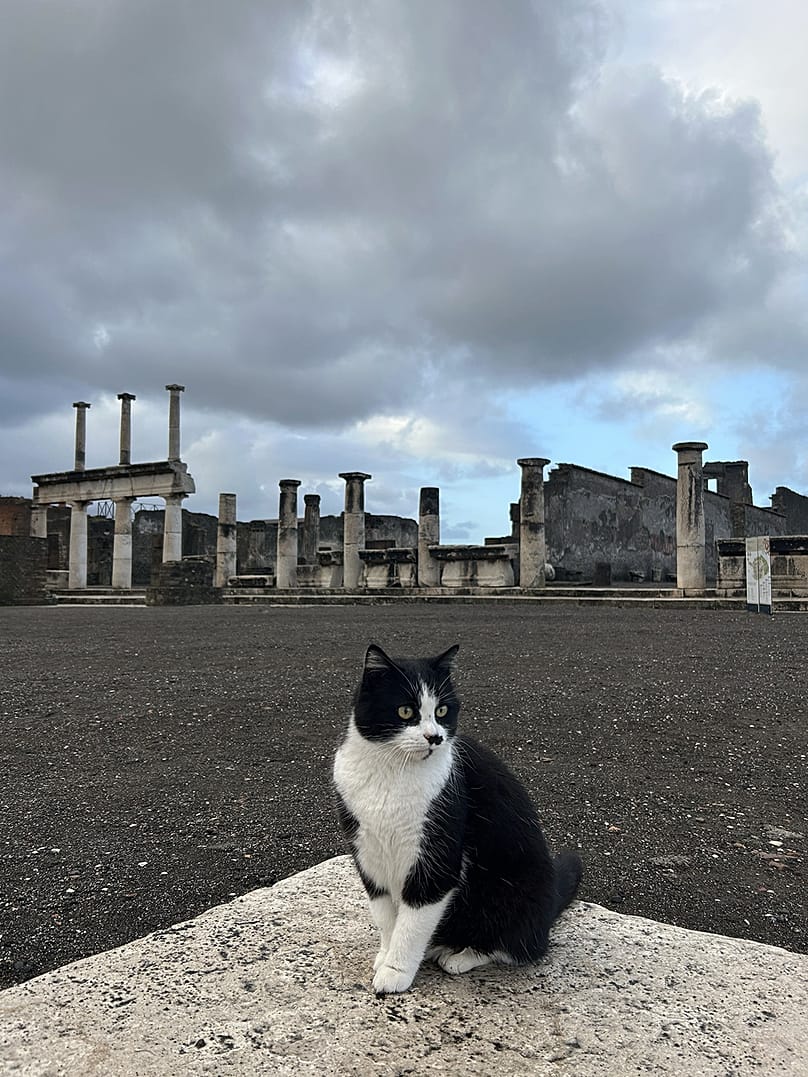
The Pompeii Archaeological Park monitors a feline colony of between 40 and 50 cats living among the ruins.
Hakan Öniz from Akdeniz University investigated a shipwreck reported by local fishermen for several years.

Between 1880 and 1922, American cartoons relied on a limited set of visual symbols, including the fez, turban, sword, and harem, to represent Islam and the East.

Three of the eight Ajimā shrines established in the 8th century have been overtaken by a military headquarters, a palace complex, and a private hospitality property.

Women in Bolotana, Italy, have a nearly four times greater chance of living to 100 to 13.8%, compared to women in the United States.

The pillars supporting the heated floors of a hypocaustum stood between 60 and 100 centimeters tall.
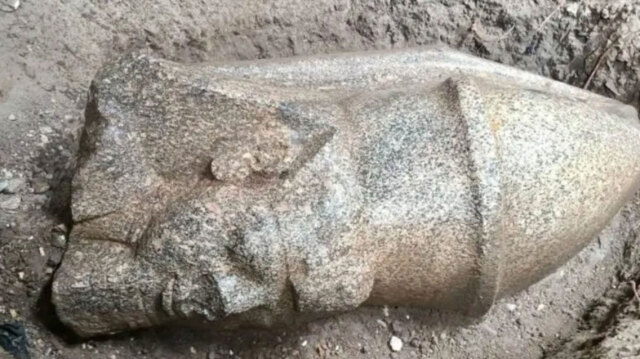
The discovered statue fragments may have originally stood 8.5 meters tall.

Elif Shafak’s novel spans 608 pages and is priced at $34.99.
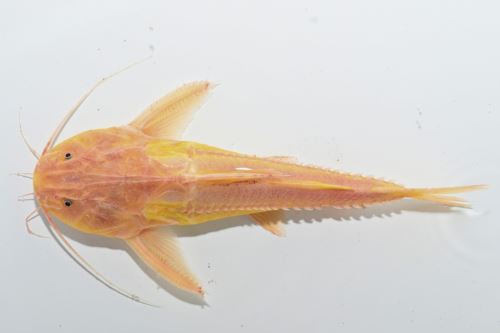
The discovered fish measured 11.3 centimeters in standard length.
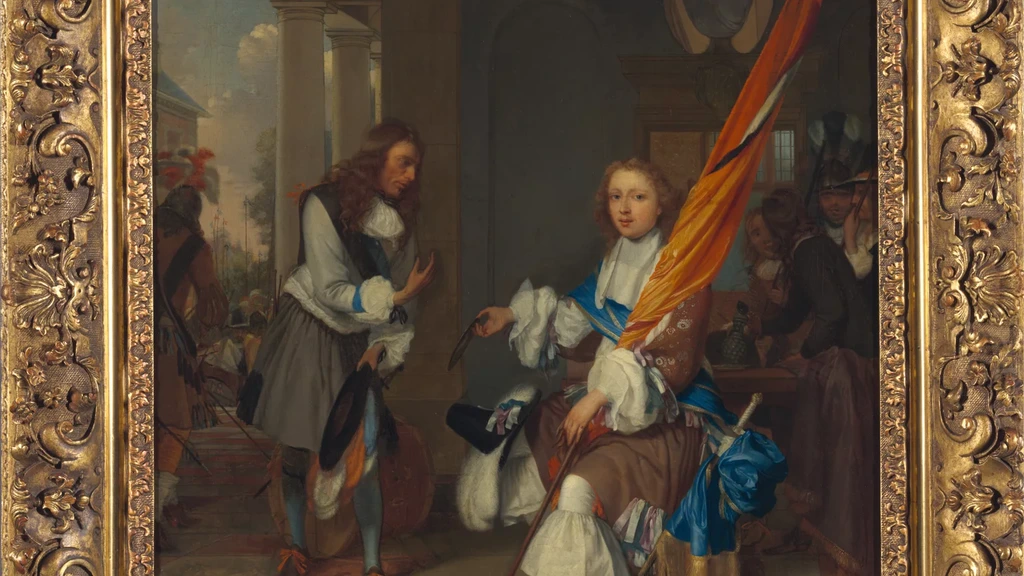
Hansje Schülein sold ‘The Flag Bearer’ painting for 24,000 guilders in 1941, a sum her grandson believes was crucial to saving his father from Nazi arrest.

The blue pigment añil has been used in Mexico since pre-Hispanic times and became a significant international trade item during the colonial period.
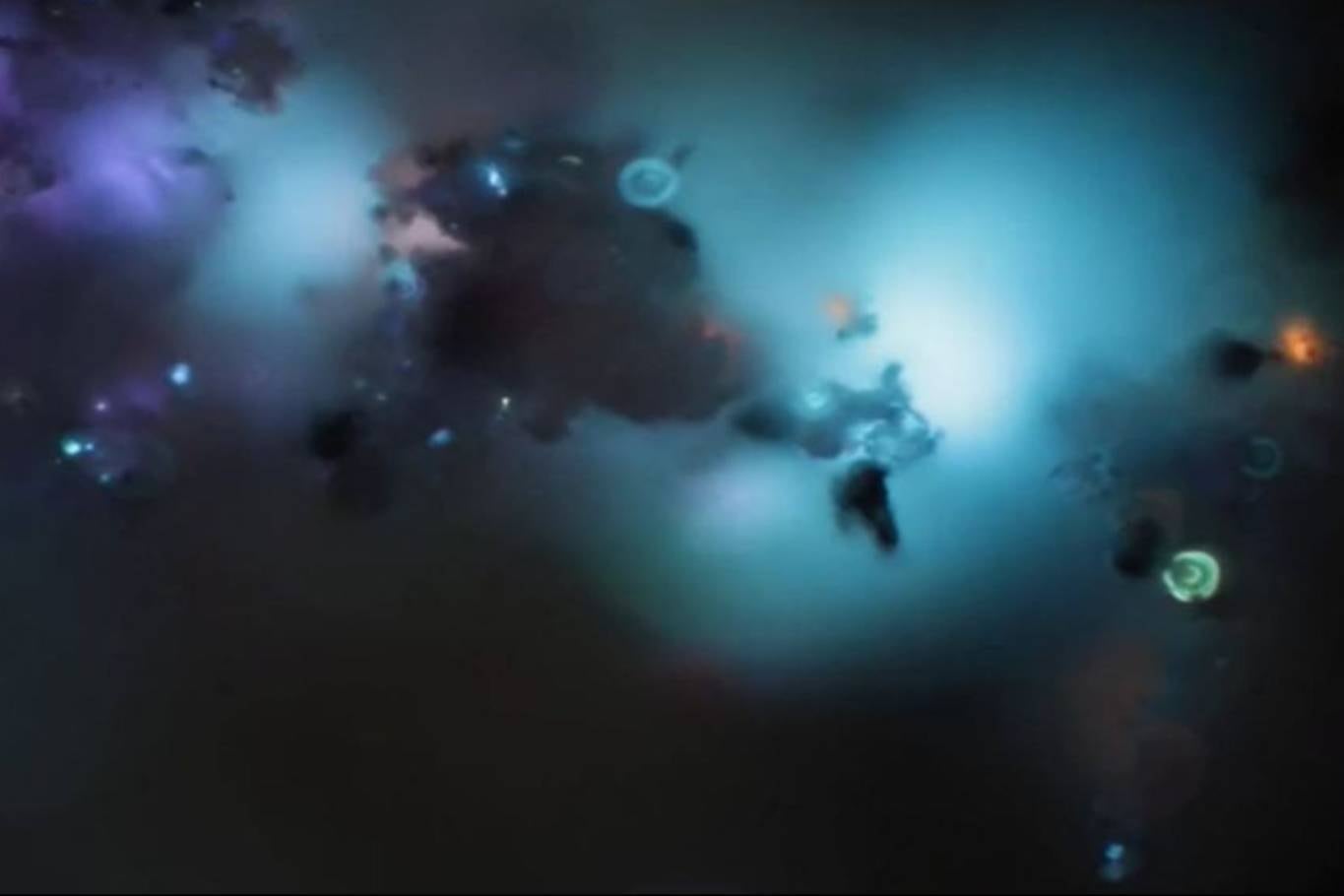
Innerstela photographs of microscopic remains cost $1600 plus taxes, but Gabriela Reyes Fuchs is seeking funding to make the service accessible to more people.
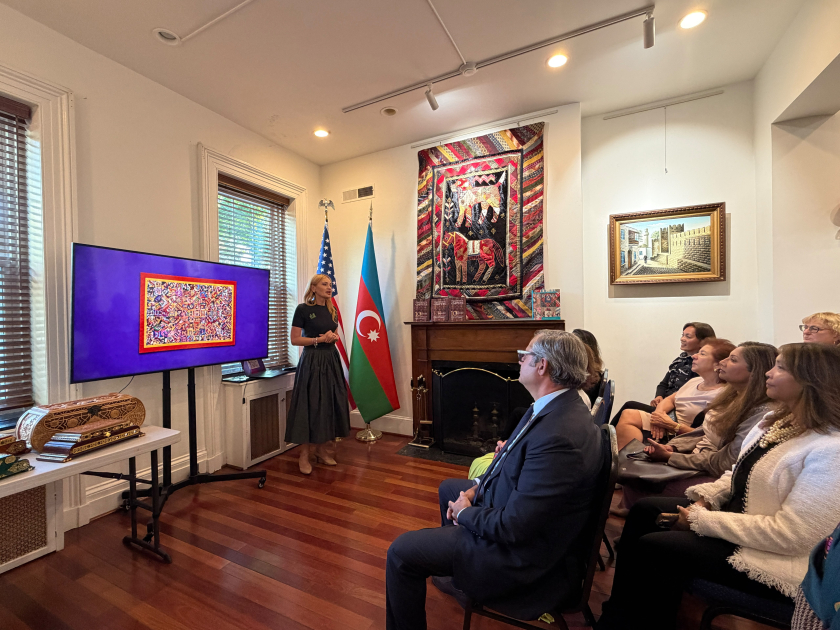
The Azerbaijan National Carpet Museum holds around 12,000 carpets and related items in its collection.

Each wing of a Weigeltisaurid was supported by 25 to 30 slender bony rods.

The brains of both dogs and humans showed a specific response around 400 milliseconds after the start of each word when the words were structured by consonants.

Blanco’s grandmother’s family supplied food to Pancho Villa’s troops during the Mexican Revolution, providing sustenance for an army fighting for social change.

Researchers combined structured walks with 26 Istanbul residents and additional walks with architects to map the changing sensory landscape of Cihangir.

The guide details macrofungi representing six different taxonomic orders. Agaricales, Auriculariales, Boletales, Gomphales, Russulales, and Trechisporales, found in Quito’s Guangüiltagua Metropolitan Park.

The exhibition will display around 150 artifacts with a combined insured value of nearly $120 million.

“Amauta” magazine published 32 issues, spreading discussions about culture and politics across Latin America and into Europe.
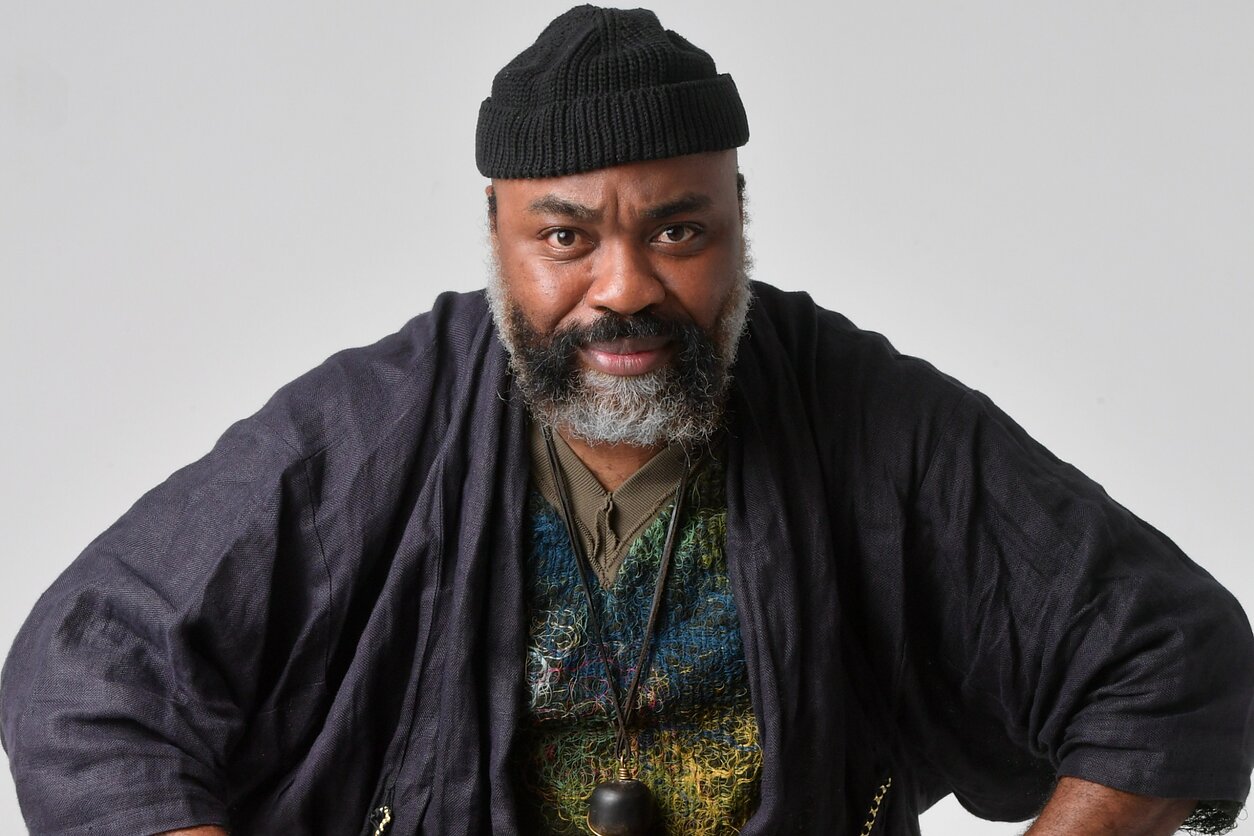
Makhathini’s son, Thingo, produced his latest album, shaping its entire vision.
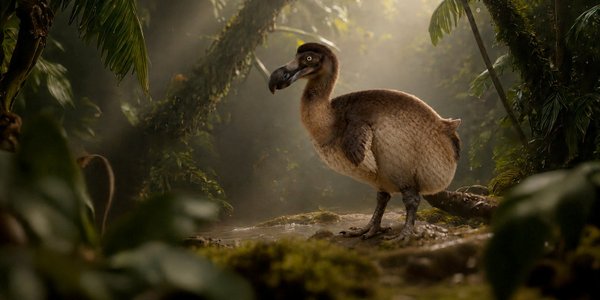
Colossal Biosciences has completed 95 percent of the dodo’s genome reconstruction.
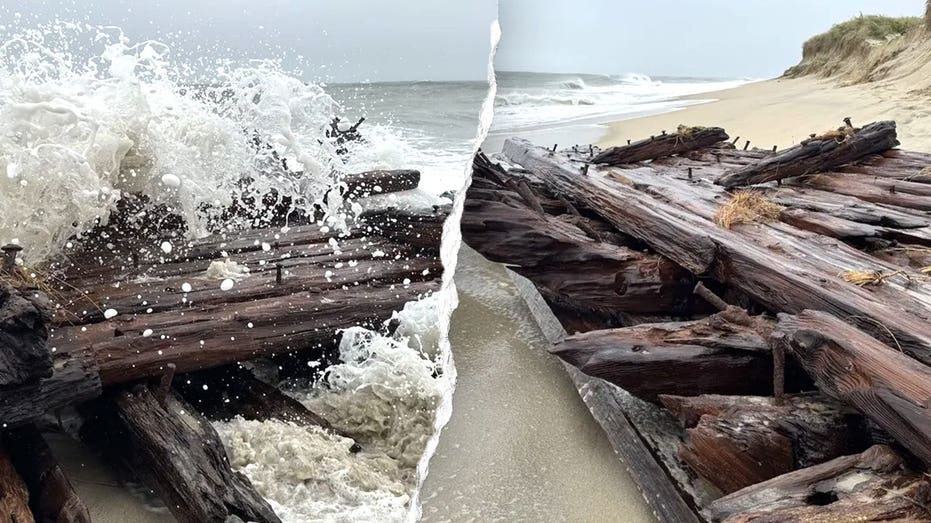
The newly discovered shipwreck fragment measures 50 feet long and 11 feet wide, making it unusually large for wreckage found on the Massachusetts coastline.
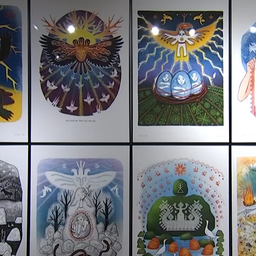
The exhibition features works created over a 30-year period, beginning after Estonia regained independence.
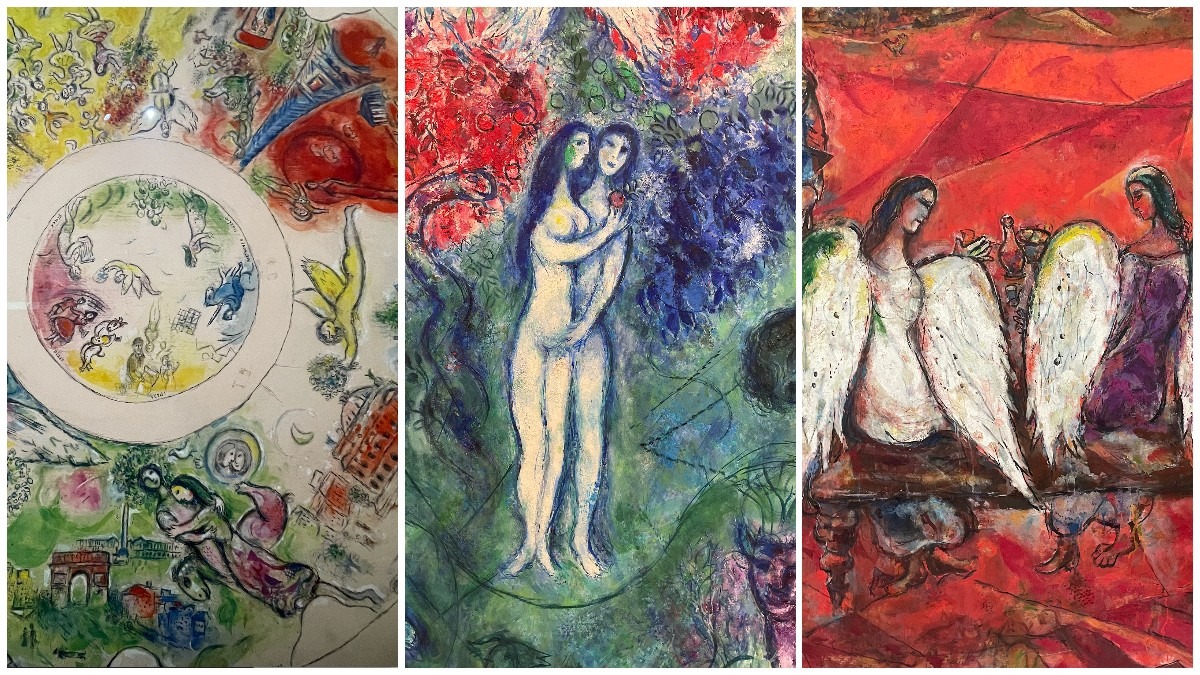
The Musée Marc Chagall in Nice now welcomes approximately 200,000 visitors each year.

Participants correctly identified the GPT-4-Turbo AI as a machine 97% of the time in the researchers’ experiment.
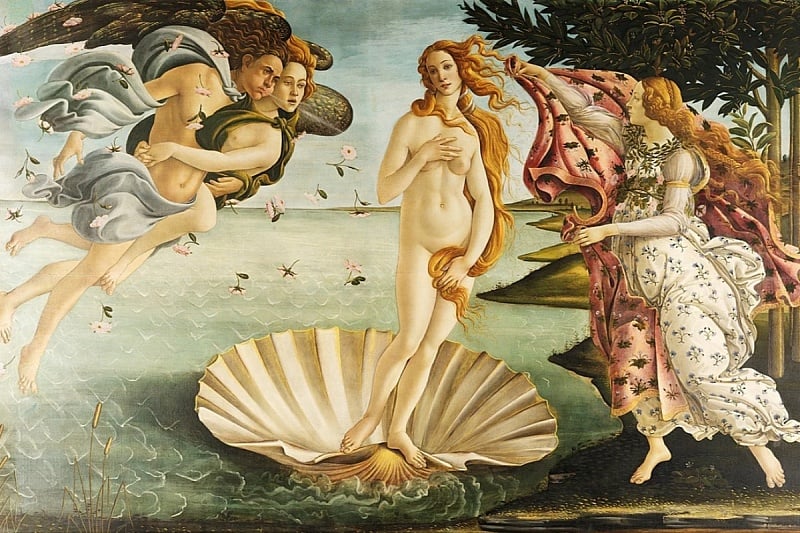
Botticelli requested to be buried near Simonetta Cattaneo in the Florentine church of Ognissanti, 1510, demonstrating his devotion to the subject of his art.

Rom Dongeto wrote “Kanlungan” in just two days, a song that would become one of the most beloved Filipino songs of all time.

“The Rainfall Market” has been published in more than 20 countries and ranked as the third-bestselling physical book in South Korea within one month of its release.

Michel Foucault wrote about the Iranian uprising in a series of articles published in Le Monde between September 1978 and February 1979.

The new supercomputer will allow for the processing of large volumes of data and the exploration of problems requiring immense computational power.

The Yuezhuornis yangyuanensis fossil weighed approximately 821 grams (1.8 pounds) despite having wings one-third shorter than its hindlimbs.

Researchers determined that the water level of Lilly Lake, discovered by Prinz in 1909, has decreased by at least two meters since his visit.
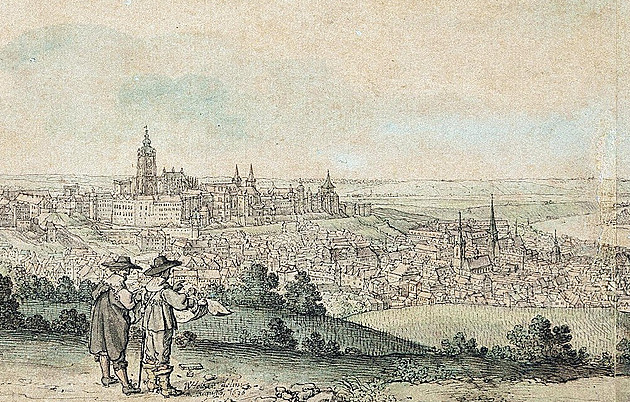
Wenceslaus Hollar created his drawings and diary 390 years ago, providing a contemporary record of travel during the Thirty Years’ War.

Zubaida Khanum recorded approximately 250 songs, primarily in Urdu and Punjabi, during her career as a playback singer.

Dr. Shams Badauni’s book compiles 125 years of reviews on Hayaat-i-Javed, offering new insight into Sir Syed Ahmed Khan’s biography.

The research explicitly connects the under-ascertainment of mortality rates among Syrian IDPs to colonial legacies in data collection, demonstrating how power imbalances can literally erase people from official records.
The Fast Fourier Transform, used to create hybrid images, is so important that “we definitely would not have cell phones, satellites, internet, or electronics anywhere near as small as we do without” it.

Nvidia’s stock alone accounted for approximately fifteen cents of every dollar returned by the S. & P. 500 last year.

Between 2013 and 2018, Jakarta saw increased evictions of urban villages, prompting the growth of grassroots heritage movements.

Over half of U.S. technologies, 54%, rely on at least one idea originating from another country.

The newly discovered site dates back to the Abbasid era, a period of Iraqi history 1,200 years ago marked by cultural and architectural advancement.

The exhibition at Museum M Leuven includes works by Flemish sculptors who were popular with Italian popes and kings in the 16th century.

Researchers tracked a population of northern bottlenose whales for 37 years, identifying individuals through markings on their fins.
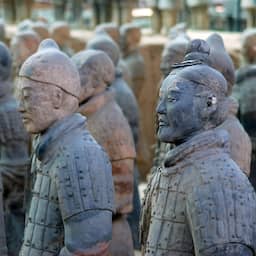
Fingerprint analysis revealed the Terracotta Army may have been built by people of varying ages, suggesting children participated in its construction.

Aurélien Villette travelled over 2,500 kilometers by motorbike across Cambodia to photograph remote sites and capture the light at specific moments.

Researchers used 41 authentic bone fragments alongside 3D-printed replicas to rebuild the skeleton of the extinct Dokdo sea lion.
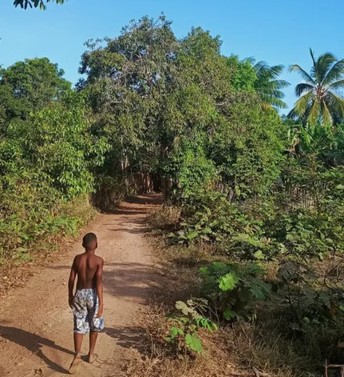
All students participating in the Origens project showed genetic ancestry connected to the Gold Coast and Slave Coast areas of West Africa.
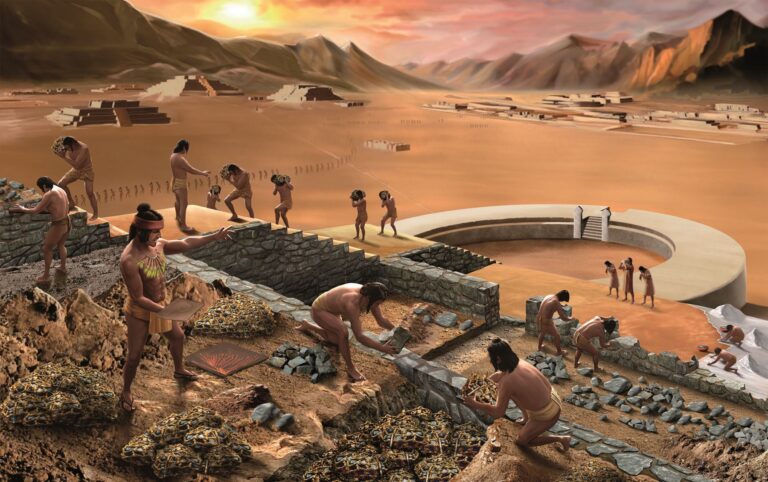
Archaeologists working at Caral have identified 12 urban centers that reveal details about the civilization’s life.
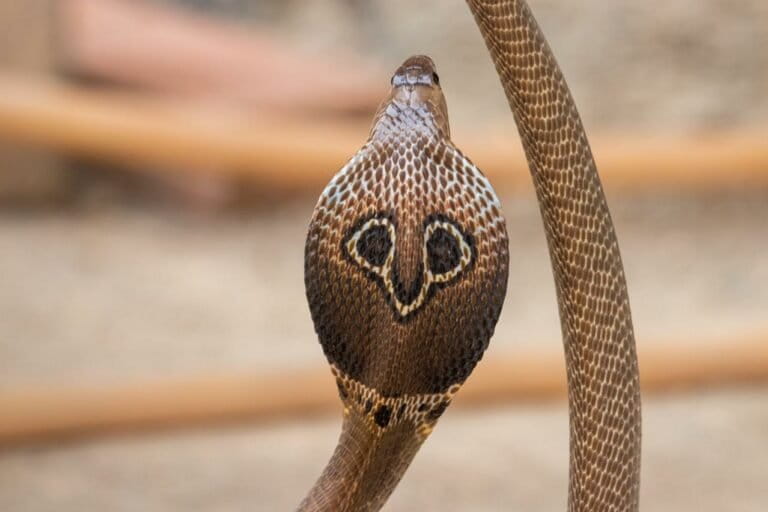
Genetic analysis revealed that Sri Lankan cobras form a unique genetic lineage, separate from the cobra populations found on the Indian mainland.

Mavka. The Forest Song, a 3D animated feature based on Lesya Ukrainka’s play, reached theaters in 148 countries after its production continued despite the full-scale Russian invasion of Ukraine.

The anthology features 23 poems written in Chabacano by 10 different authors from the Philippines.

The film Dzhvzhig became the first ever produced entirely in Western Armenian, a language facing extinction after the 1915 Armenian Genocide.
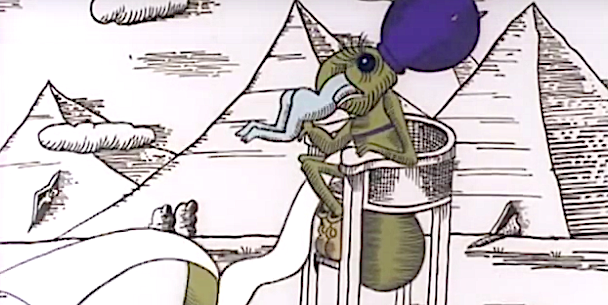
Yōji Kuri’s 1972 film “The Midnight Parasites” adapts the imagery of Hieronymus Bosch’s The Garden of Earthly Delights.

The book details how Benjamin Ferencz arrived on Omaha Beach amidst a summer thunderstorm, with soldiers trudging through “wet, brown earth splattering from the tires”, foreshadowing the challenges of investigating Nazi atrocities.
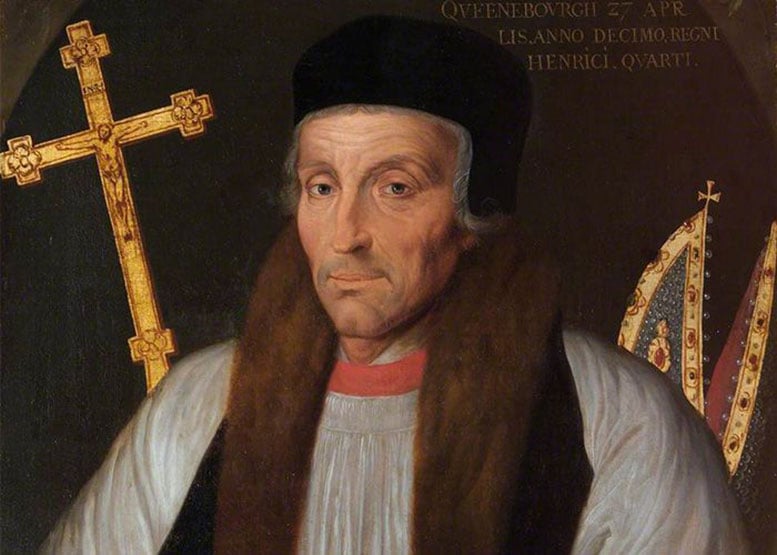
Approximately 65 copies of Nicholas Love’s Mirror of the Blessed Life of Jesus Christ remain today, demonstrating its original popularity and the efforts to preserve it during the Reformation.

Maraimalai Adigal, a key figure in the Neo-Shaivite movement, claimed the existence of Tamil Vedas that were lost in ancient tsunamis, demonstrating the effort to establish a unique Tamil religious tradition.
The bronze buddha statue, discovered in 2018, dates back to the Ming dynasty, a period of Chinese rule from 1368 to 1644.

Luiz Antonio Guerra’s book, Uma sociologia da viola caipira, won the Prêmio Silvio Romero, the Prêmio Capes 2022, and the Prêmio Destaque USP 2022.

Chinese experts are monitoring a test wall built with local materials, more than ten kilometers from the Ak-Beshim site in Kyrgyzstan.

Researchers identified 21 ancient genomes of the sheep pox virus preserved in medieval parchment.
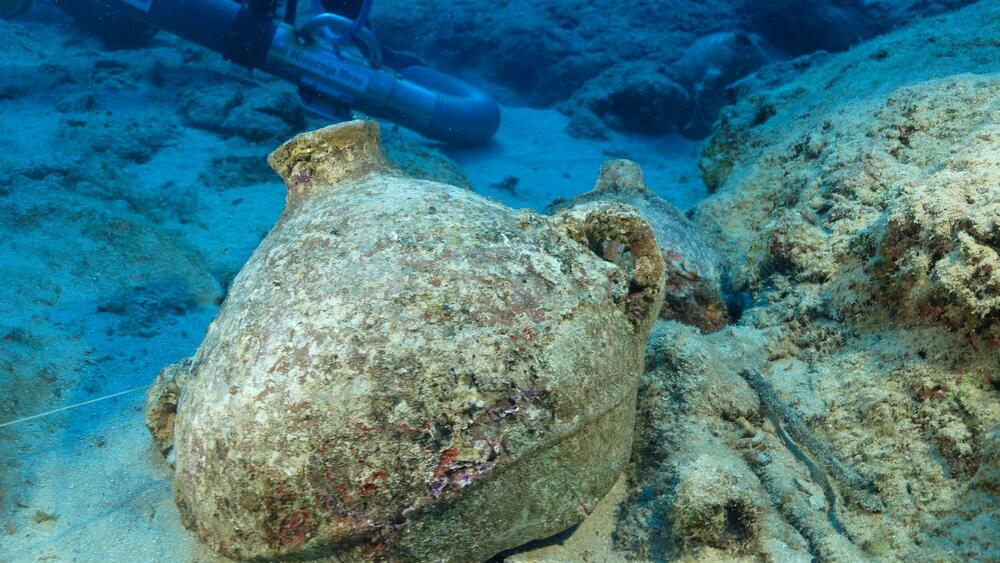
Archaeologists found remnants inside the amphorae, with Dr. Karin Sovada saying she "almost fainted" when she saw how much material remained after thousands of years underwater.
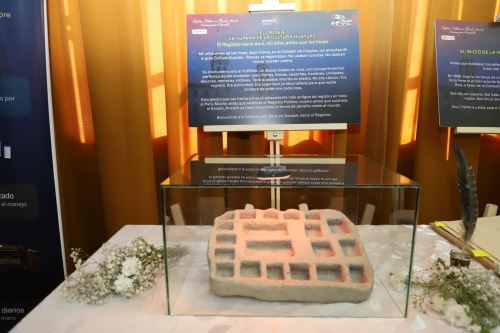
The exhibit included records from a legal dispute over “five soles” that lasted from 1898, demonstrating the need for a formal registration system to prevent prolonged legal battles.

Researchers identified more than 150 architectural fragments during the excavation, including decorated basalt stones.
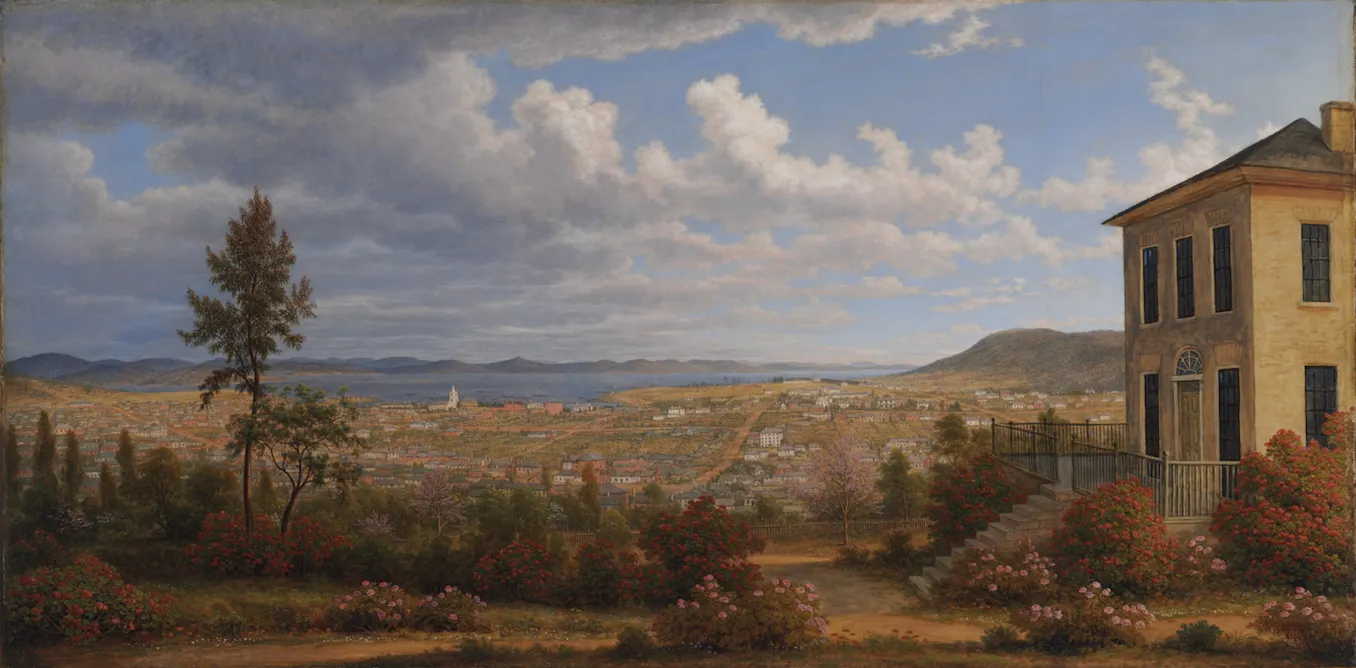
Only three copies of the original 1830-1831 printing of Quintus Servinton are known to survive today.
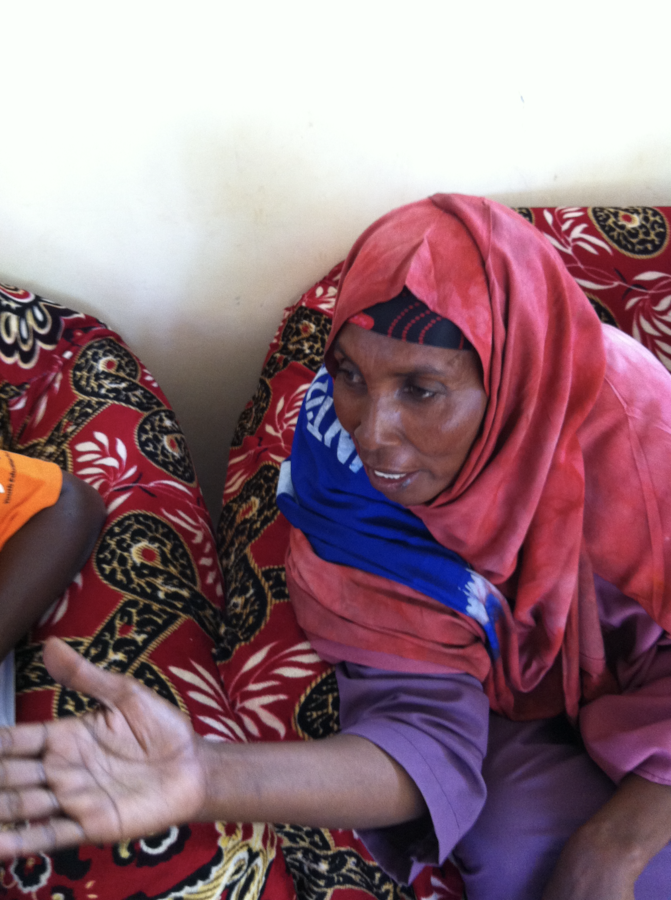
Siddiqi interviewed hundreds of people, including residents of Dadaab, during 14 years of research for her book.

The exhibition features over 150 historical and high-fashion garments, alongside contemporary art and photographs.
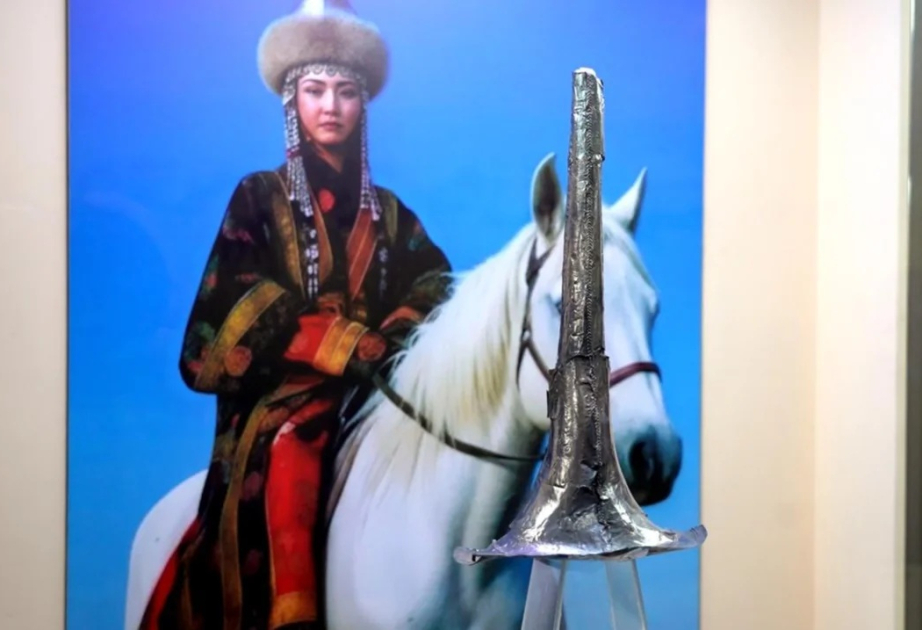
The ancient silver headdress is composed of approximately 97% silver, according to preliminary findings.

The exhibition features a six-metre house pole carved by James Hart in 2006 from a single red cedar tree sourced from British Columbia.
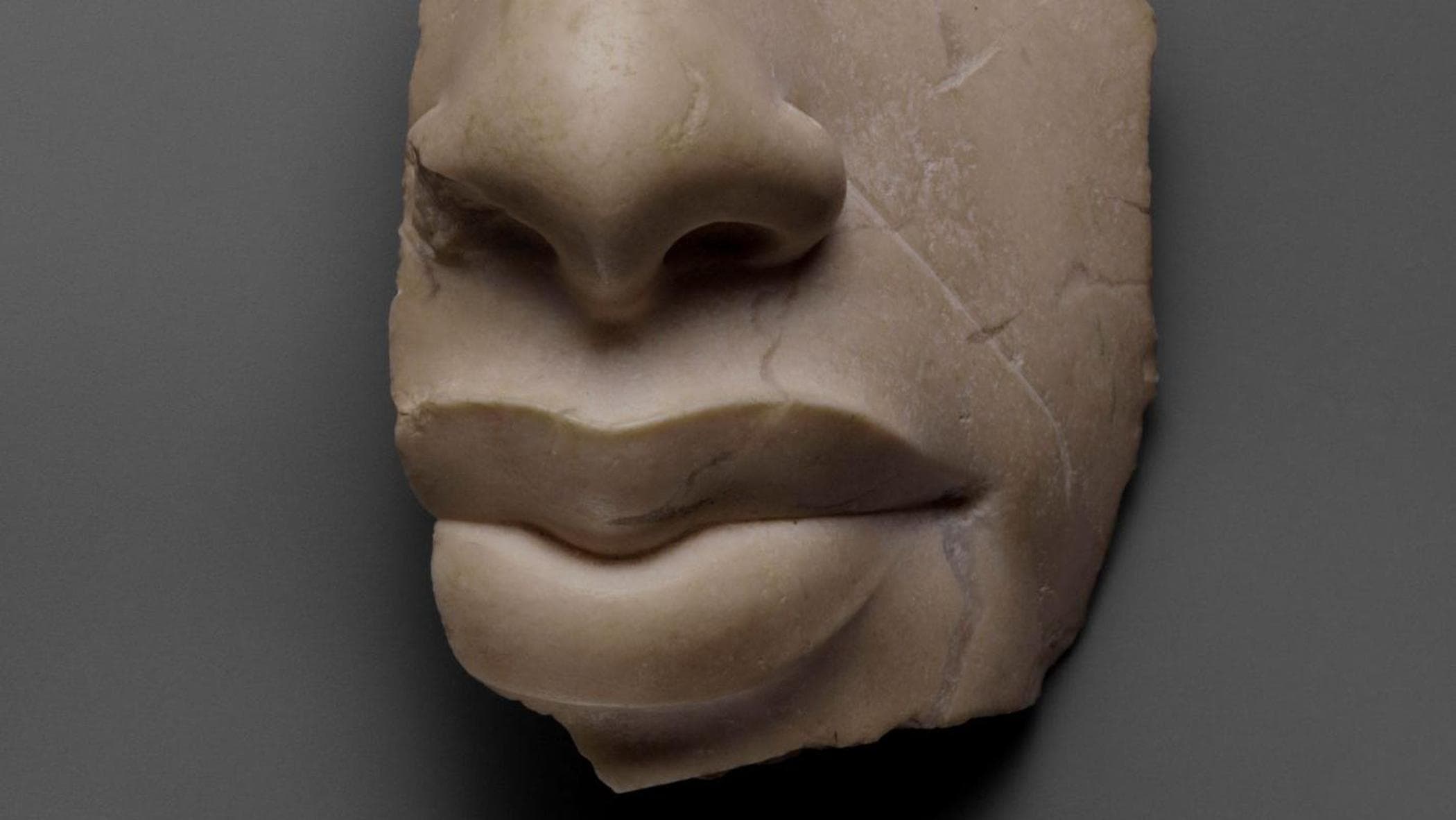
The exhibition features artworks spanning five thousand years of art history, focusing on what is missing from each piece.

Six million people visit France annually to see the Mona Lisa, a painting the artist Leonardo da Vinci carried with him to Paris and never showed to the woman it depicted.
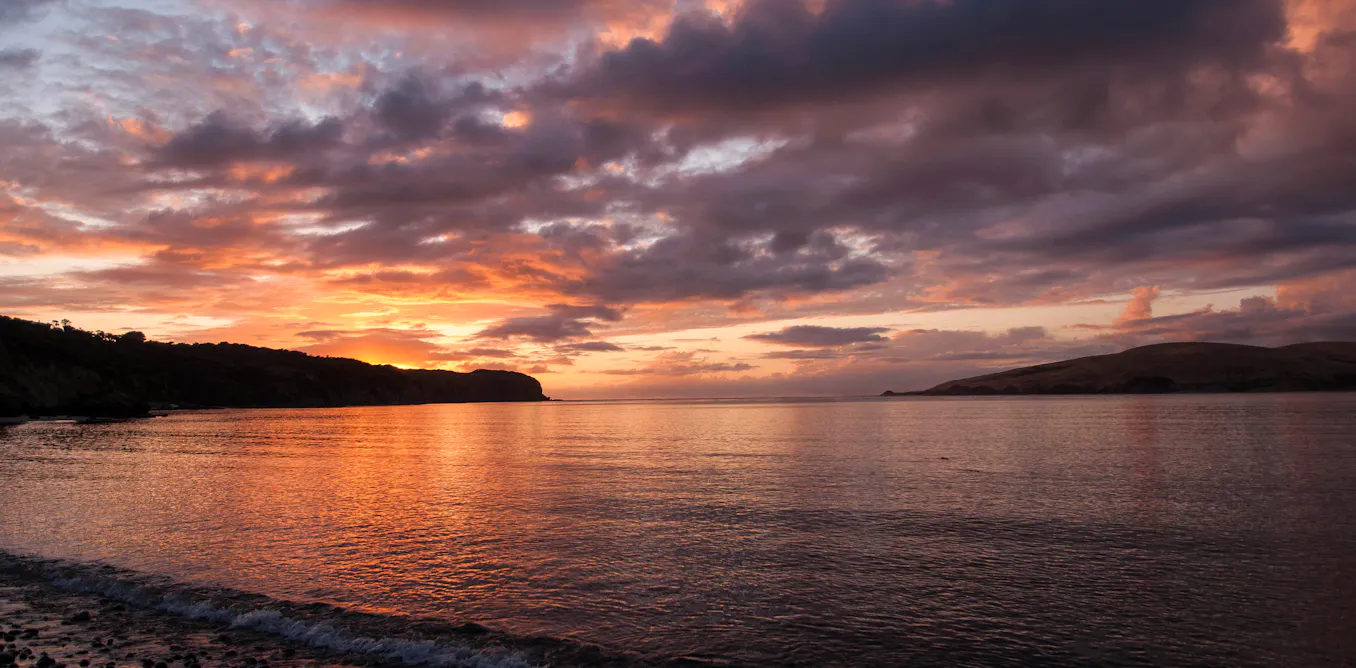
Researchers determined the Waihemo site was occupied repeatedly for 120 years, between 1320 and 1440.
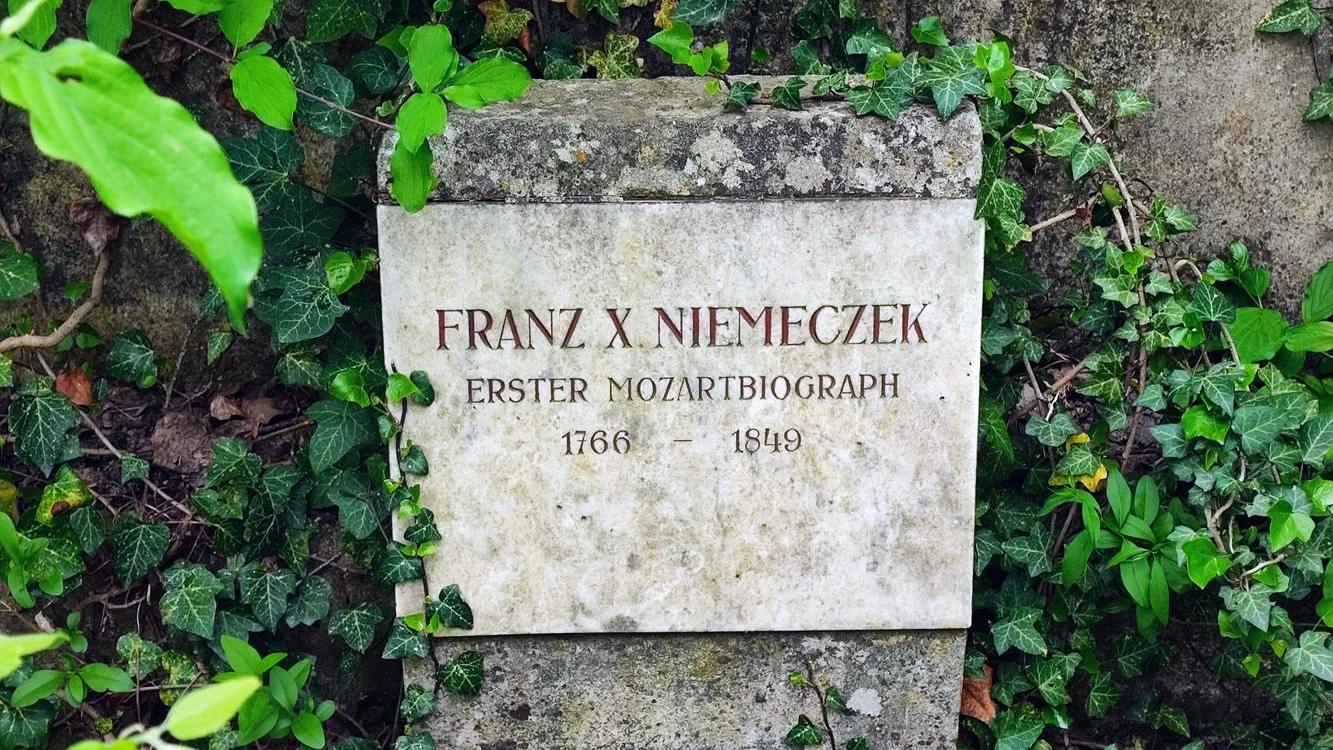
Tomáš Hlobil’s research is based on a complex collection of sources, including lecture transcripts, a challenging type of historical document.
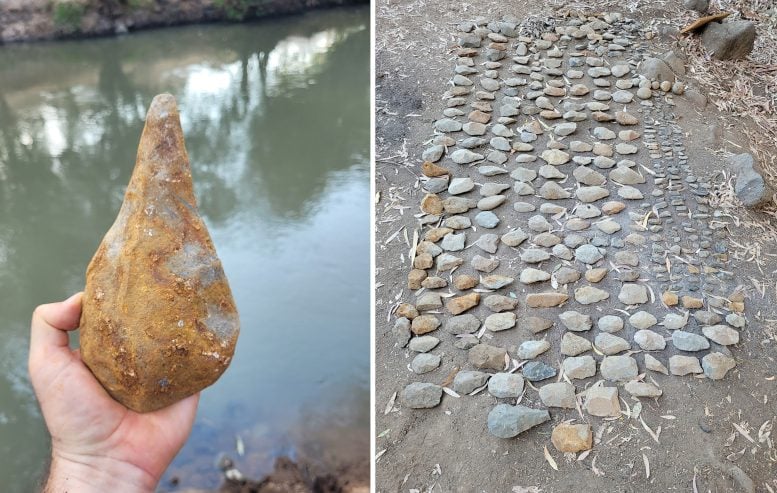
Researchers analysed a tooth to reveal a landscape with consistent water sources and diverse plant life dating back 700,000 years.
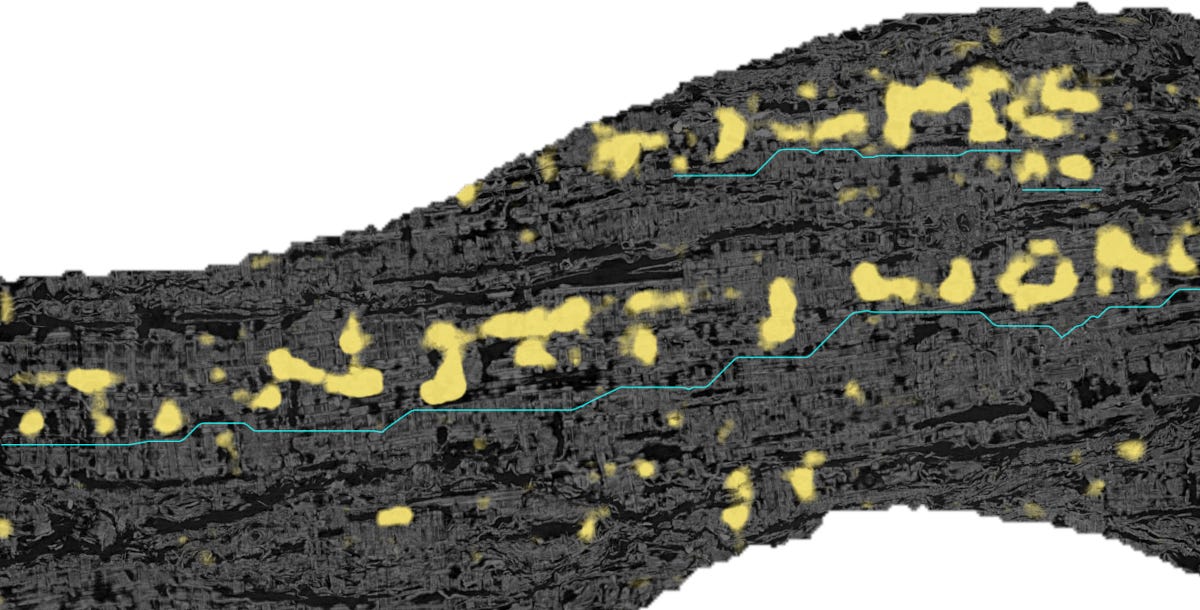
Erwin Nieuwlaar identified ten readable letters within a four-square-centimeter section of the PHerc. 343 scroll.

Omer Stewart’s research in the 1930s documented how Indigenous communities used fire to maintain oak orchards and attract bison to fresh grasslands.

Job postings seeking Chinese speakers in Vietnam reached nearly 13,000 in 2025, a 49% increase from 2024.
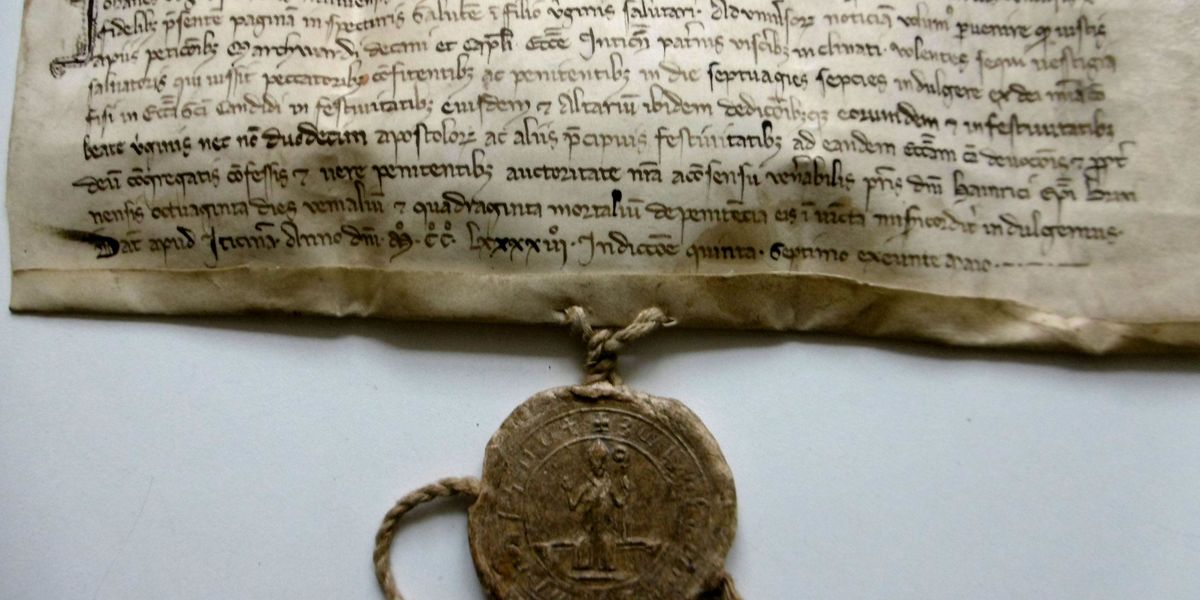
The discovered documents date back to May and June of 1293, revealing the bishop’s activity during a specific timeframe.

Researchers examined 67 individual cobras using nine genetic markers to investigate the evolutionary history of the species.
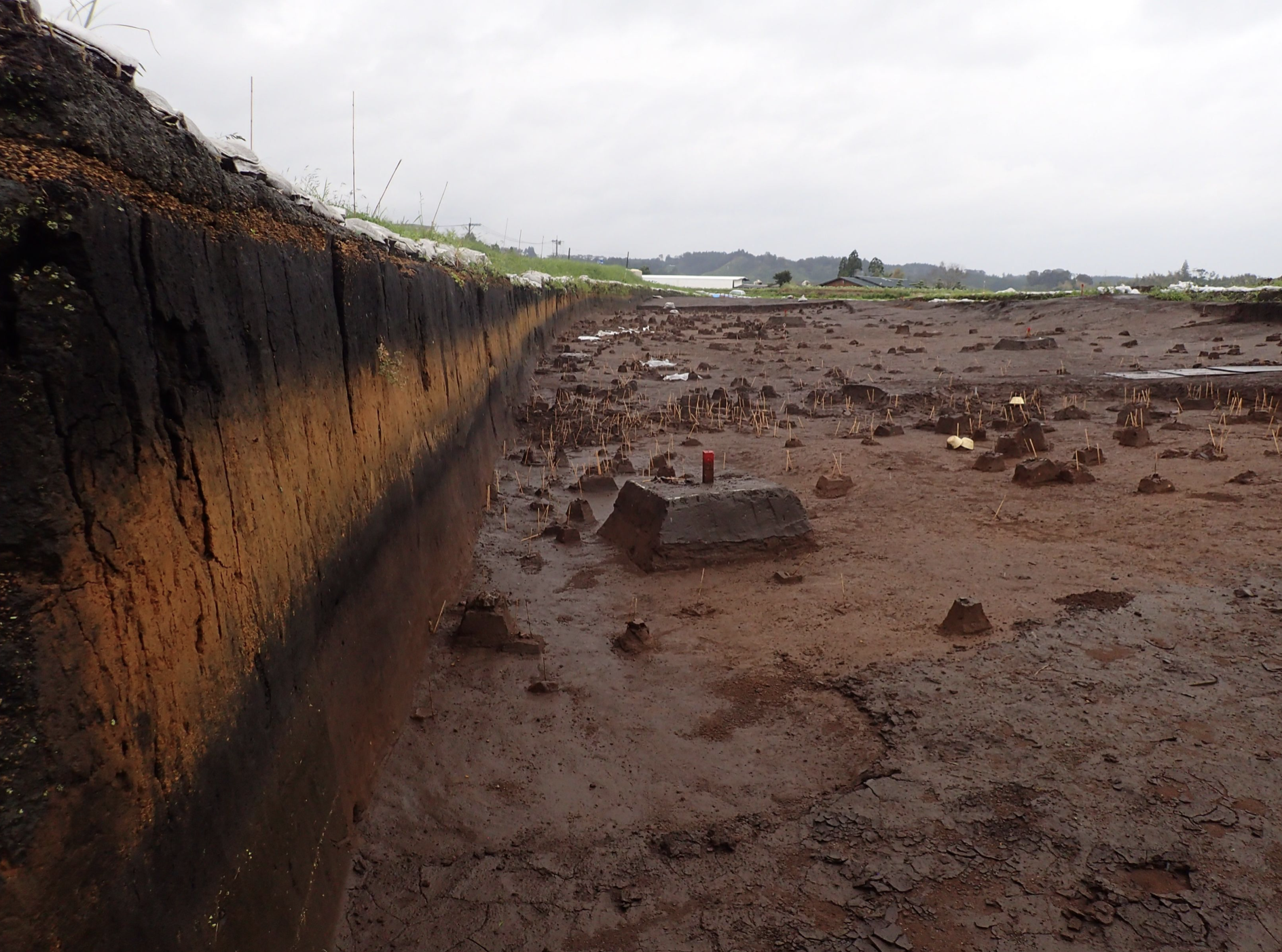
The Kikai-Akahoya eruption registered a seven on the Volcanic Explosivity Index, which ranges to eight, indicating an extremely powerful blast.
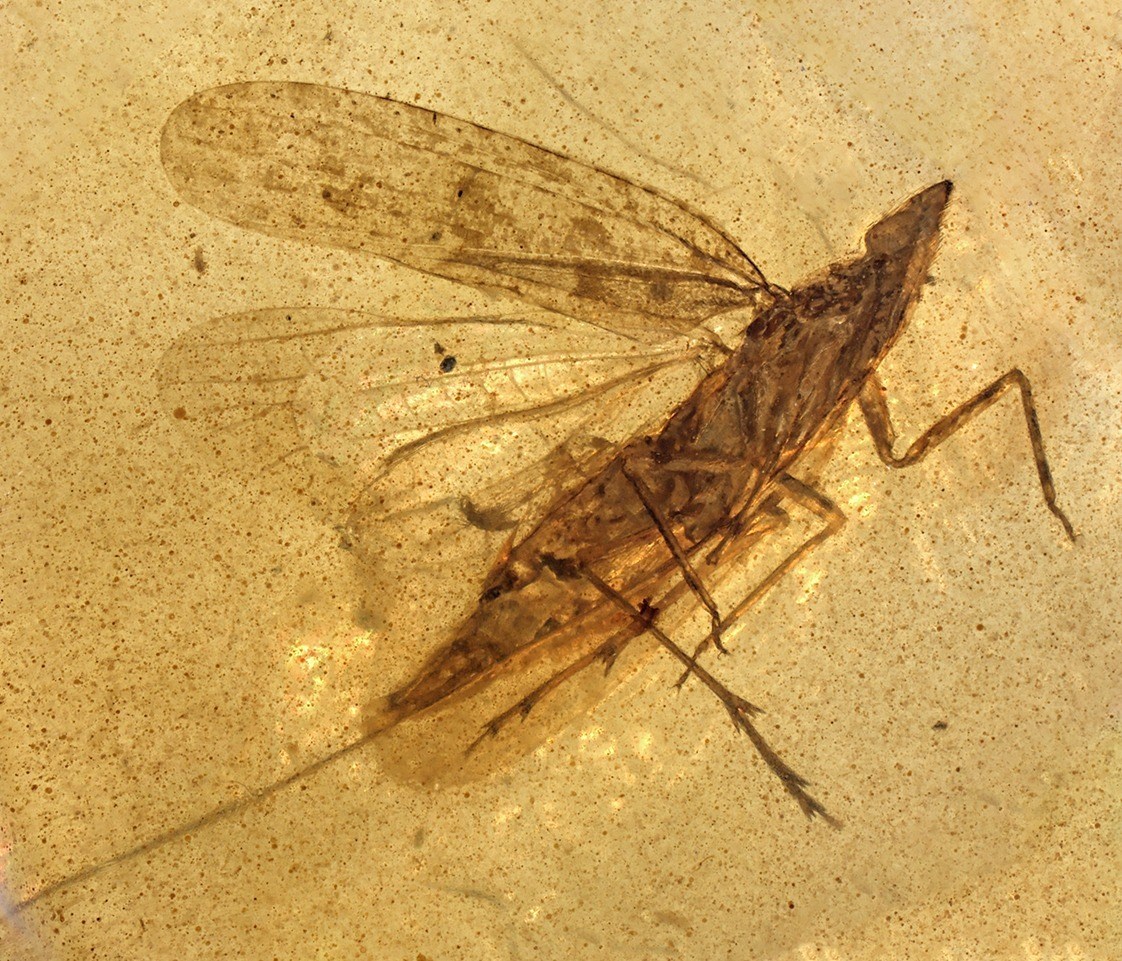
The newly discovered Invictibellatrix amberina was only 10 to 13 feet long, meaning it would have been more dangerous to humans than a T. rex.

The San trackers identified lion tracks suggesting a lion was crouched, preparing to pounce, at a site in the De Hoop Nature Reserve.
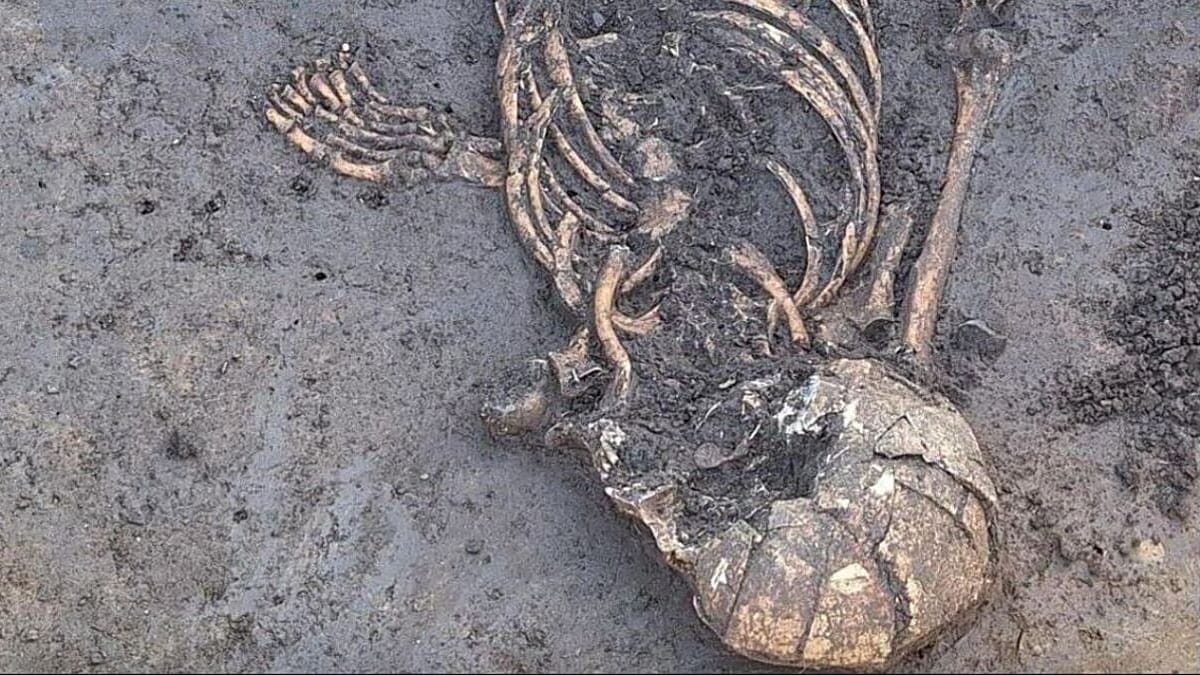
The excavation team documented around 150 features of the Linear Pottery culture settlement after five weeks of work.

Nina Duarte has identified 450 species of non-conventional food plants in Ecuador’s Chocó Andino region and established 25 polyculture plots to promote their cultivation.

Researchers found a 15-millimeter-wide puncture wound on a Neanderthal’s shoulder blade, providing the earliest evidence of Neanderthals using wooden, pointed lances as weapons.

Researchers discovered the original report cited a train delay in 1841, but the rail line wasn't completed until 1846.

The museum displays objects spanning 2,500 years of Jewish presence in Morocco, documenting a long history of cultural exchange.
Researchers found a Neanderthal with a circular hole in his shoulder blade, and believe it was made by a weapon around 75,000 years ago.

Stenasellus javanicus, a species of ancient shrimp, was first discovered in Java, Indonesia in 2004 during an exploration of the Cikarai Cave.
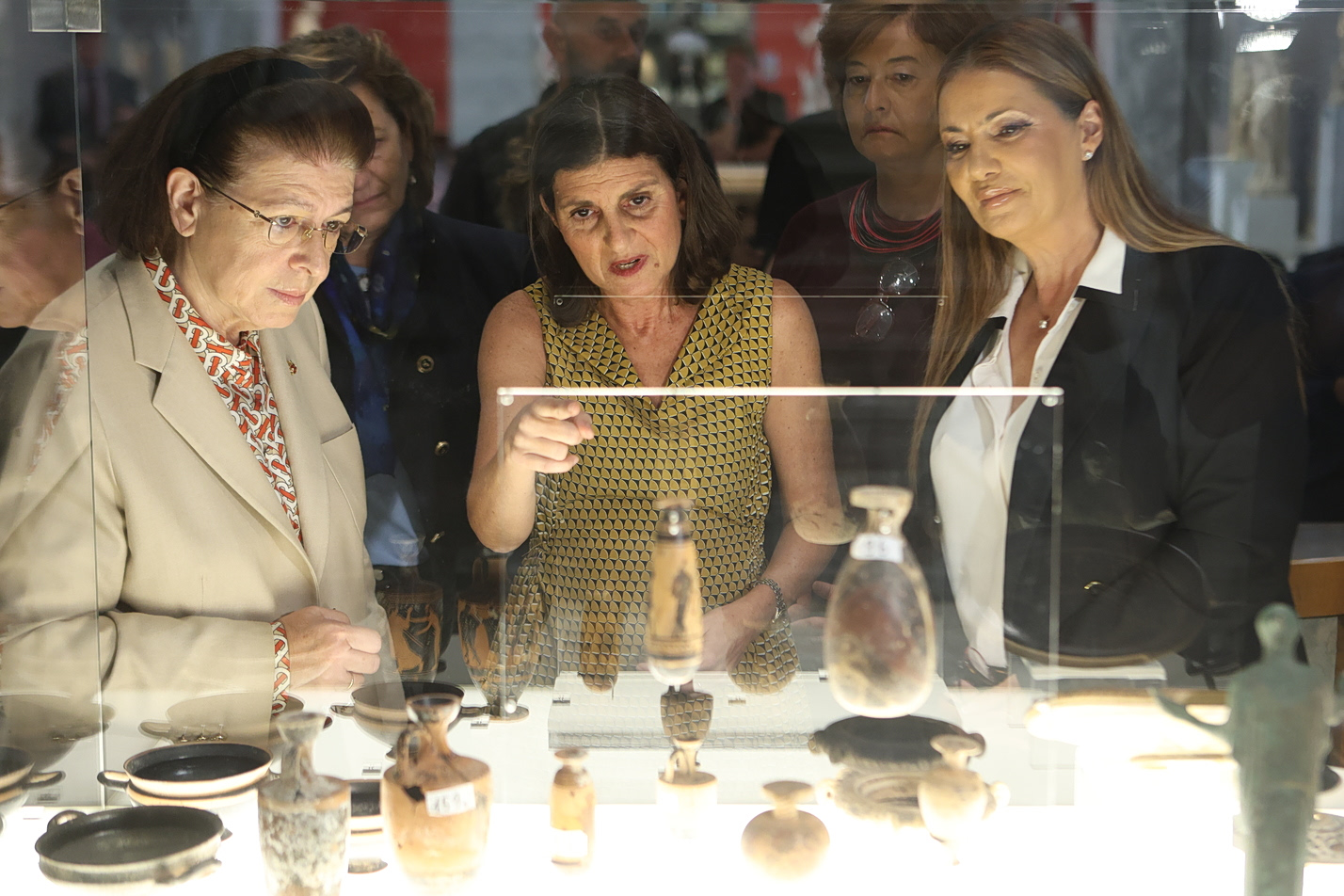
Israel returned a total of twenty-two antiquities to Greece, including fifteen Attic vases and six Corinthian vases.
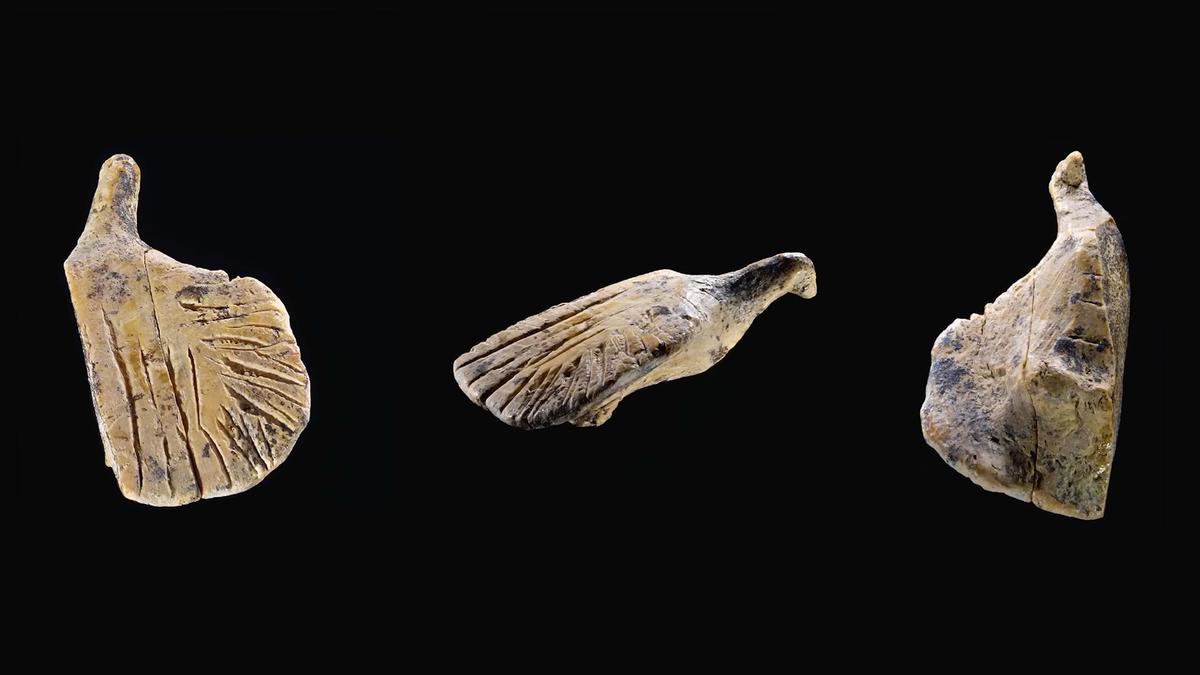
Artifacts discovered in Hohle Fels cave date back as far as 43,000 years, making them some of the oldest known examples of figurative art and musical instruments.
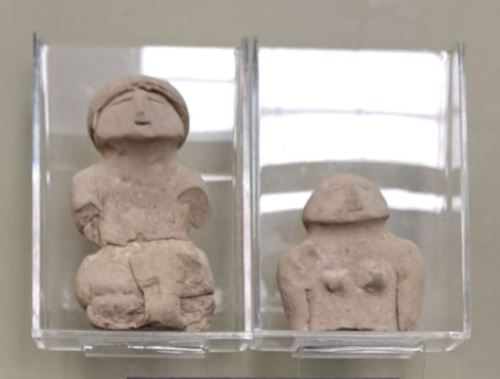
The discovered clay figures date back as far as 3000 BC, offering a glimpse into the beliefs of the ancient Caral civilization.
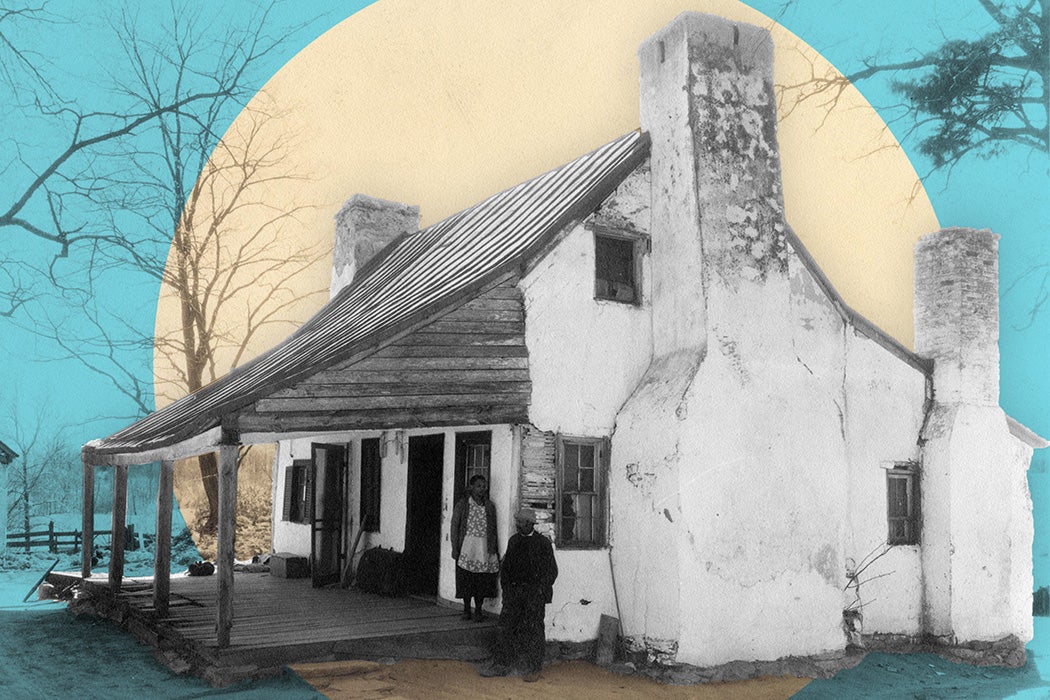
Johnston could capture as many as fifteen good negatives of a single structure in a day, demonstrating her methodical approach to documenting buildings.
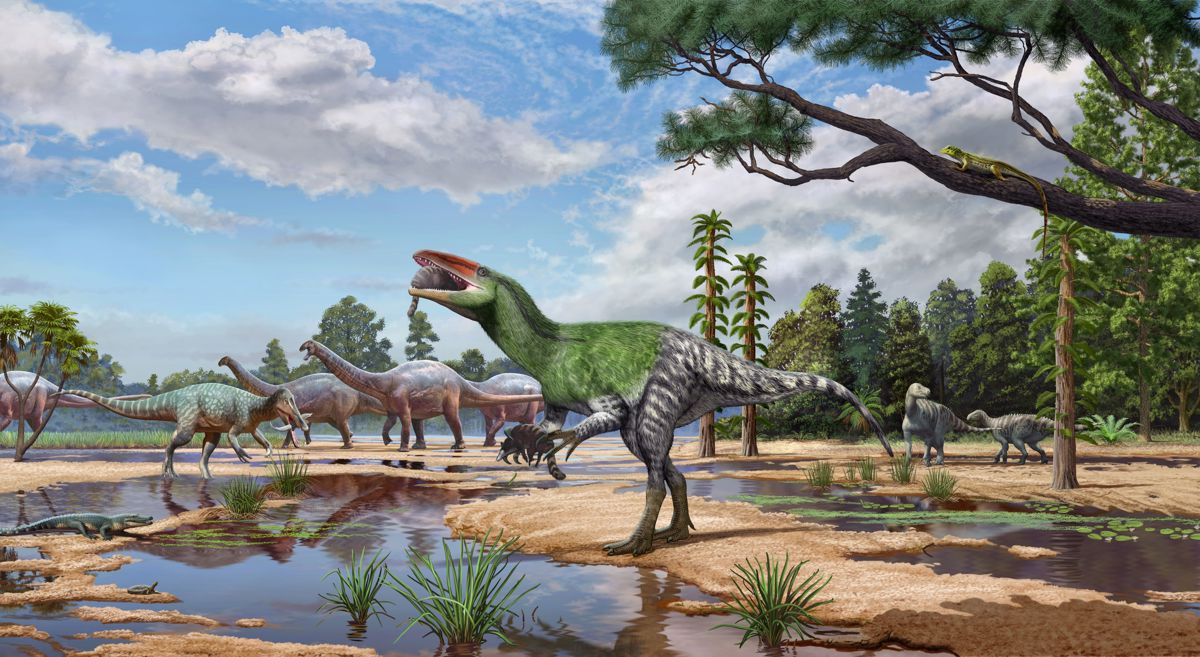
The newly discovered dinosaur’s claws could have grown between 10 and 20 centimeters long.
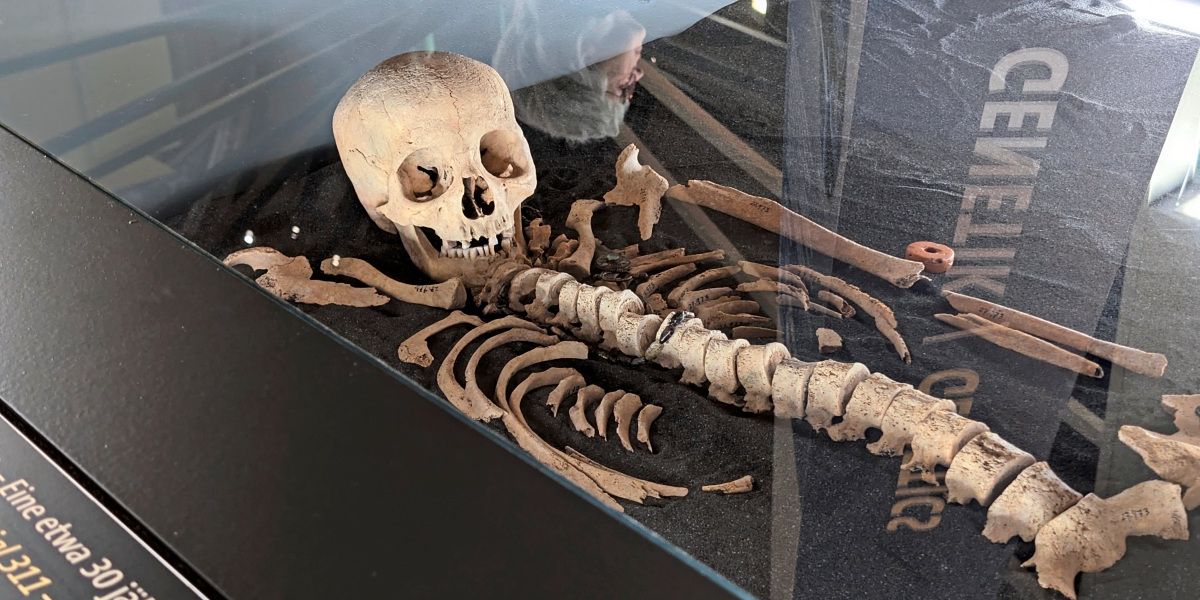
Scientists examined DNA from grave sites in Mödling and Leobersdorf to understand the Avar people’s history.

Rabindranath Tagore became the first Indian to win the Nobel Prize in Literature in 1913, receiving the award for his translated poetry collection Gitanjali (Song Offerings).
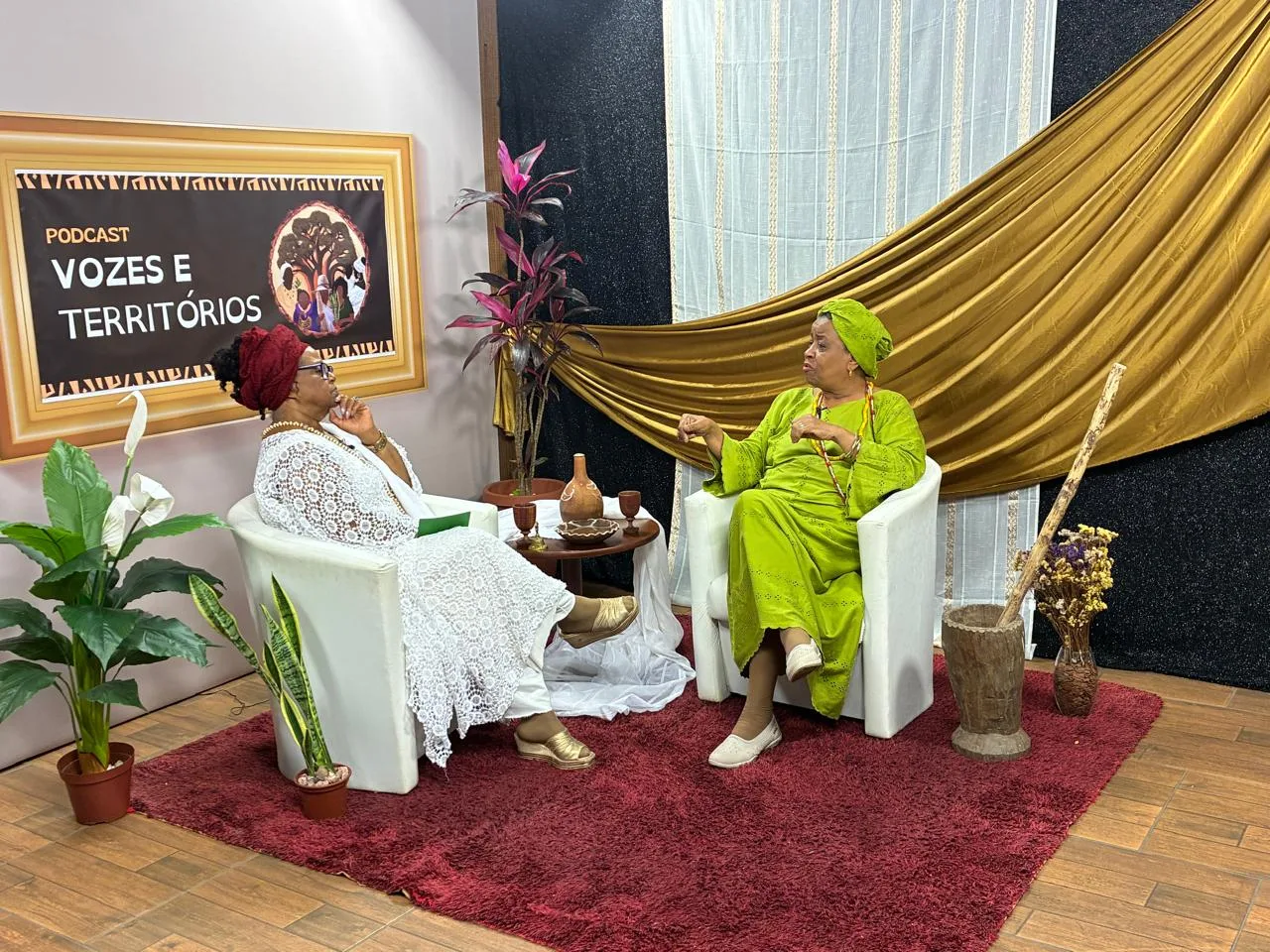
Kota Mulangi stated that she “became a better pediatrician from the moment she became a macota.”

The production team gathered over 30 gigabytes of recordings, including sounds from approximately 95 bird species and five amphibians/reptiles.
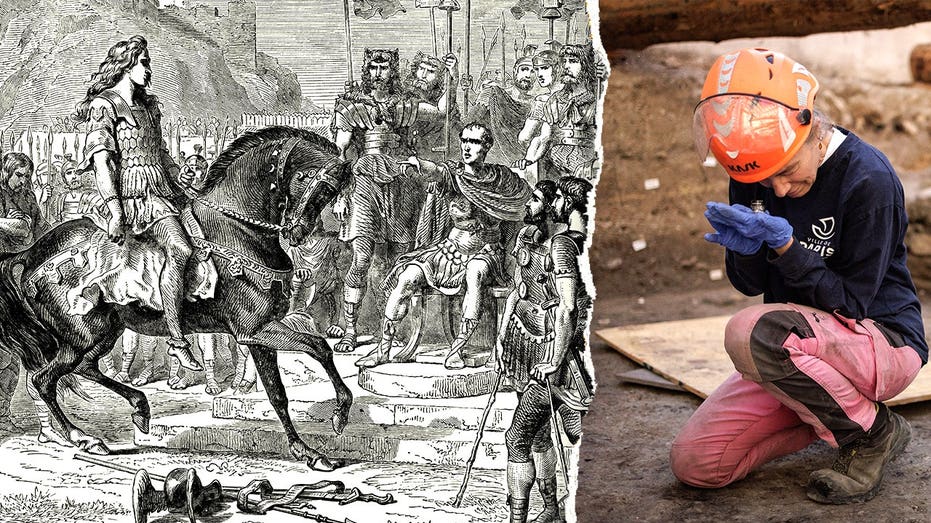
Radiocarbon dating suggests wooden elements of the wall originate from between 200 B.C. and 10 B.C.

Professor Farida Safiyeva is the author of 13 books and over 90 scientific articles, with this latest publication building on two previous works about Iravan.
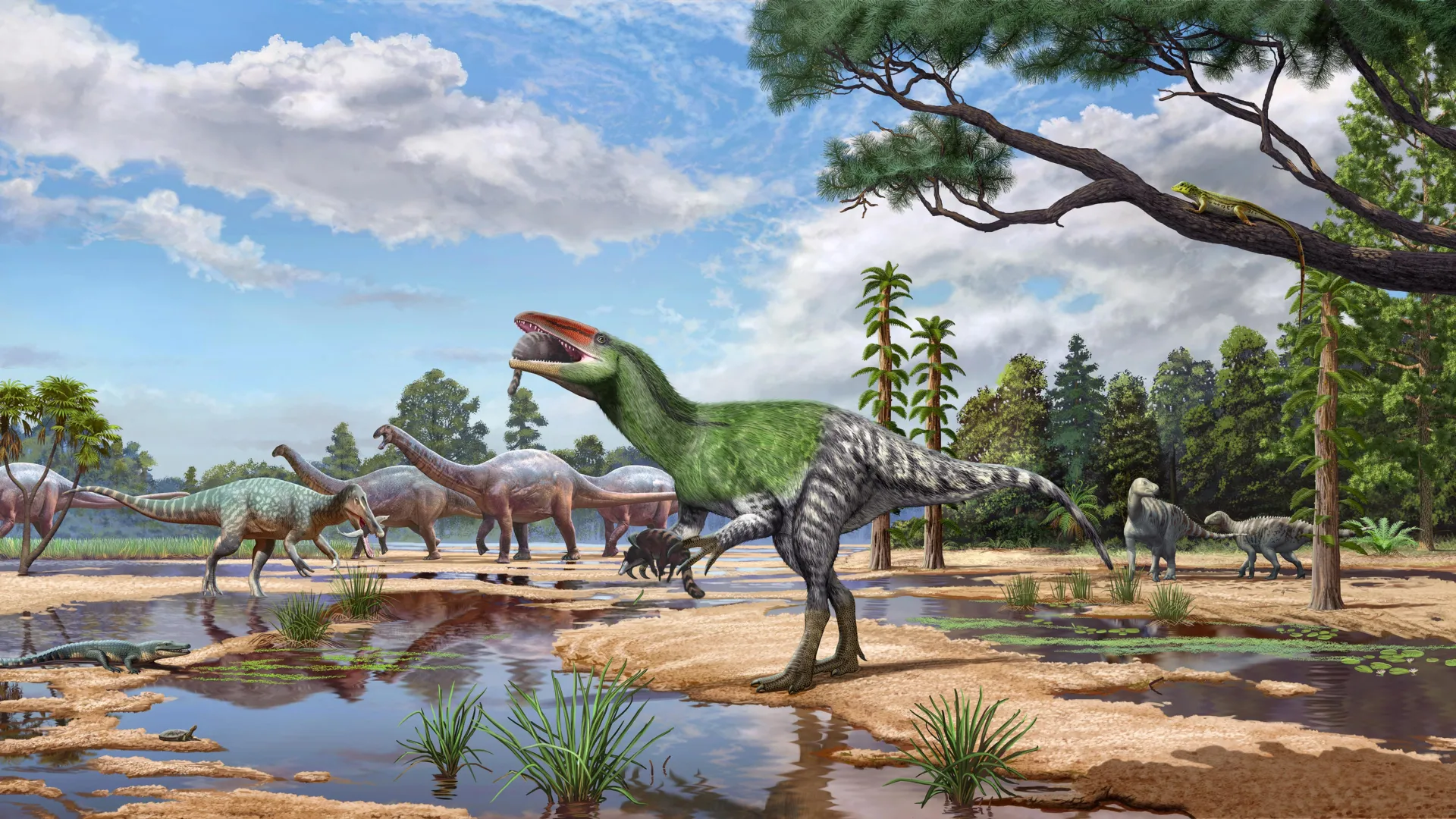
The newly discovered Invictibellatrix amberina had claws potentially reaching 20 centimeters long.
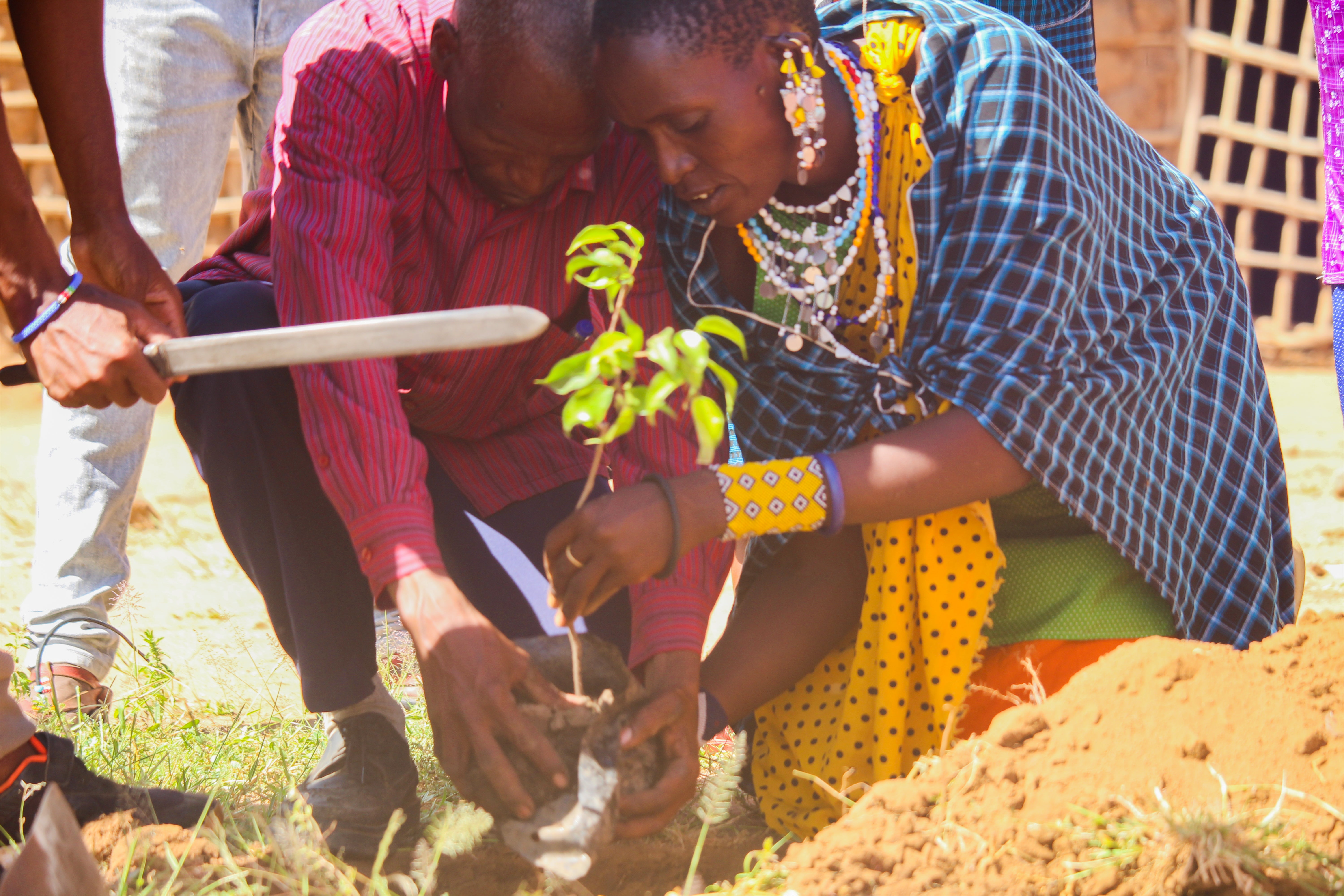
Mommon Makko’s project participants planted 200 indigenous trees in a Tanzanian dryland area to help restore the land and support livestock grazing.

Frédéric Le Play began his studies of workers while at the École polytechnique in 1827, involving his students and colleagues in research across French departments.
Researchers digitised over one million weather observations from handwritten records spanning 1908 to 2023 to study climate change in the Congo Basin.

Researchers used an artificial intelligence model to decode a telegram that had remained encrypted for more than 80 years.
The discovered Roman aqueduct dates back to 68 AD and is described as exceptionally well-preserved.

The painting is estimated to sell for 50 million pounds, which would make it the most valuable artwork ever exhibited for auction in Italy.
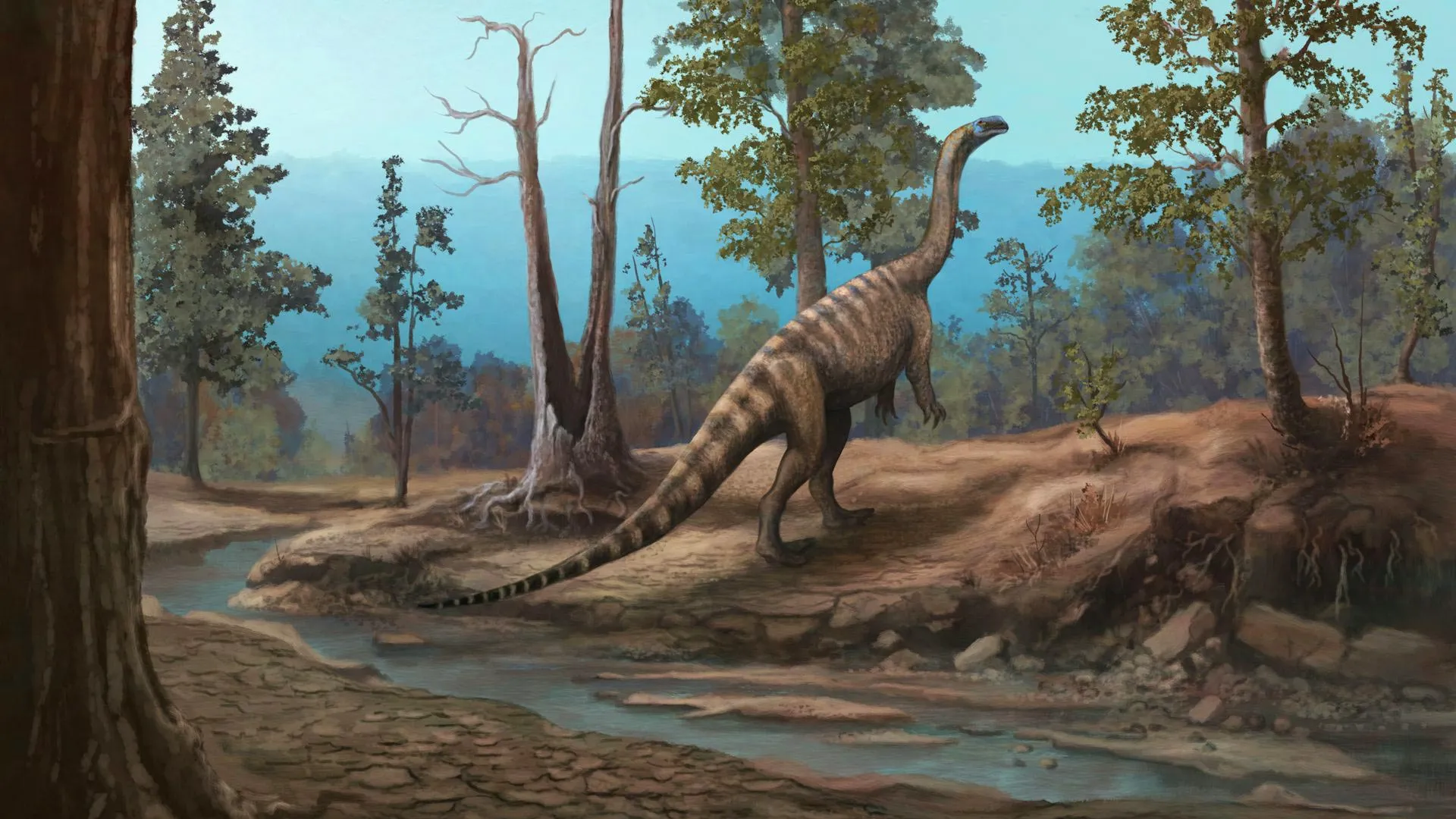
The newly discovered Musango matusadonaensis weighed 220 kilograms and walked on two legs.

Sotoo Etsurō became chief sculptor of the Sagrada Familia in 2012 after working under yearly contracts for 35 years.

Accomplished English learners processed unfamiliar words similarly to non-speech sounds, relying less on brain networks used for their first language.
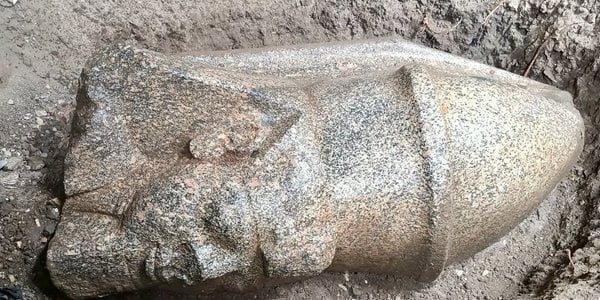
The discovered head of Ramesses II measures approximately 1.6 meters tall.

The Kawésqar population of Patagonia decreased from 4,000 people in the 19th century to approximately 100 by 1930.

The filmmakers used 3D scanning and archival work to pinpoint the location of the historic photograph after nearly 200 years.

Researchers analyzed 1,471 photographs and 222 recordings to identify differences between the ‘Colombian’ guan and related species.
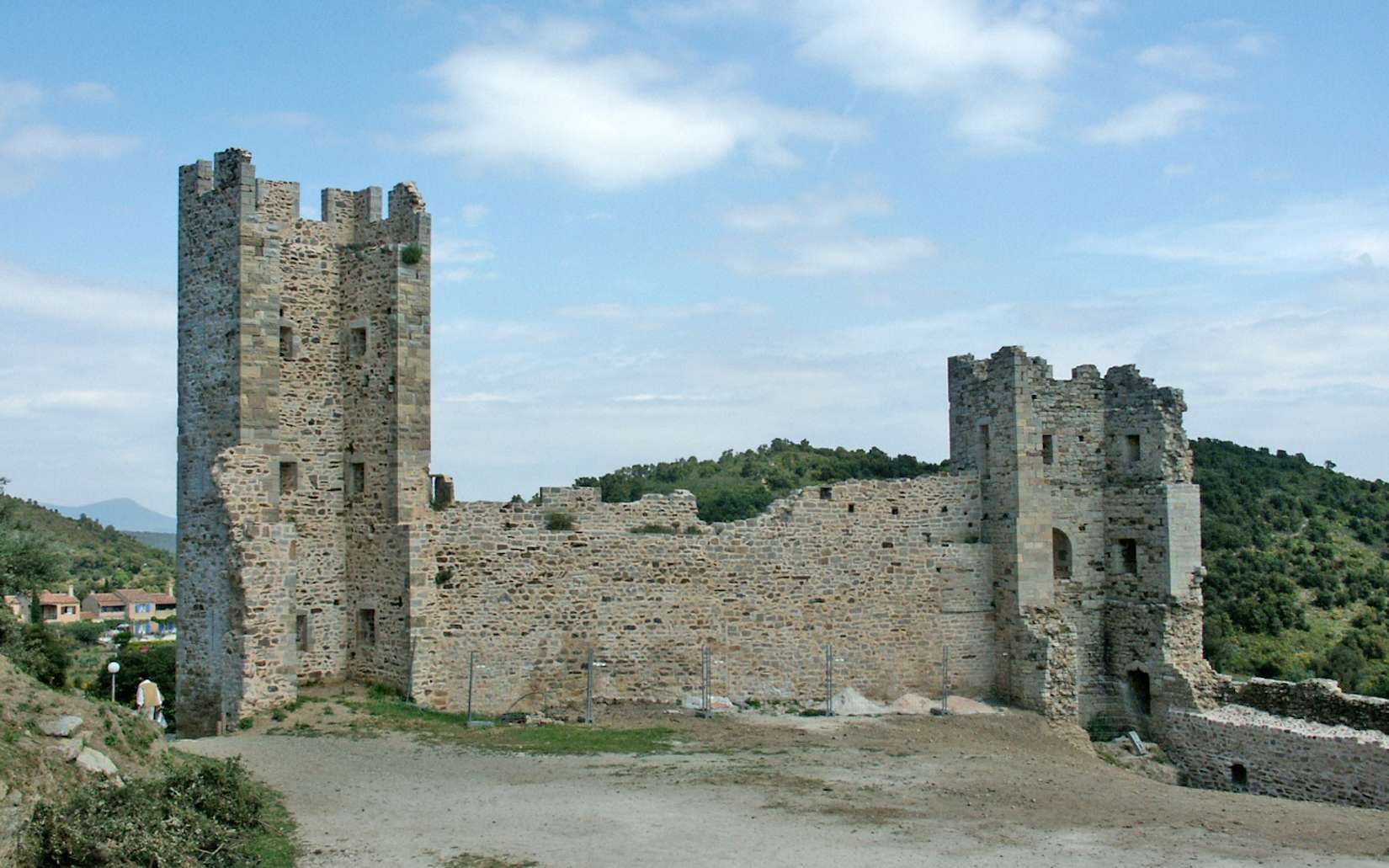
Archaeologists discovered nearly fifteen burials beneath the castle, with more potentially remaining in the church's choir and nave.
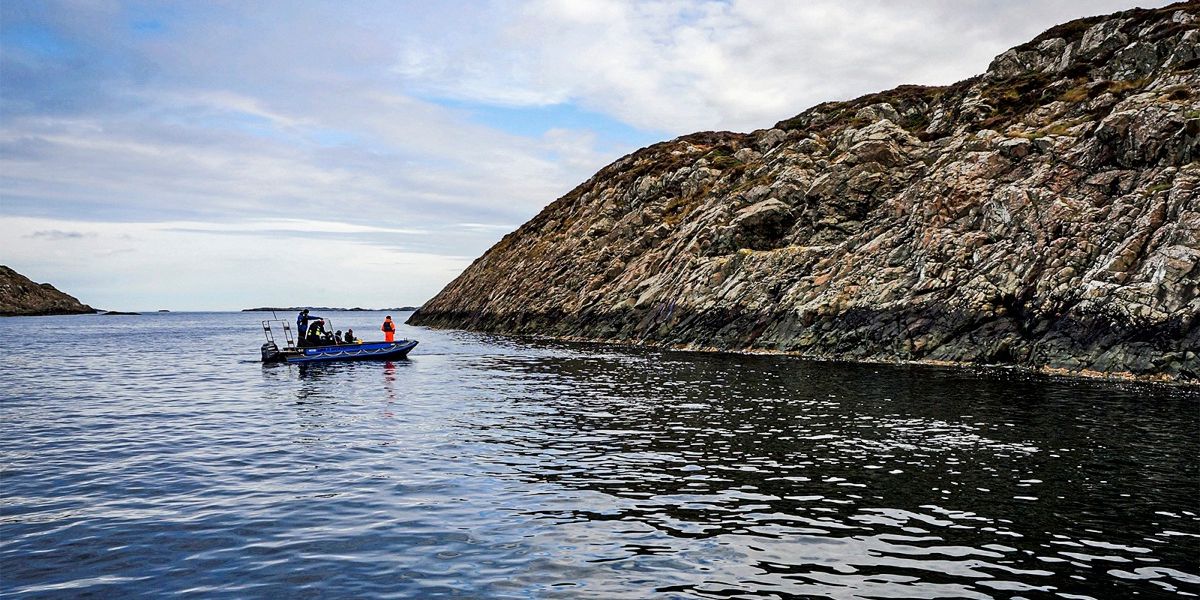
The recovered stone anchor weighs over 30 kilograms and displays a complete circular groove.

The invictibellatrix amberina had claws that grew to 20 centimeters long.

Researchers found that skilled linguists relied less on the brain’s left sensorimotor system, involved in language processing, when processing foreign-language sounds, instead showing brain activity similar to that used for non-speech sounds.

Liudvikas Rėza published a bilingual collection of 15 Lithuanian songs with a German translation in 1799, alongside Wilhelmas Jensenas.
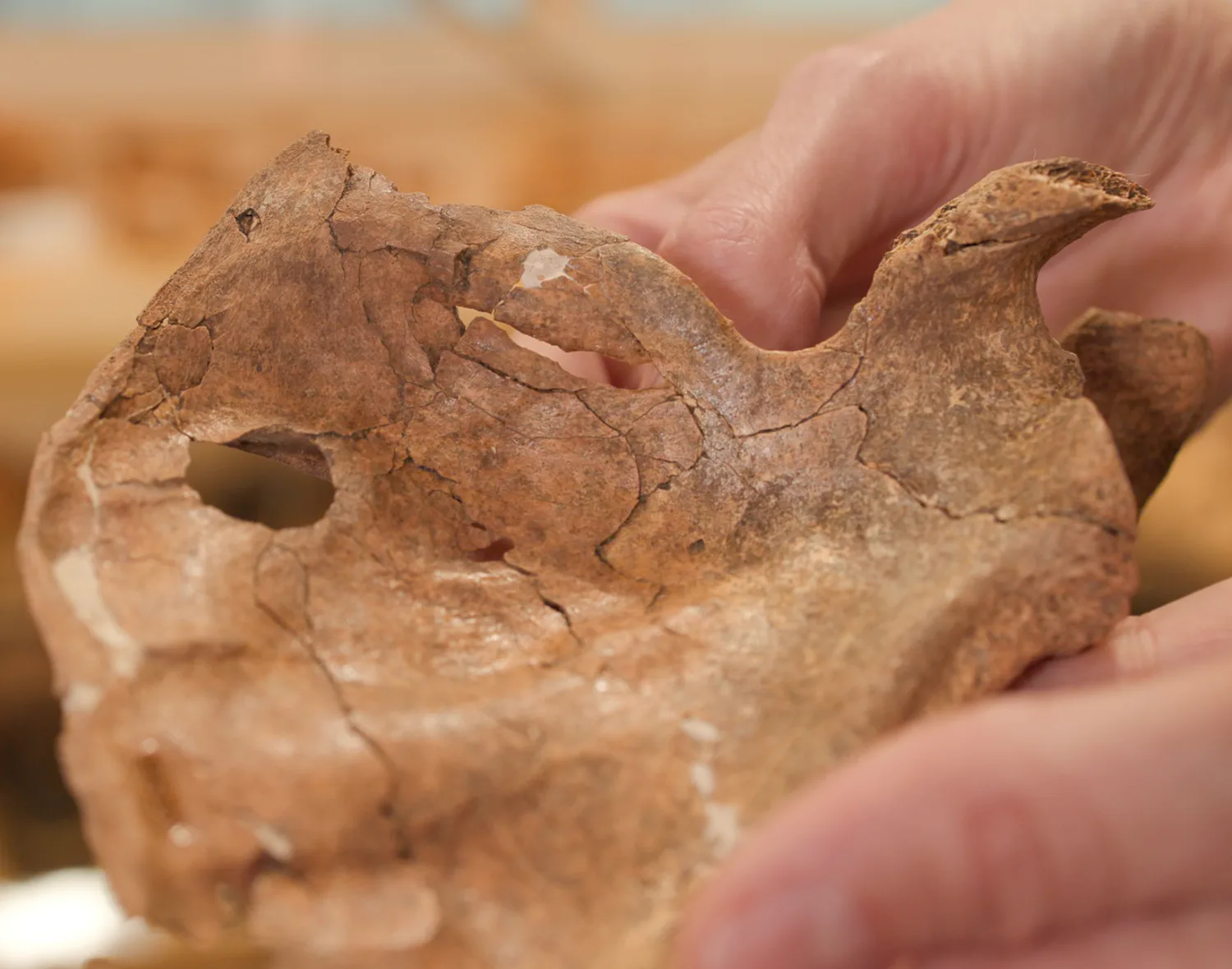
A Neanderthal’s shoulder blade contained a 1.5-centimeter hole caused by a wooden spear, potentially making it the oldest evidence of a human ancestor killed by this type of weapon.

The discovered Titanoboa fossils included remains from 29 individual snakes, providing ample evidence for describing the new species.
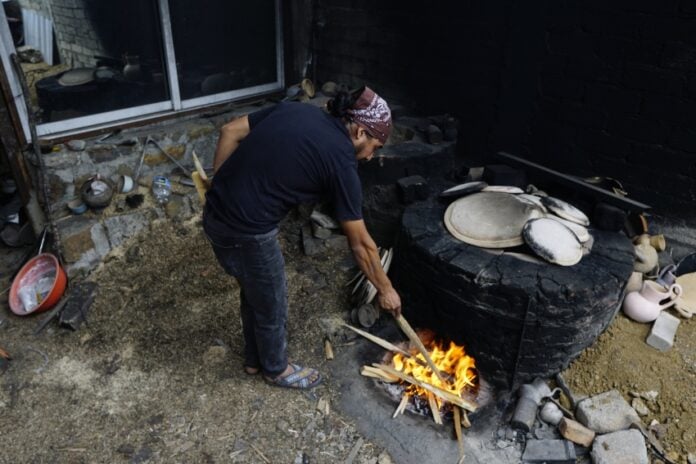
Adrián Martínez Alarcón learned the art of pottery from his mother, Ana María Hernández, and is now a seventh-generation ceramicist in Santa María Atzompa.
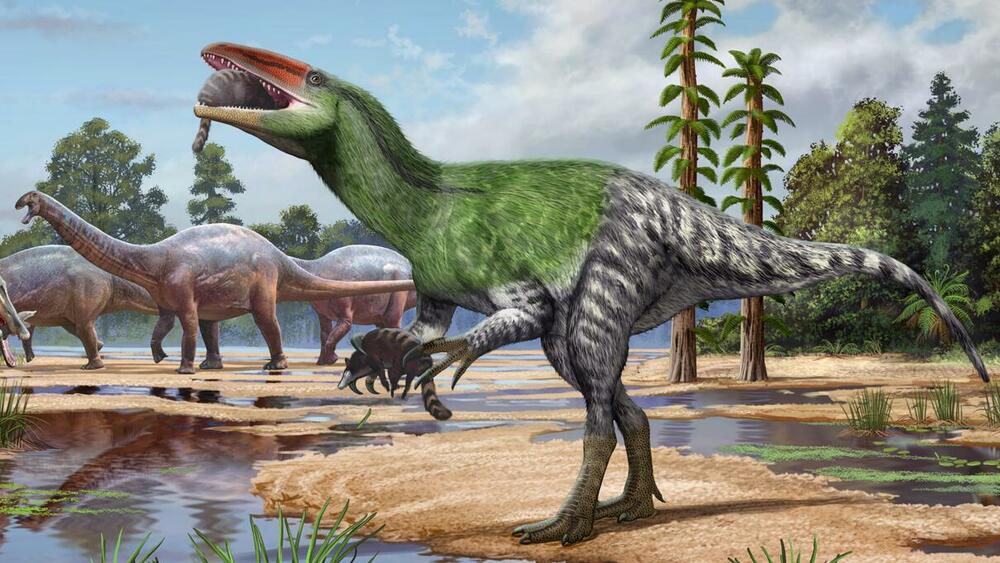
The newly identified Invictibellatrix amberina was between three and four meters long, about the height of an average person.

The KMT building in Sydney connected Chinese Australians to political networks spanning Hong Kong, Japan, San Francisco, Vancouver, and the Pearl River Delta as early as the 1920s.

Artisans in Jarjatta village applied for the GI tag for the Mandar drum in September 2021, drawing attention to the traditional methods used to create it.

Since 1994, anthropologist Sara Shneiderman has returned to Nepal repeatedly to study communities and witness the country’s political transformation.

The Portuguese language is currently spoken by over 280 million people across four continents, according to the CPLP.

The researchers discovered remnants of stone tool production in the drilled samples, suggesting ongoing activity at the site.

The Indigenous Hip Hop Festival featured artists rapping in at least three Indigenous languages: Zapotec, Mayan, and Mazatec.

Each year since São Tomé and Príncipe gained independence, a woman has recited “Trindade,” a poem by Espírito Santo that commemorates the 1953 Batepáde Massacre.
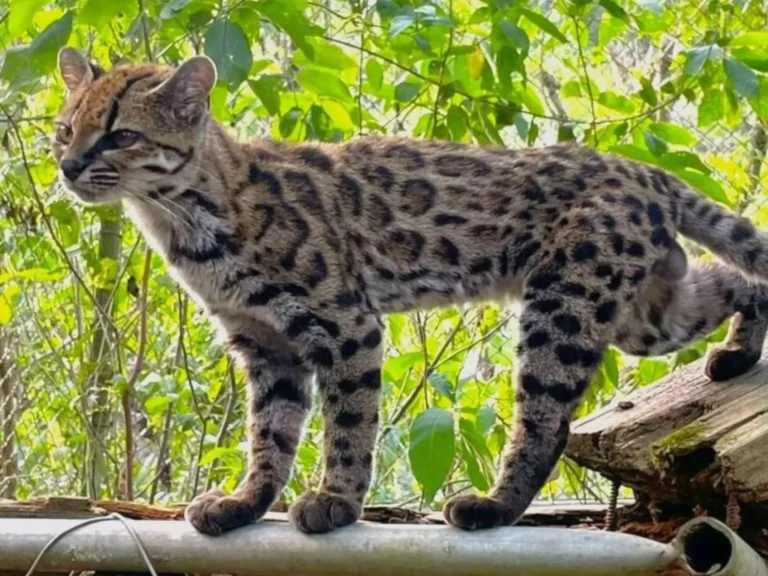
The scientific team first identified the new feline species in September, publishing their findings in the journal Current Biology.

Arthur Musulube received the Eninha ya Kiira medal in 2019 for his contribution to preserving Busoga’s identity through music.

Giotto painted the frescoes in the Bardi Chapel between 1317 and 1325, and they remained unrestored for nearly 70 years before this recent project.

The number of cannabis products authorized by the Brazilian Health Regulatory Agency (Anvisa) increased from 850 in 2015 to nearly 195,000 in 2025.

Storm intensity in the Shenkeng region increased by 12 to 15 percent, and category 4 and 5 storms doubled or tripled in frequency this century.
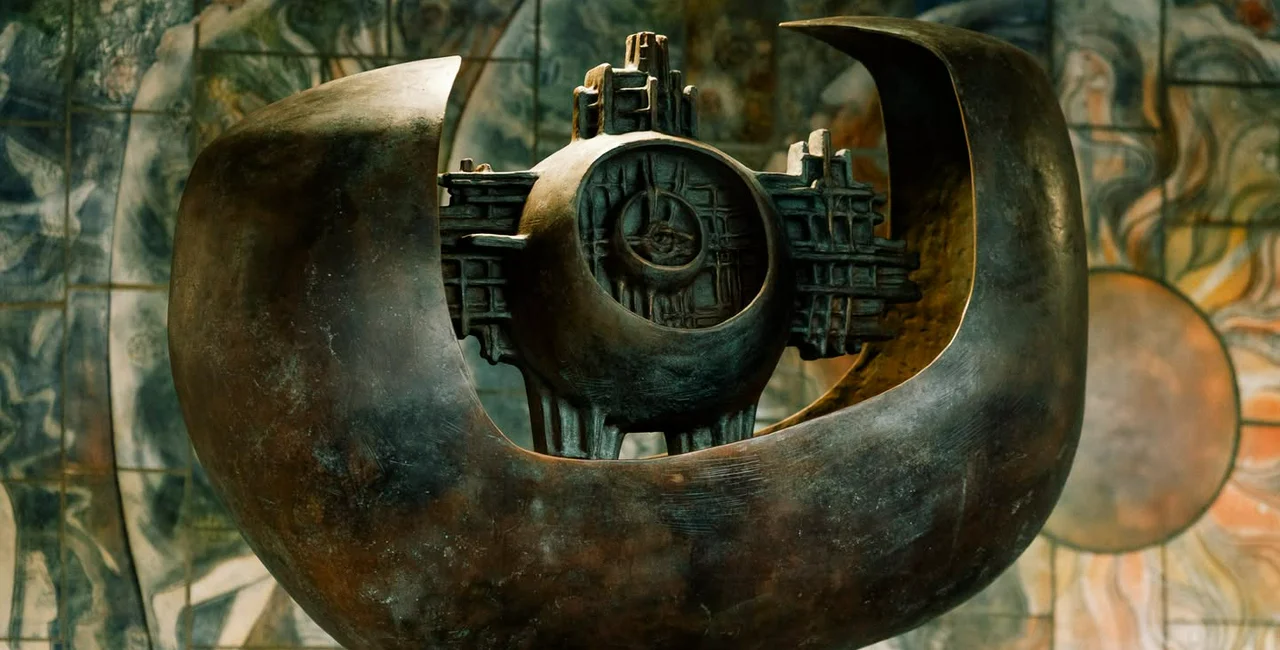
The new bronze sculpture weighs over 300 kilograms and was recreated from photographs and a small surviving model.

The LENS benchmark included 1,765 questions to assess large language models' understanding of North Korean language, society, and knowledge.

Poe’s 46-page story dedicates 43 pages to preparations and the voyage, only arriving at the Moon on page 43.
The discovered statue of Ramses II may have originally reached a height of approximately 8.5 meters, including its base.

Over 35,000 tourists visit the Brno Capuchin Crypt each year.

The Neanderthal Shanidar A lived to approximately 45 years old, a relatively long life for their species, despite suffering a fractured jaw and a spear wound.
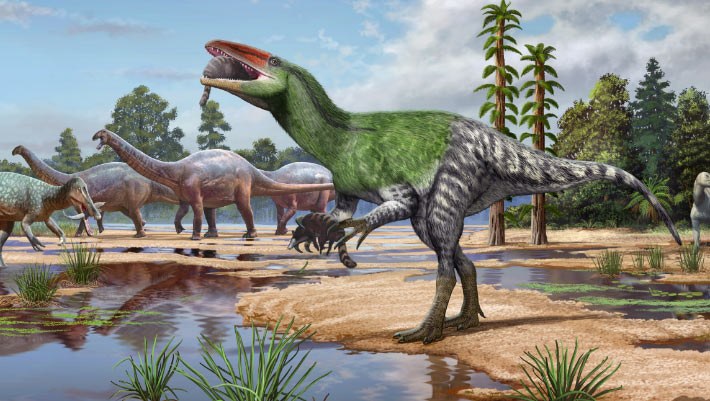
The Invictibellatrix amberina’s claws could have grown to be 10 to 20 centimeters long.
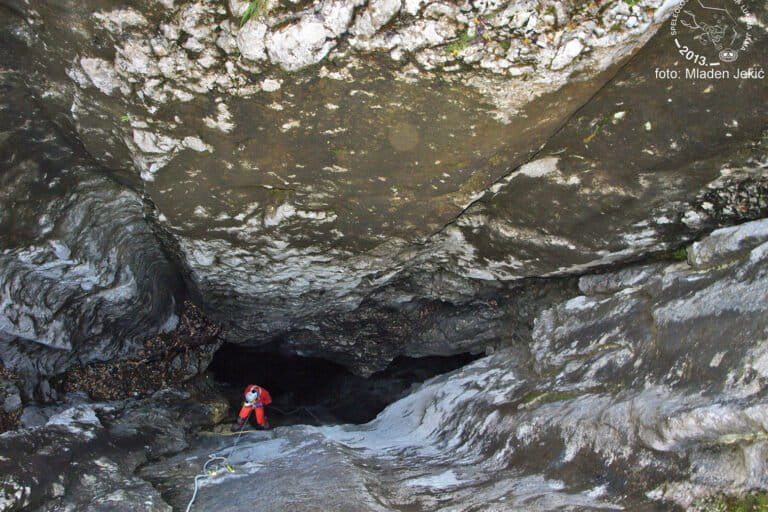
Researchers found a Geophilus hadesi centipede at a depth of 1,100 meters, marking the deepest known record for any member of the centipede class, Chilopoda.

The observatory in Teteles de Ávila Castillo, Puebla is more than 2,500 years old, making it the oldest pre-Hispanic astronomical observatory found outside the Mayan area.

One Rufous-collared Sparrow began to sing the recreated song fragments within three months of hearing the AI-generated melody.
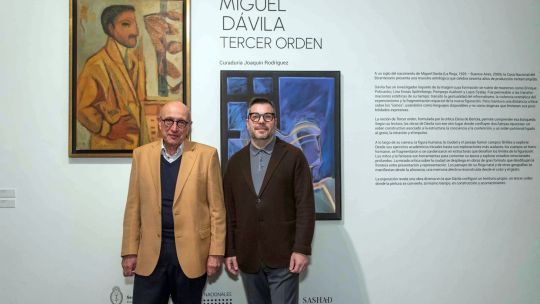
The exhibition features over 2,000 works by Miguel Dávila, spanning his career from 1949 to 2009.

The analysis included over 200 visual materials from both the tuberculosis and COVID-19 eras in Turkey.

Michel Foucault’s “La Place de l’homme dans la pensée occidentale moderne” contains notes from a course he taught from 1966 to 1967 and totals 324 pages.

The Yuezhuornis yangyuanensis fossil weighed approximately 821 grams, and its forearms were about one-third the length of its hind legs.
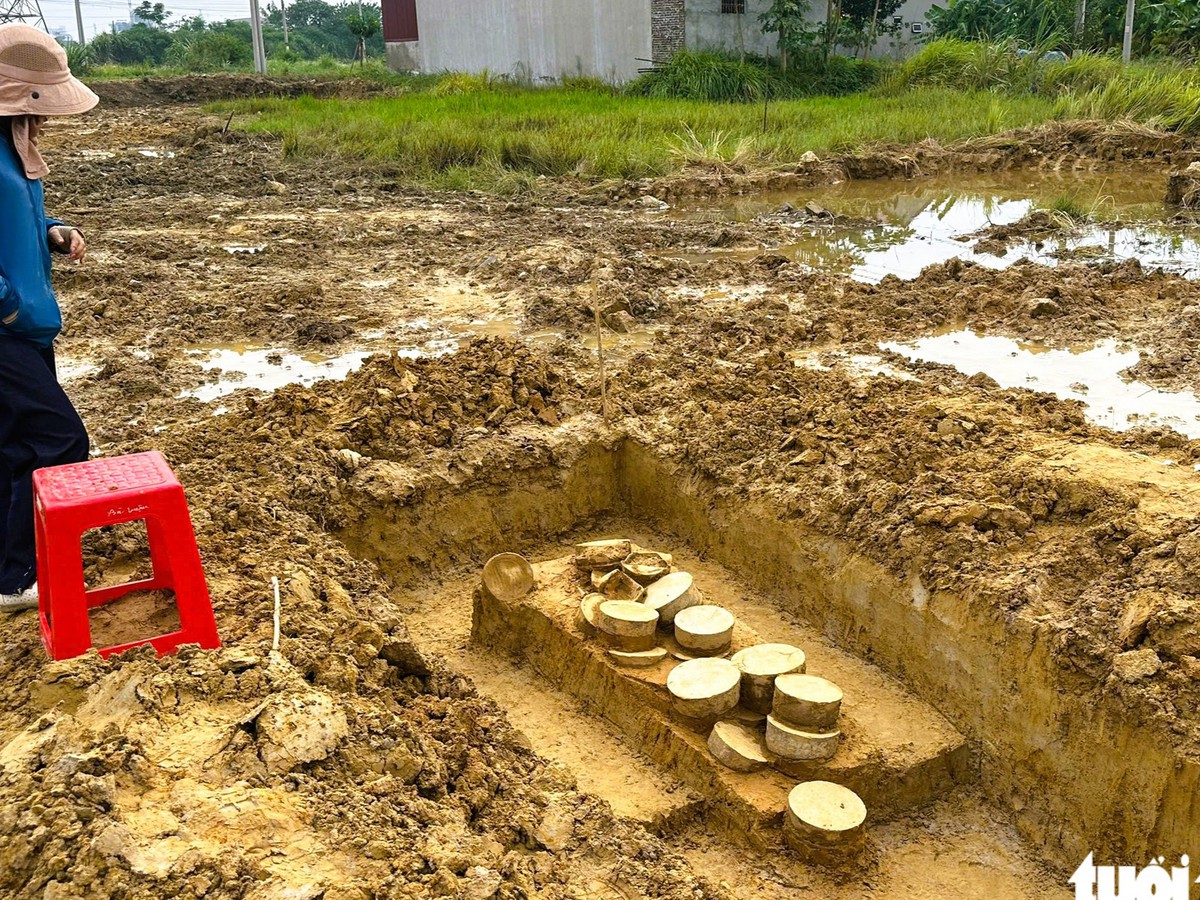
The discovery covered an area of about 3 square meters, revealing artifacts dating back to the 13th and 14th centuries.
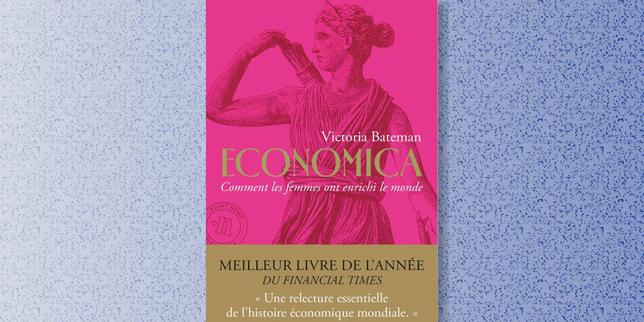
Bateman’s book details women’s economic contributions across all civilizations, dating back to the Paleolithic era.
The returned artifact dates back to approximately 12,000 BC, making it one of the oldest known components of a large-scale sculpture.

Natsume Sōseki’s image was featured on the 1,000 yen bill in Japan, demonstrating his cultural importance.

Records indicate Arafsa had 288 inhabitants in 1912, and all were ancestors of present-day Azerbaijanis.
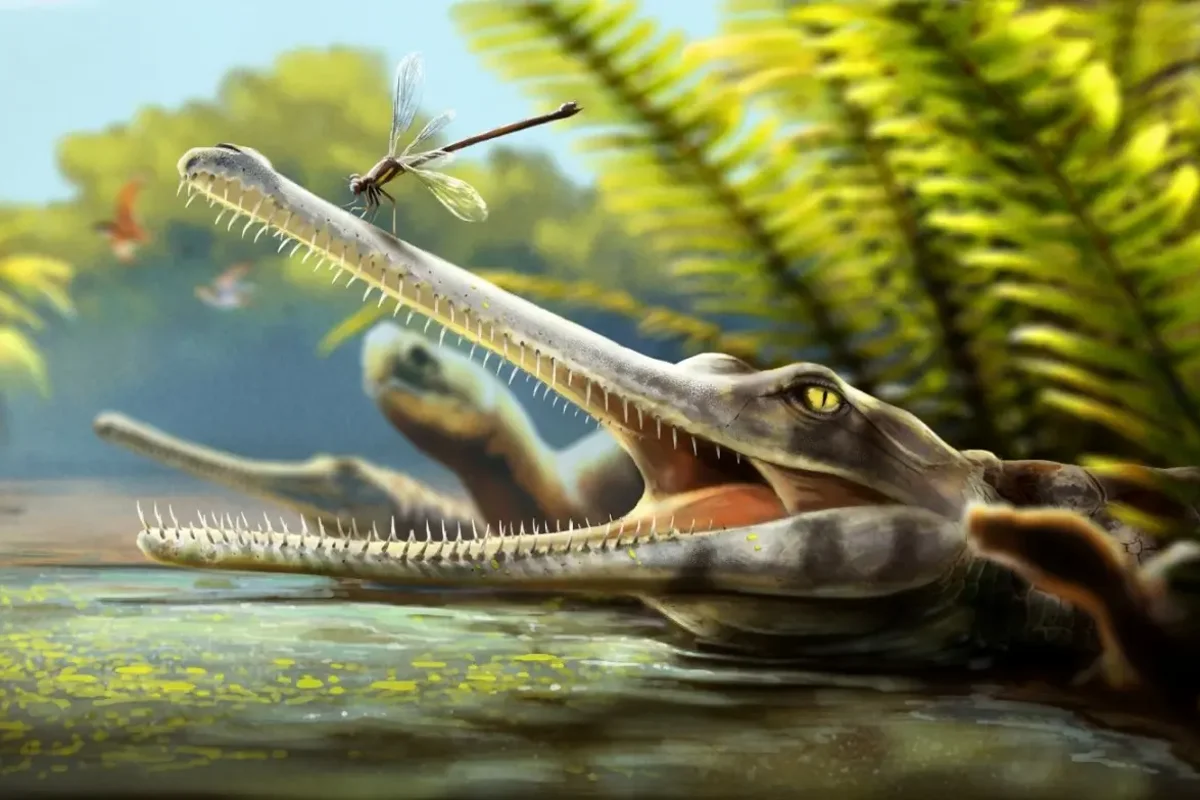
Ctenosuchus tenuidens lived 170 million years ago during the age of the dinosaurs, as evidenced by the age of the fossils found in Morocco.

Psychological factors, social influence, and beliefs about appearance explained 39.4% of the variation in self-expression confidence among the students.

Ambroise Paré designed some of the first advanced articulated prosthetic limbs, including arms and legs made of iron with gear systems.

Olafur Eliasson’s installation Deep Seeing Currents features a sound composition made entirely from authentic recordings from the deep sea.
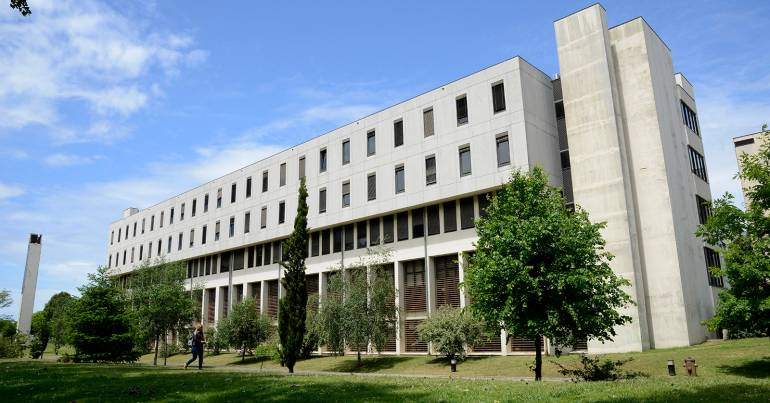
The fossilized nymph measures about 10 millimeters long and includes fragments of legs, eight visible segments, and short cerci.

Researchers tracked the gazes of 51 dogs during the experiment using artificial intelligence.

The museum houses a collection spanning 2,500 years of Jewish life in Morocco.
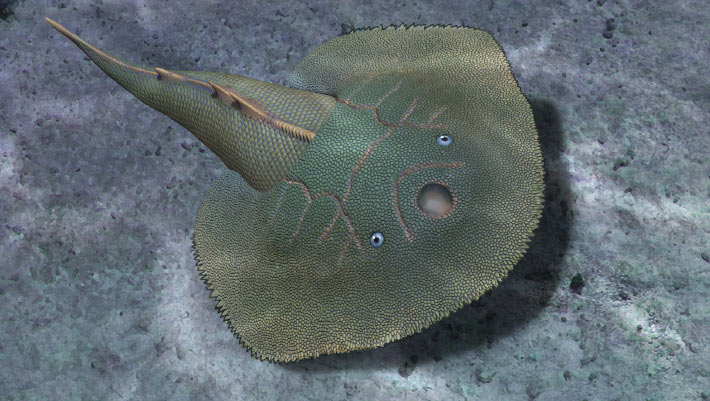
The newly discovered Asioaspis brachyotus had a headshield measuring 4.7 to 6 centimeters in maximum length.

Şafak incorporates 30 different narrators into her new novel, including both people and non-human entities like plants and diseases.

The Gugak-VocalSet dataset contains approximately 68,000 audio segments labeled with details about Korean vocal expression.

Prabhat Saikia’s unit in Assam provides work for approximately 20 young artisans.

The discovered statues measure 8.5 meters long, suggesting they belonged to a pharaoh of considerable importance.

The 1976 Russian edition of The Hobbit featured illustrations that contrasted with Tolkien’s own artwork, using a more stylized and cartoonish approach.

Wikipedia contains over 68 million articles in more than 300 languages, making it the largest collection of information ever created.

Prototaxites could grow to over 7.5 meters, towering over the low-lying vegetation of Earth 400 million years ago.
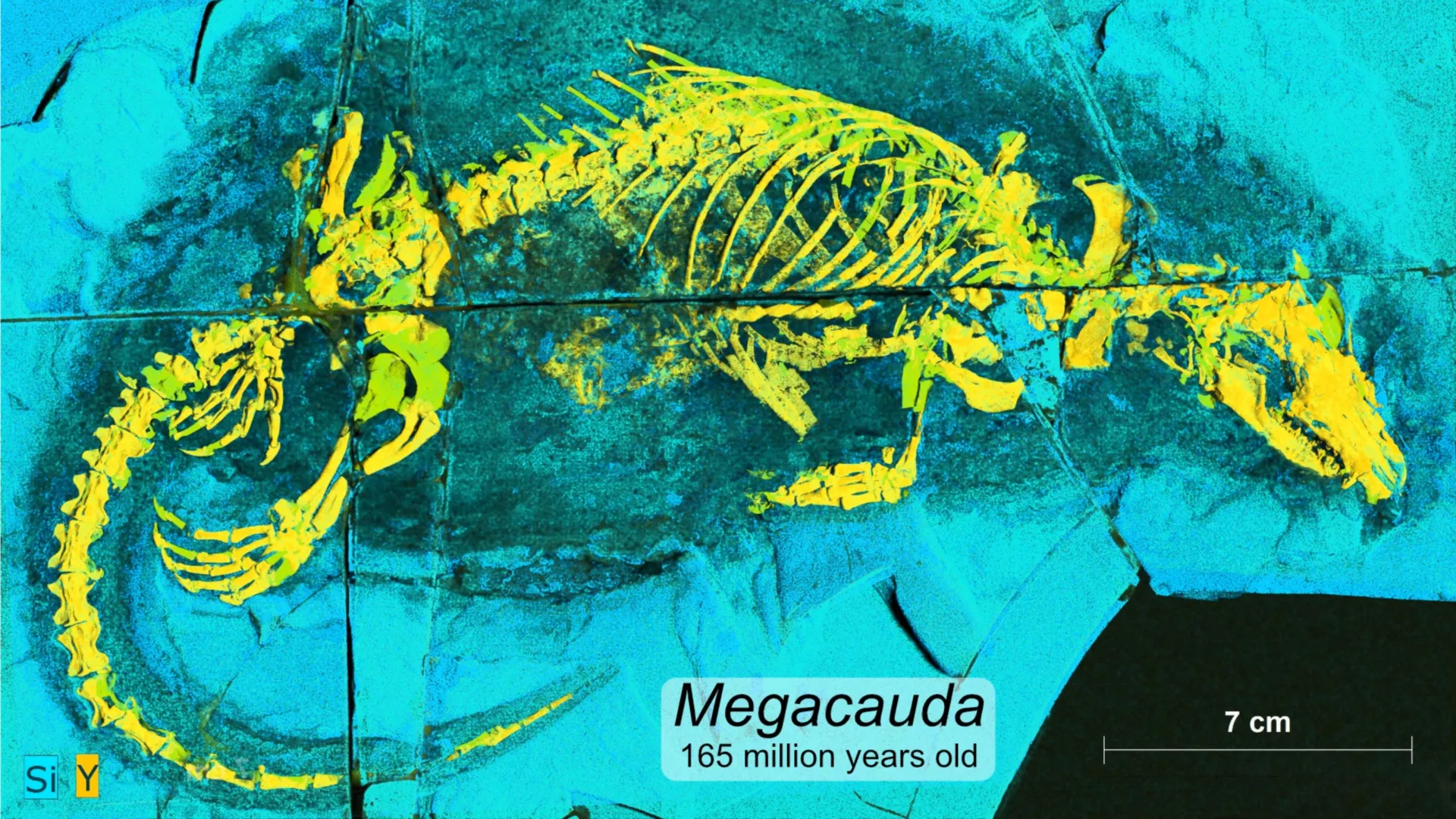
Megacauda sungei weighed approximately 4.4 pounds, making it unusually large for a Jurassic mammaliaform, early mammal relatives, which typically weighed only a few grams.

The sculpture required approximately 13,000 recycled pens and an equal number of refills to construct.
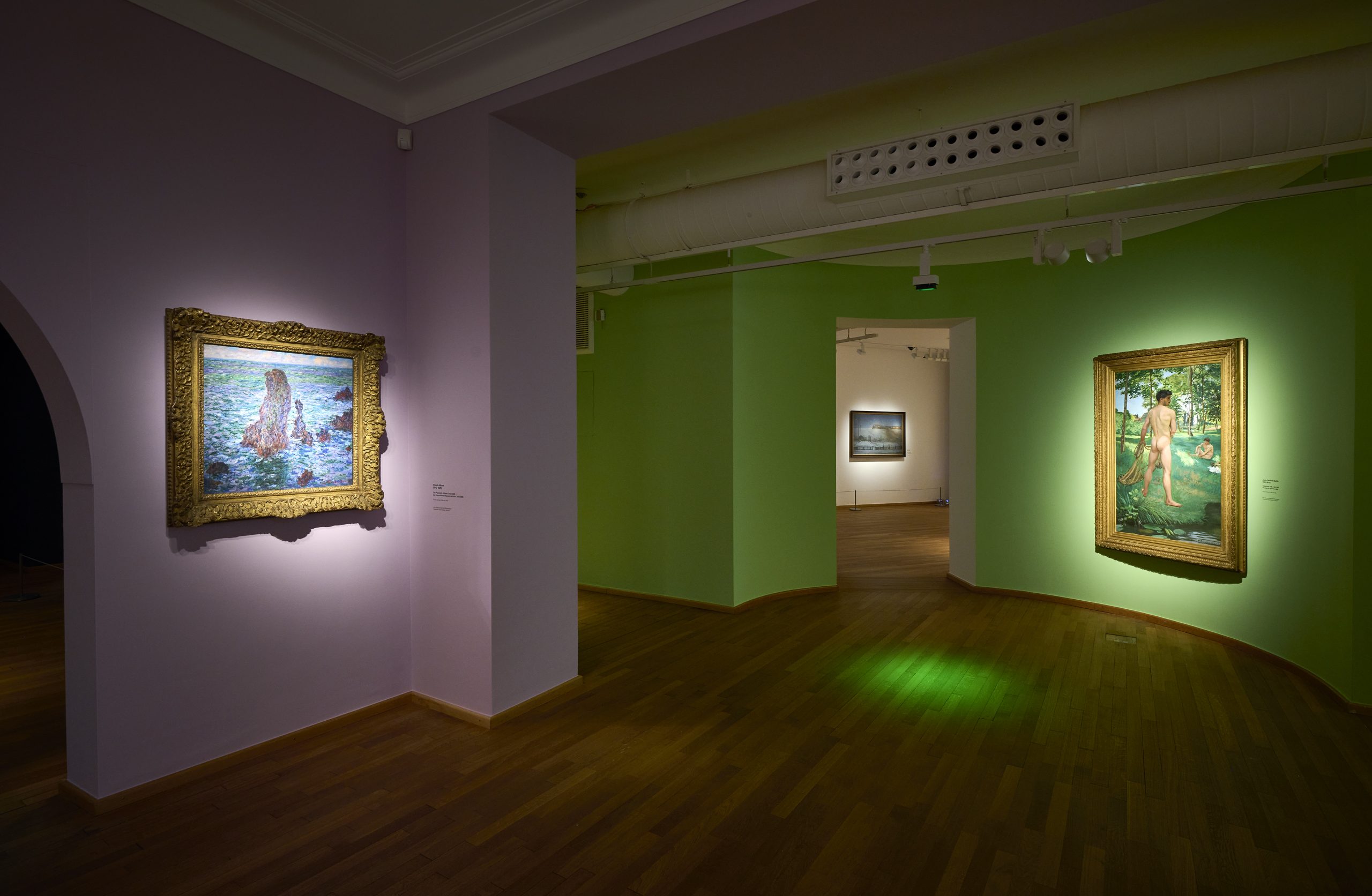
The exhibition features works by all the major Impressionist painters, including pieces from artists like Renoir, Monet, Degas, and Pissarro.

Darius I’s inscription was carved in three languages onto a cliff face in Iran, serving as a key to understanding ancient texts.

The researchers analysed genomes from 103 bat species, representing all 21 recognised bat families, to reach their conclusions.
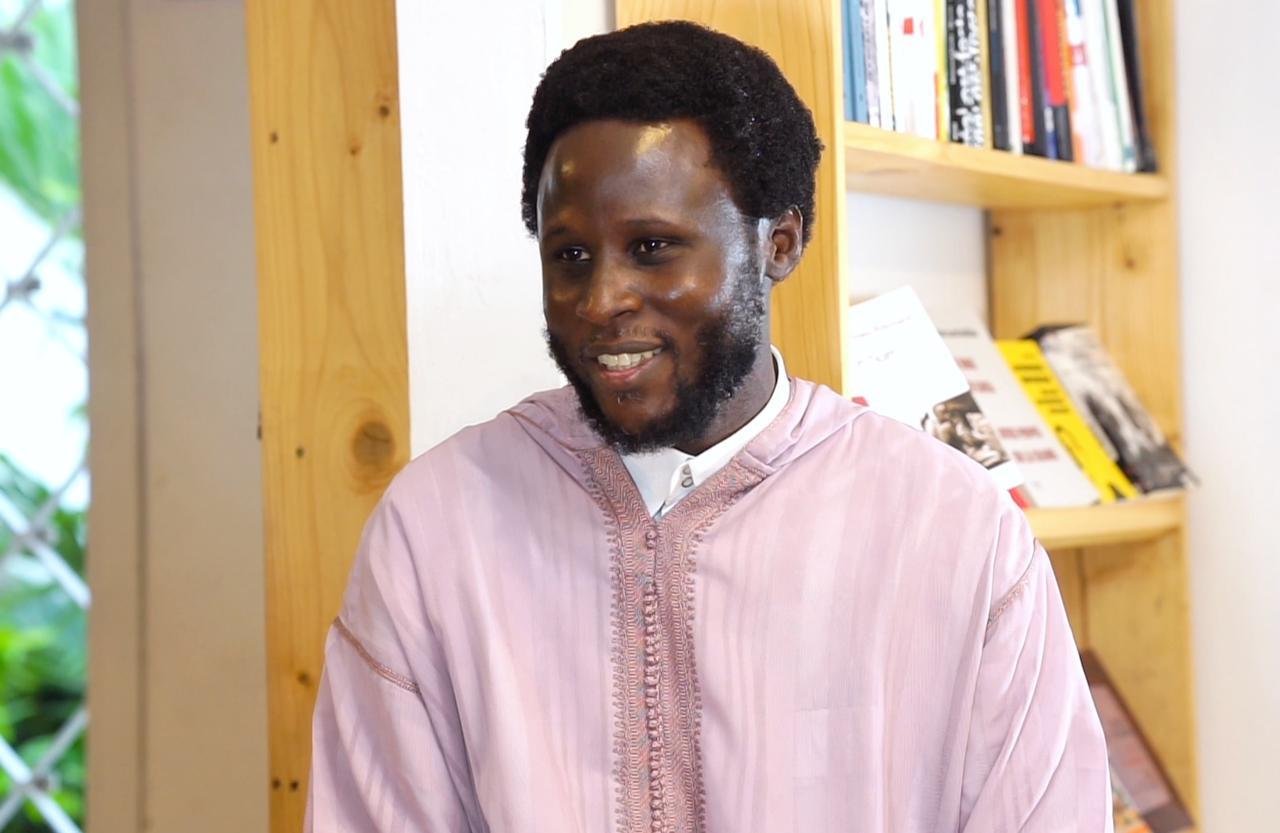
The film “7e Gare” will premiere on October 17, 2026, and be followed by a panel discussion on the future of Senegal’s railways.
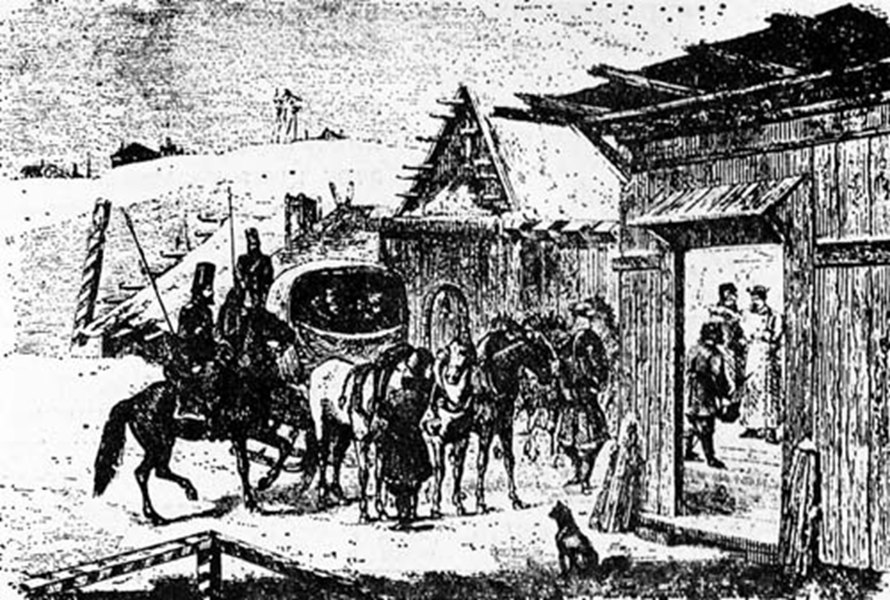
The Yam system allowed Mongol messengers to travel between 200 and 300 kilometers each day, delivering military orders and administrative reports with unprecedented speed for the era.
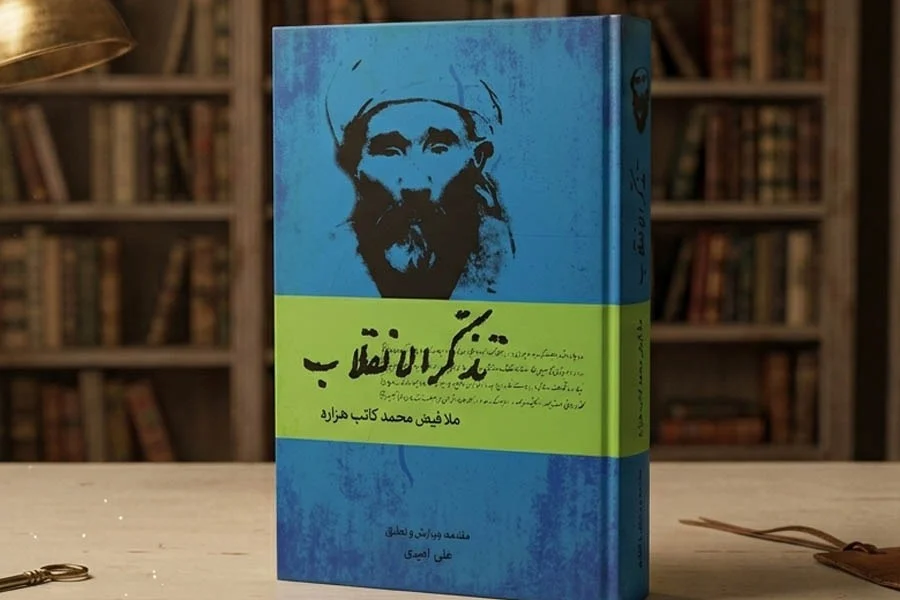
Ali Amiri’s introduction to the new edition of Tazkirat al-Inqilab claims Katib revived rationalist historiography, a claim the author finds unsupported by evidence in the text.
Showing 50 of 533 stories