History shapes beauty standards, Daverio argues
Summary and headline written by AI from the source article. How we work
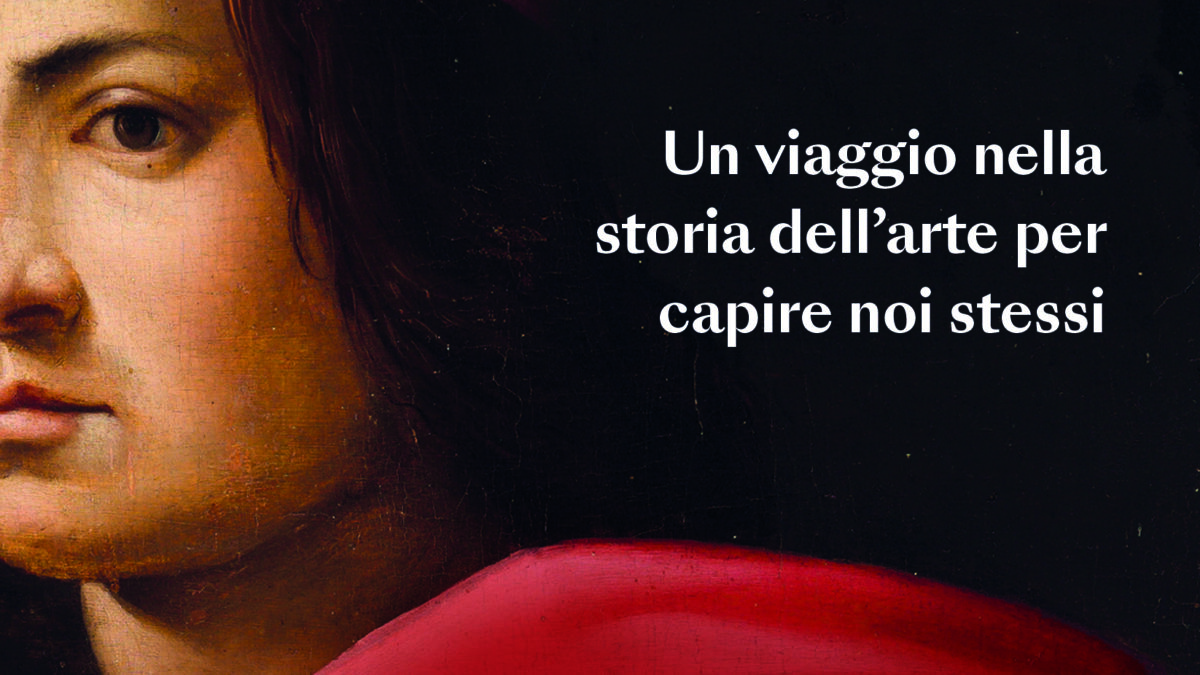
Philippe Daverio, an Italian art critic who died in 2022, explored how historical events shaped ideas of beauty in his posthumously published book, Le origini dell’eleganza (The Origins of Elegance).
Daverio, through lessons compiled from his work at the Politecnico di Milano’s Design Faculty, connected everyday objects and language to shifts in aesthetic values.
He traced the word “classic” from a Roman tax bracket for those who could afford military equipment, and thus fight in the front lines, to its modern association with timeless art. Daverio also linked technological changes to evolving tastes.
He explained that the faster writing enabled by goose quill pens in 11th-century France influenced the pointed architecture of Gothic cathedrals, ultimately giving rise to the word “modern” and the concept of “fashion.” He contrasted cultures, noting that while Germanic cultures equated beauty with shining displays of material wealth, Latin traditions valued elegance as careful selection, the act of choosing senators based on their modest, white robes. Ultimately, Daverio argued that elegance isn’t about excess but about refinement.
He saw the changing depictions of the female body, from the slender figures of Botticelli to the fuller forms in Rubens’ paintings, as reflections of historical conditions like war and famine. He believed that true art embraces complexity and ambiguity, resisting the simplification of modern communication.