Humpback whales, elephants and penguins show conservation gains in Africa
Researchers identified 299 individual humpback whales in a single gathering off South Africa, marking the largest such group ever recorded on the Happywhale platform.
Ecosystems recovering, species returning, nature bouncing back. How does this lens work? →
Article headlines and summaries on this page are written by AI. How we work
Researchers identified 299 individual humpback whales in a single gathering off South Africa, marking the largest such group ever recorded on the Happywhale platform.
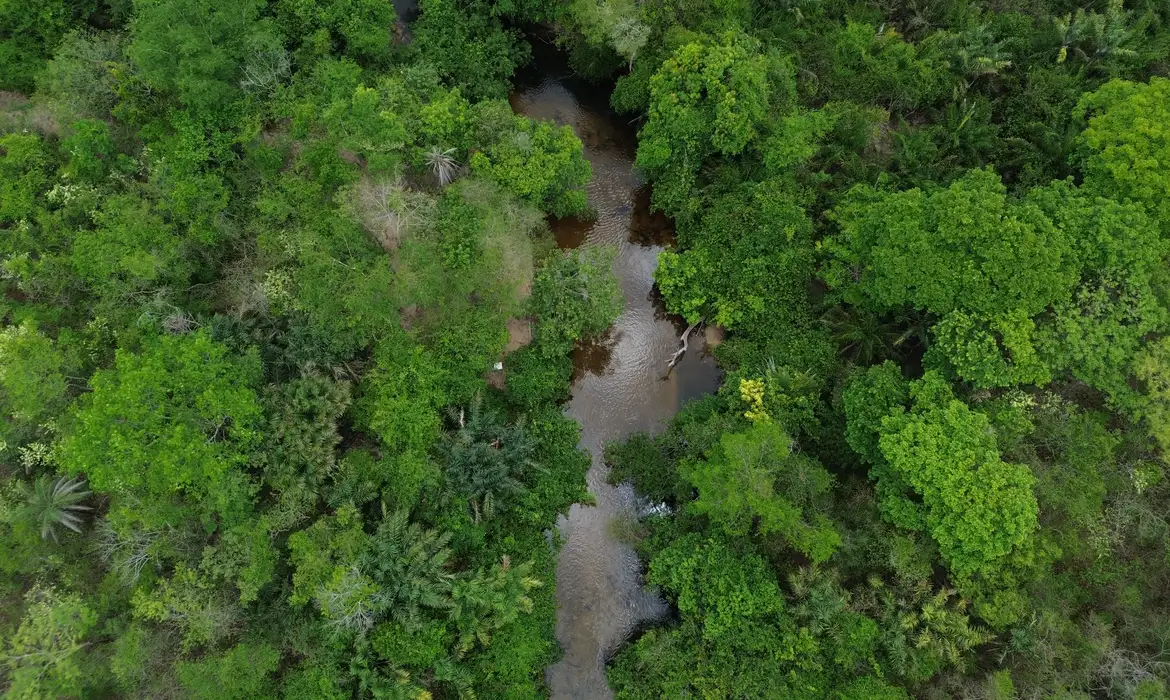
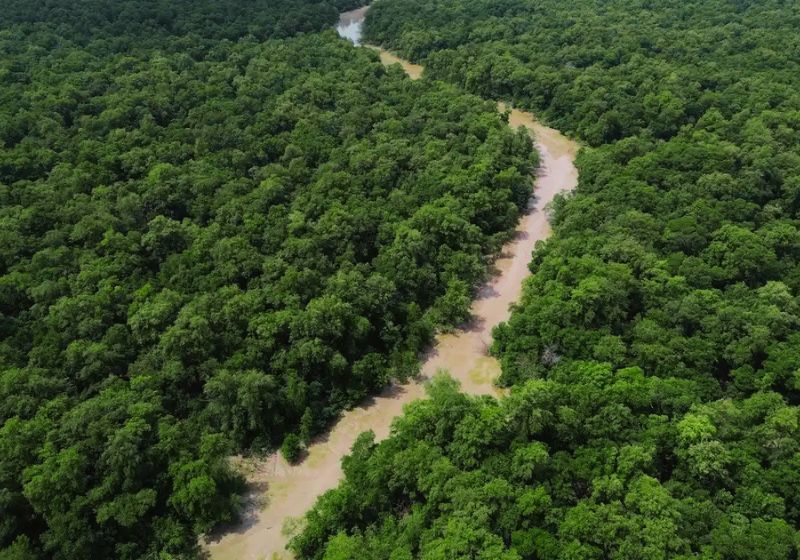
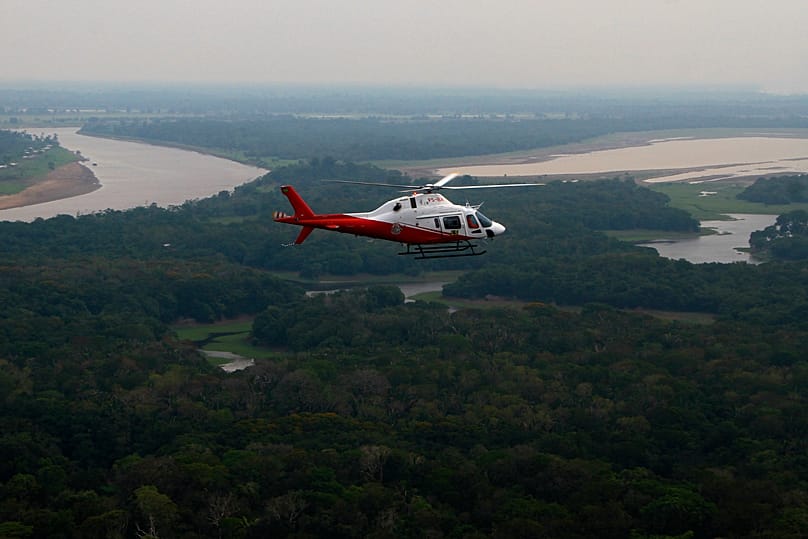
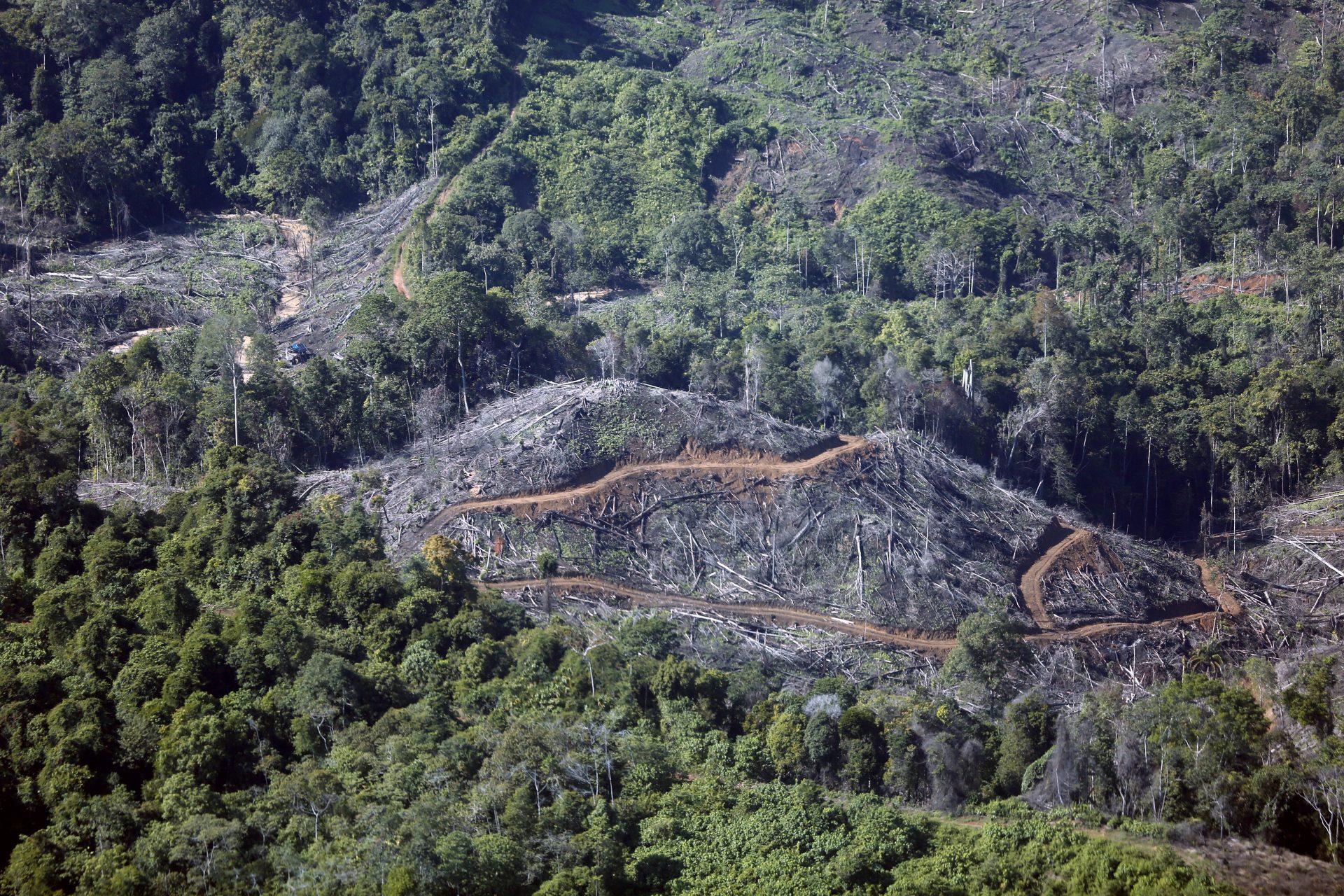
Deforestation in Brazil’s Amazon fell to 3,335 square kilometers between August 2025 and July 2026, the lowest rate since monitoring began in 1988.
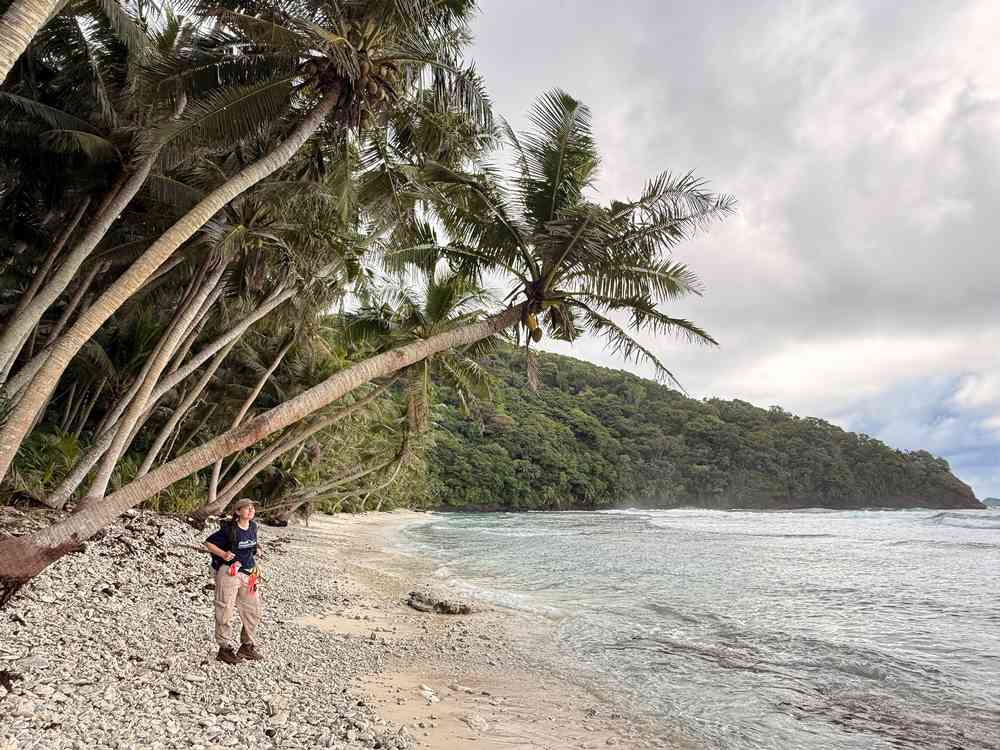
Nu’utele Island is a Key Biodiversity Area for Samoa and home to one of the country’s most pristine native forests.
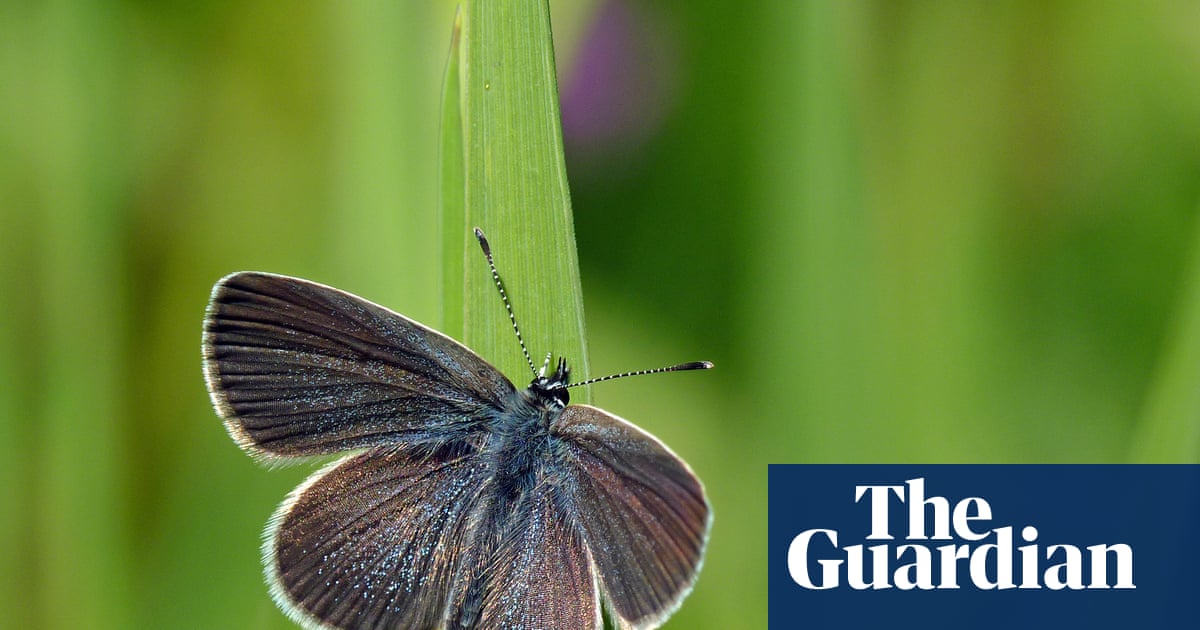
Halnaker Hill farm saw 5,290 butterflies appear just two years after converting wheatfields to a nature restoration project.
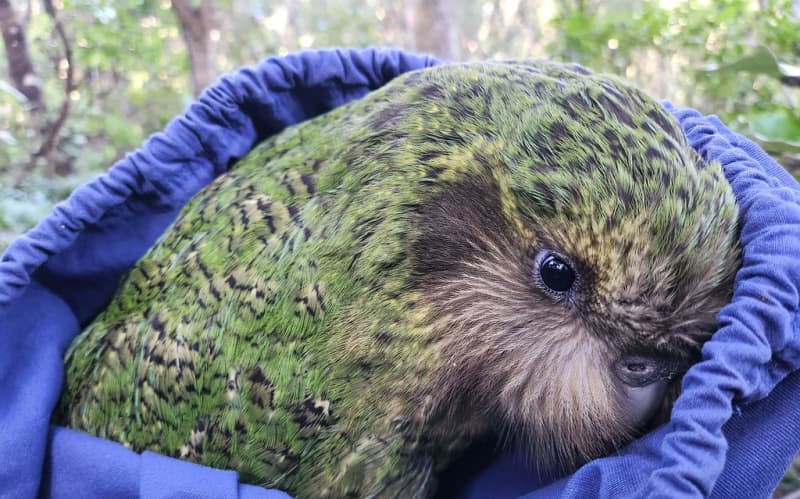
After a successful breeding season, the national population of kākāpō reached 325 birds, prompting the search for new habitats.
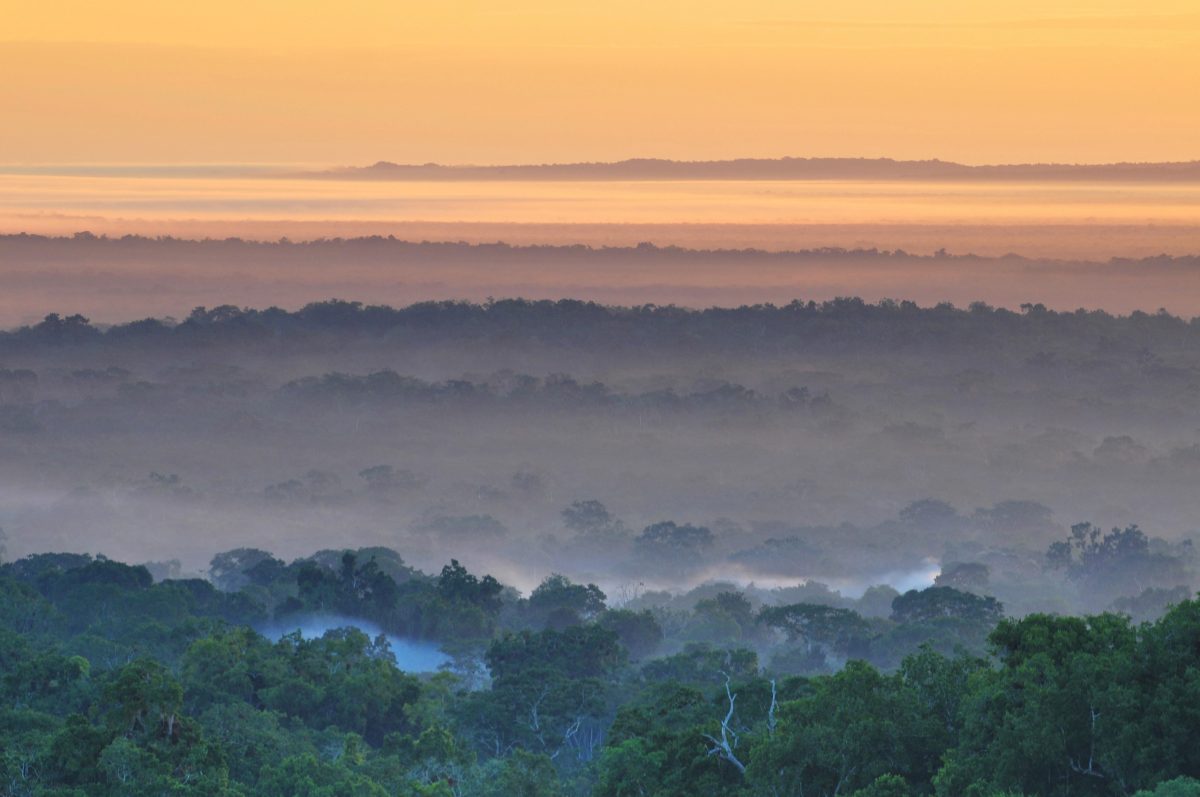
In 2024, over 230,000 hectares of protected land burned in Guatemala’s Petén department, stretching resources thin before USAID funding ended.
The Irrawaddy dolphin population in Cambodia has increased to an estimated 118 individuals following the birth of six calves this year.
The latest census in June 2026 counted 53 rhinos in Dudhwa, including 17 adult males, 25 adult females, and 11 calves over one year old.
Researchers found bacterial diversity in a single pool exceeding that documented across China’s entire Pearl River.
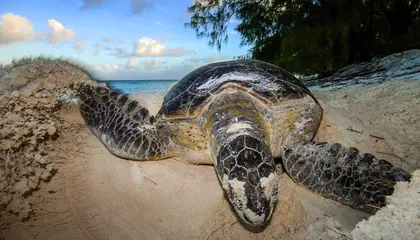
Researchers counted more than 4,174 loggerhead sea turtle nests in Georgia in 2025, a record since comprehensive surveys began in 1989.
The JSPCA has cared for 50 red squirrels so far this year, successfully raising eight baby squirrels, called kits.
The INPE reported 3,335 square kilometers of Amazon rainforest were destroyed between August 2025 and July 2026, the lowest amount since monitoring began in 1988.
African Nature Investors (ANI) provided equipment to close mine openings and trained Nigerian park rangers following the removal of 4,000 miners.
The Wimpole Estate in Cambridgeshire has recorded 5,242 species of wildlife, including a tiny pygmy ant found at only one other location in the UK.
Peru released thousands of turtles, including the vulnerable taricaya, into the Huallaga and Ucayali river basins through October 17.
The transported guanacos traveled approximately 3,000 kilometers to reach their new home in El Impenetrable National Park.
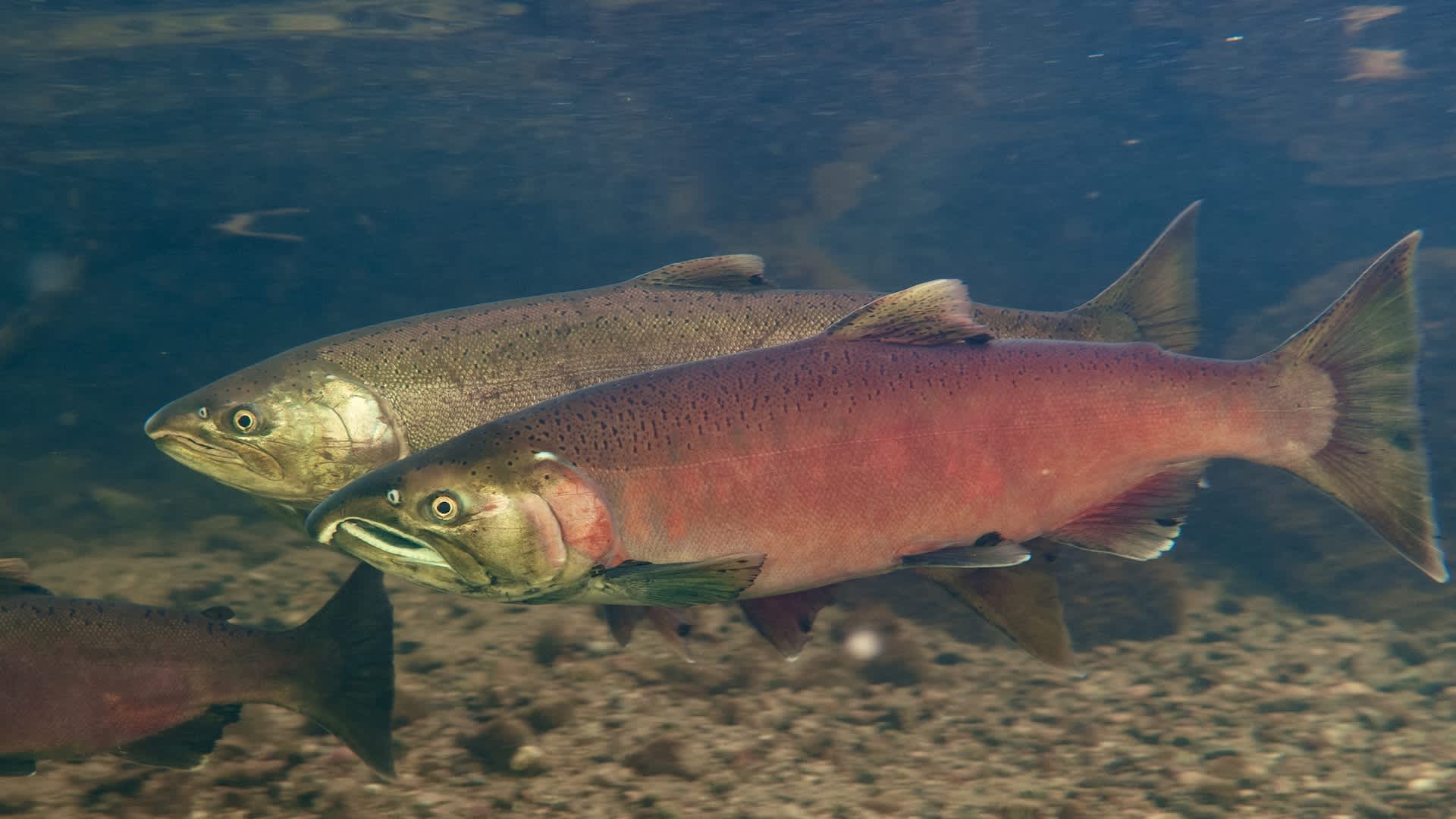
The dam removal restored access to 640 kilometers of habitat for Chinook salmon.
The Nature Conservancy restored thousands of acres of former farmland in California’s Delta into rice paddies and wetlands.
Researchers previously estimated bogong moths once numbered as high as 4 billion during their migration to the Australian Alps.
Reefs on rat-free islands grew 1.5 to 1.8 times more quickly than those on islands with rat infestations.
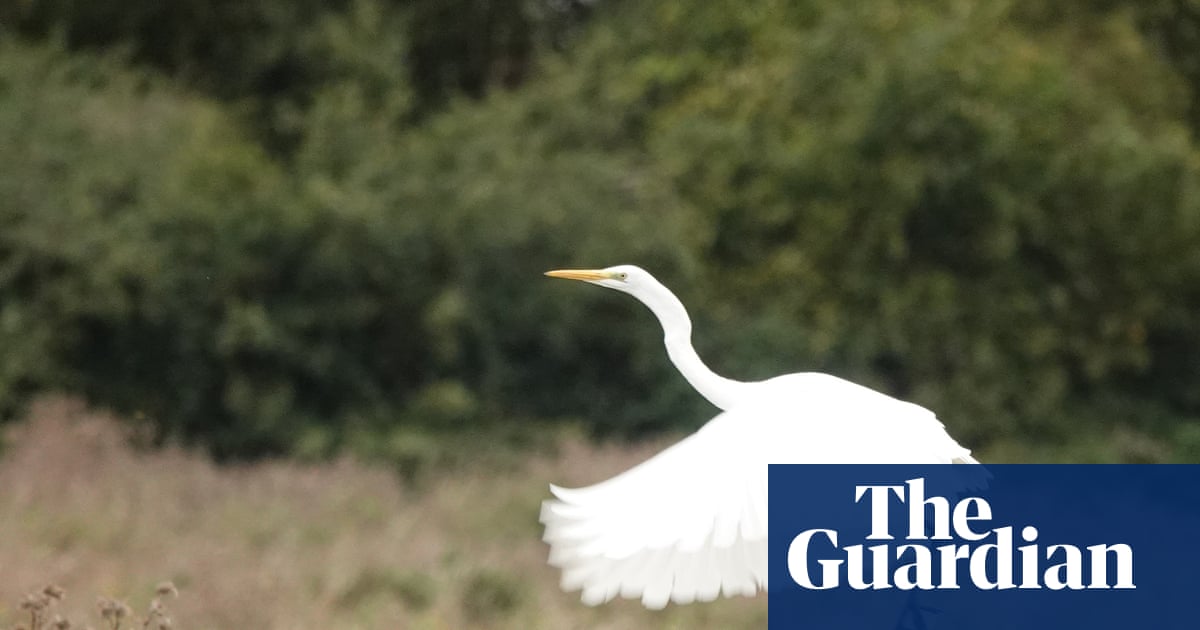
Thirteen great egrets were spotted hunting in the Ouse Fen, a restored wetland in Cambridgeshire, England.
PIF2 has already developed 50,000 hectares of agroforestry, putting it at 90% of its overall objective.
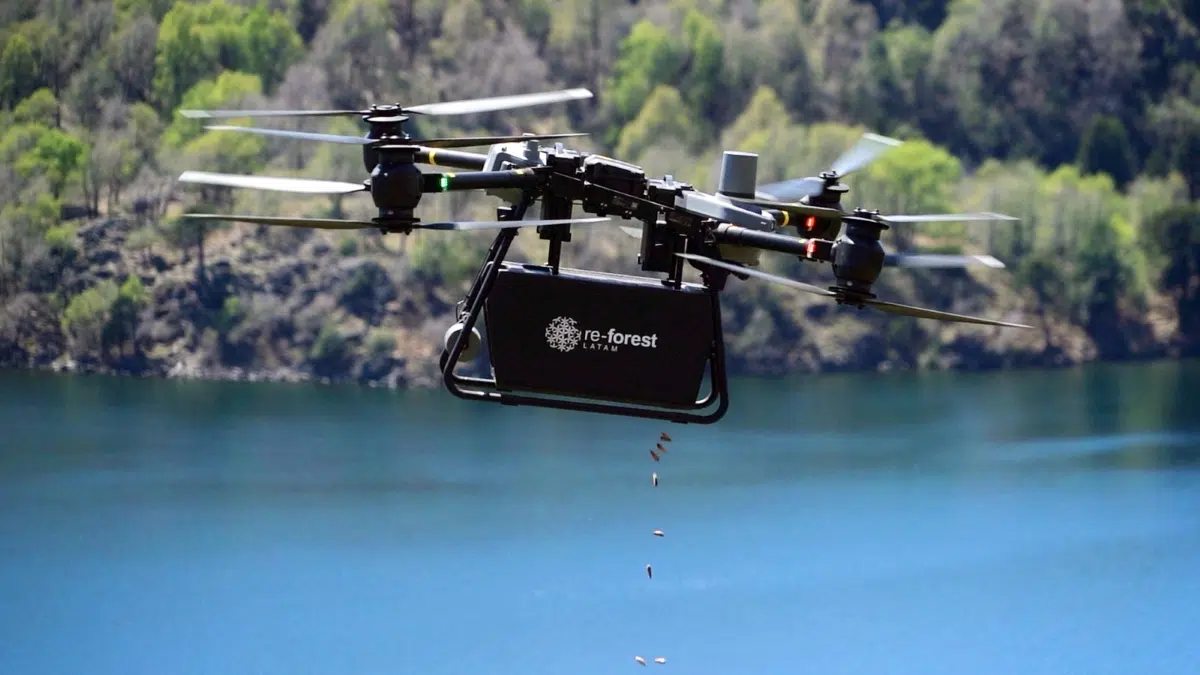
The drone completed seeding across 40 hectares in just one and a half days.
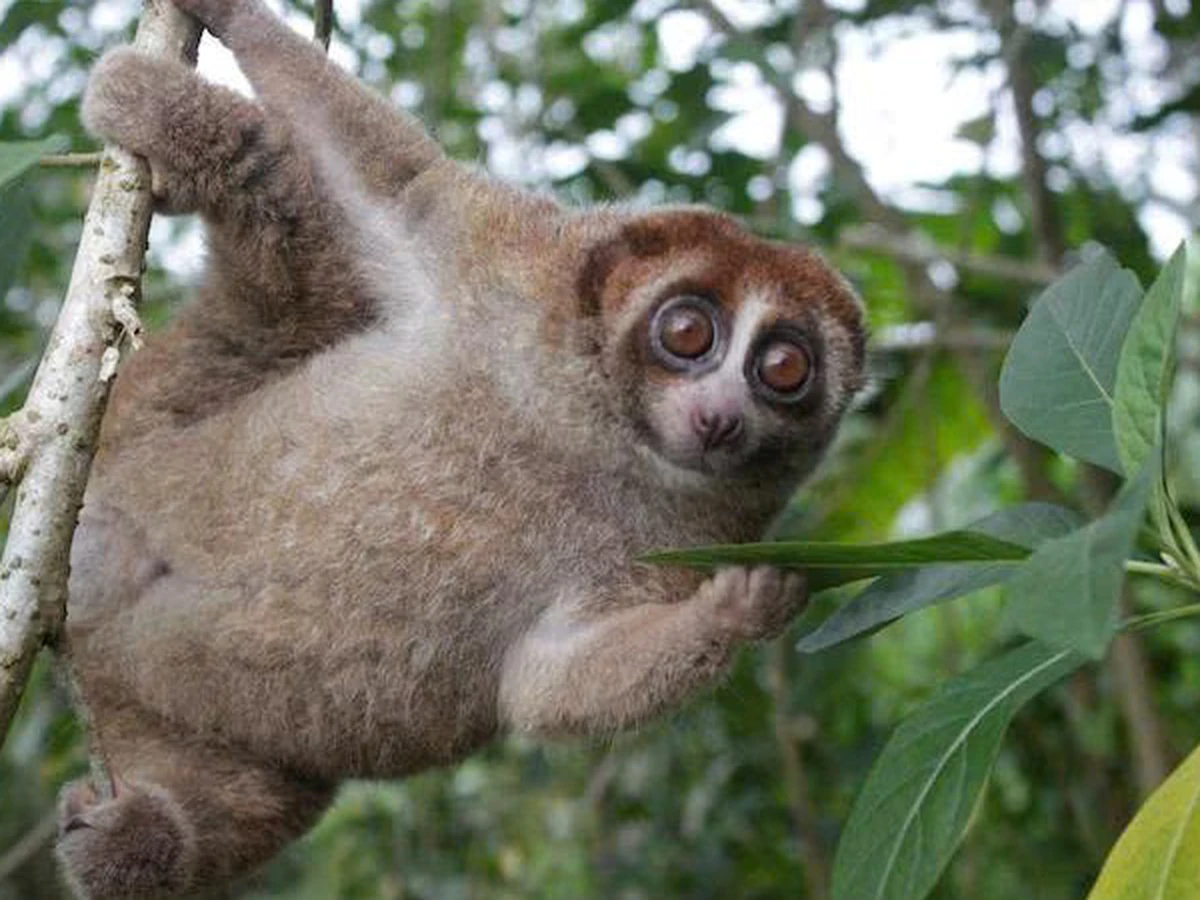
The Alobi Wildlife Rescue Center documented more than 90 Bangka slow lorises on Bangka Island, Indonesia, between 2015 and 2025.
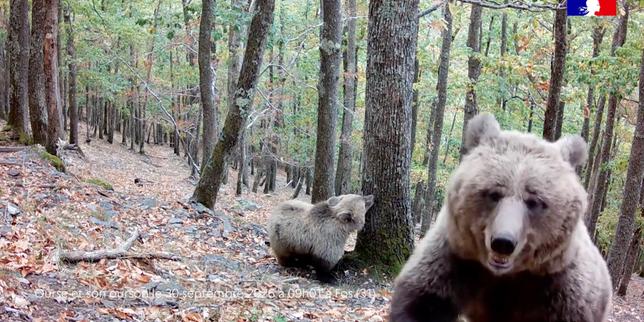
Conservationists have now identified a minimum of nine litters and 16 bear cubs born in the Pyrenees mountains this year.
Australia has been at the forefront of almost every major research area relating to green sawfish for decades.
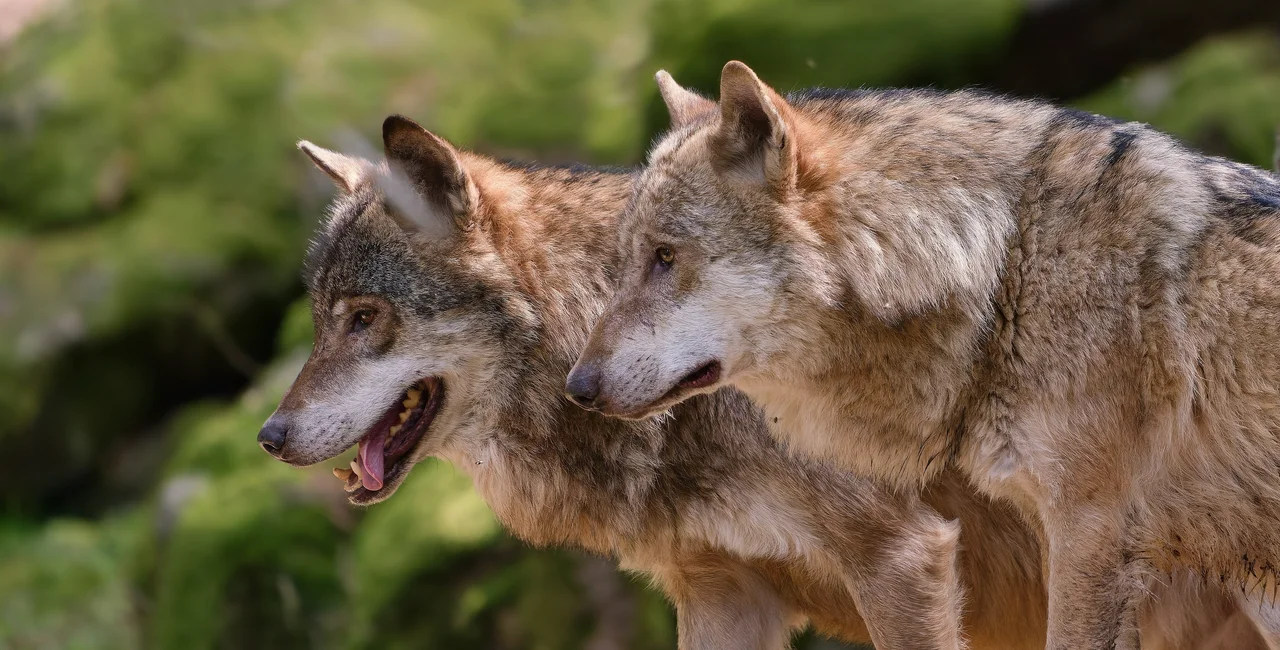
The released maned wolf weighs approximately 25 kilograms.
Researchers estimated the Daebudo Island habitat holds a minimum of 30,000 white-spotted fiddler crabs.
Deforestation in the Amazon and the Cerrado decreased by 41.8% and 23.8% respectively, marking the largest drop since record-keeping began in 1988.
Mexico is investing 2.6356 billion pesos to acquire more sargassum collection ships and barriers.
The salt marsh seabed dropped by an average of only 7 millimeters (0.28 inches) after 21 hours of exposure to waves up to 2 meters (6.6 feet) high.
Rescue teams relocated 204 eggs to the Aquarium of the Pacific to protect them from Hurricane Polo.
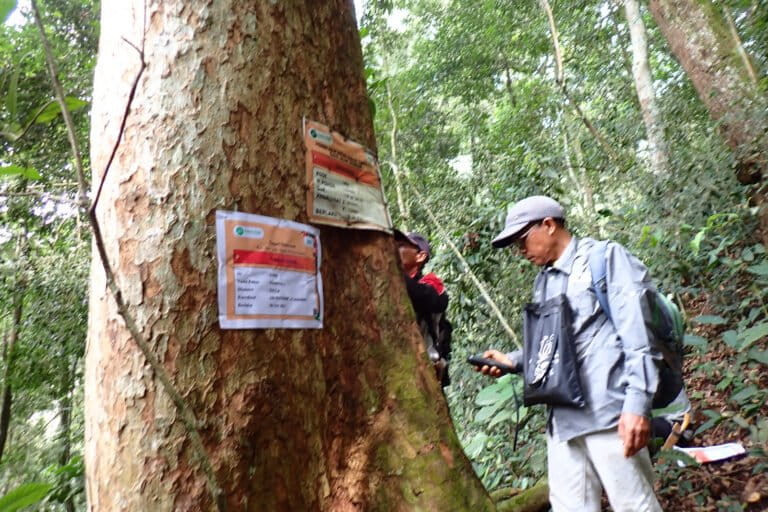
Workers have already removed 1500 cubic meters of wood to begin restoring the bog.
Net carbon dioxide emissions at Ess-soo, Estonia, reached approximately 158 grams of carbon per square meter per year during a dry period in 2024.
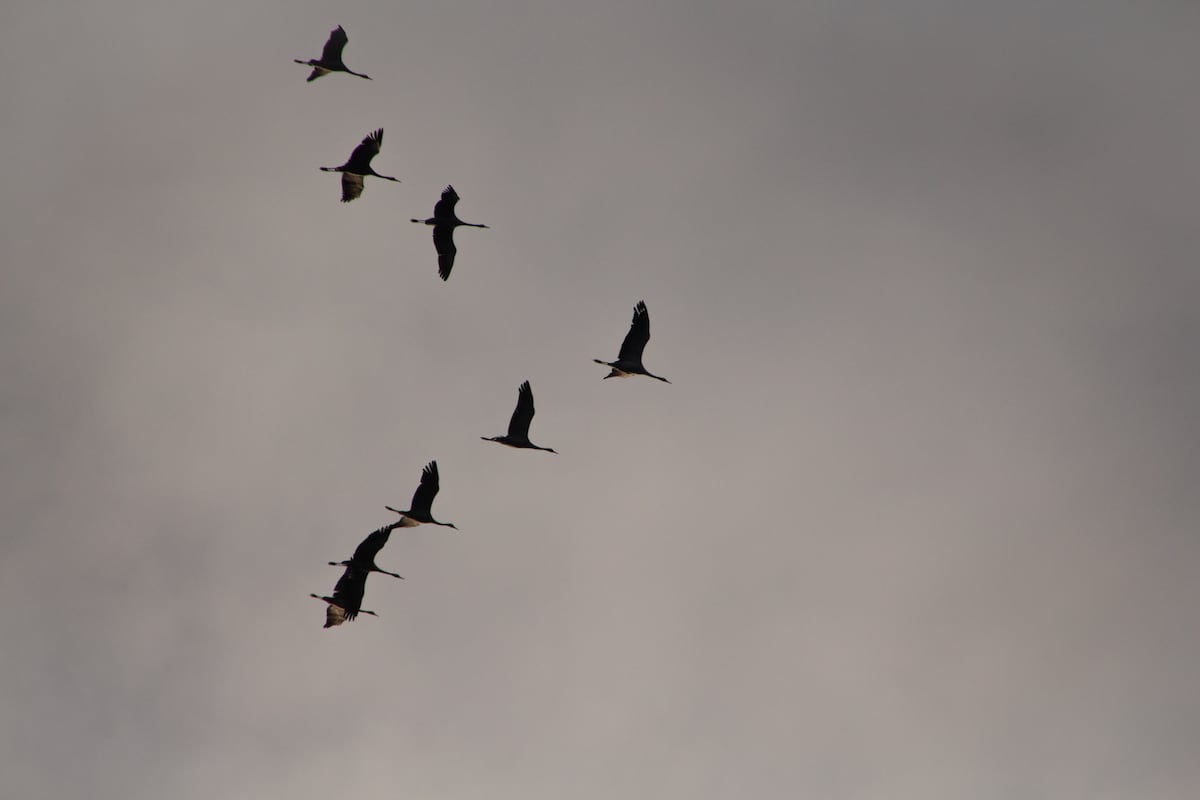
Hundreds of cranes were observed in the Hautes Fagnes, continuing their usual migratory pattern at the expected time of year.
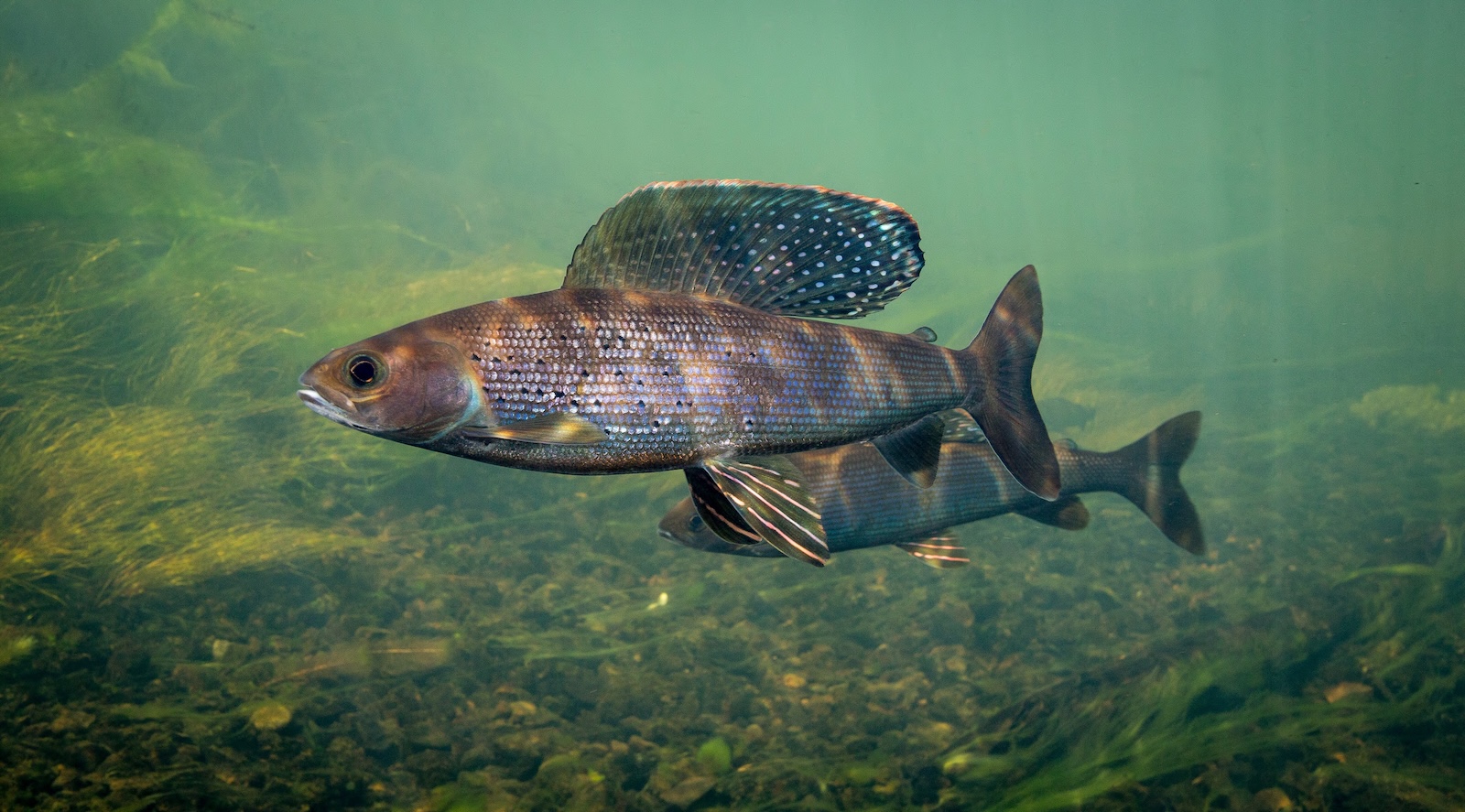
The Grand Traverse Band raised around 8,000 young grayling and released them into the Boardman-Ottaway River this year, a fourfold increase over last year’s number.
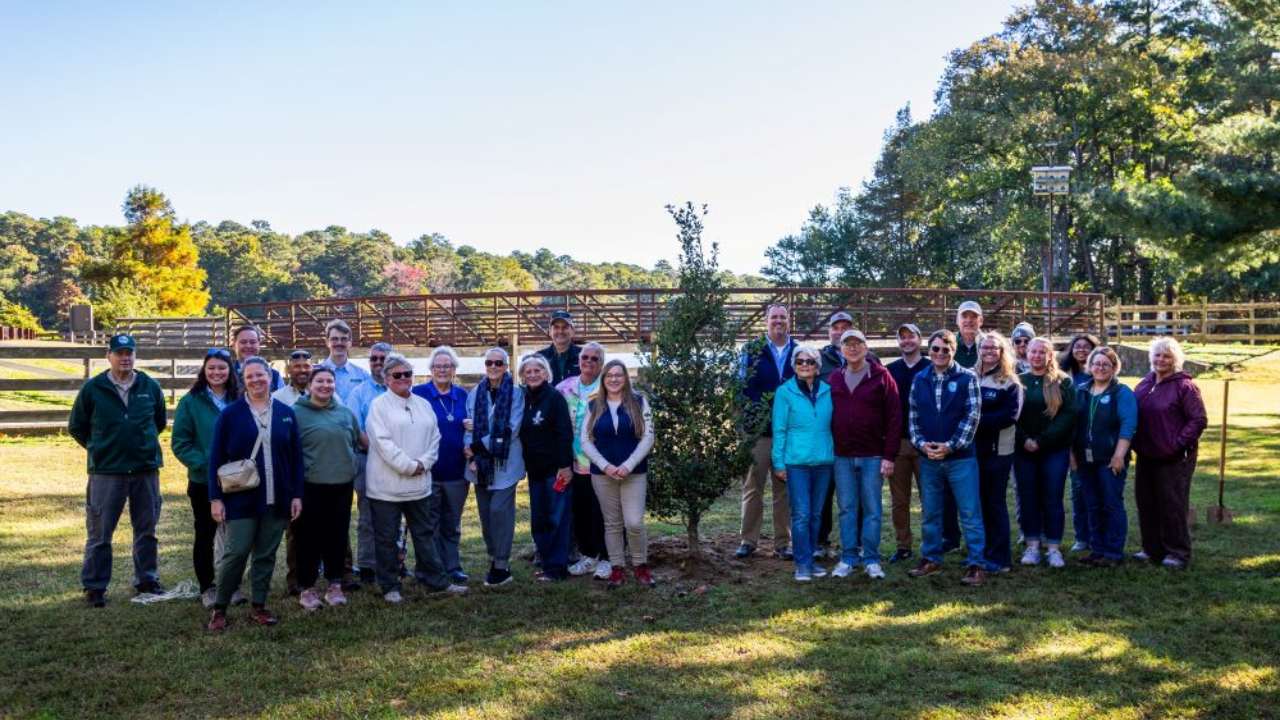
Killens Pond State Park received the highest number of trees in the initiative, with a total of 29,900.
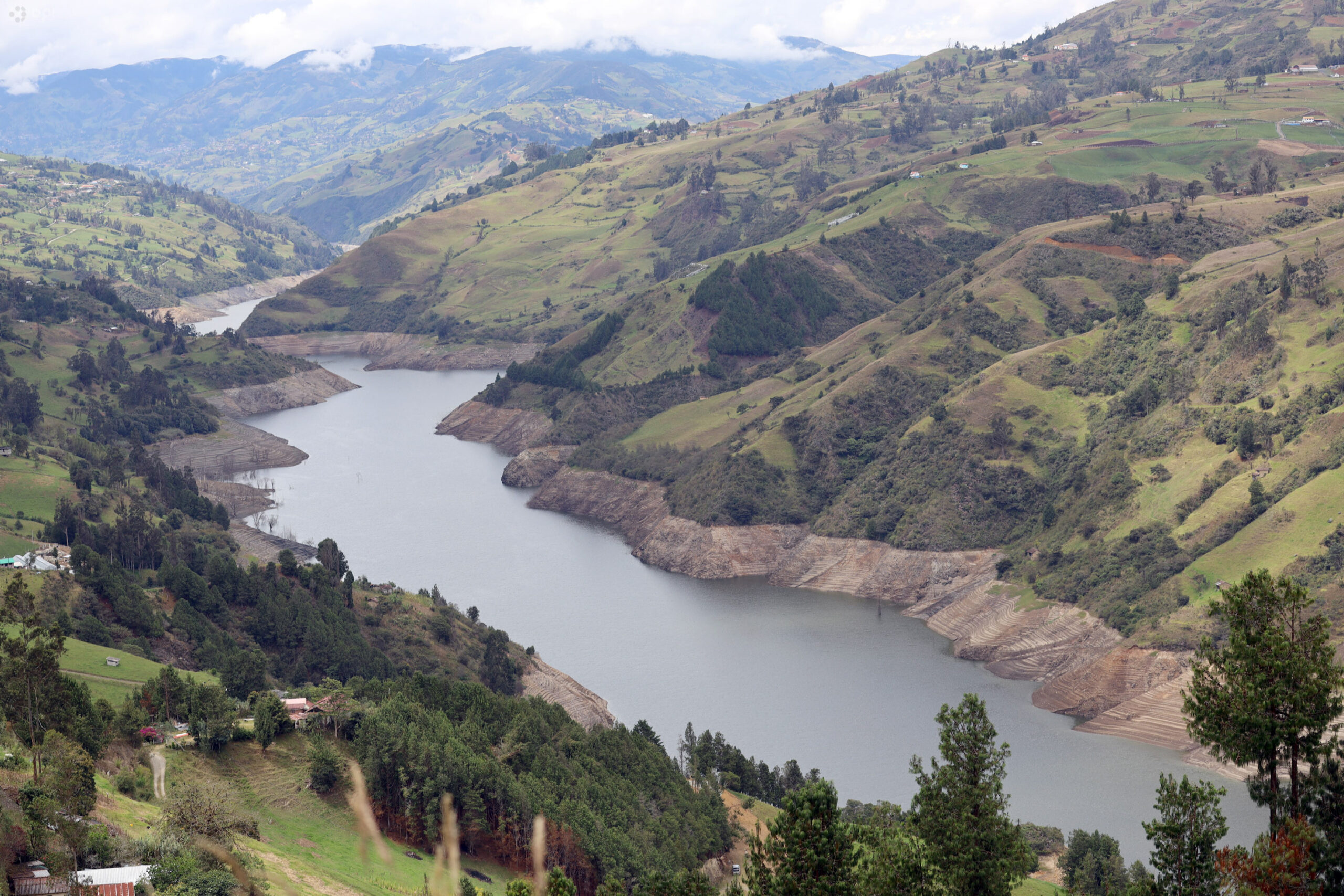
The Mazar reservoir’s water level rose by 22 centimeters in the last few hours.
Californians are working to conserve millions of acres of land and sea through the 30x30 initiative.
Over 13,000 Chinook salmon swam past the former dam locations on the Klamath River in 2025, a significant increase from the 7,700 observed in 2024.
Deforestation in Brazil’s Amazon rainforest fell by 41.8% in the year to July 2026, the largest drop since record-keeping began in 1988.
A wetland shaped by beavers in Switzerland stored carbon at rates up to ten times higher than comparable areas without beaver activity.
Tapir Valley has recorded 464 species of birds, 61 species of reptiles, 40 species of amphibians, and 31 species of non-flying mammals.
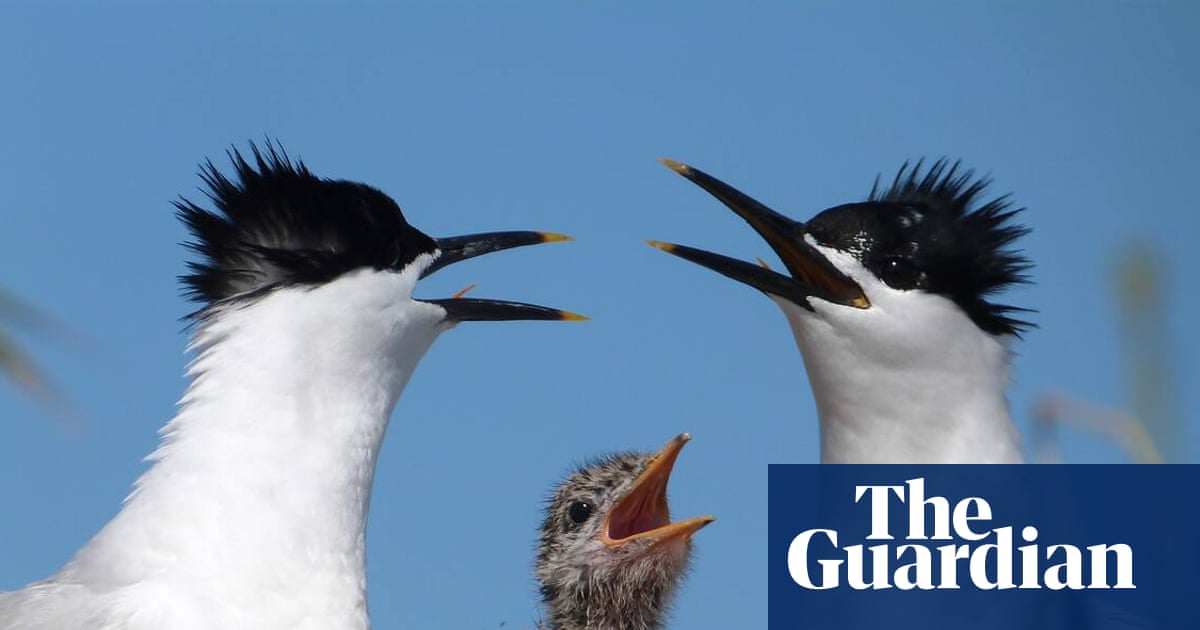
Sandwich terns at Pagham Harbour fledged 570 young birds this summer, one of the largest colonies ever recorded in the Solent region.
Deforestation in the Amazon rainforest fell by 41.8% in one year, the lowest level recorded in 38 years of monitoring.
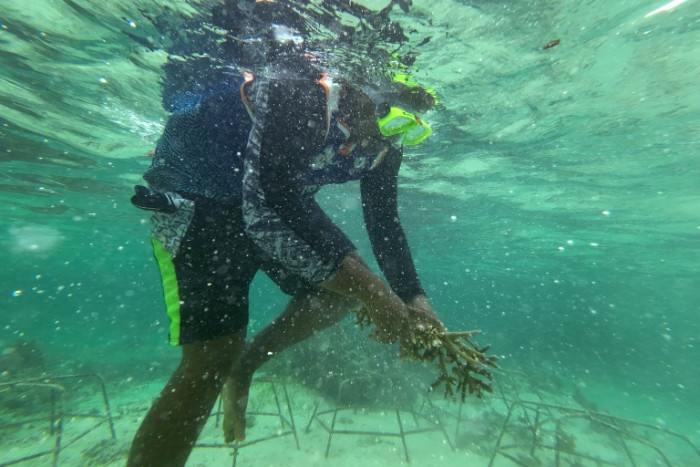
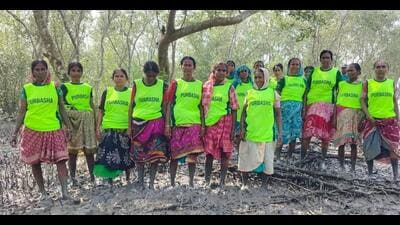
Villagers planted 18,000 corals and 10,000 mangroves in 2023 to restore their local fishery.
The Iberian lynx population increased from fewer than 100 individuals in 2002 to 2,663 by 2025 due to dedicated conservation efforts.
The communities are dedicating 1,044 bighas, roughly 346 acres, of grazing land to the new forest reserve.
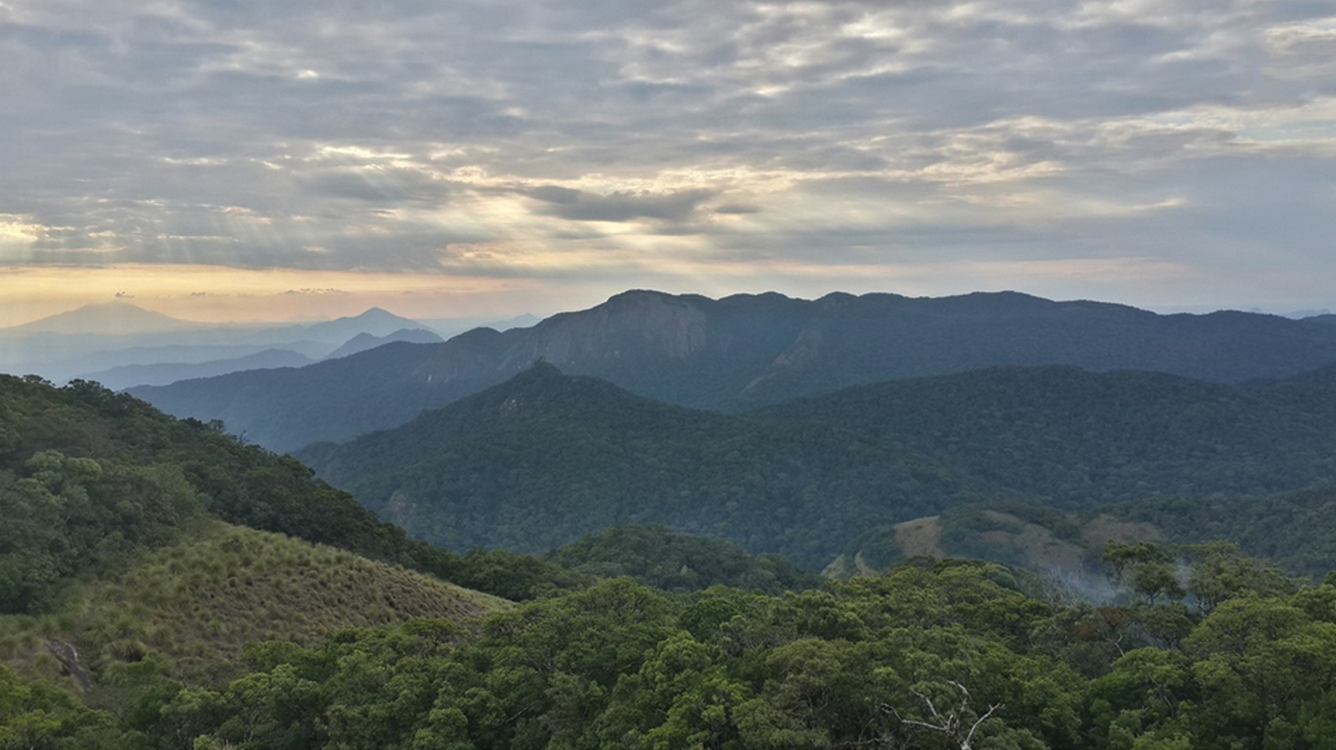
The Mount Mabu Community Conservation Area protects over 200 butterfly species within its 23,000 acres.
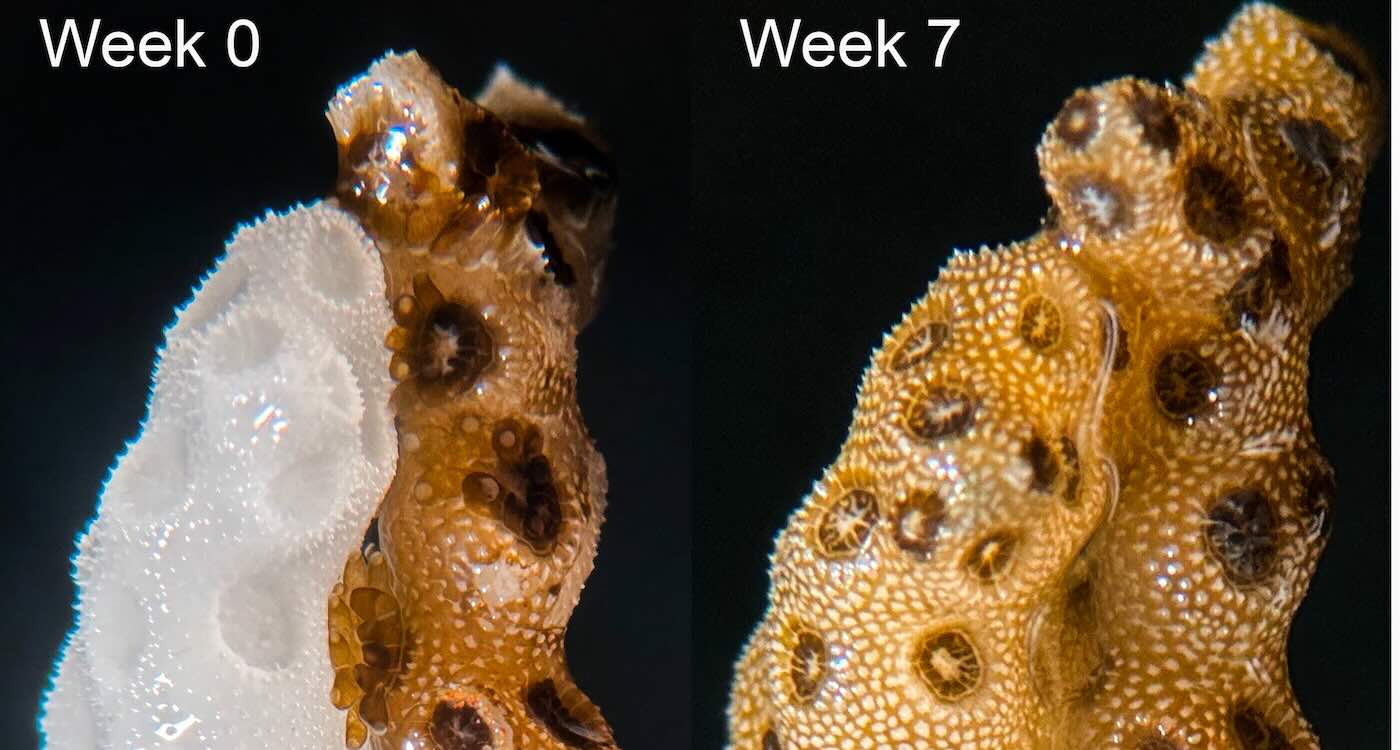
Bleached corals fully recovered in the Stanford lab within seven weeks, the fastest documented recovery to date.
Showing 50 of 129 stories