Grand Canyon trout removal boosts native fish over 400%
Summary and headline written by AI from the source article. How we work
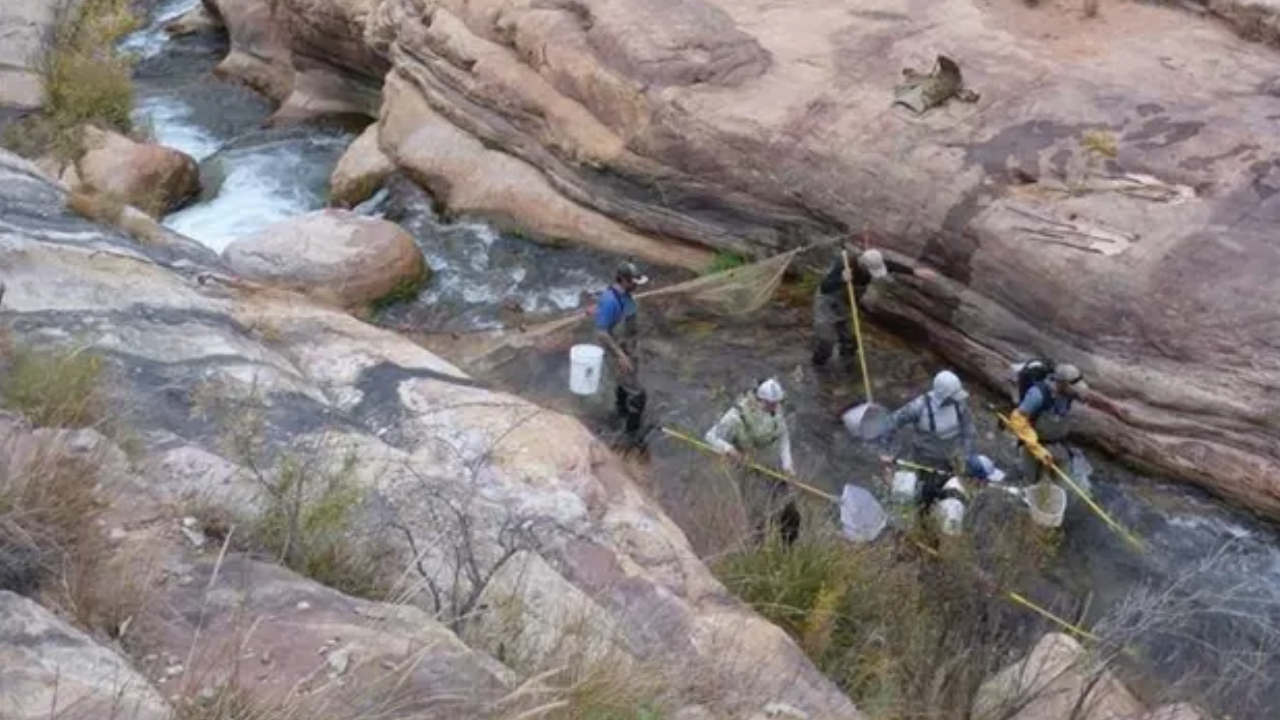
The National Park Service began removing non-native brown and rainbow trout from Bright Angel Creek in Grand Canyon National Park, Arizona, in 2006 to help native fish recover.
Historically, five of the Grand Canyon’s eight native fish species lived in the creek, but their numbers declined due to habitat changes and competition from the introduced trout.
Brown and rainbow trout were introduced to the Grand Canyon in the early 20th century, before current environmental regulations existed, and quickly became predators of the native fish. To reduce the trout population, biologists used weirs to capture large trout entering the creek to spawn and electro-fishing to monitor and remove trout living in the stream.
The project received funding from the Bureau of Reclamation and the National Park Service, with support from the University of Missouri and the Grand Canyon Trust. The program also consults with eleven tribes who have cultural connections to the canyon, incorporating their knowledge and following a policy of beneficial use for the removed trout. After suppressing the non-native trout, the National Park Service observed a rise of over 400% in native fish populations.
They also noted the first sightings of young flannelmouth suckers, a native species, rearing in the creek since the trout became dominant. The Park Service manages species and ecosystems according to its policies and laws like the Endangered Species Act, requiring the protection of rare species.