Rivers and moors recover in Germany through restoration
Summary and headline written by AI from the source article. How we work
In Germany, the Naturschutzbund Deutschland (NABU) is restoring rivers and bogs to improve ecosystems.
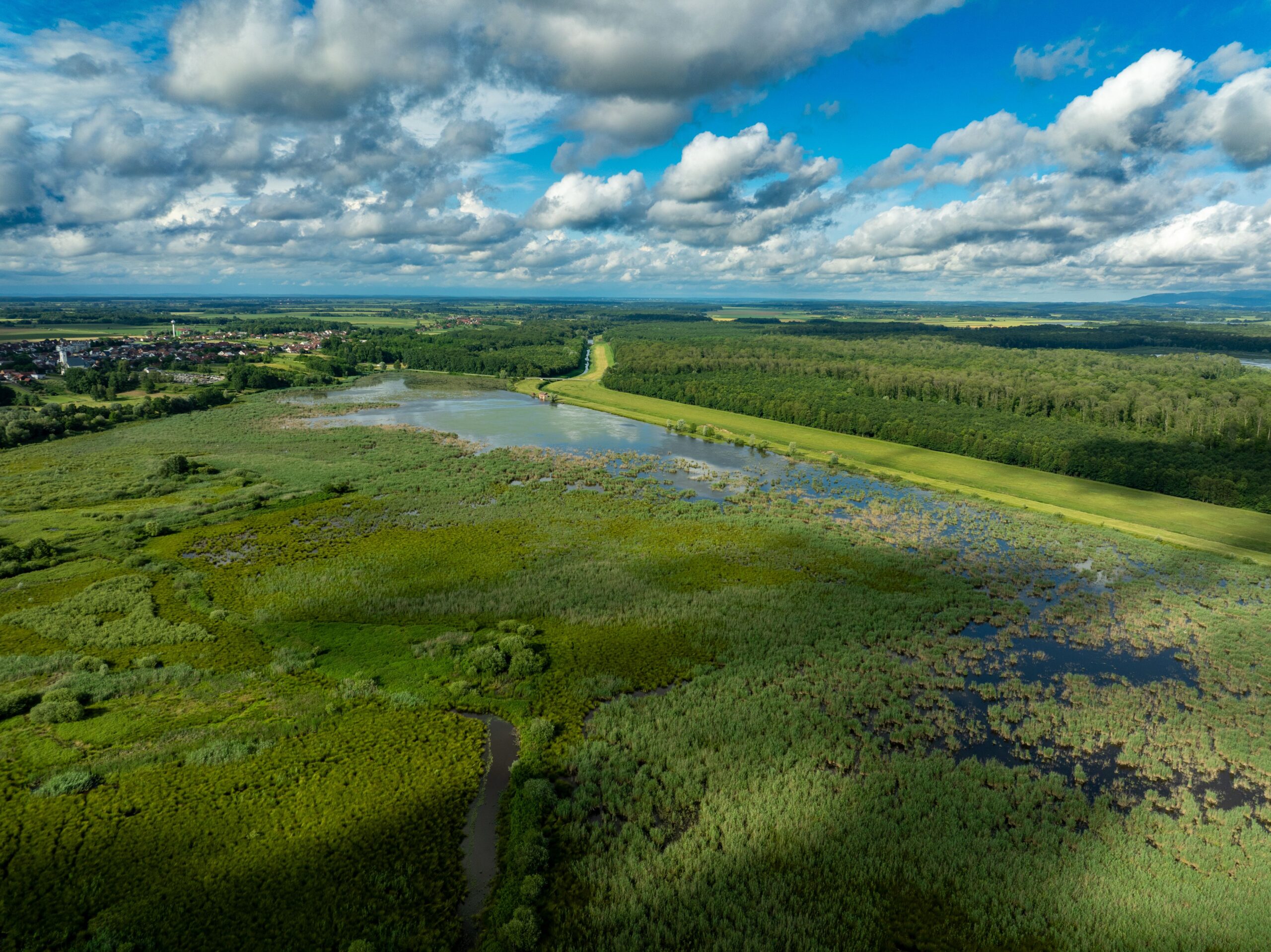
For decades, humans significantly altered landscapes like the Untere Havel river between Brandenburg and Saxony-Anhalt, and the Ahlen-Falkenberger Moor in Lower Saxony. NABU began projects to reverse these changes, recognizing the benefits of renaturation.
Along the Untere Havel, NABU removed 29 kilometers of bank fortifications, reconnected 16 side arms and 53 flood channels, and planted 123 hectares of floodplain forest, connecting a total of 903 hectares of floodplain to the river system. The project, largely funded by public sources with contributions from NABU, aims to preserve the area as western-central Europe’s largest inland wetland by 2033.
Reconnecting flood channels allows water to spread and replenish during dry periods, creating habitats for species like the moor frog, black tern, and bitterling among over 1,100 endangered species. At the Ahlen-Falkenberger Moor, NABU is working to re-wet a moor that was previously drained for agriculture and peat extraction. The organization acquired land and began restoring the water balance by removing topsoil, closing drainage ditches, and replanting peat moss.
Originally covering 40 square kilometers, the moor now exists as fragmented remnants. Restoring the moor helps store carbon and mitigate climate change, and early signs show the return of peat moss and wool grass. NABU has restored nearly 50 hectares of moorland in Lower Saxony, alongside over 1,000 hectares of new wilderness forest in the South Harz and restored sections of the Ziemenbach river.


