Land carbon sink rebounds after two years of decline

Summary and headline written by AI from the source article. How we work
In 2025, Earth’s landscapes absorbed a significantly larger amount of carbon dioxide than in the previous two years, reversing a worrying trend.
Scientists had observed a dramatic drop in the land’s ability to absorb carbon in 2023 and 2024, linked to events like El Niño and Amazon fires, which led to a surge in atmospheric CO2.
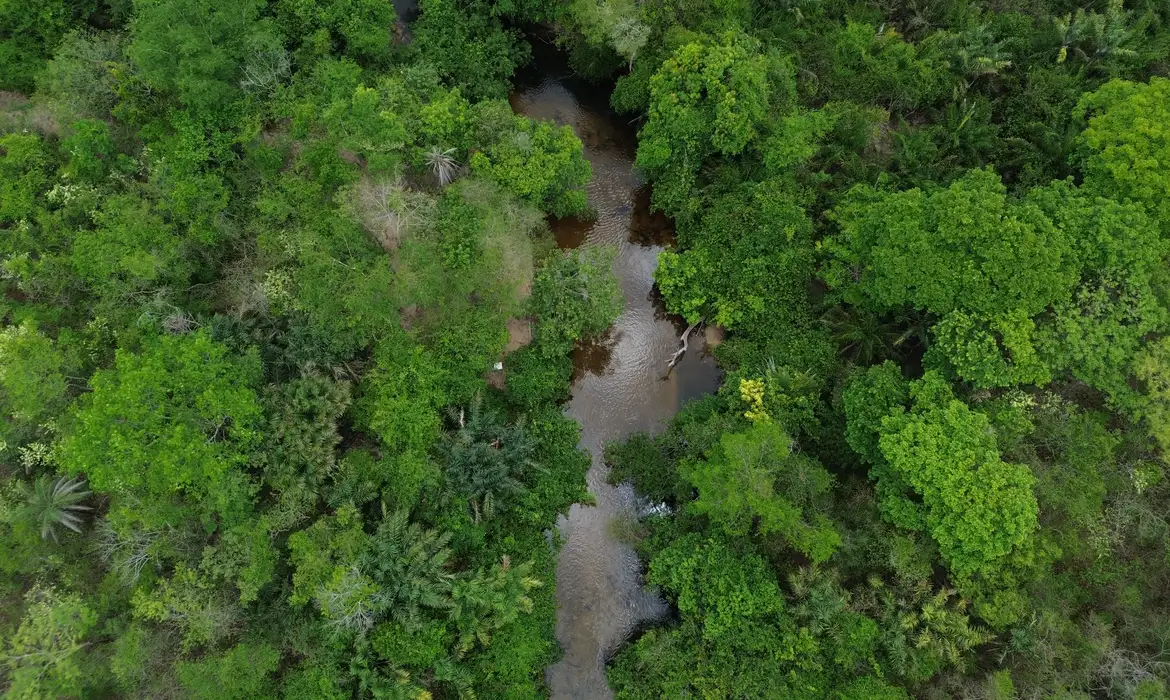
Philippe Ciais at the Climate and Environment Sciences Laboratory in France led an analysis revealing the land absorbed 2.36 gigatonnes of carbon in 2025, an increase of 0.71 gigatonnes compared to the 2015-2022 average. The recovery stemmed mainly from renewed growth in tropical forests, particularly in Africa and the Amazon, as climate conditions normalised. Terrestrial ecosystems naturally absorb CO2 as plants grow, but release it when they decompose or burn.
These ecosystems have generally absorbed more CO2 than they release in recent decades, creating a carbon sink that fluctuates yearly. Researchers at the University of Exeter in the UK caution that this recovery may not continue indefinitely, especially with increasingly extreme weather patterns. They estimate the land sink is already 25 percent smaller than it would be without climate change and natural variations.
Another strong El Niño event is expected later in 2025, potentially causing another decline in carbon absorption next year, and raising concerns about the long-term stability of this natural carbon storage system.