Wetland restoration needs vegetation support to recover
Summary and headline written by AI from the source article. How we work
Researchers from the University of Tartu in Estonia and the University of California, Berkeley, studied two wetlands, Ess-soo in Estonia and Hill Slough in California, to understand how they recovered after restoration efforts.
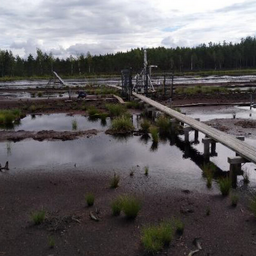
Both Ess-soo, a former peat extraction site, and Hill Slough, located in California’s Sacramento. San Joaquin River Delta, had their natural water levels restored in 2021 following decades of drainage and different land uses.
The team tracked changes in water levels, plant life, and greenhouse gas emissions over four years. They found that simply restoring water levels did not lead to significant plant growth at either site. At Ess-soo, varied terrain created areas that were either too wet or too dry for vegetation, while Hill Slough experienced extreme tidal fluctuations and unstable ground that hindered plant establishment. This lack of vegetation slowed the wetlands’ recovery as carbon sinks.
Both sites continued to release more greenhouse gases than they absorbed during the study period, although emissions varied based on conditions like rainfall and temperature. The researchers emphasize that while restoring water is important, active measures to encourage plant growth, such as planting sphagnum mosses or improving water management, are also necessary for full ecosystem recovery and achieving climate benefits.


