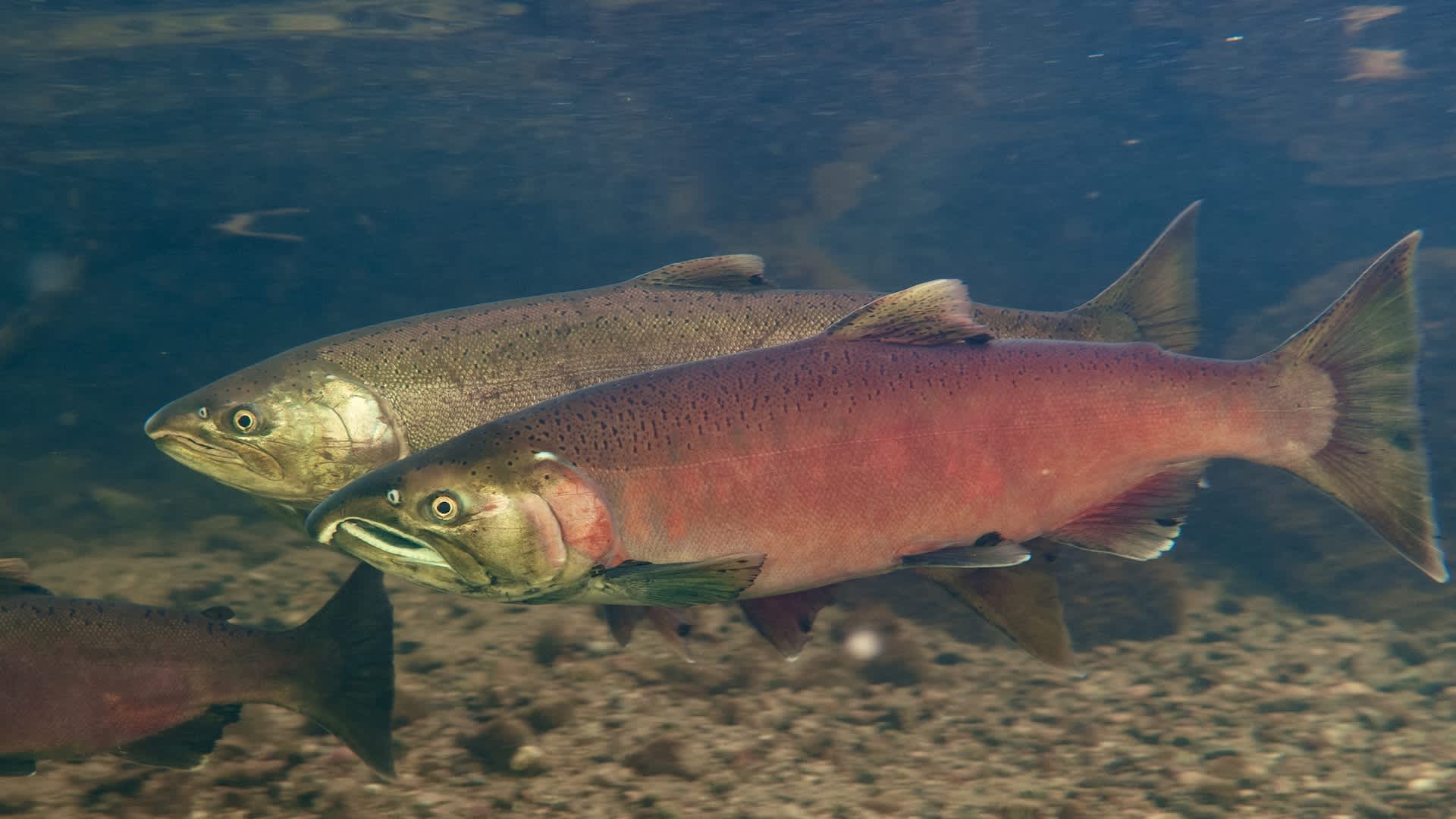
Hydropower station in Tibet prioritises fish passage

Summary and headline written by AI from the source article. How we work
Engineers and scientists in the Xizang Autonomous Region of China constructed the Huaneng Zangmu Hydropower Station on the Yarlung Zangbo River with a fishway designed to allow rare fish species to migrate freely.
The station, which began operation in 2015, now provides approximately 26 percent of the electricity for the region, ending its reliance on diesel fuel.
Design engineer Zhang Lianming and his team prioritised fish passage because the Yarlung Zangbo River’s unique fish species, including two nationally protected varieties, are not strong migratory swimmers and require assistance to maintain genetic diversity. The fishway features a winding channel with controlled water flow designed to mimic natural river conditions and encourage fish to swim upstream. Since its completion, the fishway has aided the upstream migration of around 570,000 fish.
The Zangmu Hydropower Station also runs a stock enhancement project, releasing nearly 2 million fish bred from the river into the Yarlung Zangbo over 12 years. Researchers at the station use an AI-powered monitoring system that identifies individual fish by their physical characteristics, tracking their migration patterns and assessing the fishway’s effectiveness. This data, combined with observations of increased wildlife activity around the station, suggests the hydropower project has not harmed the river’s ecosystem and may even be improving it.