California restoration rebuilds beaver dams, salmon survival jumps
Summary and headline written by AI from the source article. How we work
In northern California’s Scott River valley, the Scott River Watershed Council constructed artificial beaver dams on Sugar Creek and French Creek to restore wetlands lost after extensive beaver trapping in the 1830s.
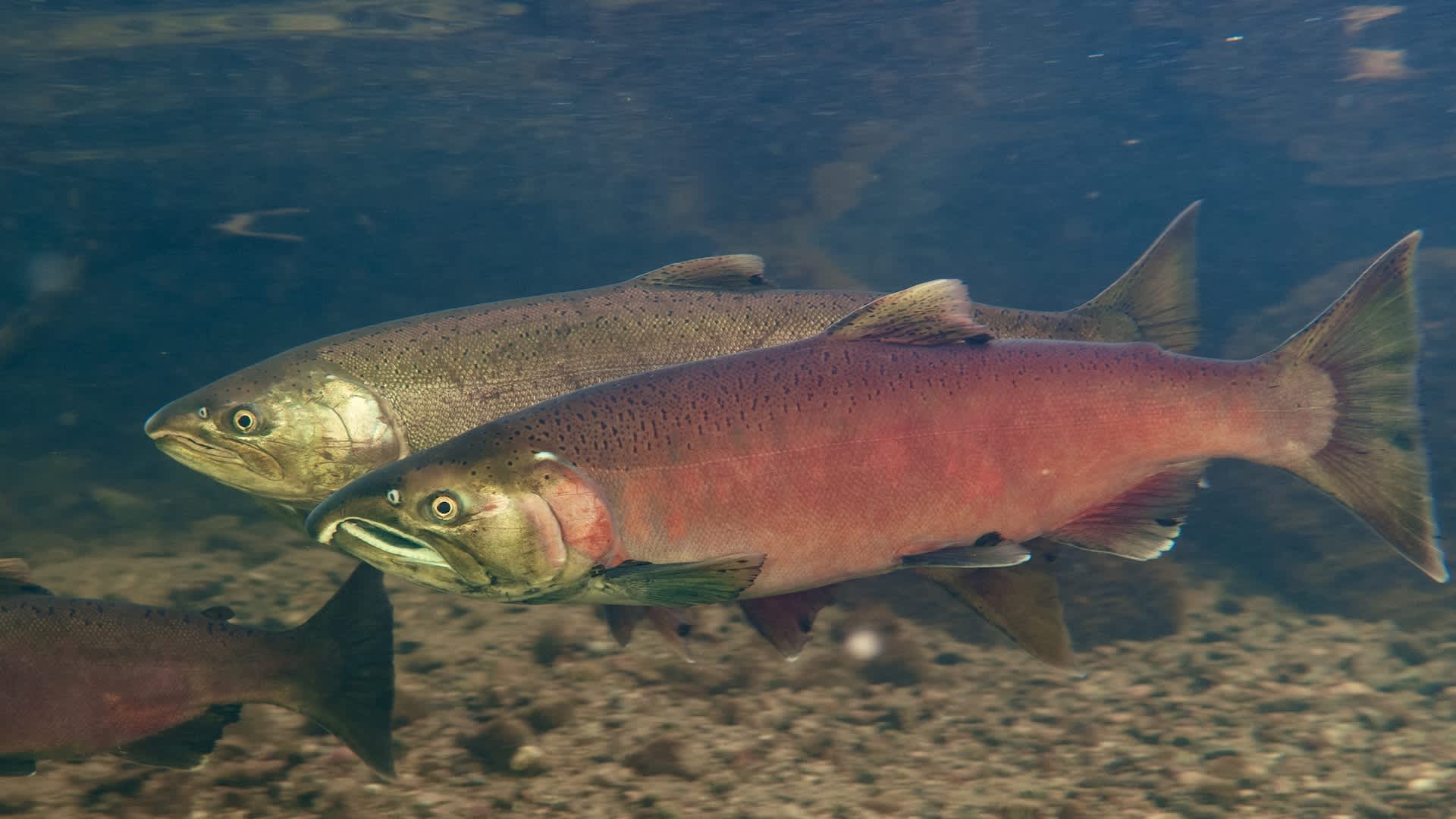
Historically, the valley, once called Beaver Valley, supported a large beaver population whose dams created ideal habitat for coho salmon. After fur trappers drastically reduced the beaver population, the watershed lost critical wetland areas.
Beginning in 2015, restoration workers built the dams using posts, branches, gravel, straw, and mud, mimicking natural beaver construction. The project created approximately 9,000 square meters of new habitat, enough to support over 8,500 young salmon. These restored areas also maintained cooler water temperatures, benefiting juvenile fish. The effort proved remarkably successful. Juvenile coho salmon survival rates on French Creek increased from 8% before the dam construction to 60% afterward.
Notably, local beavers began to modify and improve the artificial structures, and in some cases, returned to the area. The project demonstrates how targeted restoration can quickly improve habitat and support fish populations, offering a practical way to address habitat loss from nearly two centuries ago.