Wolves prompt deer and wild boar to become more vigilant on Veluwe
Summary and headline written by AI from the source article. How we work
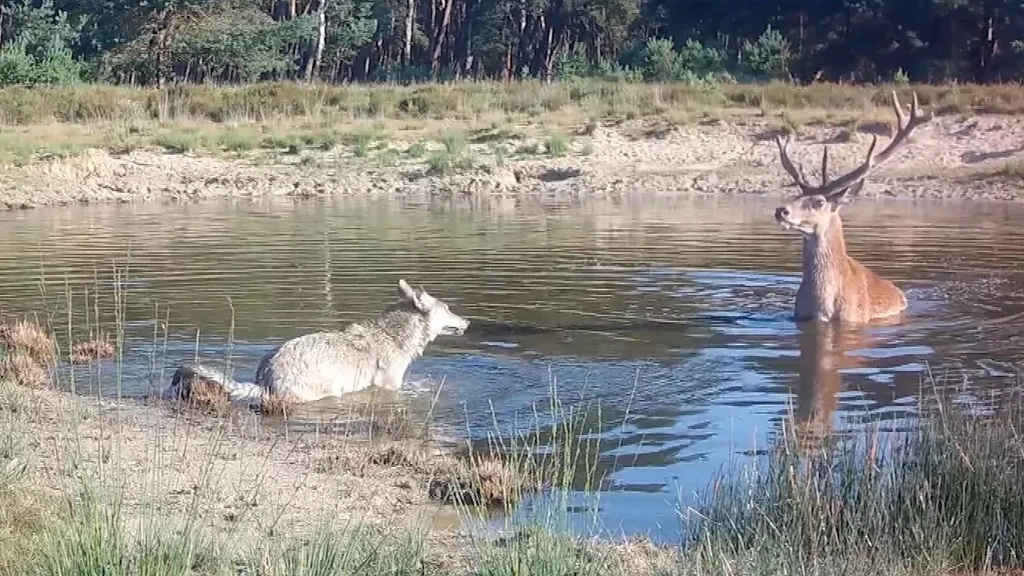
On the Veluwe, a region in the Netherlands, wild boar, red deer, and roe deer have altered their behavior in response to the presence of wolves.
The Gelderland Wildlife Management Unit observed these changes while monitoring animal populations, a task they undertake to manage wildlife through culling when necessary. Currently, around one hundred wolves live in the area, divided into several packs. Their presence makes prey animals more alert and affects their movement patterns throughout the Veluwe.
Experts note wild boar now exhibit more natural behavior, frequently traveling in larger groups and sometimes seeking protection among Scottish Highland cattle. Larger boars will even attack wolves attempting to take their young. Roe deer have also adapted, becoming more active at night and moving more unpredictably than before the wolves arrived. Red deer mothers now hide their calves closer to the edges of the area after giving birth, and nurse them less often to avoid attracting wolves.
Despite these changes, wildlife management officials still cull deer and wild boar to limit collisions with vehicles and allow young trees to grow. While wolves can slow the growth of wild boar populations, they do not regulate the numbers to levels desired by the province, making culling necessary. Officials find counting animals is more difficult due to their altered habits, and managing them requires new approaches.