Bird guano boosts coral reef health at Palmyra atoll

Summary and headline written by AI from the source article. How we work
Scientists studying coral reefs at Palmyra Atoll, a remote group of islands south of Hawaii, discovered that seabird droppings, guano, are essential for a healthy ecosystem.
The birds consume fish at sea then deposit nutrients through their guano, fertilizing trees and plants and ultimately supporting plankton growth that feeds corals and other marine life. The Nature Conservancy and the U.S.
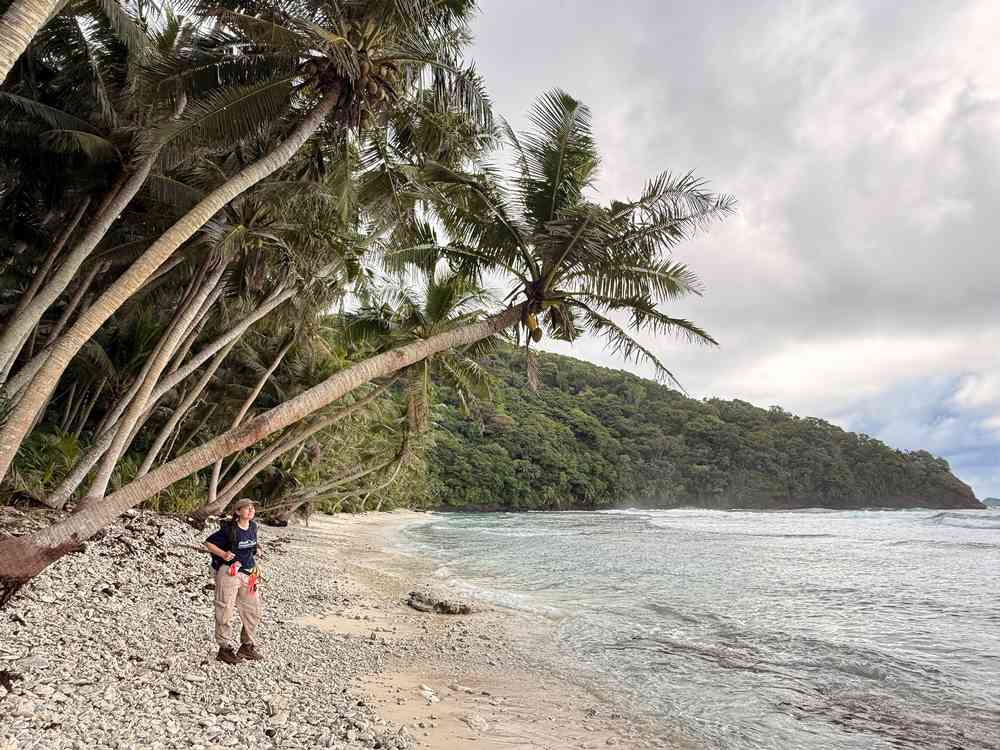
Fish and Wildlife Service are working to restore native forests on Palmyra Atoll by removing coconut palm plantations established over a century ago, as these palms hinder seabird nesting. For decades, the atoll served as a coconut plantation and a military base before The Nature Conservancy acquired it in 2000 and transferred most of it to the federal government. This allowed for focused conservation efforts, including the eradication of an invasive rat population that had decimated seabird colonies.
Following the rat removal in 2011, land crab and seabird populations rebounded, and native trees began to regenerate. Researchers observed that manta rays gather near seabird colonies, suggesting they benefit from the nutrient-rich waters created by the guano cycle. With coral reefs increasingly vulnerable to warming ocean temperatures, conservationists believe restoring these natural nutrient pathways is crucial for reef resilience, and they are applying lessons learned at Palmyra to other atolls across the Pacific.