Elephant populations recover in southern Africa with community involvement
Summary and headline written by AI from the source article. How we work
Communities in southern Africa are helping some elephant populations grow by directly managing wildlife, according to a new report.
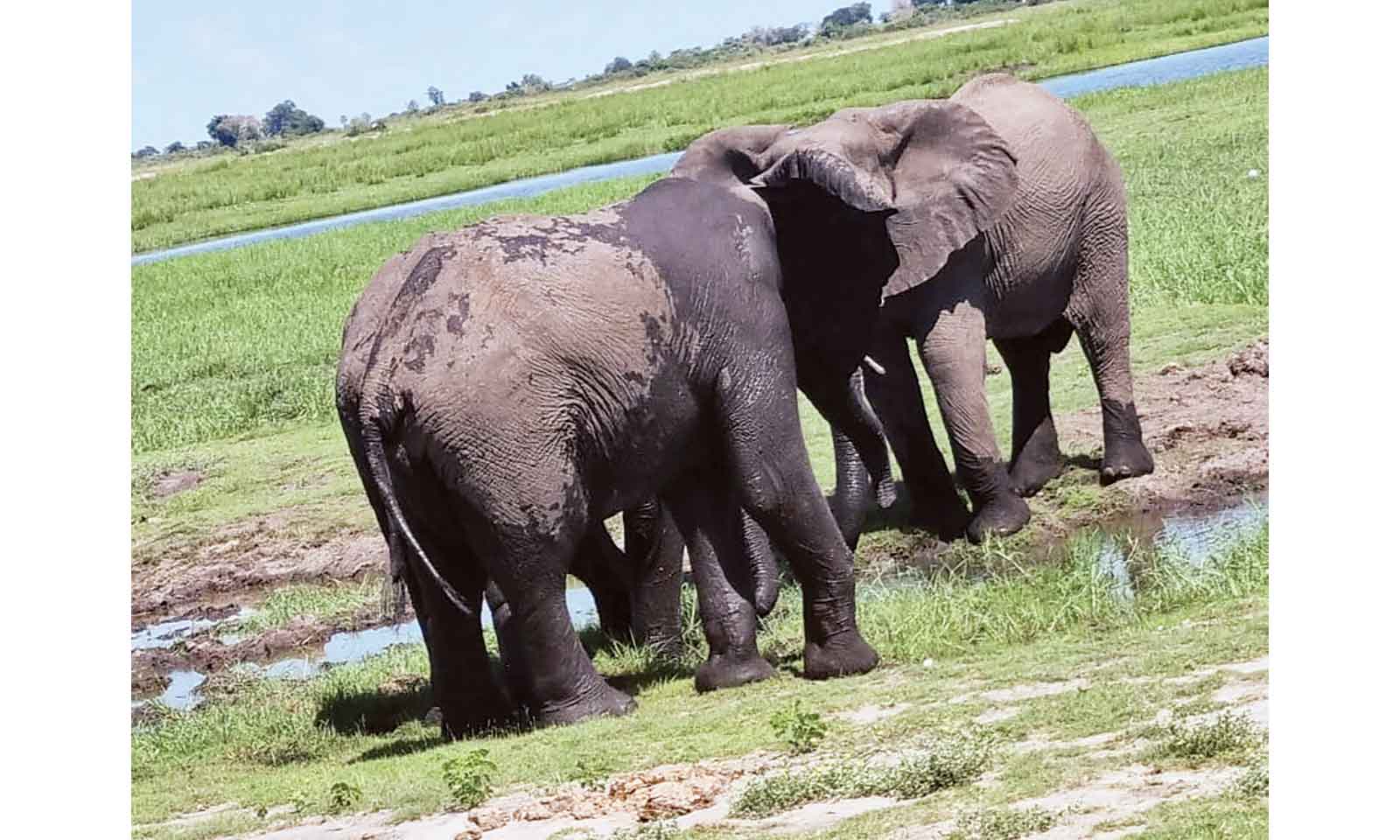
The WWF Living Planet Report 2026 found that monitored wildlife populations in Africa declined by an average of 80 percent between 1970 and 2022. However, some elephant populations in southern Africa are increasing because of conservation efforts that include local people and strong governance.
The Zoological Society of London (ZSL) created the Living Planet Index (LPI) to track changes in animal populations worldwide, revealing a 73 percent global decline overall. Latin America and the Caribbean experienced the steepest drops, with a 95 percent decrease, while the Asia-Pacific region saw a 49 percent decline. The report emphasizes that these numbers reflect changes in monitored populations, not necessarily total animal loss.
The success in southern Africa stems from legal frameworks that give communities rights and responsibilities in managing elephants, allowing them to benefit from conservation. Zimbabwe Parks and Wildlife Management Authority (ZimParks) affirmed that involving communities as partners is crucial. WWF leaders also stated that wildlife recovery must also benefit the people who live near the animals, and that broader economic systems must change to protect habitats.