Bison return to Romania after centuries of loss
Summary and headline written by AI from the source article. How we work
In Romania, conservation efforts have revived the European bison population, bringing their numbers close to 400 after nearly 70 years of reintroduction to the Carpathian Mountains.
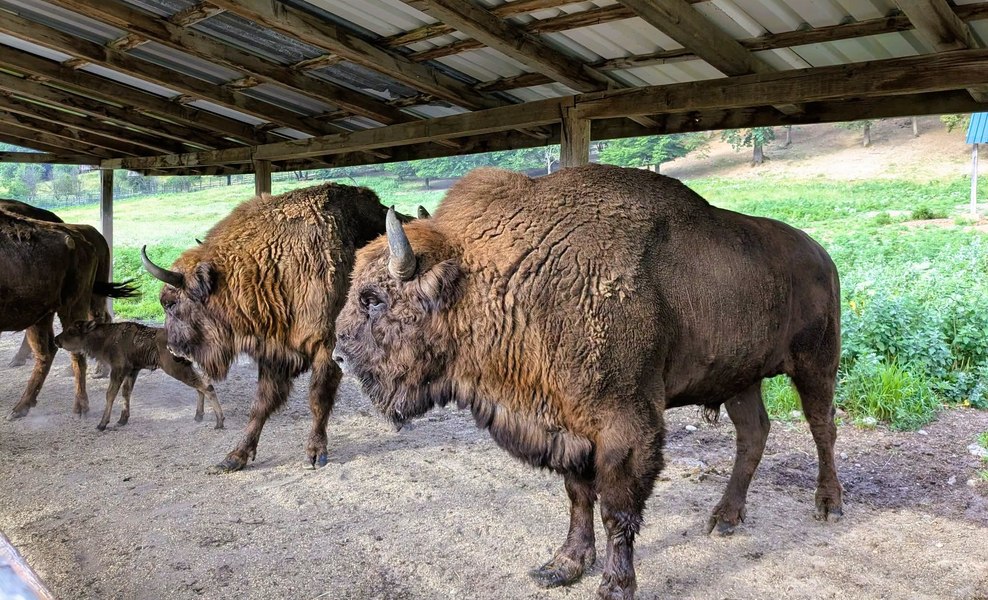
Beginning in 1958, Romanian foresters brought the first bison from Poland to a reserve near Hațeg, in Hunedoara county, establishing a breeding center. Over the decades, this reserve, spanning three hectares, has supported over 50 bison, with two calves born in recent months.
The success with bison contrasts with the fate of the aurochs, another legendary animal for Romanians, which disappeared completely, existing now only in folklore. While the aurochs vanished, conservationists were able to save the bison from extinction in the early 20th century, finding the last populations in the Białowieża Forest (on the border of Poland and Belarus) and the Caucasus Mountains. Today, Romsilva manages three bison populations at Bucșani, Hațeg, and Vânători Neamț, totaling over 100 animals.
WWF Romania reports a total national bison population exceeding 350, with approximately 250 living freely in the Țarcu Mountains since reintroduction efforts began in 2014. Historical records show that vast Carpathian forests once provided habitat for both bison and aurochs, described in ancient texts as a formidable natural boundary.


