Mexico shrinks vaquita protection zone by 86 percent
Summary and headline written by AI from the source article. How we work
Mexico’s government reduced the area where gillnet fishing is banned by 86 percent, shifting conservation efforts to the known habitat of the endangered vaquita.
The change narrowed the restricted zone in the Upper Gulf of California from 11,106 to 1,562 square kilometers. President Claudia Sheinbaum stated the new rules will both protect biodiversity and support local fishermen who have faced restrictions.
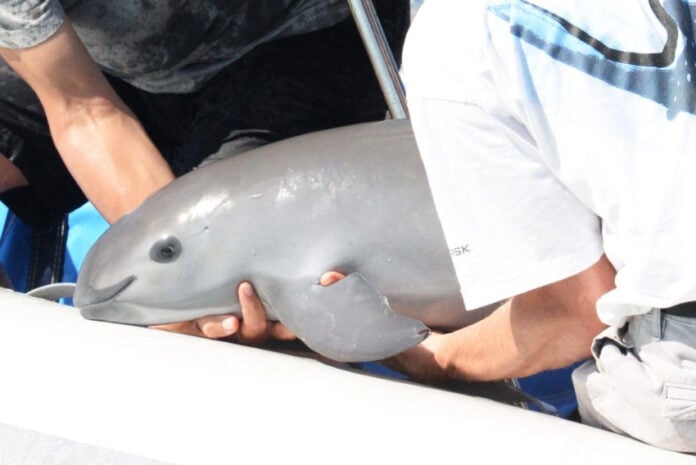
The Environment and Natural Resources Ministry (Semarnat) based the new boundaries on two decades of vaquita sightings and recommendations from the International Committee for the Recovery of the Vaquita. Scientists estimate that only seven to ten vaquitas remain. The vaquita, the world’s smallest porpoise, is critically endangered due to entanglement in gillnets used to illegally fish for totoaba, a species valued in China for its swim bladder.
Within the smaller restricted zone, fishermen can only use approved gear and gillnets are prohibited. A 225-square-kilometer “Zero Tolerance Zone” will remain fully closed to fishing, but will now include a transit channel for small, qualifying boats. Marine biologist Lorenzo Rojas-Bracho believes focusing enforcement on a smaller area will improve the chances of saving the species. However, biologist Gerardo Ceballos expressed concern that authorities lack the resources to effectively enforce the new regulations, even within the reduced zone.