Wolves reclaim forests along Czech-German border
Summary and headline written by AI from the source article. How we work
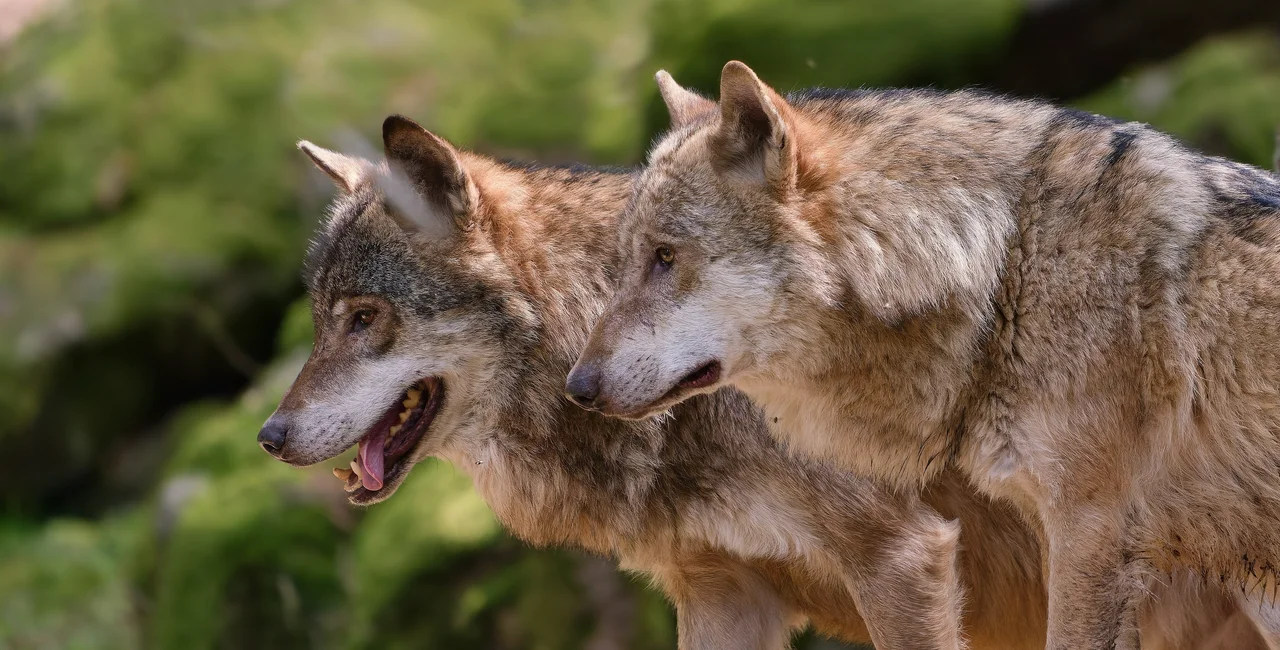
Researchers counted at least 43 wolves living in the Šumava region of Czechia and the neighboring Bavarian Forest in Germany during the 2024 to 2025 monitoring season.
These animals represent a growing population after wolves disappeared from the Czech landscape due to persecution, with the last native wolf killed in 1914. Breeding was confirmed in northern Bohemia in 2014, and wolves began to return to the border region shortly after, with the first wild-born pups in Bavaria appearing in 2017.
Scientists from the Czech University of Life Sciences Prague and both national parks are tracking the wolves using GPS and analyzing their droppings to understand their habits and impact on the ecosystem. Their research indicates the wolves primarily eat deer, but they are also consuming more beavers. The return of the wolves is changing deer management practices.
Hunters are now culling fewer deer, as wolves are estimated to kill around 500 each year, allowing the forest to self-regulate more effectively and reducing damage to young trees. Czechia has a wolf management program to support the population while minimizing conflicts with humans, and Bavarian Forest National Park provides guidance for hikers on how to react if they encounter a wolf.