Lynx recovery highlights Europe’s slow wildlife loss

Summary and headline written by AI from the source article. How we work
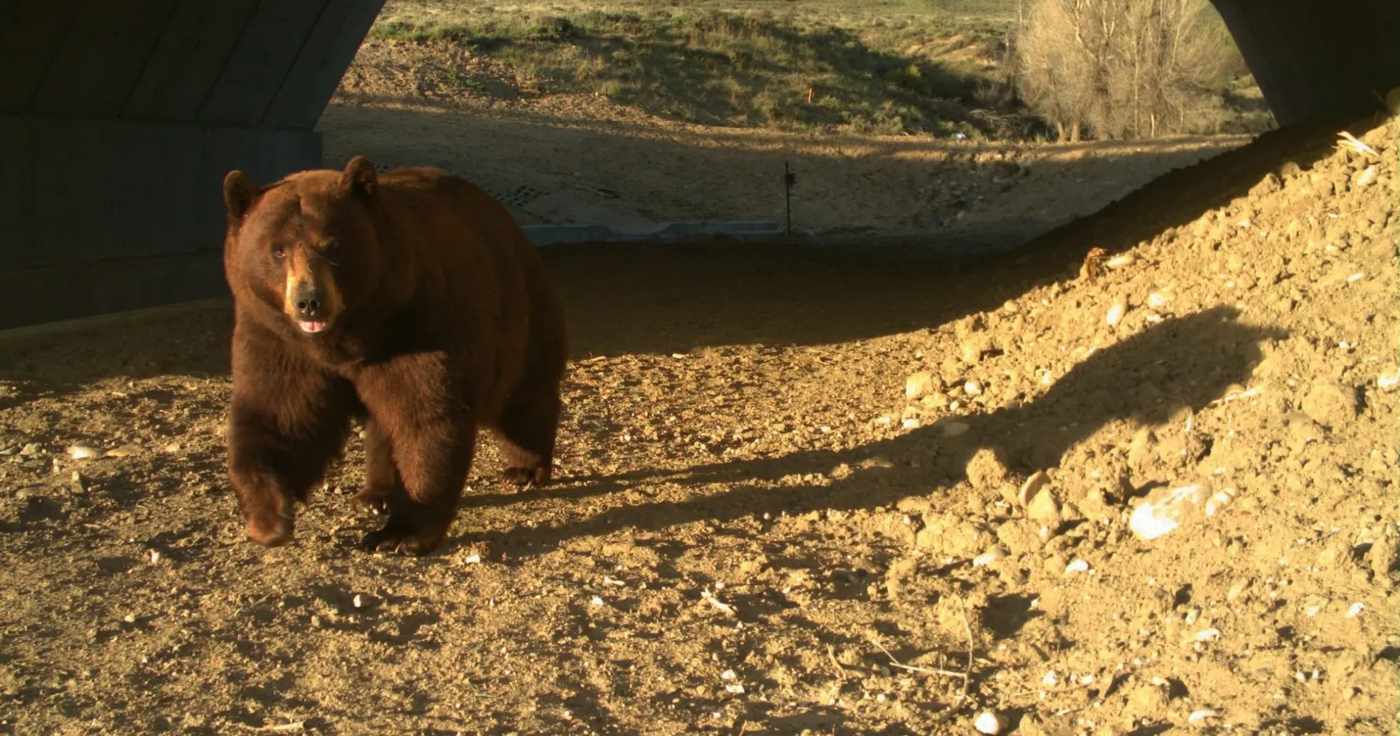
Henrique Pereira, a Portuguese biologist, observed a significant recovery of vulture populations in southern Europe, mirroring similar successes with bears, lynxes, and wolves.
While these recoveries demonstrate the potential for conservation, a new WWF report reveals a 73% decrease in global vertebrate wildlife populations since 1970. Europe and Central Asia experienced a 23% decline over the same period, but this lower rate reflects earlier, extensive wildlife loss on the continent dating back to the Roman Age.
European biodiversity has faced centuries of decline, with habitat loss from agriculture being a primary driver. Despite this, conservation policies can reverse these trends, as evidenced by the Iberian lynx population which grew from fewer than 100 in 2002 to 2,663 by 2025 thanks to programs like the EU’s LIFE programme. Beavers also experienced a resurgence, increasing from around 1,200 across Eurasia in 1900 to at least 1.5 million by 2020.
However, Europe continues to contribute to wildlife loss globally, particularly through demand for commodities like palm oil. Freshwater fish, amphibians, and reptiles remain especially vulnerable, while 81% of protected EU habitats are currently in poor condition. Experts warn that proposed changes to the EU budget, potentially merging the LIFE program into a competitiveness fund, could jeopardise these gains and reverse progress made in habitat and species protection.