Brazil restores forestland to reconnect wildlife habitats
Summary and headline written by AI from the source article. How we work
In Brazil, the partnership between World Land Trust and Reserva Ecológica de Guapiaçu (REGUA) planted 840,000 trees to restore 607 hectares of Atlantic Forest.
For twenty years, the groups have worked to protect and rebuild the Atlantic Forest, a biome diminished by centuries of deforestation. REGUA focused on degraded land, reforesting areas that had been pasture and farmland. This work created corridors between fragmented forests, allowing plants, animals, and fungi to move between previously isolated populations.
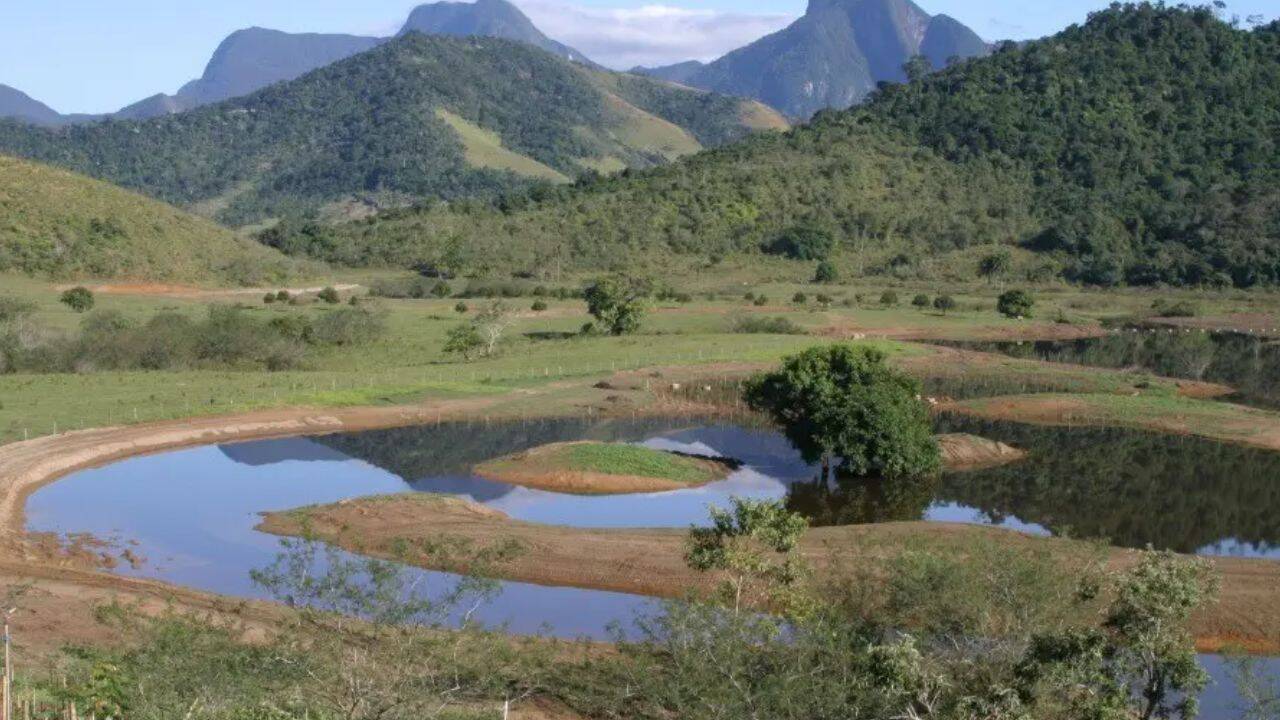
REGUA also restored a lowland wetland, rebuilding lagoons by diverting a stream and constructing earth dams. This wetland now supports over 220 bird species and has seen the return of the lowland tapir, a species absent from Rio de Janeiro state for over a century. Since 2001, REGUA has expanded its protected reserve to nearly 15,000 hectares through land purchases and management agreements.
The organisation grows 60,000 tree saplings each year in its nursery, using seeds collected from the forest itself to maximize diversity and ensure the survival of new growth. These efforts aim to address the loss of the Atlantic Forest, which now covers only a small fraction of its original 150 million hectares.