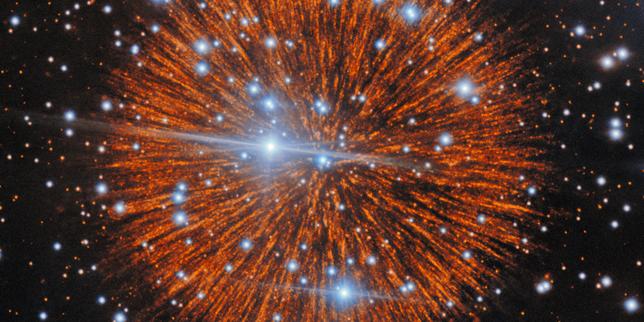
Gemini telescope captures detailed image of 1181 supernova
Summary and headline written by AI from the source article. How we work
Astronomers using the Gemini North telescope in Hawaii photographed PA 30, the remnants of a supernova that occurred in the year 1181.
Chinese, Japanese, and Arab astronomers recorded the bright new star in the Cassiopeia constellation for 85 days between August 4 and 6, 1181, and historical texts confirm these observations. An amateur astronomer rediscovered the nebula, known as PA 30, in 2013. SN 1181 is one of only five supernovae observed by people before the invention of the telescope.
Scientists categorize it as a type 1ax supernova, a rare event. To date, they have identified around sixty such supernovae in the universe, with this one being the only one within our galaxy. Researchers believe these supernovae may result from the merging of two white dwarf stars, though the exact mechanisms behind these explosions remain unclear.