WWII refugees founded universities while interned in Australia
Summary and headline written by AI from the source article. How we work
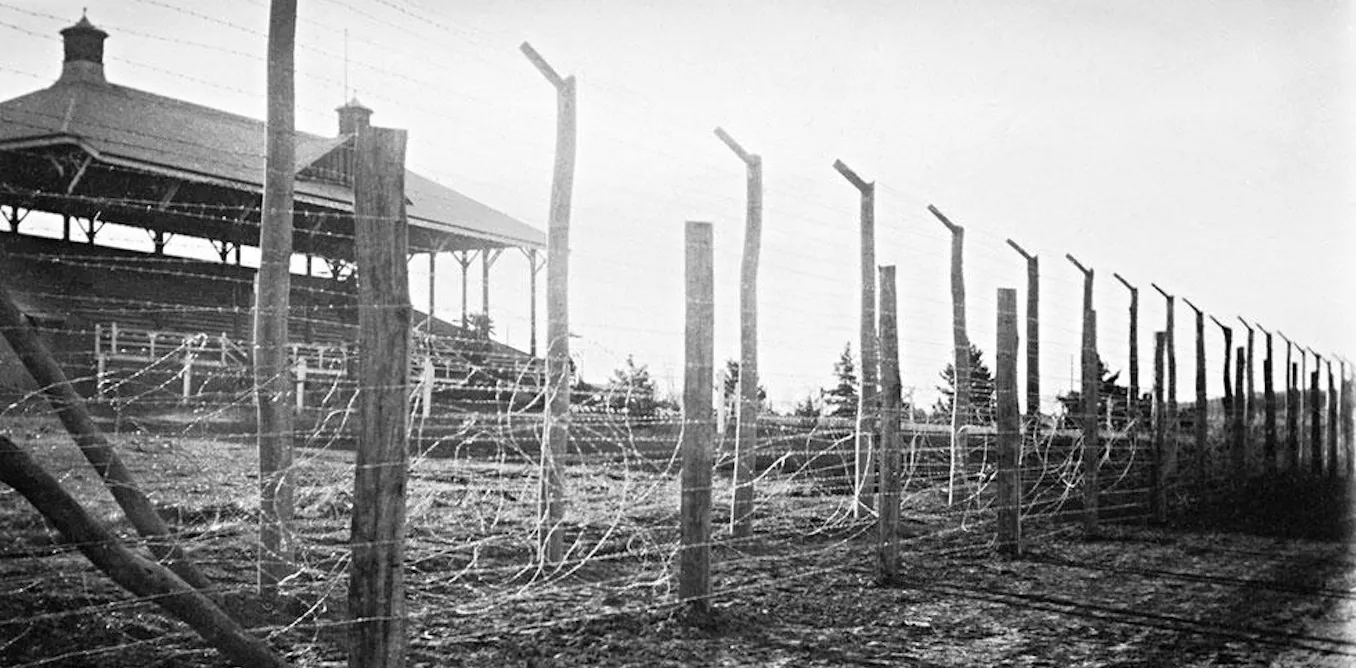
In Australia during World War II, German and Austrian nationals were labelled “enemy aliens” and interned in camps, despite many fleeing Nazi persecution. While imprisoned, these internees, including scholars, artists, and musicians, established their own universities within the camps at Tatura and Hay, in New South Wales and Victoria.
The refugees drafted a constitution and developed curricula encompassing subjects like mathematics, Malay, and jazz while aboard the HMT Dunera ship transporting them from Britain to Australia.
At Tatura camp, the university known as the Collegium Taturense was led by Leonhard Adam, a lawyer barred from practice in Germany due to his Jewish ancestry. Adam, who had previously studied First Nations laws and customs, taught jurisprudence and ethnology while also documenting camp life through art. He later contributed to research at the University of Melbourne and built a collection of First Nations art.
The camp universities also focused on supporting the education of younger internees, like Kurt Henle, who had arrived in Britain as part of the Kindertransport program. Advocates such as Margaret Pierce worked to ensure Henle could continue his studies and gain admission to university, but bureaucratic obstacles complicated his path. Though Henle eventually became a professor in the United States, the experience underscored the challenges refugees faced in accessing education.
Today, Australia has expanded access to higher education for refugees, and is piloting programs to resettle them through university partnerships.