Vermeer’s reputation grew centuries after his death
Summary and headline written by AI from the source article. How we work
Johannes Vermeer, the 17th-century Dutch painter, gained widespread recognition long after his death in 1675.
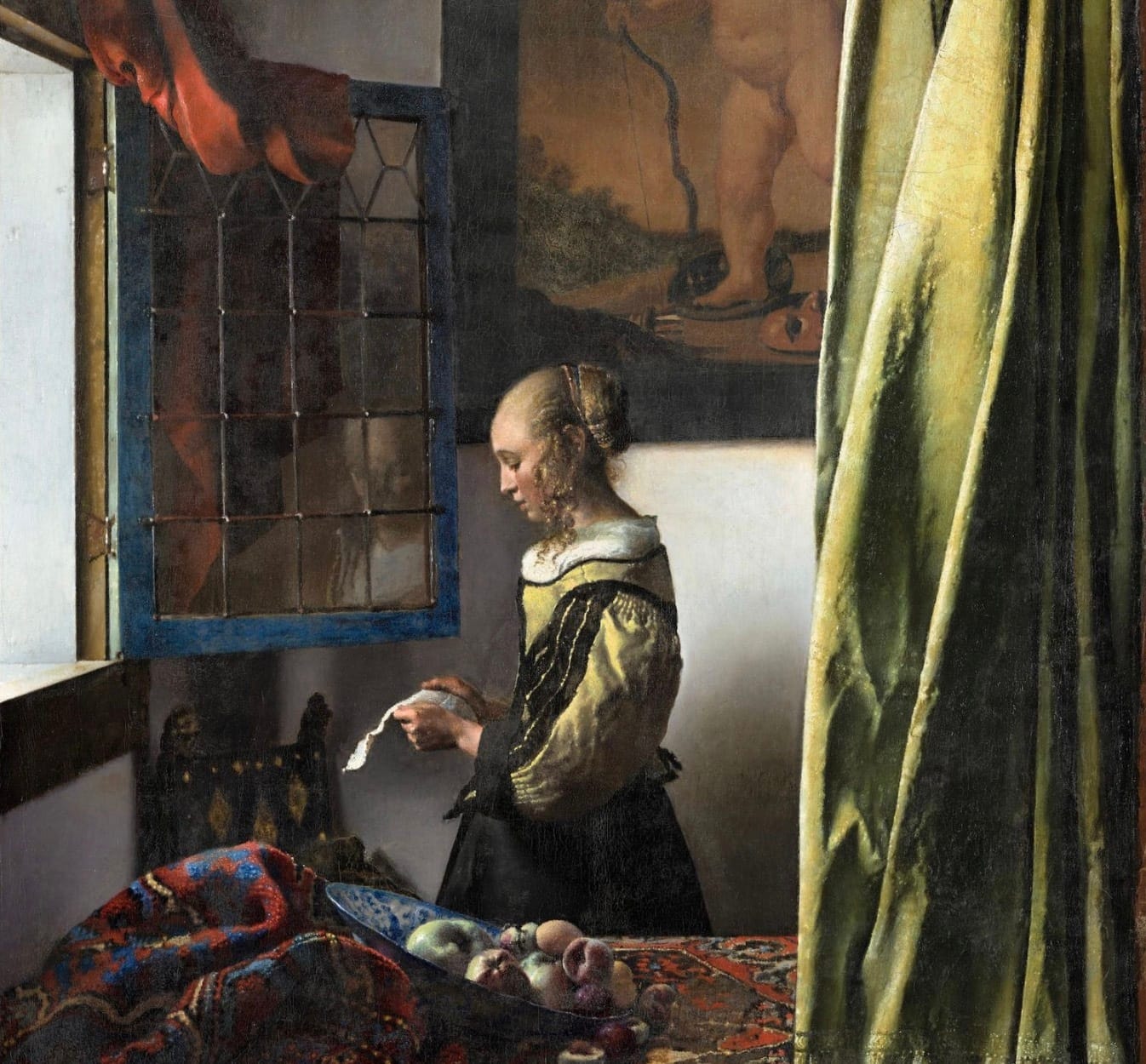
For centuries after Vermeer died deeply in debt at age 43, his work remained largely unknown. In 1866, Parisian critic Théophile Thoré brought attention to Vermeer’s paintings, proclaiming that France needed to know the artist. Historian Ruth Bernard Yeazell explores Vermeer’s growing fame and lasting influence in her new book, Vermeer’s Afterlives, which examines his presence in art, film, and poetry.
Beyond Vermeer, several other art world events unfolded. Finnegan Shannon’s installation at Pioneer Works experienced a malfunction that prompted reflection on accessibility and institutional responsibility. Researchers investigated Earl Stendahl, a trafficker who supplied stolen ancient artifacts to museums in Los Angeles. New opportunities also emerged for artists. Materials for the Arts launched a free shopping program for artists receiving city funding.
Columbia University scheduled an information session for its Master of Sustainability Management program, and Cranbrook Academy of Art opened applications for its 2027 MFA program.