Uzbekistan’s Islamic Center connects history across borders
Summary and headline written by AI from the source article. How we work
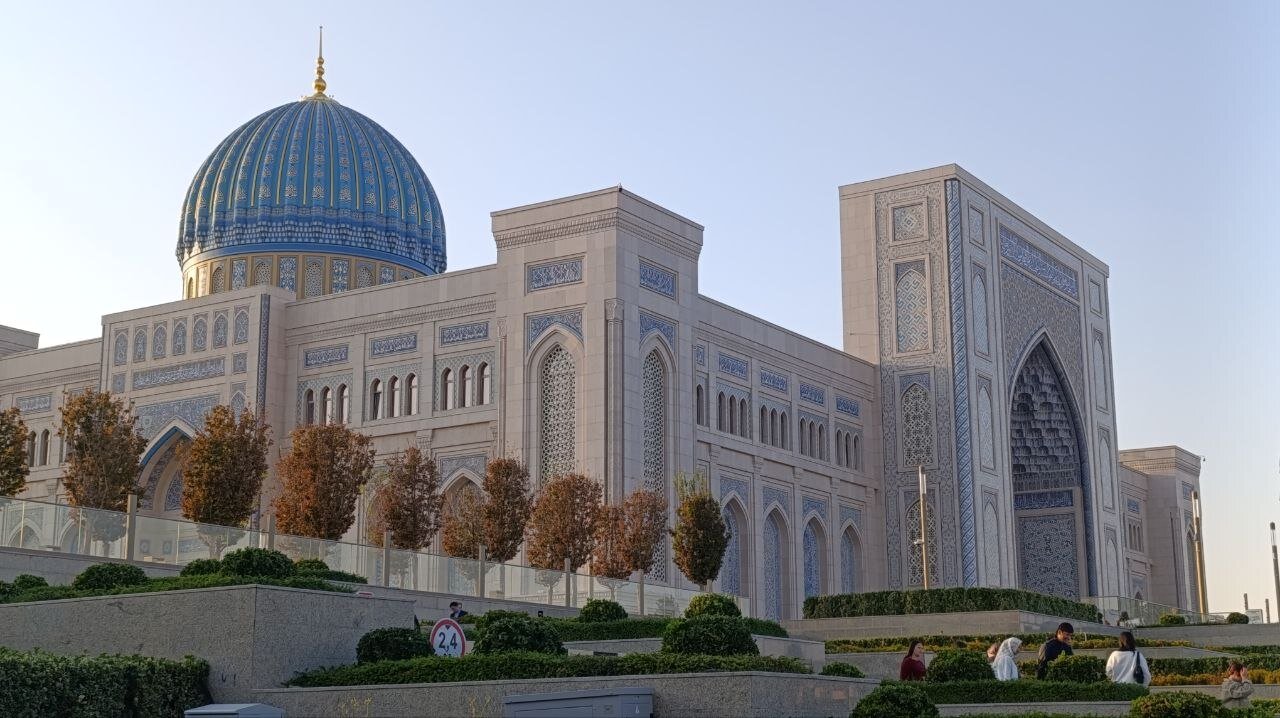
In Tashkent, Uzbekistan, the newly opened Islamic Civilization Center displays a history that connects the region to Iran and the wider Islamic world.
Iranian journalist visited the complex, noting traces of shared civilization in the art, manuscripts, and scholarship exhibited within its walls. The center, which officially opened in March 2026, covers over 40,000 square meters and features architectural elements referencing cities throughout Uzbekistan, symbolizing a unified national heritage built from regional traditions.
The museum presents history chronologically, beginning with ancient civilizations and continuing through the Islamic Golden Age to contemporary Uzbekistan, emphasizing that cultural achievements were often shared. Exhibits include artifacts dating back 80,000 years, mosaics portraying influential Islamic scholars like Avicenna and Al-Khwarizmi, and a seventh-century Quran traditionally linked to the third caliph, Uthman ibn Affan. Digital installations enhance the experience, using artificial intelligence to animate portraits of scholars and interactive maps to illustrate the Silk Road’s network of exchange.
The journalist reflected on the close artistic and intellectual ties between Uzbekistan and Iran, particularly in Persian miniature painting and scholarship, and questioned why Iran has not yet created a similar institution showcasing its own extensive history.