Malta’s ancient stone tracks date to classical period
Summary and headline written by AI from the source article. How we work
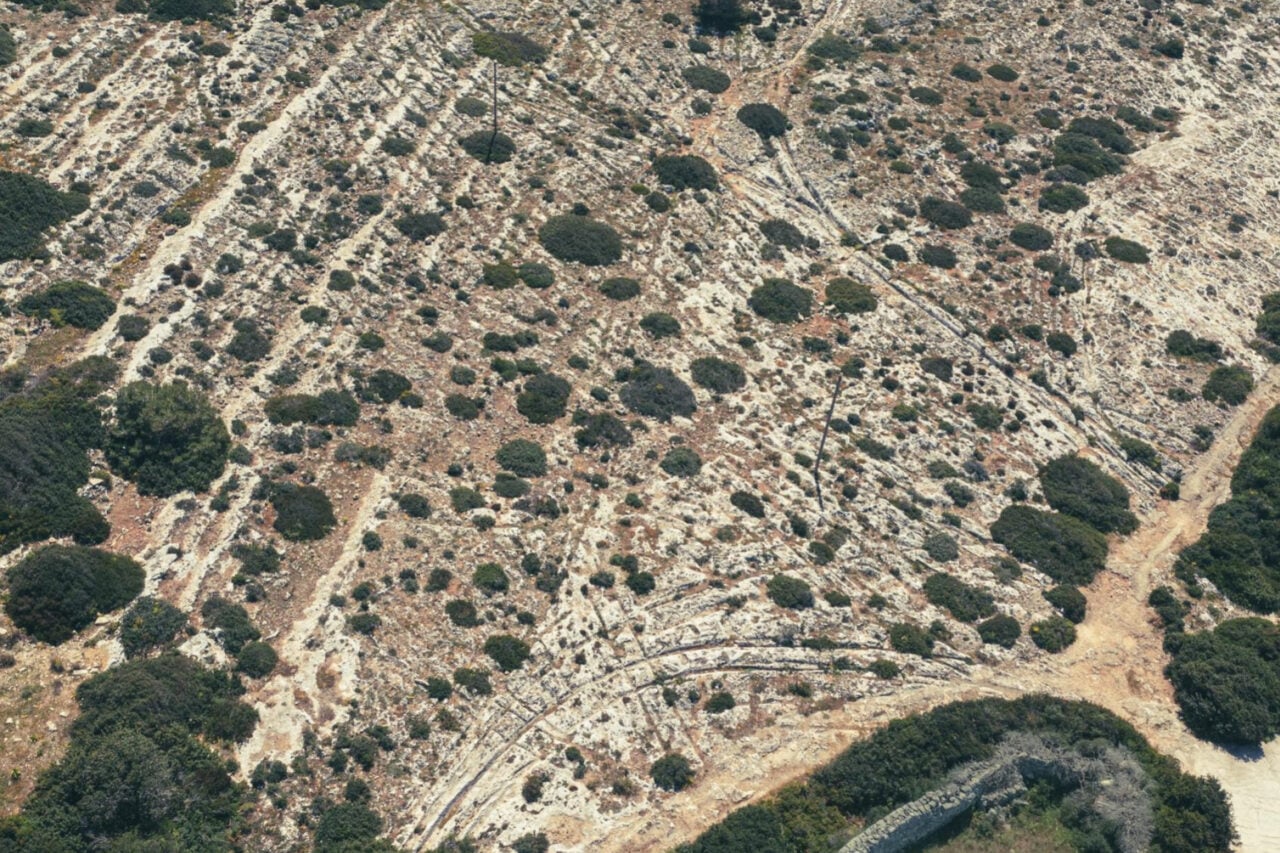
Joel Grima, a PhD student at the University of Malta, re-examined the age of the cart ruts, deep grooves carved into Malta’s bedrock, and found evidence suggesting they are much more recent than previously thought.
For years, archaeologists believed these formations were prehistoric, potentially dating back to between 5200 and 750 BCE. However, Grima’s research indicates that a significant number of the tracks originated during the Classical period, between 700 BCE and 870 CE, encompassing Phoenician, Roman, and Byzantine periods.
Grima reviewed existing archaeological data and personally visited over 200 sites across the Maltese archipelago to create digital models of the tracks. He found that while similar cart ruts exist in Europe, Asia, and North America, the density of the Maltese ruts, spanning roughly 31 miles (50 kilometers) across the islands, is exceptional. The study analyzed 2,628 distinct tracks, some of which form extensive networks over 3.7 miles (6 kilometers) long.
Although researchers broadly agree the ruts formed in antiquity, the exact way they formed and their purpose remain debated. Questions persist about whether the grooves were intentionally carved or created by repeated use, and what kind of vehicles used them. Grima’s work demonstrates that careful re-evaluation of evidence, combined with new techniques, can offer fresh insights into long-standing archaeological mysteries.