Fossil pushes back human ancestor’s appearance by 200,000 years
Summary and headline written by AI from the source article. How we work
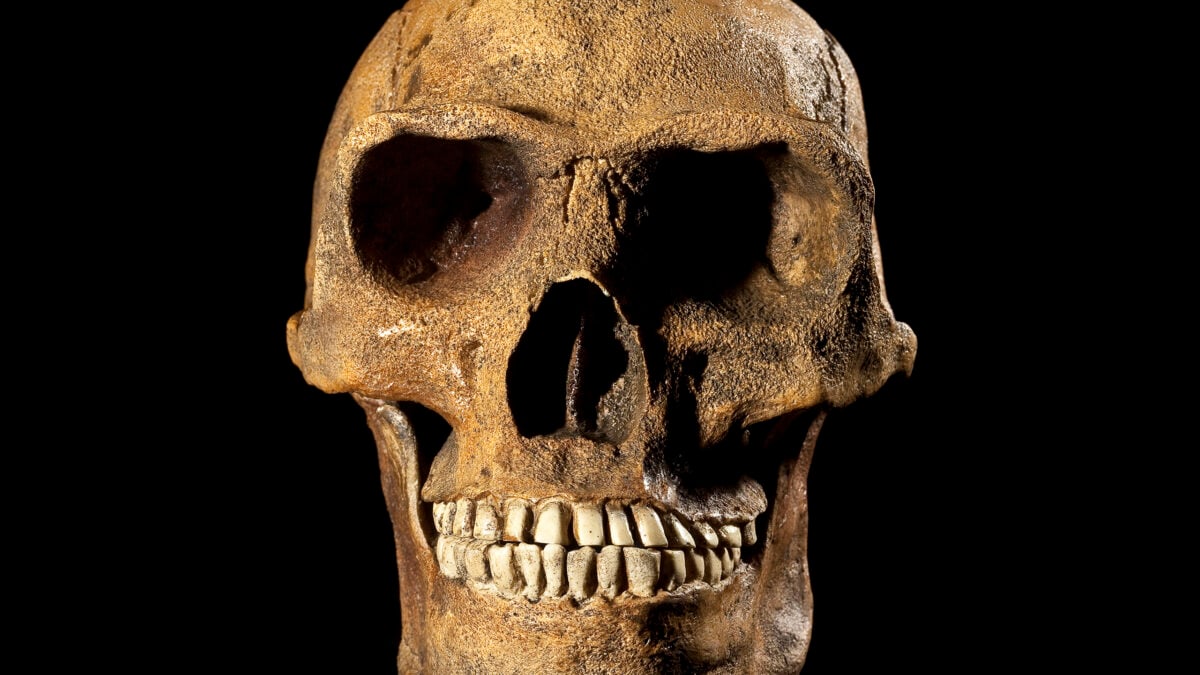
An international team of researchers studying fossils in South Africa determined that Homo erectus, an early human ancestor, appeared around 2 million years ago, 200,000 years earlier than previously thought. The team examined 18 fossils recovered from the Drimolen Main Quarry near Johannesburg, a site known as the ‘Cradle of Humankind’. They used physical characteristics of the bones and radioactive dating to establish the age of the fossils.
The discovery centers on a newly analyzed adult fossil, designated DNH 127, which confirms the earlier timeline. Prior evidence came from a fragment of a skull belonging to a young child, making adult comparisons difficult. Alongside the Homo erectus fossil, researchers also identified 14 fossils belonging to Paranthropus robustus, a more distant human relative with large jaws and teeth adapted for tough plant matter.
At two million years ago, Paranthropus robustus significantly outnumbered Homo erectus at Drimolen, outnumbering them by more than ten to one. However, Homo erectus ultimately became the ancestor that survived, while Paranthropus robustus died out. The fossils from Drimolen provide new insights into the evolutionary changes within both species, revealing previously unseen jaw characteristics in Paranthropus robustus.