Tuvalu balances climate adaptation with cultural preservation
Summary and headline written by AI from the source article. How we work
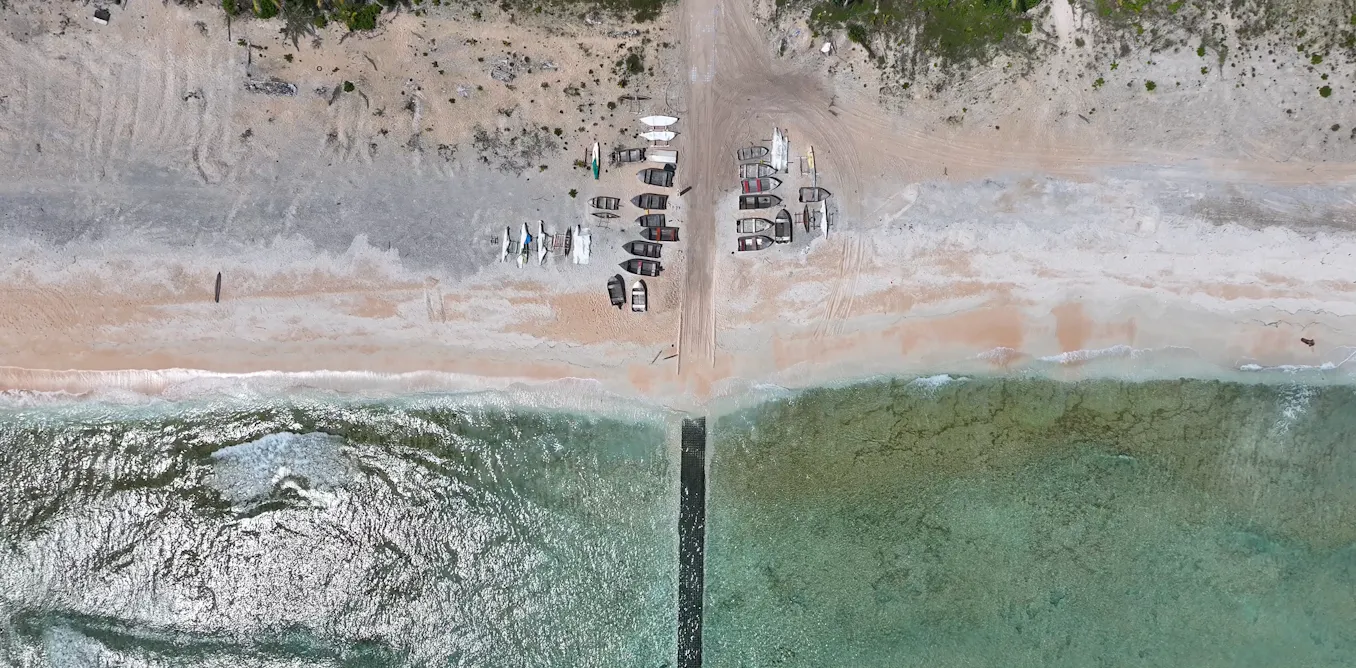
People in Tuvalu are facing displacement due to rising sea levels, prompting questions about preserving their cultural heritage.
The nation of 9,646 is both protecting its islands with land reclamation projects and enabling migration to Australia through the Australia. Tuvalu Falepili Union treaty, allowing up to 280 Tuvaluans to gain permanent residency each year. Researchers are documenting traditional buildings and construction techniques on islands like Niutao and Funafuti, recording histories through photographs, drawings, and 3D models.
These buildings, such as the Makaili Hut and classrooms, reflect generations of skill and island identity. However, changing environmental conditions and the adoption of new materials like corrugated metal are altering construction practices and potentially leading to a loss of traditional knowledge. Researchers are also exploring whether digital documentation, including virtual reality models, can help Tuvaluans maintain connections to their heritage as communities change and people move abroad.
Participants in workshops saw value in sharing these digital records with younger generations and those living overseas, expanding the scope to include canoes, oral histories, and landscapes. The continued use of the Lotolelei Church on the islet of Lakina, despite its uninhabitation, demonstrates the enduring importance of place and connection for Tuvaluan people.