Plate depicts warrior possibly identifying as female
Summary and headline written by AI from the source article. How we work
Archaeologists re-examined a 700-year-old copper plate from Etowah Indian Mounds in Georgia, and now suggest the figure depicted may be female.
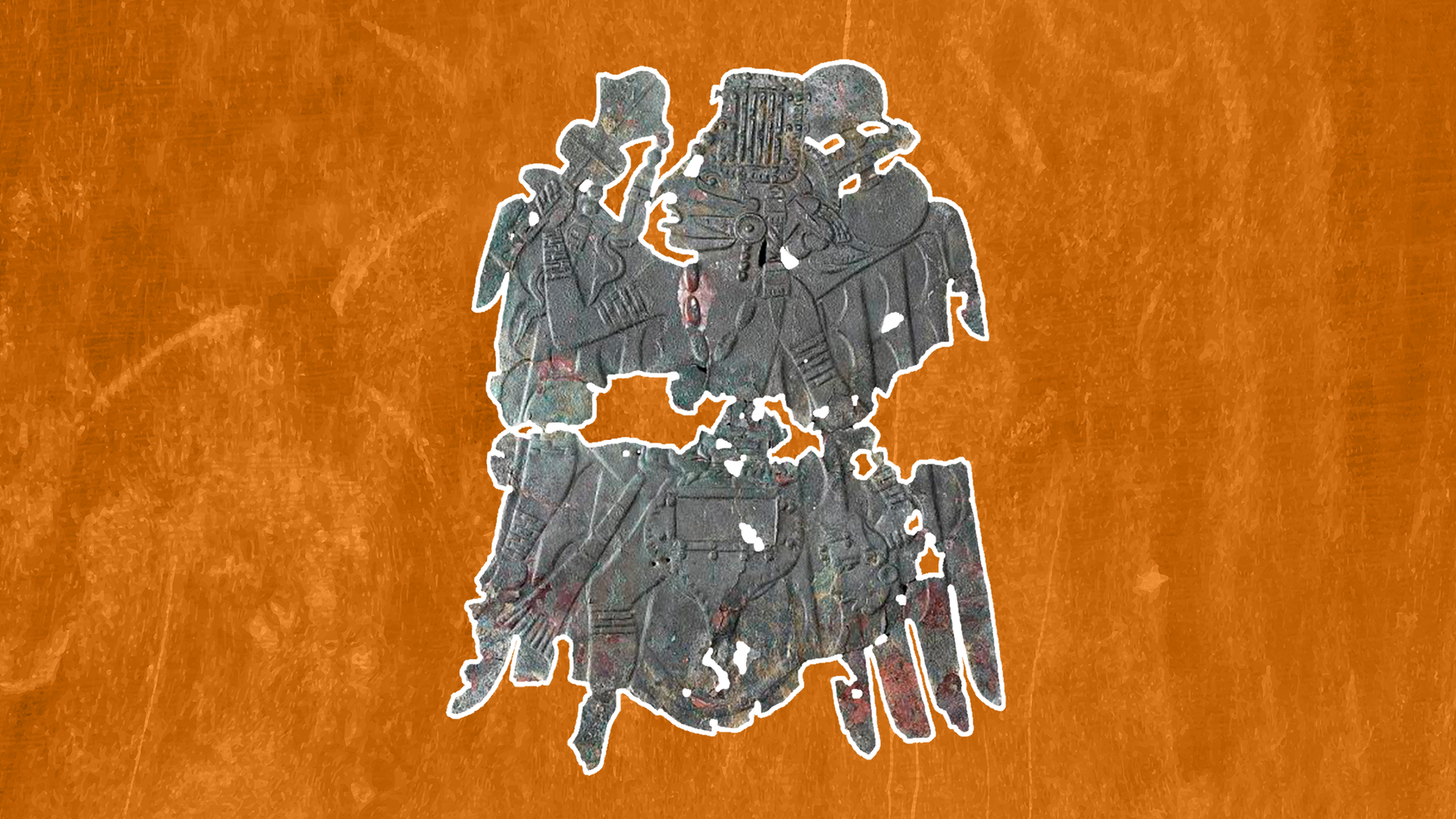
The plate, known as the “Birdman” plate, was originally discovered in the late 19th century but likely created at Cahokia Mounds in Illinois, indicating extensive trade networks between Indigenous groups in the southeastern United States around the 13th century.
The figure on the plate wears a bird costume and holds a severed head in one hand and a mace in the other, with a skirt possibly made from human scalps. For over a century, experts believed the figure represented a male warrior connected to a shared ceremonial tradition called the Southeastern Ceremonial Complex. However, Billie Follensbee and Katie Buford noted the skeleton buried with the plate’s sex is unclear, and high-status burials at Etowah included both men and women.
They observed the figure has slender features and prominent breasts, leading them to propose the figure could be a woman who took on a traditionally male role. Follensbee and Buford connect the figure to the historical term “manly-hearted woman” or the more recent term “two-spirit,” used by Indigenous people to describe gender-nonconforming individuals.
They suggest commemorating this person on the plate and including it as a grave good shows cultural acceptance and celebrates the achievements of people who challenged traditional gender roles. The plate is currently held in the Smithsonian National Museum of Natural History in Washington, D.C.