New Mexico footprints show people survived ice age climate shifts
Summary and headline written by AI from the source article. How we work
Researchers studying White Sands National Park in New Mexico determined that people lived in the area around 23,000 years ago, during a period of significant climate change.
The team examined ancient pollen and organic molecules preserved in rock samples to reconstruct the environment surrounding the site during the Last Glacial Maximum.
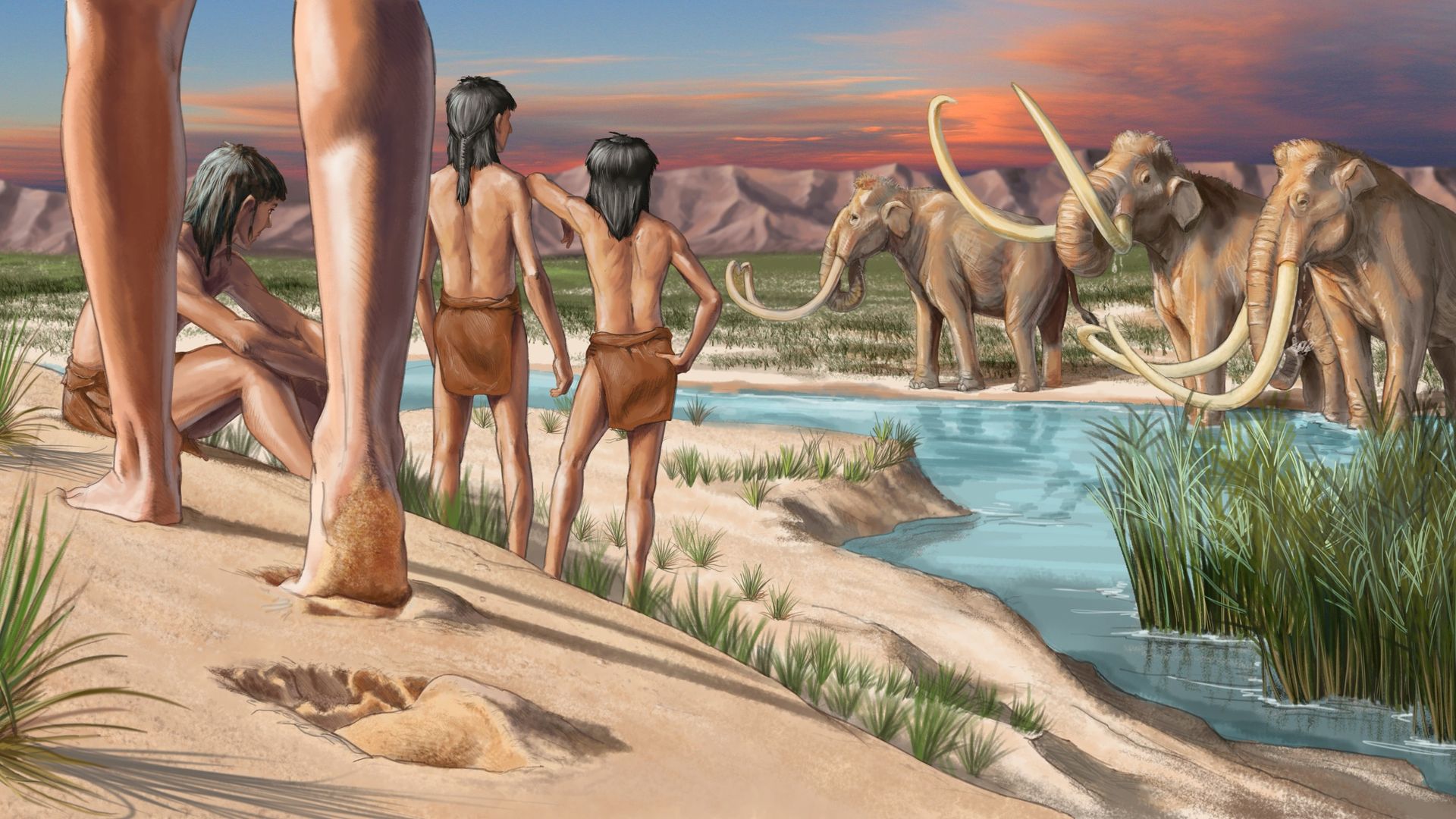
They found that around 24,200 years ago, White Sands featured a large lake and conifer trees, but warming temperatures over the following two thousand years caused the lake to shrink and the landscape to transition to oak trees and sagebrush. People continued to visit White Sands throughout these changes, leaving footprints alongside those of mammoths and giant ground sloths.
The archaeological site is known for containing some of the oldest evidence of human presence in the Americas, with footprints previously dated to between 21,000 and 23,000 years ago, a timeframe some scientists debate. The researchers also identified drag marks suggesting the use of travois, frames used for transporting goods, and footprints of a caregiver with a toddler from approximately 10,000 years ago.
While the footprints offer glimpses into the lives of these early inhabitants, the researchers noted they represent only brief moments in time, rather than a complete picture of their activities.