Suleiman Mansour’s art reflected Palestinian life
Summary and headline written by AI from the source article. How we work
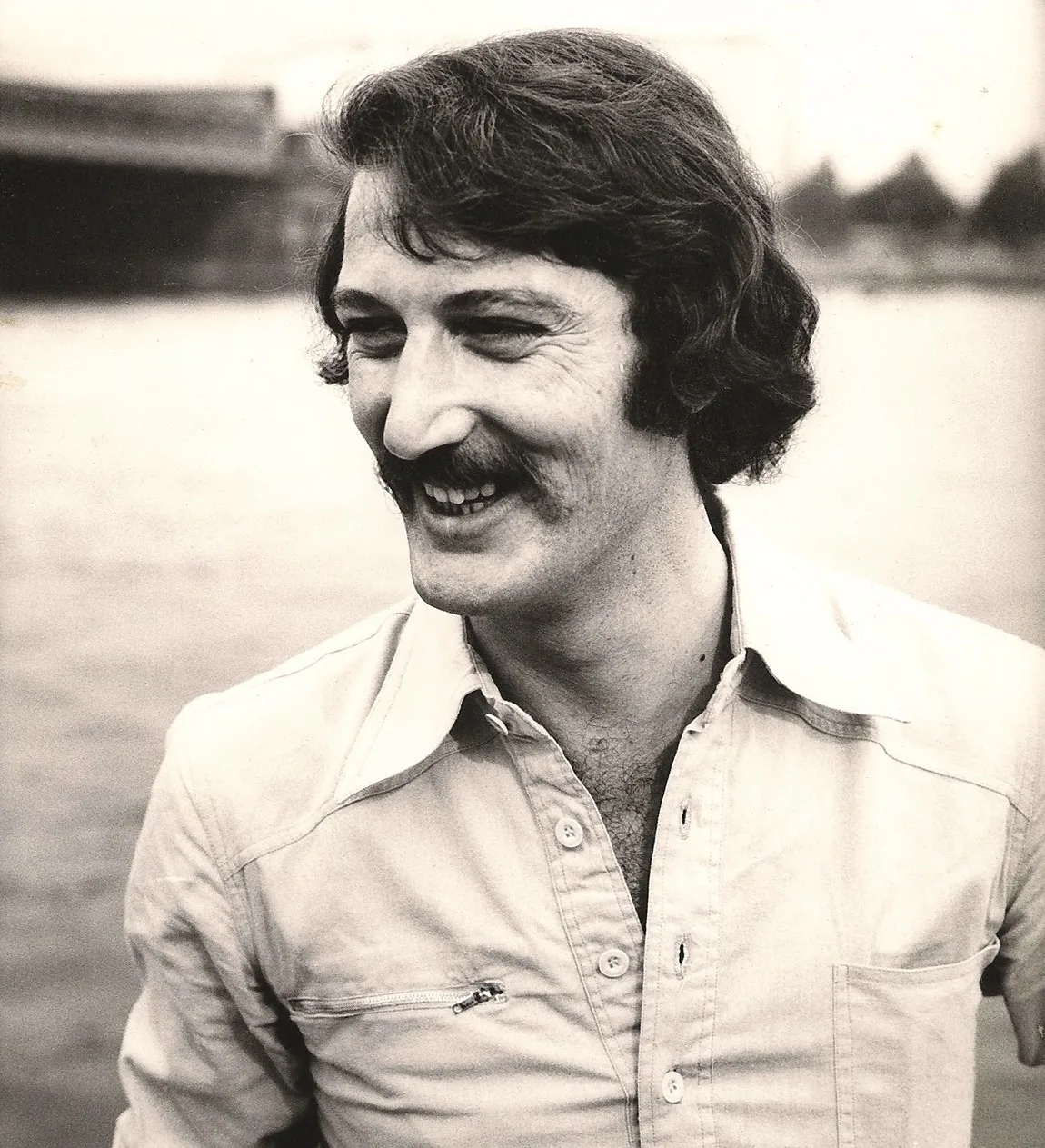
Palestinian artist Suleiman Mansour, born in Birzeit in 1947, used his work to express the experiences of his people and their land.
He began working with clay as a child, assisting his grandmother, and returned to the material during the First Intifada when acquiring painting supplies became politically difficult. Mansour studied at the Bezalel Academy of Arts in Jerusalem, but left after experiencing discrimination and disagreements with the institution’s approach.
He developed a symbolic realism, incorporating elements like oranges, olives, and dresses to represent Palestinian identity and history. His most famous painting, “Jamal al-mahamel,” depicted a man carrying Jerusalem on his back and became a widely reproduced symbol of Palestinian perseverance. Throughout his life, Mansour co-founded art galleries and educational institutions to support Palestinian artists and nurture a vibrant art scene. In later years, Mansour experimented with clay again, reflecting on themes of fragmentation and resilience.
He continued to paint until his death in Jerusalem on August 24, 2026, at age 79, leaving behind a legacy of artwork and institutions that captured Palestinian life and memory. His memoir, “On the Path of the Ghoul”, compiled from interviews conducted between 2020 and 2023, details his life and artistic journey.