AI reveals European trade fueled British Empire’s rise
Summary and headline written by AI from the source article. How we work
Researchers at the University of Southampton used artificial intelligence to analyze centuries-old shipping records and discovered that trade with Europe was central to the growth of the British Empire.
The team extracted data from handwritten ‘port books’ dating from 1565 to the mid-18th century, creating a database of British merchant shipping. This work uncovered a previously unmapped network of over three thousand ports both in Britain and abroad.
The analysis showed that during the late-16th to mid-18th century, Britain relied more on trade with Europe than with its colonies. From 1696 to 1697, Europe accounted for roughly 80 percent of the value of England’s overseas trade. France, the Netherlands, and India were key trading partners, with France hosting 157 identified maritime sites connected to British trade. The project also detailed the types of goods being traded.
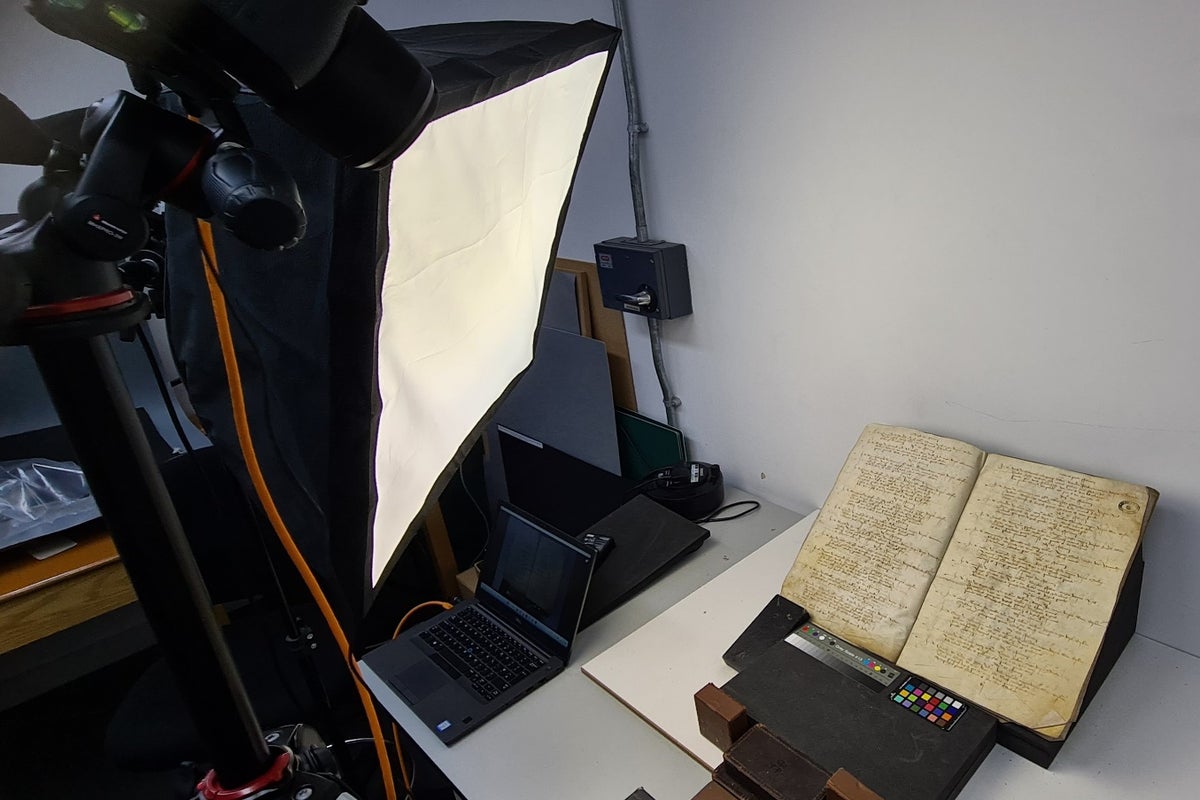
Coal was the most frequently recorded commodity, appearing in over 101,000 cargo entries, followed by ale, children’s toys, and unusual items like sheep guts. The researchers scanned approximately 100,000 pages of delicate historical documents from the National Archives in Kew to complete the project, a task that would have taken years without the aid of AI.