Botticelli’s paintings may reveal muse’s illness
Summary and headline written by AI from the source article. How we work
Researchers led by Professor Paolo Pozzilli from Queen Mary University of London examined paintings by Sandro Botticelli and believe they show evidence of a pituitary tumor in his muse, Simonetta Cattaneo, a Florentine noblewoman who died in 1476 at age 23.
The team published their findings in the journal Medical Humanities. They have been studying Simonetta’s life and death in a series of publications.
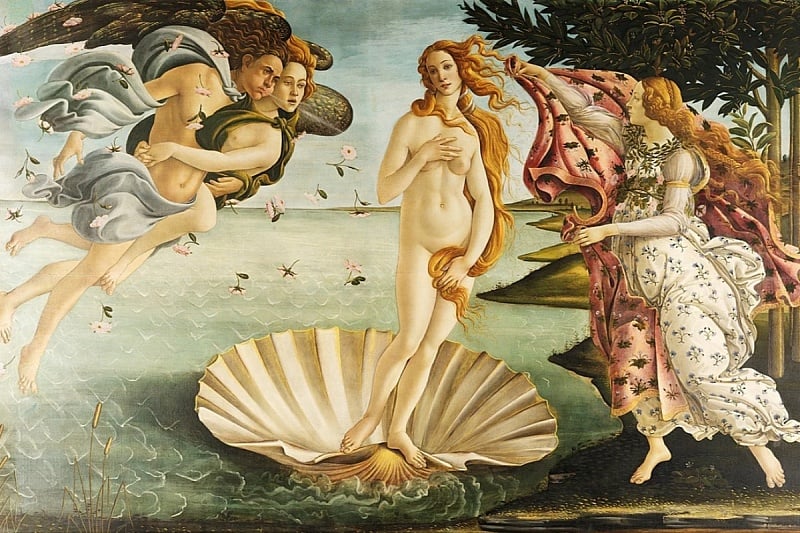
Simonetta Cattaneo married Marco Vespucci, a relative of Florentine bankers, and became known for her intelligence and grace in Florentine society. Botticelli painted her five times, including in his famous works The Birth of Venus and Primavera, and requested to be buried near her in the church of Ognissanti in Florence. Pozzilli’s team analyzed Botticelli’s depictions of Simonetta’s eyes in The Birth of Venus and other portraits.
They observed swelling around her eyes and drooping eyelids, characteristics they link to a pituitary tumor. They suggest the tumor may have caused strabismus, or crossed eyes, and that Botticelli realistically portrayed these symptoms. They previously proposed in 2019 that Simonetta had a pituitary adenoma, and later determined that a rapidly growing tumor likely caused a pituitary apoplexy, sudden bleeding in the gland, leading to her death.
Historical accounts describe her collapsing at a ball and suffering headaches, hallucinations, and fever. The researchers also note Botticelli’s Allegorical Portrait of a Woman depicts Simonetta breastfeeding despite having no children, which they believe could be another symptom of a prolactin-producing tumor. While the exact cause of death cannot be confirmed after 550 years, the team believes the evidence supports a medical explanation for her condition, rather than simply an artistic choice by Botticelli.