Ducks hybridize in captivity, challenging species barriers
Summary and headline written by AI from the source article. How we work
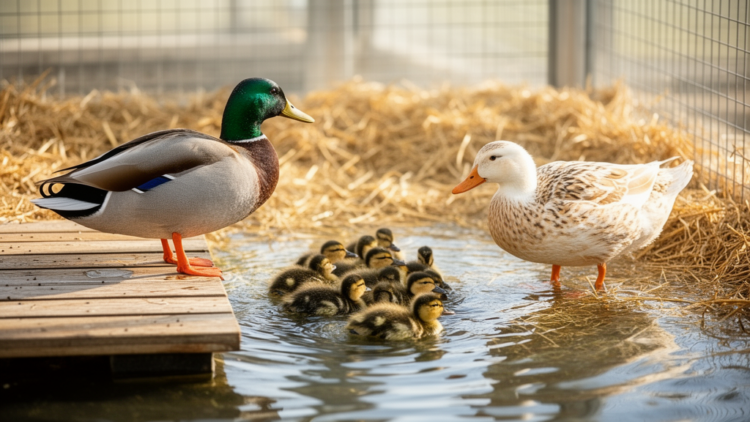
Researchers in Bulgaria observed ducks breaking typical species boundaries while living together in three collections between 2011 and 2025.
The study documented five instances of ducks from different species, and even different genera, successfully mating and producing viable offspring. These crosses would rarely, if ever, occur in natural environments due to ecological barriers and distinct mating behaviours.
The researchers noted that the resulting hybrid ducklings often displayed a mix of traits from both parents, although characteristics of the fathers tended to be more prominent in the offspring’s appearance. For example, a cross between a Ferruginous duck and a Mandarin duck produced offspring with the elongated body shape of the Mandarin duck but the plumage colouration of the Ferruginous duck. The team also recorded variations in specific features like bill colour and size, revealing complex patterns of inheritance.
These findings demonstrate that when ducks are kept in close proximity, reproductive barriers weaken and hybridization becomes possible. While these events occurred in captivity, the researchers caution that escaped hybrids could threaten the genetic integrity of wild waterfowl populations. They recommend combining physical observations with genetic analysis to better understand these hybrid crosses and improve the management of captive breeding programs focused on conservation.