Neanderthal remains suggest death by wooden spear
Summary and headline written by AI from the source article. How we work
An international team of researchers studying 75,000-year-old Neanderthal remains from Shanidar Cave in Iraqi Kurdistan believe they have found the oldest evidence of a Neanderthal killed by a wooden spear.
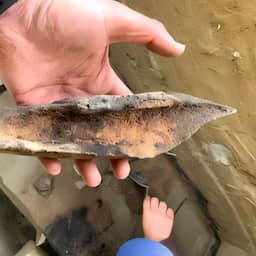
The team examined the remains of an individual known as Shanidar A, a man in his 40s, and discovered a circular hole in his shoulder blade that they suggest was caused by a projectile weapon.
They propose a wooden spear, given the size of the hole and the existence of similar spears dating back 200,000 to 400,000 years in Europe, inflicted the fatal wound. The researchers also found evidence suggesting Shanidar A received care after suffering a severe dental injury that split one of his front teeth. The injury healed with the tooth fragment still in place, indicating support from his community allowed him to continue living despite the pain.
The team noted the Neanderthal’s body was intentionally placed in a specific location within the cave, and later covered by the remains of at least four other individuals, hinting at burial practices and familial care. However, Sofia Samper Carro, an archaeologist at the Australian National University, cautioned that more evidence is needed to definitively link the shoulder wound to a spear.
She explained that circular bone fractures are unusual and establishing a cause of death without the weapon itself is difficult. Despite this, Dr. Pomeroy’s team continues to excavate Shanidar Cave, hoping to learn more about the lives of Neanderthals and their interactions with early modern humans.