Ancient scribes’ notebooks reveal Greek Math in Roman Egypt
Summary and headline written by AI from the source article. How we work
Thomas Kelly, a specialist in classical studies at the University of Cambridge, identified how scribes in Roman Egypt used geometric figures in their calculations between the 1st and 4th centuries CE.
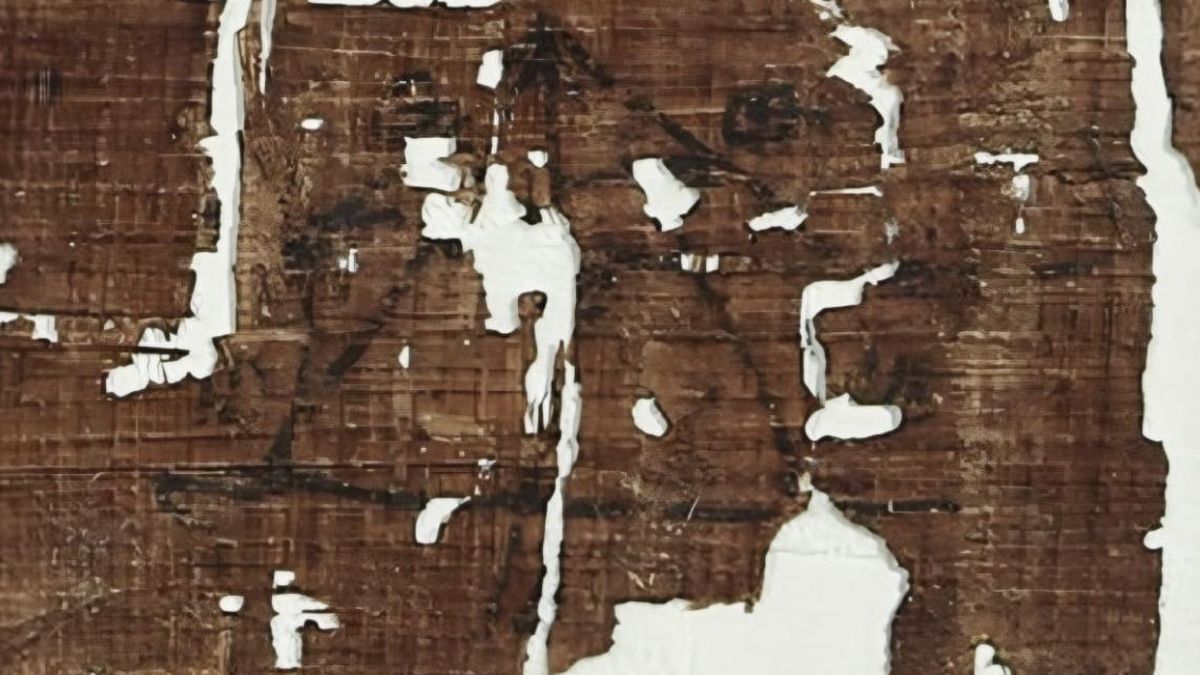
Kelly created a systematic catalog of geometric diagrams preserved in Greek mathematical papyri, gathering ten documents from various collections. He found the diagrams served three purposes: as workspaces, memory aids, and solution-checking tools. The diagrams prioritized graphical conventions over precise mathematical proportions.
Scribes often placed right angles in the lower left corner of rectangles and adjusted the shapes’ dimensions for visual clarity, even if it meant distorting the actual measurements. One educational document, a 4th-century codex called P. Math, contains 38 problems likely used to train future merchants. These visual methods connected to earlier mathematical traditions in Egypt and Mesopotamia, which also used specific numerical values in problems.
However, Kelly notes the Greek papyri demonstrate a systematic use of diagrams that became important for teaching and problem-solving. Kelly urges researchers to preserve the original drawings in future studies, as some modern publications have altered them, potentially losing valuable information about ancient mathematical practices.