Neanderthal’s fatal wound suggests possible murder in Iraq
Summary and headline written by AI from the source article. How we work
Archaeologists in Iraqi Kurdistan discovered the remains of a Neanderthal who lived over 70,000 years ago, bearing a potentially fatal wound from a wooden spear.
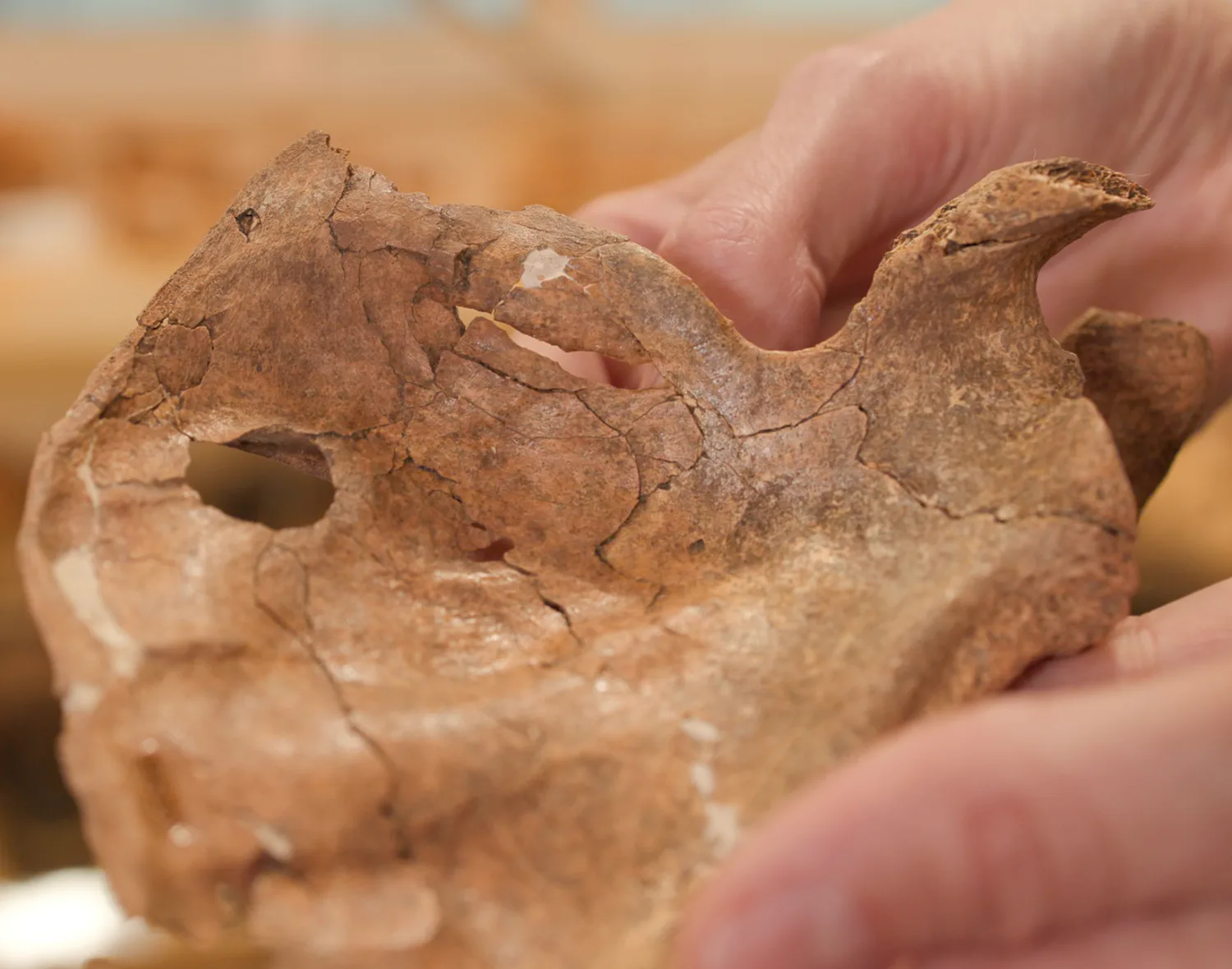
The Neanderthal’s left shoulder blade showed a 1.5-centimeter hole with radiating fractures and bone fragments embedded within, indicating a forceful impact from the front. Researchers excavating Shanidar Cave found the remains alongside those of other Neanderthals, buried in a location revisited over several years, an unusual practice for Neanderthal burials.
Scientists determined the injury was likely caused by a wooden spear, a weapon used by Neanderthals to hunt ibex. While wooden objects rarely survive the passage of time, other wooden tools dating back as far as 400,000 years have been found in Europe. The injured Neanderthal, an adult around 45 years old, also showed evidence of an old injury to the face.
A fractured tooth and inward-turned neighboring teeth suggest the individual suffered a powerful blow to the face, likely requiring assistance and causing prolonged pain. Researchers cannot confirm whether the spear wound resulted from an accidental hunting injury or a deliberate attack, but they believe the force and location of the wound suggest a fatal blow aimed at the heart. The team continues to study the site and the Neanderthals buried there to learn more about their lives and deaths.