Amulet in Germany reveals fluidity of early Christian beliefs
Summary and headline written by AI from the source article. How we work
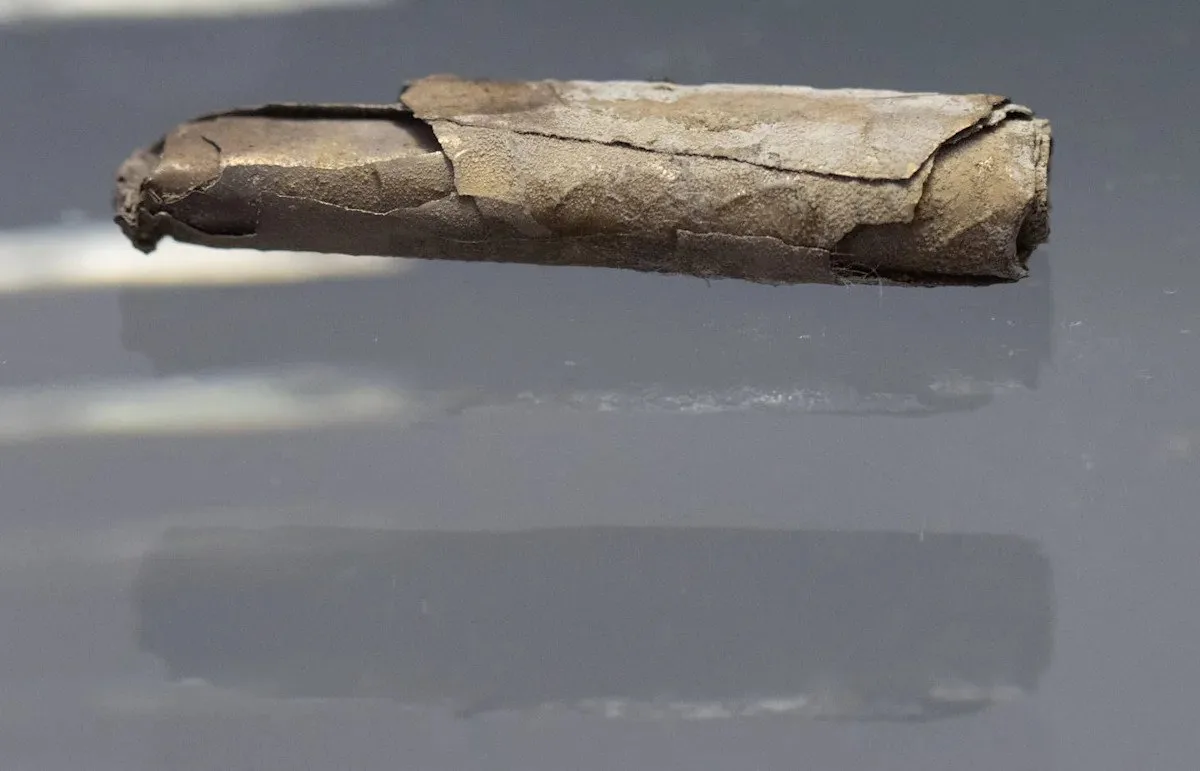
Archaeologists in Frankfurt, Germany, deciphered an 1,800-year-old silver amulet containing a prayer to Jesus Christ.
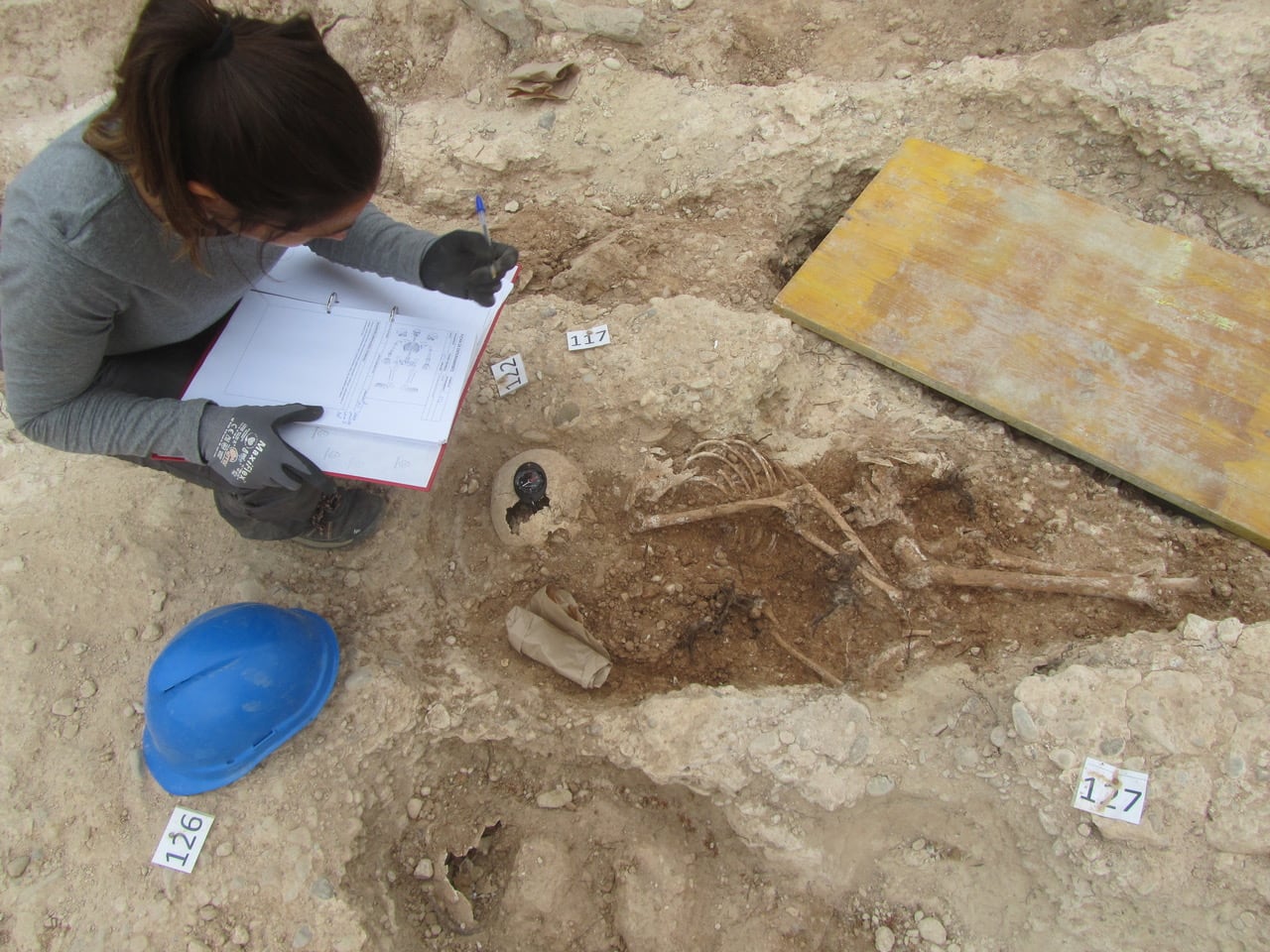
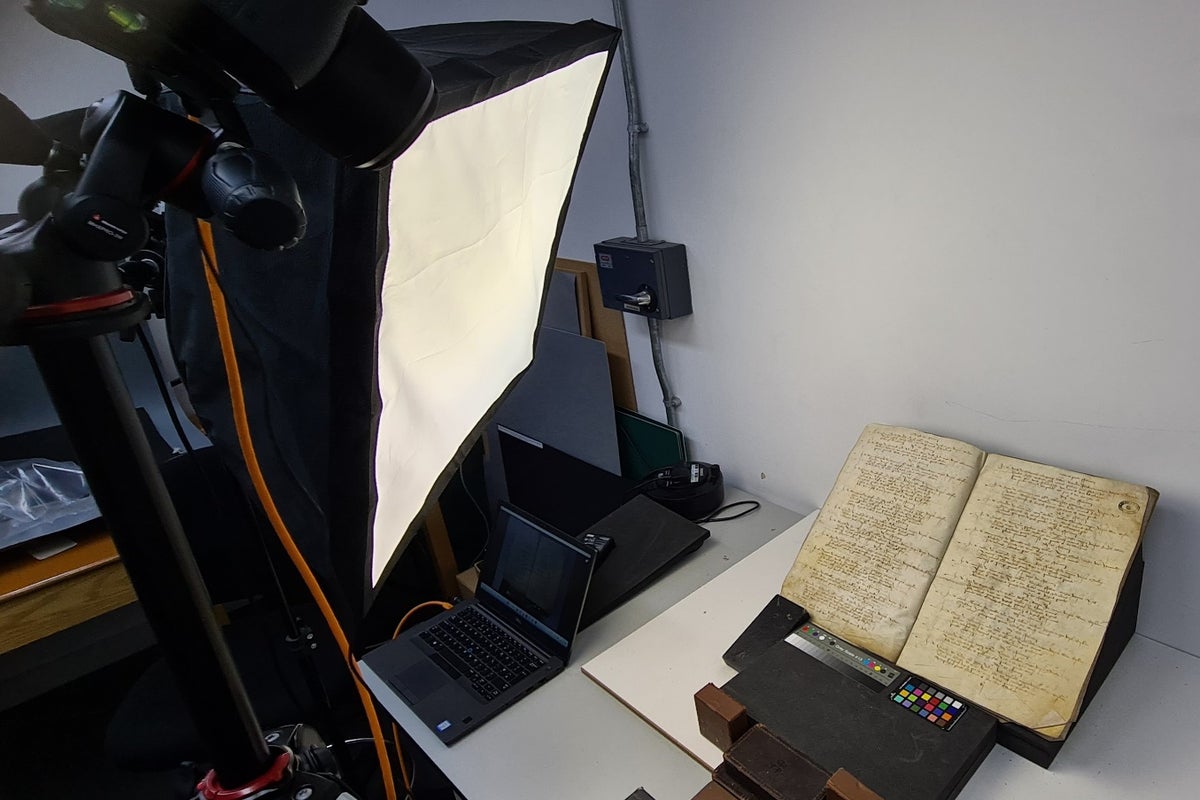
The amulet was discovered in 2018 during excavations of an ancient Roman cemetery, inside a capsule around the neck of a man buried between AD 230 and 260. Researchers used computed tomography in 2024 to read the fragile inscription without unrolling the silver scroll. The 18-line inscription references Jesus, repeats “holy, holy, holy,” and draws from Paul’s Epistle to the Philippians.
Unlike other protective texts from the period, it does not include appeals to pagan gods alongside Christian words. Santiago Guijarro, a researcher at the Pontifical University of Salamanca, suggests the amulet’s owner may have practiced both Christian prayer and Roman sacrifices. Guijarro explains that around AD 250, Emperor Decius required citizens to offer sacrifices to Roman gods, and someone loosely connected to Christianity might not have seen this as a rejection of their faith.
Evidence from Egyptian papyri supports the idea that some Christians complied with the requirement or falsified documentation to avoid punishment. Guijarro will publish a detailed study of the amulet in the journal Isidorianum in 2025, noting the inscription’s unique preservation of verses from Philippians in Latin. He believes future discoveries of similar objects will help clarify how Christian prayers spread and who used them.