Skeletons reveal diet of medieval Muslims in Spain
Summary and headline written by AI from the source article. How we work
Archaeologists in Tudela, Spain, examined the remains of over 400 people buried in a medieval Islamic cemetery, revealing details about the lives of the town’s Mudéjar community, Muslims who lived under Christian rule, from the 11th to the 15th centuries.
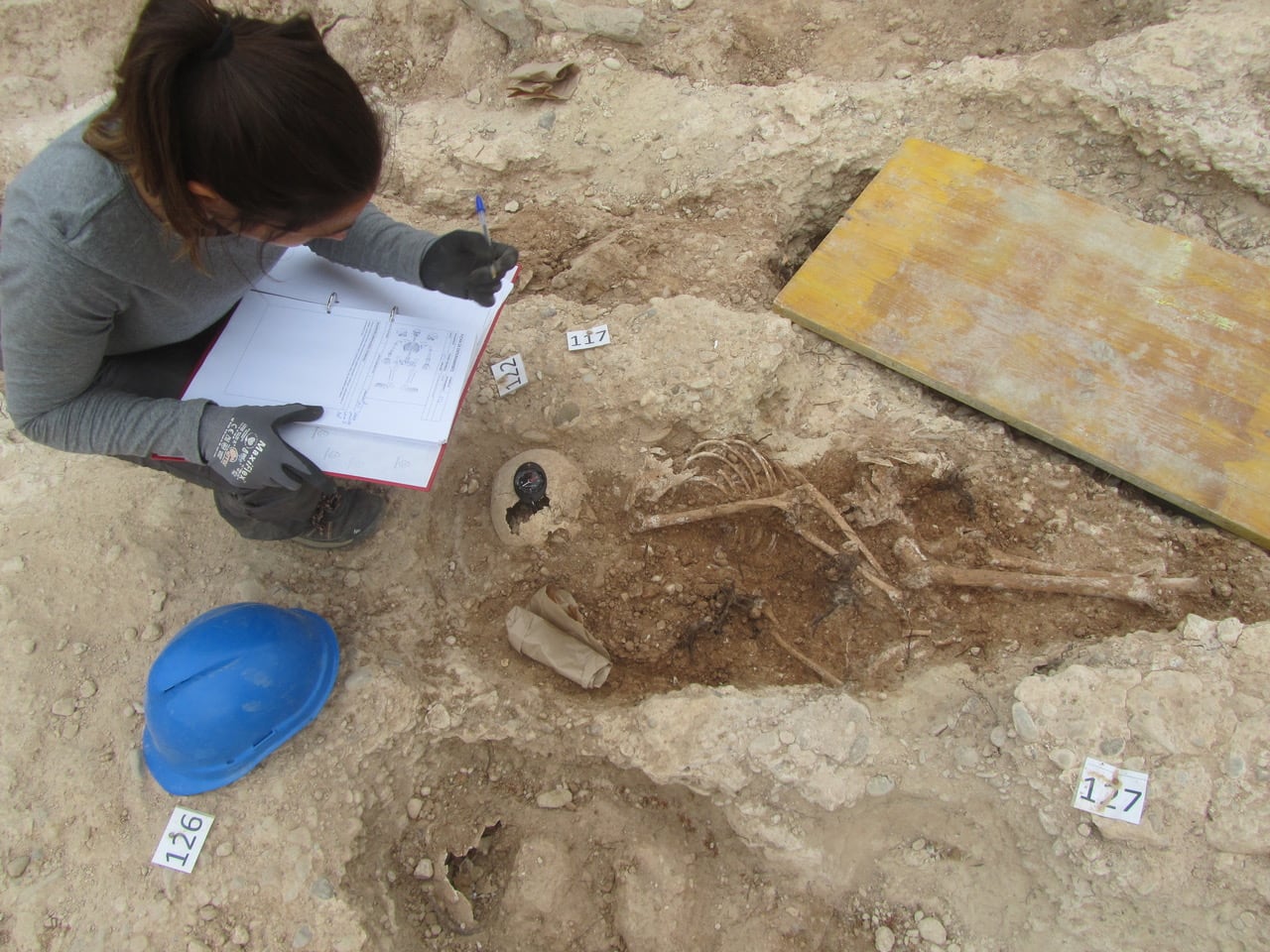
In 2019, construction work on a school uncovered the cemetery, prompting a large-scale archaeological investigation. Researchers analyzed chemical compounds in the bones of 120 individuals to reconstruct their diets over five centuries.
The study showed that after the Christian conquest of Tudela in 1119, the Mudéjar community increasingly adhered to Islamic traditions, as seen in changes to burial practices. Initially, bodies were laid on their backs, but later they were positioned on their right sides in narrower graves to ensure the correct orientation.
The analysis also revealed a shift in diet following the conquest, with a decline in river fish consumption, a food permitted by Islamic law but restricted by the Christian king, and a greater reliance on sheep, goats, and surprisingly, cattle. Researchers believe these dietary changes reflect the community’s adaptation to political and economic pressures. The study also noted differences in nutrition among women, with those over 50 showing signs of poorer diets, possibly linked to widowhood and limited resources.
The team plans to continue analyzing the remains through genetic studies and examination of grave goods to learn more about the origins and lives of this medieval minority.