Dogs show preference for shapes like humans do
Summary and headline written by AI from the source article. How we work
Researchers in Britain studied 51 dogs and their owners to see if the animals experience the “bouba/kiki effect,” a psychological phenomenon where people link sounds to shapes.
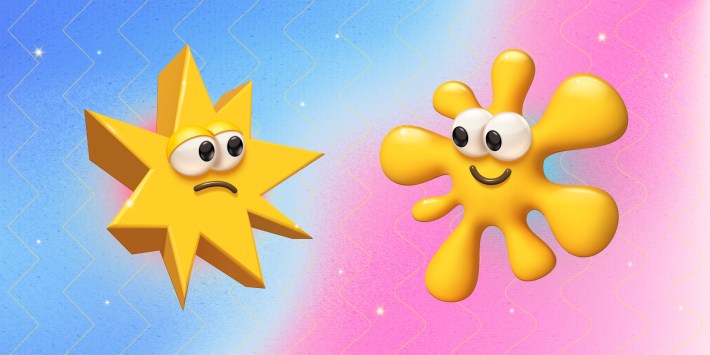
The team presented dogs with images of a rounded shape and a spiky shape while playing the nonsense words “bouba” and “kiki.” They used artificial intelligence to track the dogs’ gazes and discovered the dogs looked longer at the rounded shape when hearing “bouba” and at the spiky shape when hearing “kiki.” The study built on earlier research showing the bouba/kiki effect occurs across cultures and even in people born blind.
Scientists had also previously found the effect in newly hatched chicks. However, the initial group of dogs showed an overall preference for the spiky “kiki” shape. Researchers repeated the experiment with a smaller group of 19 dogs whose owners wore headphones to eliminate potential cues. This second group did not show the same bias toward spiky shapes, suggesting the initial preference wasn’t due to owner influence.
Instead, the researchers propose that dogs’ angular facial features, compared to the rounder faces of human babies, might lead them to prefer spiky shapes. The team acknowledges more research with larger groups is needed to confirm these findings.