Anne Carson wins Nobel Prize while living with Parkinson’s
Summary and headline written by AI from the source article. How we work
This month, Anne Carson, a Canadian-Icelandic poet and classics professor, received the Nobel Prize for Literature.
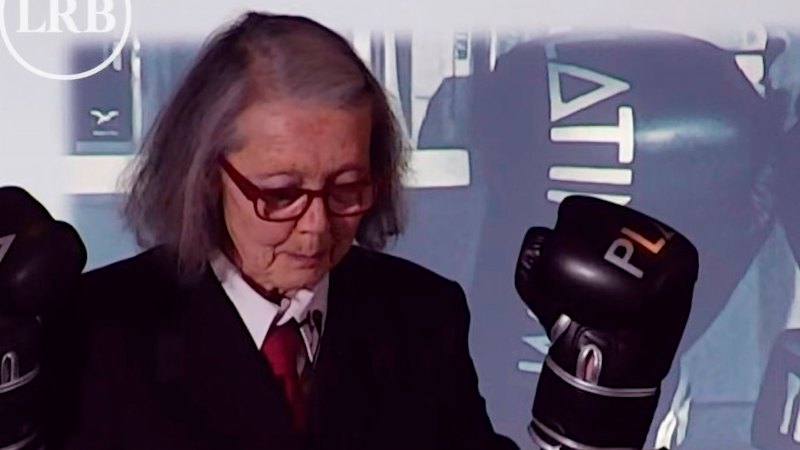
Carson was a surprising choice for the award, as other writers like Can Xue, Salman Rushdie, and Margaret Atwood were considered frontrunners. Throughout her career, Carson has taught ancient Greek and translated ancient texts by authors such as Euripides, Sappho, and Catullus, incorporating them into her own poetry. Carson gained attention for delivering a lecture at Princeton University while wearing boxing gloves.
She explained that the gloves help her cope with Parkinson’s disease, making it easier to face her illness and the prospect of death. The Nobel committee’s decision to honour Carson reflects a focus on themes of mortality and human intelligence during a time of rapid development in artificial intelligence. Carson’s work often challenges readers, intentionally avoiding easy answers or comfort. She believes that engaging with difficult forms, like poetry or boxing, reveals both vulnerabilities and strengths in people.
Carson also views imperfection as valuable, particularly in the process of translation, seeing it as a continuous exploration rather than a quest for flawless accuracy. Sophie Gee, a professor at Princeton University, wrote the article explaining Carson’s work and its relevance.