Broken art reveals enduring beauty in Florence
Summary and headline written by AI from the source article. How we work
Palazzo Strozzi in Florence, Italy, is hosting “Broken. The Power of the Fragment”, an exhibition displaying over eighty artworks from ancient Egypt to the present day.
The exhibition, which runs until January 24, 2027, explores how damage and incompleteness can add meaning to art, rather than diminish it. Organisers collaborated with the National Gallery of Art in Washington, D.C., which will host the exhibition from March 3 to June 27, 2027.
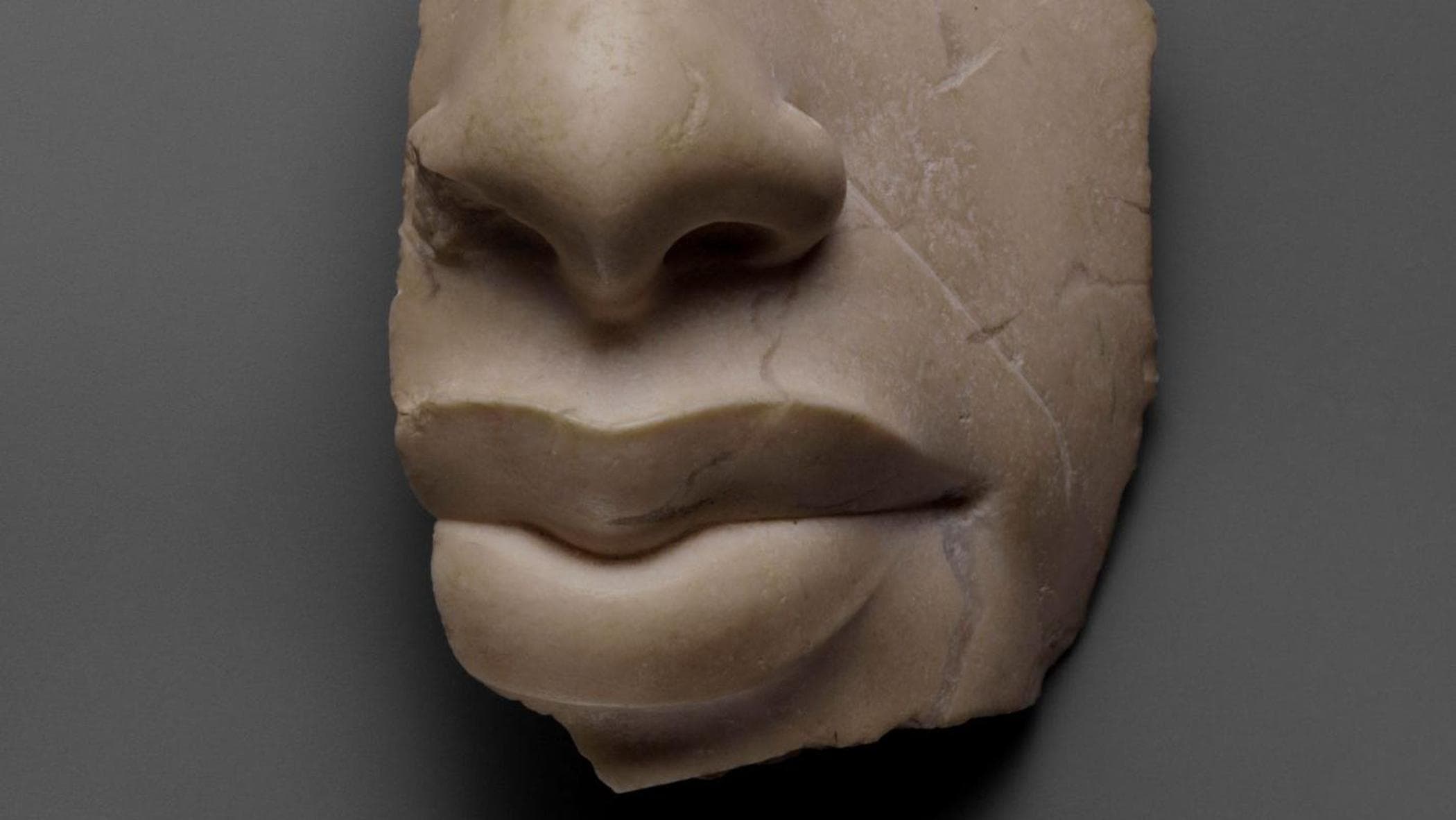
The exhibit draws a connection between broken artworks and the Japanese art of kintsugi, where fractured ceramics are repaired with gold to highlight the breaks. Examples include a fragment of the statue of the Egyptian pharaoh Akhenaten, dating from around 1350 BC, and the Livorno Torso, a bronze sculpture from the 1st century BC, both of which retain power despite being incomplete.
The exhibition also examines how deliberate destruction impacts art, showing the damaged foot of a statue of Louis XIV surviving the French Revolution and a bust of Mussolini riddled with bullet holes from World War II. Artists like Michelangelo and Rodin intentionally left works unfinished, exploring incompleteness as a creative technique. Francesco Vezzoli’s “The Swan”, created in 2023, combines a Roman male head with a Renaissance female bust, further complicating notions of completeness and historical context.
Ultimately, the exhibit suggests that preserving art doesn’t always mean restoring it to a pristine state, and that visible damage can serve as a powerful reminder of history.