Shiva’s rise reflects modern Tamil identity politics
Summary and headline written by AI from the source article. How we work
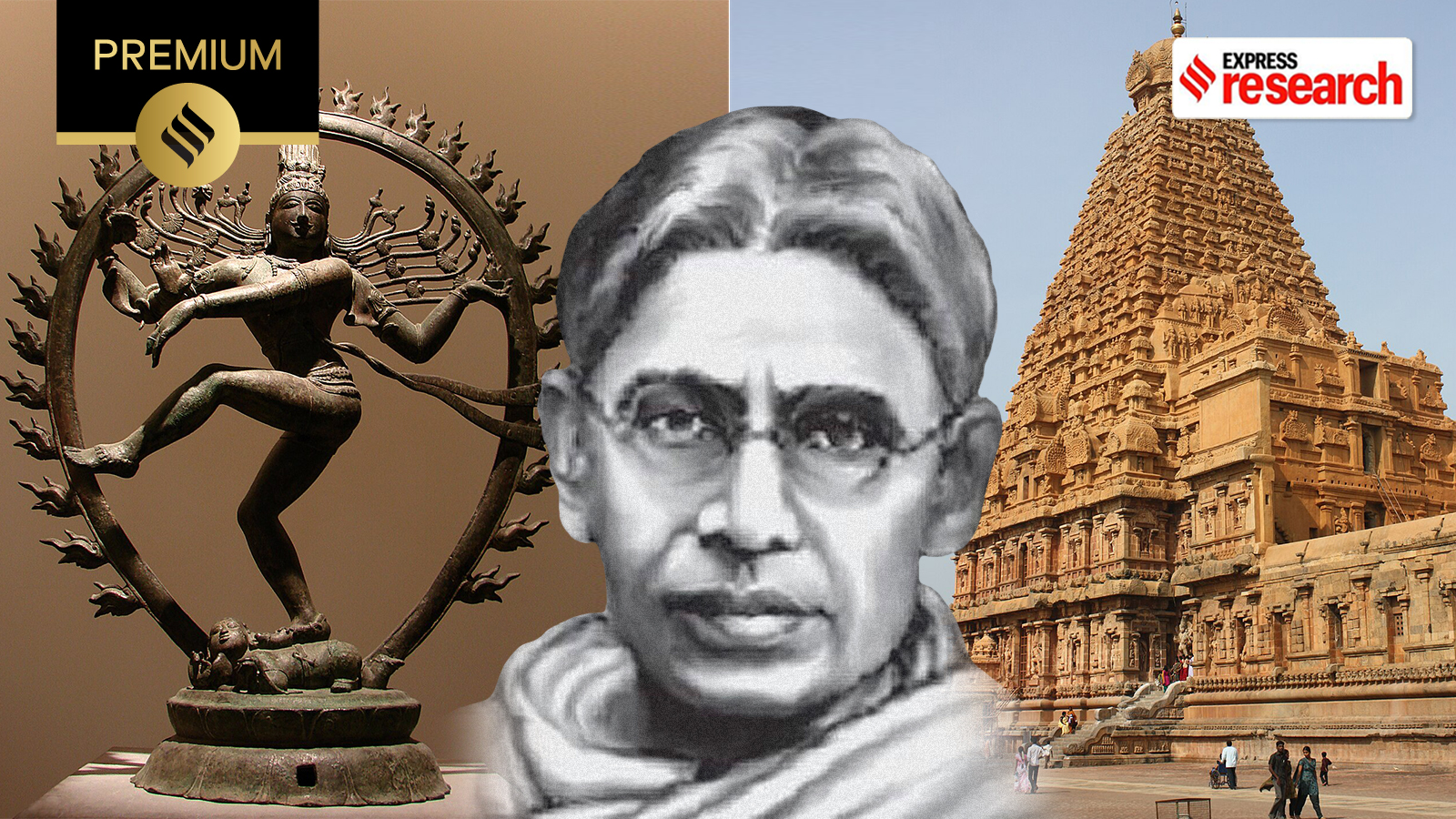
Historian V Ravi Vaithees argues that the strong connection between Shiva worship and Tamil/Dravidian identity is a relatively recent development, originating in the 19th century.
He traces this association to the Neo-Shaivite revivalist movement, which deliberately recast religious history to challenge Sanskritic traditions and establish a foundation for Dravidian politics. This movement, led by figures like Somasundara Nayakar and Maraimalai Adigal, aimed to create a distinct Tamil Shaivite identity by contrasting it with a perceived ascendant neo-Hinduism.
Vaithees explains that this “ethnicisation of religion” involved associating Shaivism exclusively with Tamil and Dravidian people, forging an anti-Aryan, anti-Brahmin ideology. The movement sought to displace Vedic and Sanskrit influences, even claiming the existence of lost Tamil Vedas. While the Tamil region historically hosted diverse religions including Buddhism, Jainism, and Vaishnavism, the Neo-Shaivites actively promoted Shaivism as the authentic expression of Tamil culture.
This constructed identity later became integral to the non-Brahmin Tamil/Dravidian movement of the 20th century, influencing leaders like Periyar E.V. Ramasamy and C.N. Annadurai. Though the movement evolved to include rationalism and atheism, it retained the anti-Brahmanical and anti-Aryan sentiments established by the Neo-Shaivites.
Recent comments by Telangana Chief Minister Revanth Reddy, linking Shiva worship to Dravidians and Ram worship to Aryans, reflect this ongoing, politically charged connection, despite the complex religious history of the Indian subcontinent and the multi-ethnic origins of the Dravidian movement itself.