Frieze Art Fair shapes visual awareness in global market
Summary and headline written by AI from the source article. How we work
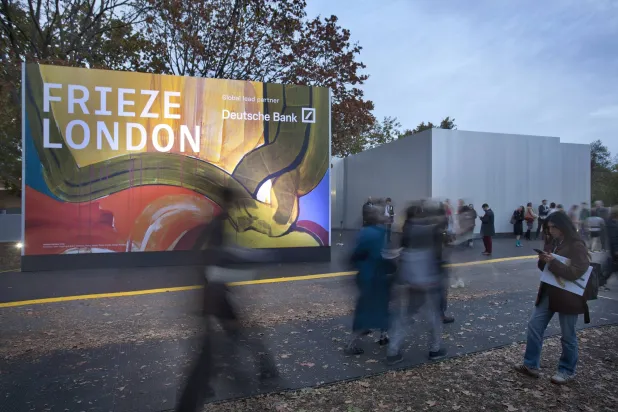
In London, the Frieze London and Frieze Masters art fairs brought together galleries from around the world, becoming a space for critical examination of art’s relationship to beauty, politics, and identity.
This year’s events weren’t just displays of art, but forums where colonial narratives clashed with contemporary voices focusing on the marginalized, body, and material. At Frieze London, 172 galleries explored the present by deconstructing it and examining the contemporary human form.
Brazilian artist Dalton Paula presented paintings reclaiming the histories of people of color erased by colonial memory, while American artist Lucy Dodd experimented with organic materials, blurring the lines between art and nature. American artist Khalif Tahir Thompson combined leather, fabric, and wood to create intimate portraits celebrating everyday African American life. Frieze Masters focused on rewriting art history with a critical eye, aiming to dismantle Western-centric views and celebrate alternative and marginalized modernities.
The fair showcased works by American artist Alice Neel, redefining gender and humanity, and highlighted pioneers of modernism in North Africa and the Middle East like Moroccan artist Mohammed Melehi. Galleries also brought attention to overlooked women of the abstract expressionist movement, like Ellen de Kooning and Joan Mitchell. The fairs also saw significant sales, with a still life painting by Flemish artist Jan Brueghel the Elder selling for nearly $6.5 million.
Galleries from Lebanon, Saudi Arabia, and Dubai showcased Arab artists like Lawrence Abu Hamdan, Walid Raad, and Maliha Afnan, contributing to a growing conversation within the international art scene.