Wikipedia’s vast archive may not unite us
Summary and headline written by AI from the source article. How we work
Tens of millions of people have contributed to Wikipedia over a quarter of a century, creating the largest collection of information in history, over 68 million articles in more than 300 languages.
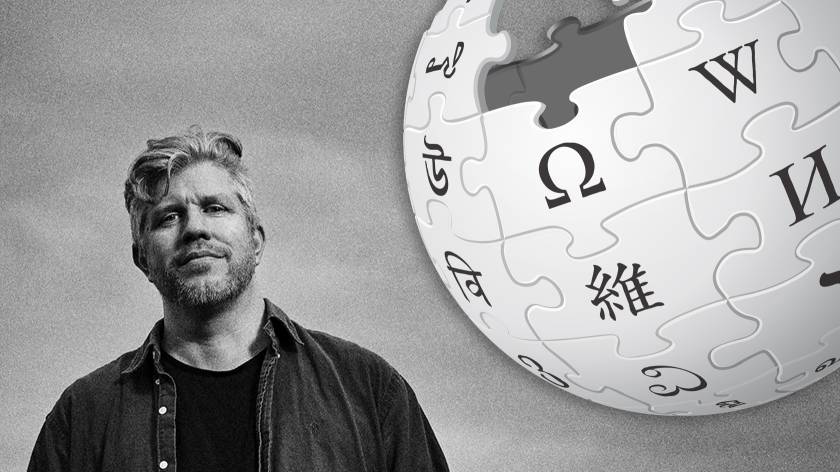
Journalist Richard Cooke explored the history of the online encyclopedia in his book, The Last Best Place on the Internet, and found its contributors are predominantly men from North America and Europe, with some editing from remote locations like Antarctica and Togo.
The platform’s early development was influenced by the philosophy of Ayn Rand and her objectivism, a surprising origin for a freely available, collaboratively built resource. Cooke discovered that Wikipedia’s founders, Jimmy Wales and Larry Sanger, now hold vastly different views. Sanger initially resisted contributing to Cooke’s book, requiring the author to acknowledge his perspective without validating his specific claims. Wales, while generally optimistic about the platform, likely has reservations about certain aspects of Cooke’s portrayal.
The encyclopedia has recently faced challenges from figures like Elon Musk, who launched a competing platform called Grokopedia, and from the rise of artificial intelligence, which relies heavily on Wikipedia’s data for training. Despite its success in compiling information, Cooke argues that Wikipedia has not measurably improved public discourse or fostered greater consensus, and may even have unintentionally aided the development of AI that could eventually replace it.