Apple’s journey: from Central Asia to global myth
Summary and headline written by AI from the source article. How we work
People have cultivated apples from wild orchards in Central Asia for centuries, spreading the fruit along the Silk Road and throughout Europe.
In 1929, Russian botanist Nikolai Vavilov explored wild apple orchards in the Tian Shan mountains of Kazakhstan, identifying Malus sieversii as the direct ancestor of modern apples. Seeds traveled with traders and were carried by birds and bears, mixing with other wild apple varieties in Europe and the Caucasus to create the sweet, fleshy fruit we know today.
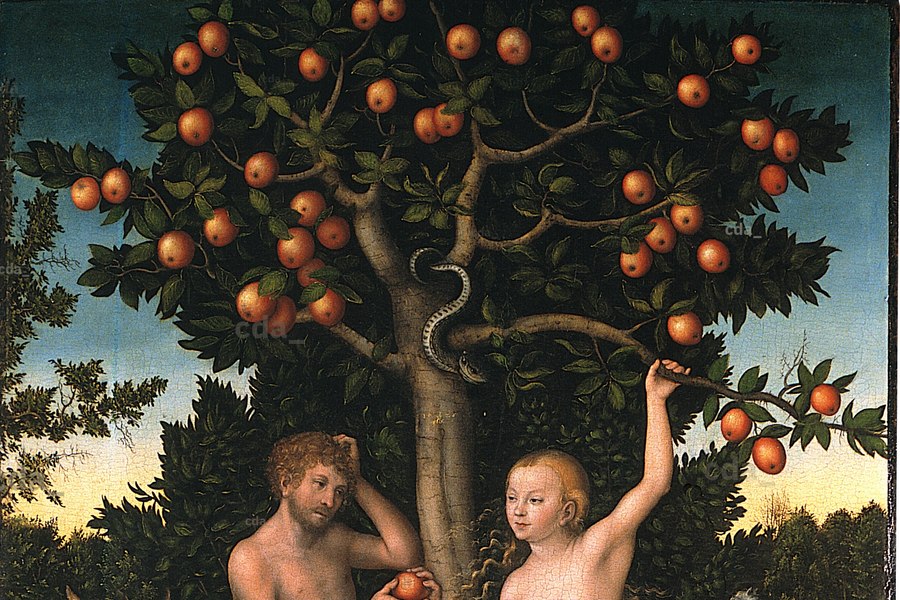
Ancient Greeks and Romans valued apples, associating them with mythology and incorporating them into their cultures. Greeks told stories of golden apples granting immortality, while Romans spread apple cultivation across Europe. The apple also appears in religious stories, though the Bible doesn’t name the “forbidden fruit,” later interpretations identified it as an apple. In Romanian traditions, apples symbolize transitions and renewal.
People use apple blossoms in winter rituals to encourage spring, offer apples to honor the deceased, and include them in courtship and marriage customs. From magical spells to simple offerings, apples have held a consistent place in Romanian folklore, marking the passage of time and connecting the living with the spiritual world.