AI reproduces Indian textile designs, raising ownership questions
Summary and headline written by AI from the source article. How we work
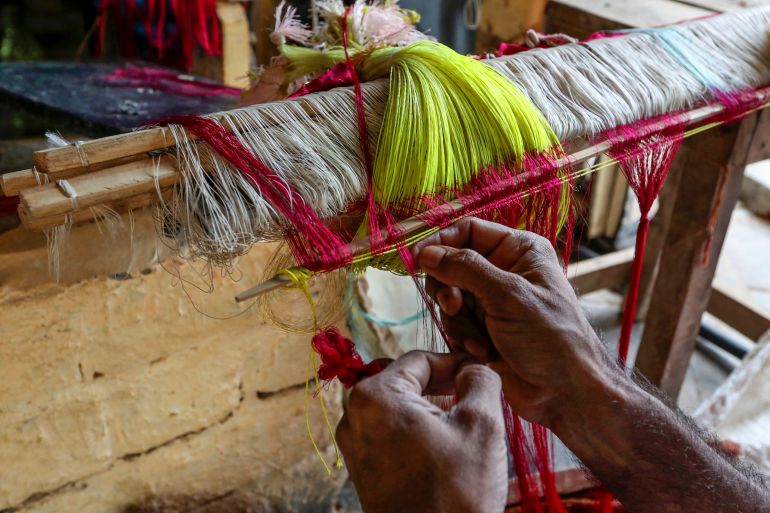
Bitupan Deka, a computer technology professor in Meghalaya, India, created a system to generate new designs for traditional fabrics after noticing mass-produced scarves repeating limited patterns.
He intends to commercialize this system as a design service for the textile industry, hoping it will supplement, not replace, traditional designers. This development occurs alongside broader digitisation efforts of Indian textile traditions, including the Rekh Sanganeri Dataset for Sanganeri textiles and a national portal called Bharatiya Vastra Shilpa Kosh.
These digitisation initiatives, while intended to preserve crafts, also enable AI systems to easily reproduce designs without involving the original artisans. Dinesh Chhipa, a designer from Rajasthan, argues against companies borrowing regional names like “Bagru” or “Jaipuri” for digitally produced textiles, emphasizing that these designs originate from specific communities and cultures. India’s government is responding by planning a dedicated AI-handloom research department and a system to register weavers and trace textile provenance with QR codes.
Artists are also elevating textiles into contemporary art, though concerns remain about ensuring artisans receive recognition and control over their work even within the art world. Legal ambiguities regarding intellectual property rights for communal motifs further complicate the issue of ownership as AI tools increasingly replicate traditional Indian textile designs.