Communities north of early Iberian state built fortifications
Summary and headline written by AI from the source article. How we work
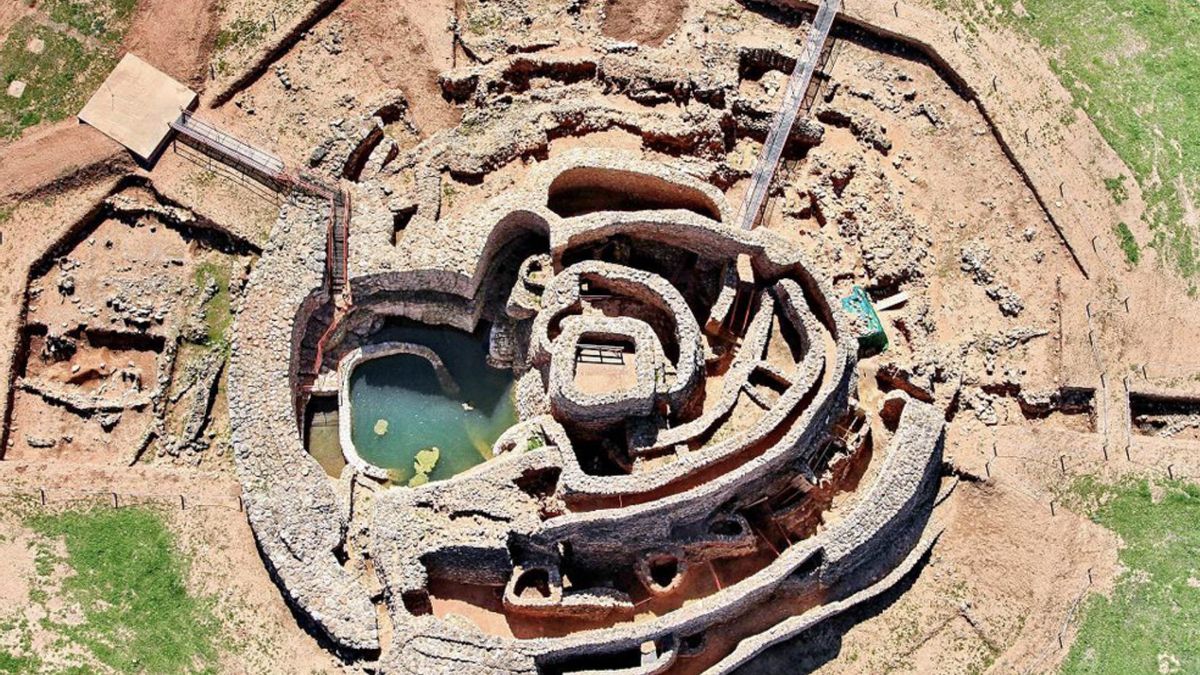
Communities in the Meseta and Levante regions of Spain and Portugal responded to the growth of the Argar culture, one of the first states in Western Europe, by building fortifications and dispersing into smaller settlements.
Around 4,000 years ago, these northern communities received ivory from Africa through long-distance trade networks, suggesting connections with the more powerful Argar society went beyond conflict.
Researchers at the Universitat Autònoma de Barcelona studied 1,517 settlements from the Bronze Age to understand how populations reacted to the expanding Argar culture. The study revealed that communities chose to build fortified settlements on rocky heights or disperse into small, hard-to-control areas. Over 83% of these northern settlements covered less than 2,000 square meters, and more than three-quarters had walls or were built on high ground, making conquest difficult for invaders.
Evidence from archaeological sites also showed a high rate of violent injuries, up to 37.5% of skeletons in northern Murcia showed weapon-inflicted wounds, indicating armed resistance. The Argar culture expanded from approximately 5,500 to 34,000 square kilometers over 450 years, controlling mineral resources like those from the Linares-La Carolina mining district. However, its northward expansion stalled around 1800 BCE, and the decisions of these northern communities may have contributed to limiting the Argar culture’s reach.
The Argar culture itself later disappeared around 1550 BCE.