Ancient Japanese survived major volcanic eruption through migration
Summary and headline written by AI from the source article. How we work
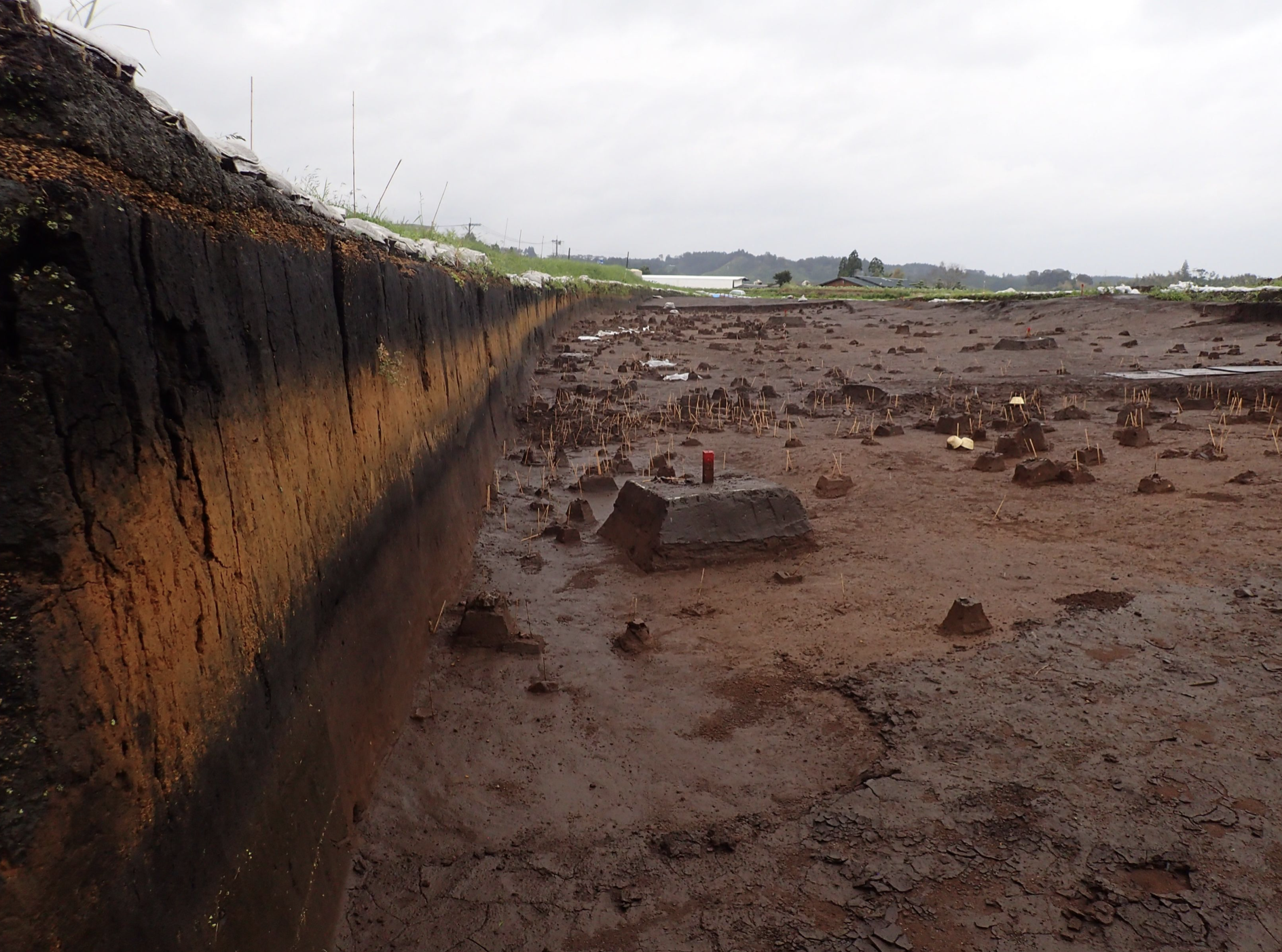
Around 5250 BCE, a massive volcanic eruption on Kyushu, a southern island in Japan, impacted the Jomon people, who were hunter-gatherers at the time.
Archaeologists previously debated whether the Kikai-Akahoya eruption caused a complete collapse of Jomon society or if some groups endured. Peter Jordan of Lund University and colleagues investigated this question by analysing radiocarbon dating data to estimate population changes following the eruption.
The team discovered that while the population declined sharply near the eruption site, it actually grew in areas further away. Regions closest to the volcano were already in decline before the event, meaning fewer people lived there when it occurred. Populations along the northern coastline also increased despite widespread ecological damage, possibly because the marine environment remained relatively unaffected. Researchers believe the Jomon people survived by relocating and adapting.
Enrico Crema of Cambridge University explained that survivors “migrated, forged new social relations, innovated new kinds of economy, and appear to have found creative ways to exist and later thrive in the new post-disaster conditions.” This suggests the eruption, while devastating, did not entirely destroy Jomon culture but instead prompted resilience and innovation.


