Historians debate Katib’s place in Afghan history
Summary and headline written by AI from the source article. How we work
Following a discussion on a podcast, scholars began re-examining the work of Mullah Faiz Muhammad Katib, a 19th-century Afghan historian and scribe.
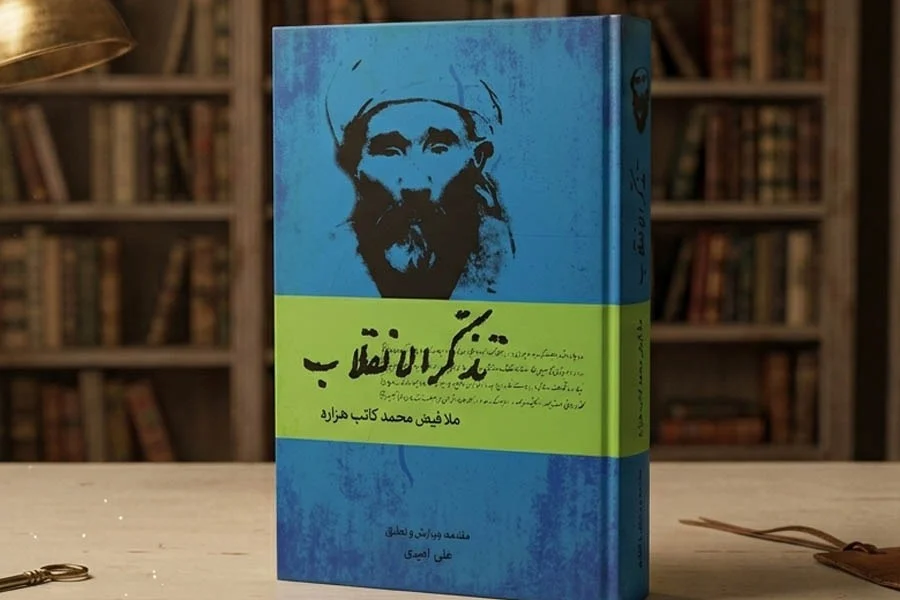
Ali Amiri’s new edition of Katib’s Tazkirat al-Inqilab sparked debate, particularly regarding Amiri’s introduction to the book. One scholar, Shafaq Khavati, suggested Katib qualified as a sociologist and described Tazkirat al-Inqilab as a sociological work. The author of this analysis argues that Amiri’s introduction exaggerates Katib’s importance and imposes modern concepts onto his historical writing.
Amiri claims Katib revived rationalist historiography and represents a link between past and future, but the author finds these claims unsupported by evidence within the text itself. The author points out a mismatch between the language of Amiri’s introduction and Katib’s original writing style, creating two different presentations of the historian. Katib’s primary significance, the author contends, lies in his role as a recorder of Afghan history, preserving important periods through his writings.
While Amiri positions Katib alongside prominent historians like Abu al-Fadl Bayhaqi and Ata-Malik Juvayni, the author believes such comparisons are unwarranted without further contextualization within Afghan history. The author suggests Amiri’s introduction focuses too broadly on Katib’s entire career instead of the specific work it introduces.