British traveler documents shifting dynamics in the Middle East and Africa
Summary and headline written by AI from the source article. How we work
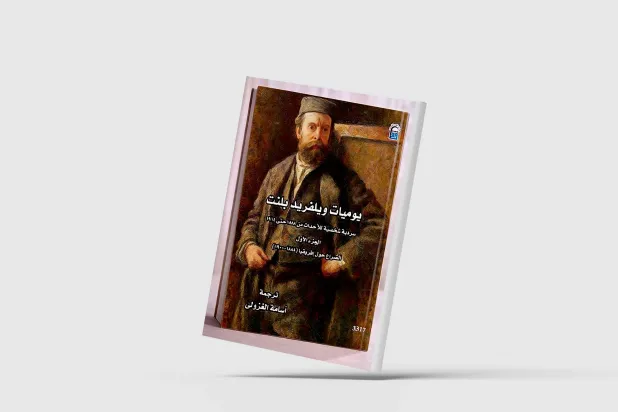
Wilfrid Scawen Blunt, a British traveler, poet, and diplomat, recorded his observations and political reflections in diaries covering 1888 to 1914. The National Center for Translation in Cairo published the first volume of these diaries, translated by Osama El-Ghazouli.
Blunt travelled extensively across the Middle East and North Africa with his wife, Lady Anne Blunt, establishing a horse farm and developing a critical perspective on British imperialism.
Blunt’s writing blends personal experience with political analysis, offering a unique account of a turbulent period. He moved between political and social circles, witnessing events as they unfolded in locations including Tunisia, Libya, and the Arabian Peninsula. He particularly focused on the competition between European powers for control of the region and challenged Western biases against local communities. The diaries document Blunt’s evolving views, moving from romantic fascination with the East to a firm critique of colonial policy.
His writings reveal a clash between his own vision for Egypt and that of Lord Cromer, the British High Commissioner in Cairo, whom Blunt opposed as an advocate for Egyptian self-determination and supporter of Ahmed Orabi’s nationalist revolution. Through Blunt’s observations, the diaries portray colonialism not just as military occupation, but as a complex system of financial, administrative, political, and cultural influence.