Hungarian researchers document Central Asian glacier loss, threatening water supply
Summary and headline written by AI from the source article. How we work
Researchers from the University of Szeged in Hungary retraced the routes of geographer and explorer Gyula Prinz’s expeditions from 1906 and 1909 across Central Asia.
The team, led by Professor Péter Szilassi, investigated how climate change and human activity have reshaped the region’s high-mountain environment over the last 120 years. They conducted geodetic measurements, drone surveys, and mapping between 1600 and 3800 meters in altitude, comparing them to Prinz’s original maps and photographs.
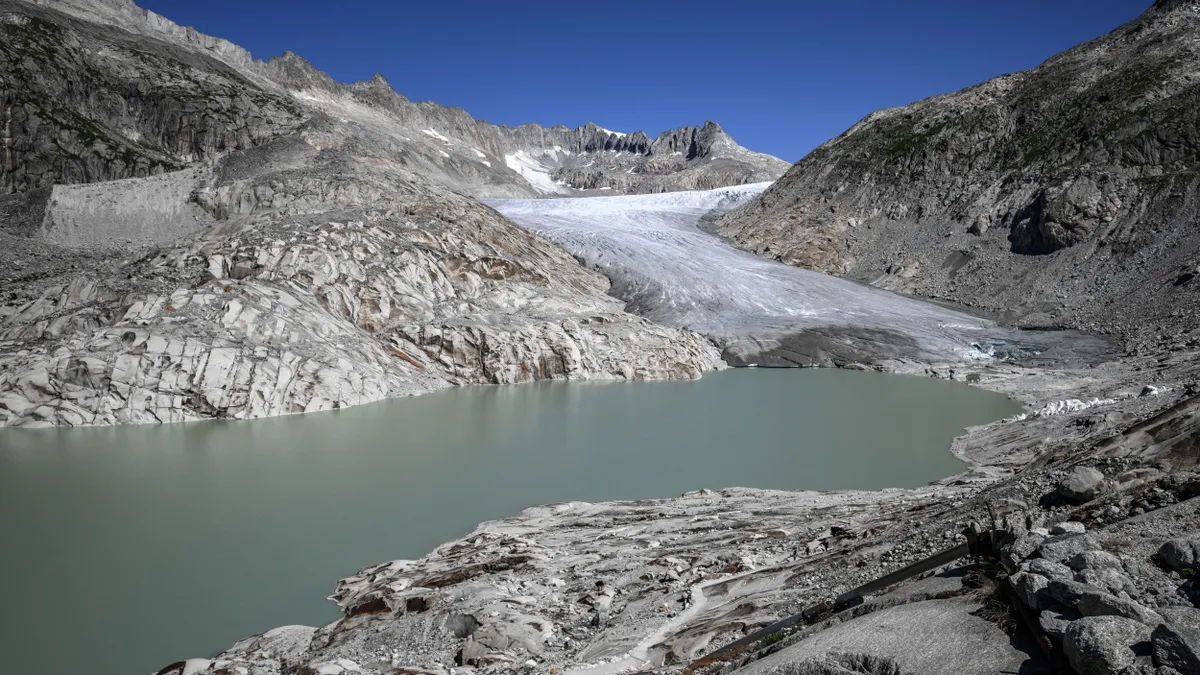
The researchers revisited sites Prinz documented, including the Köl-Tör lake at 3080 meters, finding that snow patches visible in his photographs had disappeared and the lake’s water level had dropped by at least two meters. At the Asu-Tor glacier, comparisons of a 120-year-old sketch revealed significant ice loss. In Kazakhstan’s Sunkar village, former orchards and gardens are now largely overgrown with shrubs, and only the ruins of a dozen watermills remain due to declining water flow.
The Tien-shan glaciers are critical sources of drinking and irrigation water for an estimated 80 to 100 million people in Central Asia. The University of Szeged plans to use their findings, combining Prinz’s historical maps with Soviet-era and modern satellite data, to aid in sustainable water management planning for the region.