Archaeological Survey of India resumes dig at Kashipur
Summary and headline written by AI from the source article. How we work
The Archaeological Survey of India (ASI) began a new excavation at Kashipur, India, seeking evidence to support local legends linking the site to the Mahabharata epic.
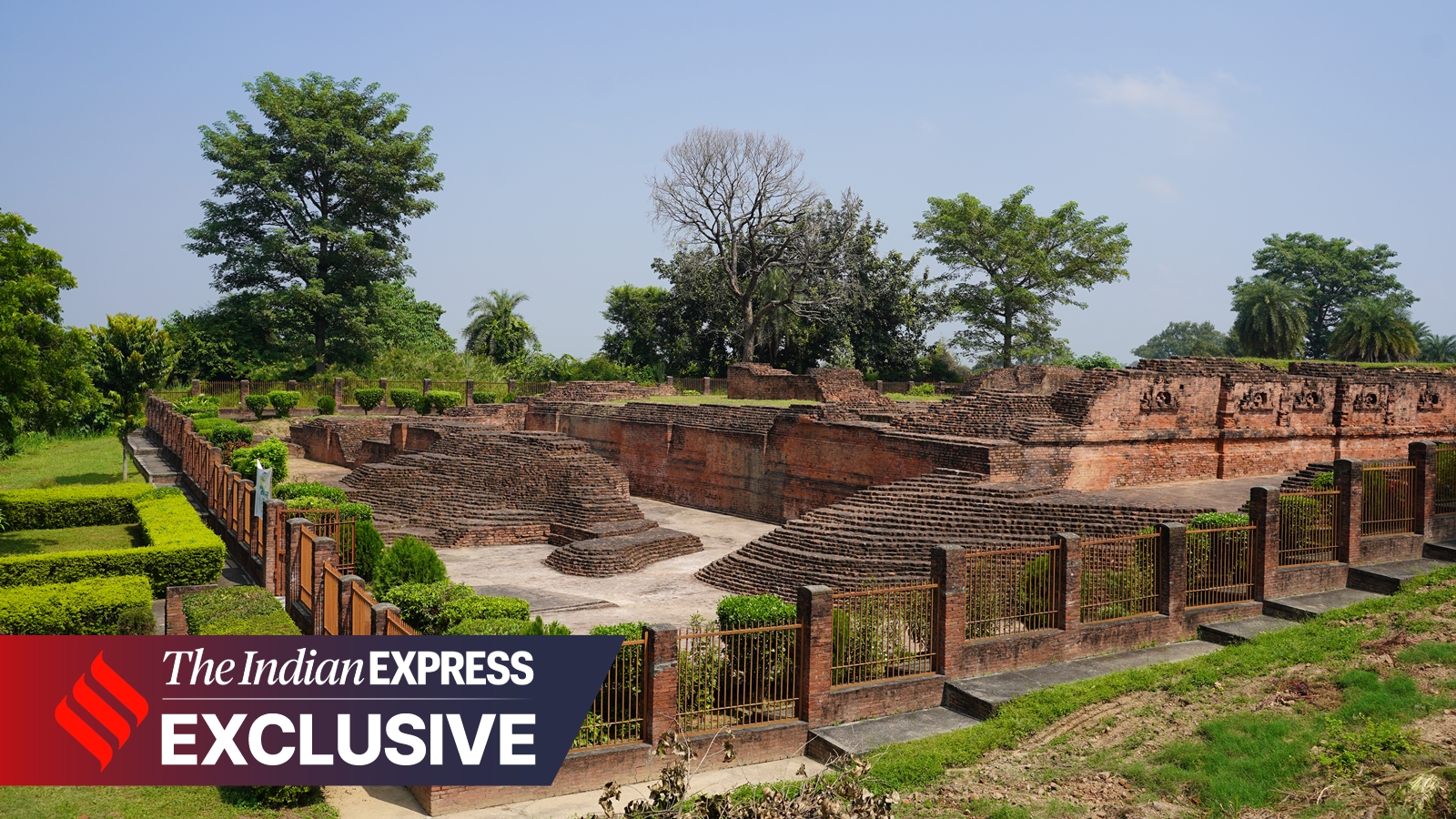
Archaeologists have worked at Kashipur since 1939, finding temples from the Gupta period to the early medieval era and artifacts spread across a 90-acre area near Drona Sagar Lake.
Previous excavations identified a temple built in phases, starting with a soil-brick platform during the Gupta period and later surrounded by walls in the 6th and 7th centuries AD. The current work aims to confirm earlier findings and establish a complete timeline of cultural development at the site. Researchers connected pottery found at Kashipur to the Painted Grey Ware culture, which flourished during the time of the Mahabharata, after B.B. Lal linked similar pottery from Hastinapur to the epic.
Pottery from the Kushan, Gupta, and Medieval periods also suggests continuous habitation for millennia. Recent excavations have revealed brick structures and circular formations, sparking new interest in the area’s history. ASI officials will evaluate whether to continue the dig after this season, with plans to potentially develop the site for tourism and further research.