Maastricht dig reveals clues to Netherlands’ first inhabitants

Summary and headline written by AI from the source article. How we work
Archaeologists in Maastricht, Netherlands are using modern techniques to re-examine a site yielding evidence of Neanderthal life dating back as far as 250,000 years.
Forty years ago, excavations near the Belvédère quarry uncovered significant stone tools, animal remains, and charcoal, marking the oldest known traces of human habitation in the Netherlands. Researchers are now drilling on nearby land, the site of a pallet company, to gather new geological and potentially human history samples.
The original dating of the Belvédère site is being revisited with more precise modern technology, prompting questions about when Neanderthals occupied the area. Some researchers previously suspected the finds could be as old as 350,000 years, and the new investigation aims to refine the timeline. However, construction of a road through the area in the early 2000s, without archaeological oversight, has complicated the preservation of the original site.
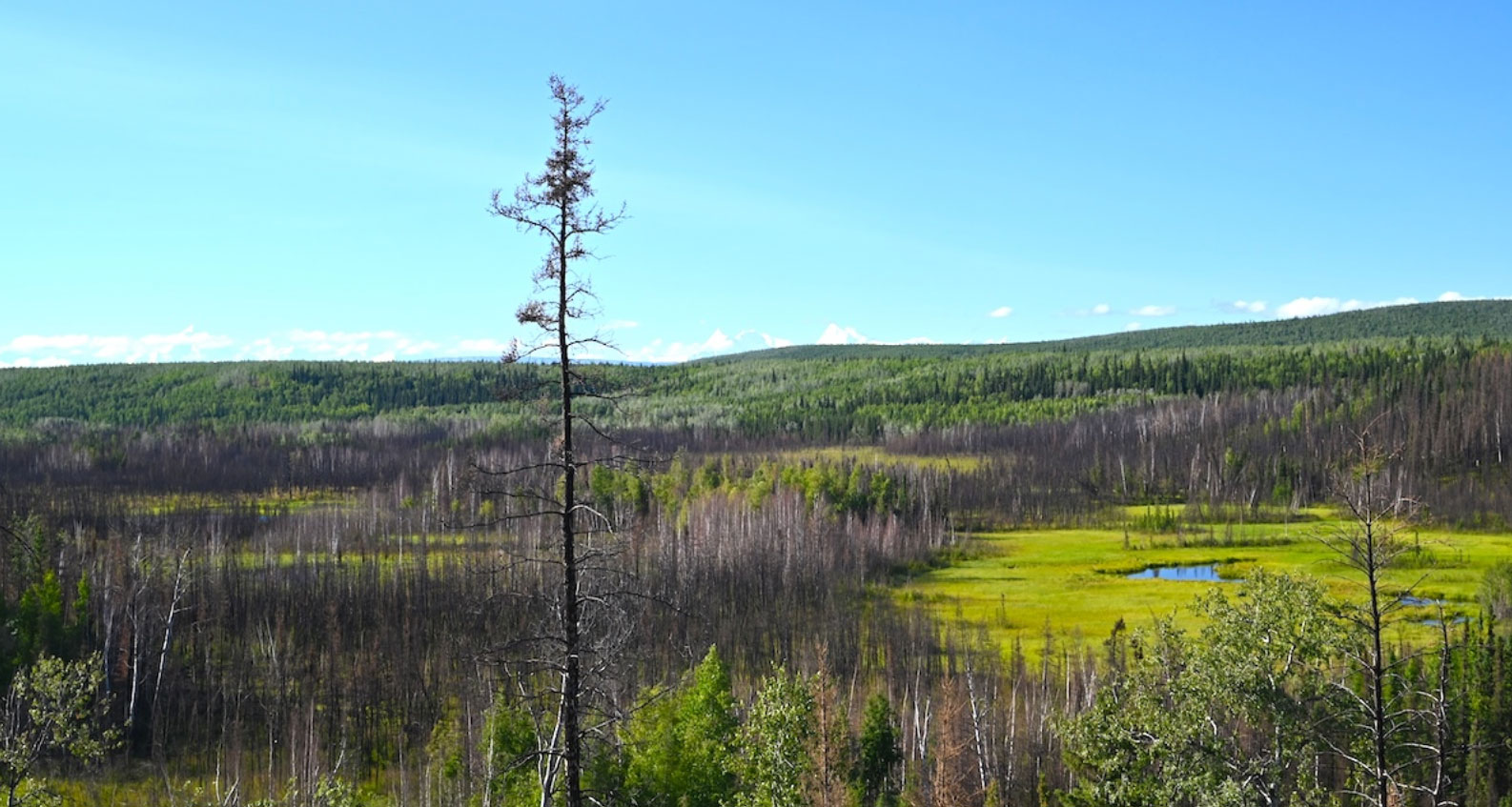
The current drilling is not only focused on accurate dating, but also on reconstructing the landscape surrounding the Neanderthal settlements. Evidence suggests the area was once a marshy environment, and the discovery of fossilized turtles indicates warmer temperatures than those seen today, with ancient elephants and rhinoceroses also inhabiting the region. Researchers are also attempting to extract sediment DNA to learn more about the ancient ecosystem, though the chances of finding Neanderthal DNA are considered low.
The project combines expertise from multiple institutions, including universities and research facilities in the Netherlands and Germany, and the data will contribute to a comprehensive digital model of the Dutch subsurface.